Summary
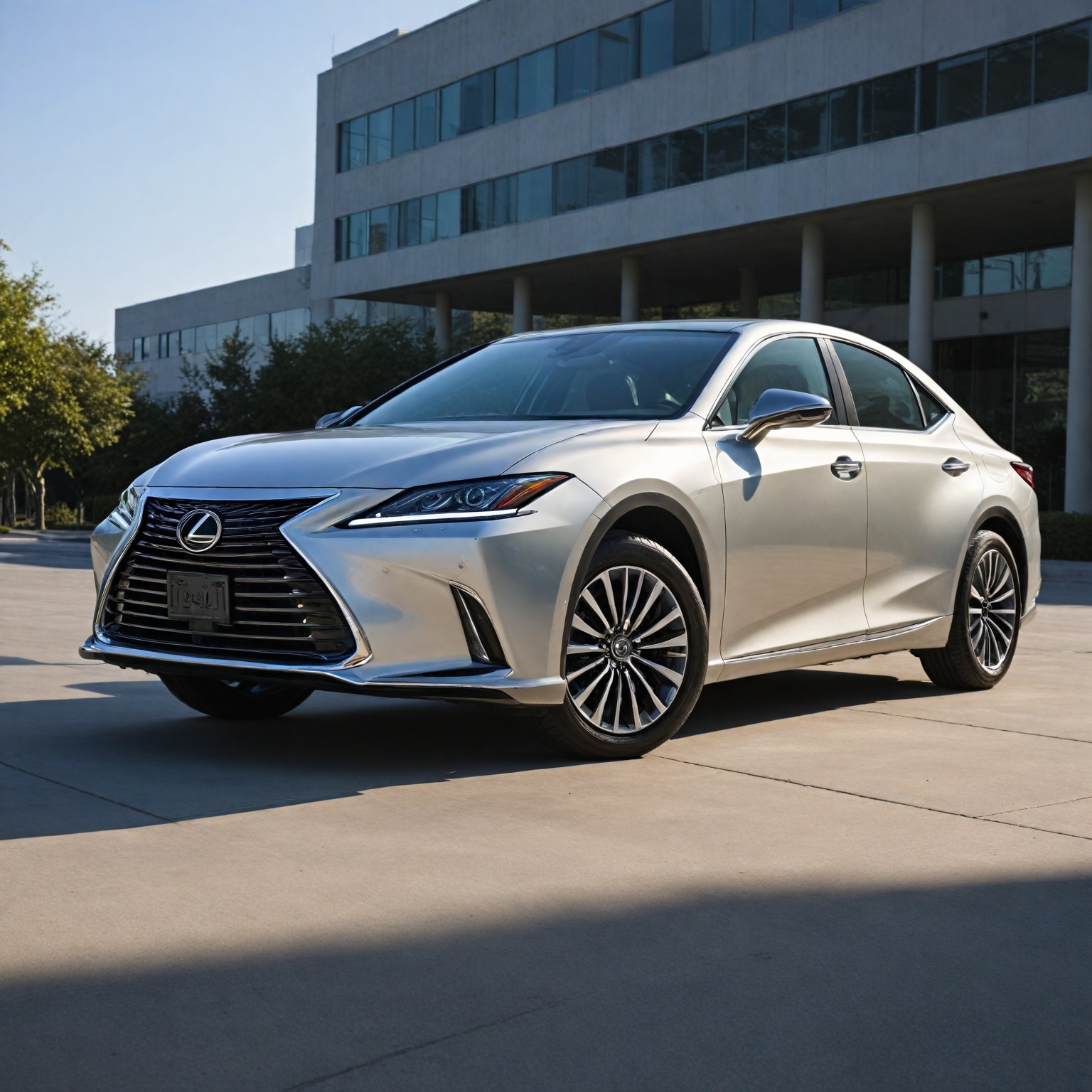
The 2026 Lexus ES is a midsize luxury sedan that represents a significant evolution in Lexus’s design and electrification strategy. Developed at Lexus’ Shimoyama technical centre in Japan, the new ES introduces the brand’s “Clean Tech x Elegance” design philosophy, blending minimalist aesthetics with advanced technology to create a visually striking and sophisticated vehicle. Marking a pivotal step toward electrification, the 2026 ES is offered exclusively with hybrid and fully electric powertrains, making it the second of three new battery electric vehicle (BEV) models Lexus plans to launch by March 2026.
Built on the new TNGA GA-K platform optimized for electrified drivetrains, the 2026 ES features a reimagined exterior inspired by the LF-ZC concept, including a distinctive “hammerhead” front fascia and an innovative Rear L-Signature Lamp that integrates the Lexus logo within a single light bar. Inside, the cabin emphasizes driver visibility and refined material quality, incorporating Lexus-first technologies such as Bamboo Layering and Synthetic Leather Embossing to enhance ambient lighting and tactile appeal. The interior layout centers on comfort and connectivity, offering an asymmetrical 12.3-inch digital instrument combimeter and advanced multimedia systems driven by Lexus’s new Arene software platform.
Technologically, the 2026 ES advances Lexus’s electrification with hybrid models featuring a sixth-generation 2.5-liter hybrid system and new fully electric variants equipped with lightweight eAxles that combine power control units and transaxles for improved efficiency and packaging. The vehicle integrates state-of-the-art safety and driver-assistance features, including lane-keeping and sway warning systems, alongside structural reinforcements that enhance ride comfort and handling. Over-the-air update capabilities ensure the infotainment and safety systems remain current throughout the vehicle’s lifecycle.
Anticipated to launch globally starting in early 2025 with European sales from spring 2026, the 2026 Lexus ES has garnered positive expectations for its blend of elegant design, advanced technology, and refined performance. While detailed pricing and specifications are forthcoming, the model’s introduction underscores Lexus’s commitment to electrification and modern luxury, positioning the ES as a competitive offering in the midsize luxury sedan market.
Background
The development of the 2026 Lexus ES was centered at Lexus’ Shimoyama technical centre in Japan, where planning, design, engineering, and evaluation teams collaborated closely under one roof to systematically test and refine the vehicle. This integrated approach enabled the team to focus on creating a sedan that embodies Lexus’ new design philosophy, termed “Clean Tech x Elegance,” which blends advanced technology with sophisticated aesthetics.
The all-new ES represents a pivotal step in Lexus’ electrification strategy, being the second of three new battery electric vehicle (BEV) models planned for release by March 2026. Reflecting this direction, the 2026 ES will be available exclusively with hybrid or fully electric powertrains, prompting Lexus engineers to optimize the vehicle’s platform architecture to meet the demands of these advanced drivetrains.
The car’s design incorporates elements inspired by the LF-ZC concept and aligns with Lexus’ new aesthetic vision. Notably, the front fascia features a sharply defined spindle shape extending from the hood to the bumper corners, contrasted by the low nose and horizontally oriented fenders, creating a bold and grounded appearance. This “hammerhead” front end draws parallels to design cues found in the Toyota Prius and ninth-generation Camry, indicating a shared design language within Toyota’s family of vehicles.
Additionally, the rear design introduces a new Rear L-Signature Lamp with an illuminated Lexus logo integrated into a single light bar that consolidates taillight and stoplight functions. Other lighting elements have been repositioned toward the outer edges to enhance the vehicle’s distinctiveness and brand identity.
The interior design emphasizes driver visibility and quality, featuring an asymmetrical 12.3-inch digital instrument combimeter that allows for a lower meter hood and a wide-open upper section prioritizing the driver’s view. Material quality has been enhanced with soft leather-like accents and dynamic lighting effects, contributing to an elegant and technologically advanced cabin environment. The development philosophy focused on delivering an “Experience Elegant & Electrified Sedan,” ensuring that all occupants enjoy advanced comfort, connectivity, and safety, while providing the driver a connected and rewarding sense of control.
Following its world premiere at Auto Shanghai in China, the all-new ES is slated for launch in Europe with sales commencing in spring 2026, with detailed local specifications to be announced later.
Design
The 2026 Lexus ES introduces a design philosophy Lexus calls “Clean Tech x Elegance,” which combines minimalist aesthetics with functional innovation to create a sleek and emotionally engaging luxury sedan. Inspired by the next-generation battery electric vehicle (BEV) concept LF-ZC, the exterior features a boldly defined spindle body that stretches from the hammerhead-style front end across the bonnet to the bumper corners, giving the vehicle a grounded and distinctive presence. The front face contrasts a low-set nose with horizontally oriented fenders, while hybrid variants include a slim upper grille to ensure optimal cooling performance. The vehicle’s height is carefully calibrated to accommodate an underfloor battery without sacrificing interior comfort, resulting in harmonious proportions that highlight the sedan’s expressive form.
At the rear, the ES showcases a new Rear L-Signature Lamp that seamlessly integrates an illuminated Lexus logo with a single light bar consolidating taillight and stoplight functions. This design repositions other lighting elements outward and lower on the body, emphasizing the car’s wide stance and sculpted profile, making it instantly recognizable as a Lexus.
The interior follows the Clean Tech x Elegance concept by creating a simple, clean, and sophisticated space with an open, airy upper section that prioritizes driver visibility and a lower section that gently envelops occupants. The instrument cluster features an asymmetrical 12.3-inch digital combimeter, allowing for a lower meter hood and enhancing the driver’s line of sight. Material quality is elevated through the use of soft leather-like accents and dynamic ambient lighting effects, including two Lexus-first technologies: Bamboo Layering—an advanced printing and light transmission technique that synchronizes surface illumination with cabin lighting—and Synthetic Leather Embossing, which combines precise embossed patterns with ambient illumination to produce a modern and refined aesthetic. The cabin’s layout is designed to provide first-class comfort for all passengers, with an Executive Package available in North America to offer a more spacious and relaxing rear environment.
Despite being larger in all dimensions than its predecessor—with an overall length extended by approximately 6.5 inches and a wheelbase lengthened by 3 inches—the 2026 ES maintains a sleek and elegant appearance both inside and out. Structural reinforcements in the front, rear, and floor areas contribute to enhanced rigidity, isolating the cabin from road vibrations while delivering an agile and responsive driving experience that belies the vehicle’s size.
Technology
The 2026 Lexus ES marks a significant advancement in automotive technology, integrating cutting-edge electrification, multimedia, and safety systems. Central to its technological innovation is the introduction of Lexus’ first battery electric vehicle (BEV) models within the ES lineup, featuring a multi-pathway powertrain strategy that offers both hybrid and fully electric options with front-wheel and all-wheel drive configurations. The BEV versions, including the ES 350e with 165 kW output and the ES 500e with 252 kW, utilize new lightweight eAxles that integrate power control units and transaxles, optimizing both cabin space and performance through compact packaging enabled by the new global GA-K platform.
A hallmark of the 2026 ES is the adoption of Lexus’ proprietary Arene software platform, which supports innovative “Hidden Tech” dashboard switches—Lexus’ first implementation of this technology—providing a sleek, minimalist cabin interface without sacrificing functionality. This is complemented by a dominant 14-inch infotainment screen paired with a capacitive touch bar replacing most physical controls, reflecting a modernized user experience that prioritizes intuitive operation and streamlined aesthetics, though opinions on the design draw comparisons to Tesla’s Model 3 cockpit layout.
The new Lexus Multimedia system benefits from over-the-air update capabilities, allowing continuous enhancement of infotainment and safety features throughout the vehicle’s ownership. This adaptability ensures that the system remains current with evolving technologies and user expectations. Anticipated improvements include a more responsive and higher-resolution interface, enhanced voice recognition, and a redesigned central console layout aimed at ergonomic control of climate, audio, and navigation functions.
In terms of electrified powertrains, the 2026 ES expands on the hybrid technology legacy with the ES 350h model featuring Lexus’ sixth-generation hybrid system. This system pairs a 2.5-liter four-cylinder engine with either front-wheel drive or an additional motor for on-demand all-wheel drive, similar to configurations found in other Toyota group models like the Prius and Camry. Though official power outputs remain unconfirmed, the hybrid powertrain is expected to deliver slightly increased horsepower compared to current counterparts, promoting improved fuel efficiency and lower emissions.
Safety and driver-assistance technologies are also markedly advanced. The ES incorporates a comprehensive suite of driver aids, including Lane Departure Alert with Steering Assist, Lane Keep Assist, and Vehicle Sway Warning, designed to maintain lane discipline and enhance driver focus during long trips or complex driving conditions. These systems are integrated with a more rigid chassis structure, which features reinforced front, rear, and floor areas to reduce cabin vibration and improve ride comfort. Industry speculation suggests the inclusion of enhanced 360-degree camera systems and advanced active steering assist functionalities, potentially utilizing sophisticated AI and additional sensors to support semi-autonomous driving capabilities.
Performance
The 2026 Lexus ES offers a refined driving experience characterized by a more rigid chassis structure that enhances cabin isolation from road vibrations while delivering an agile and responsive feel that belies the vehicle’s size. The chassis improvements include reinforced front, rear, and floor areas, which contribute to both comfort and handling precision.
Powertrain options focus on efficiency and versatility, featuring a sixth-generation hybrid system paired with a 2.5-liter four-cylinder gasoline engine. Buyers can choose between front-wheel drive or an all-wheel-drive configuration that incorporates an integrated eAxle—combining the electric power control unit with the transaxle for seamless power delivery. This hybrid setup is designed to suppress vibrations and ensure a quieter, more refined cabin environment. The hybrid model, designated as the ES350h, replaces the previous ES300h and is expected to offer a slight power increase over the current 225 horsepower system, potentially reaching 232 horsepower with the e-AWD option, similar to the latest Toyota Camry hybrid system.
Additionally, the 2026 ES introduces options for single- or dual-motor all-electric drive modes, providing enhanced responsiveness and efficiency. These developments reflect Lexus’s commitment to blending performance with advanced hybrid technology, delivering premium comfort without sacrificing dynamic driving characteristics.
Driver-assistance technologies complement the performance enhancements by improving safety and driving ease. Systems such as Lane Departure Alert, Steering Assist, Lane Keep Assist, and Vehicle Sway Warning help maintain lane discipline and driver focus during long drives, further enhancing the overall driving experience.
Together, these innovations ensure the 2026 Lexus ES maintains its reputation for balanced performance, combining advanced hybrid powertrains, chassis refinement, and intelligent safety features to meet the demands of modern luxury sedan buyers.
Manufacturing and Materials
The 2026 Lexus ES is built on the newly developed TNGA GA-K platform, which supports both hybrid electric vehicle (HEV) and battery electric vehicle (BEV) powertrains, reflecting Lexus’s commitment to a carbon-neutral society. This platform underpins extensive reengineering efforts, resulting in a more spacious and refined sedan while accommodating advanced electrified technologies.
To enhance driving dynamics and cabin comfort, the chassis features increased rigidity in the front, rear, and floor areas. This structural reinforcement helps isolate the cabin from road vibrations and delivers an agile and responsive driving experience that surpasses expectations for a vehicle of its size. Key structural elements were redesigned from the ground up to achieve these improvements.
The use of advanced materials is evident in the vehicle’s design, where lighter components and improved aerodynamics contribute to efficiency gains. The powertrain, especially in the ES 350h hybrid variant, incorporates a compact and lightweight sixth-generation 2.5-liter hybrid system with an integrated eAxle that combines the power control unit and transaxle. This integration allows for higher battery output while maintaining a reduced overall powertrain weight.
Inside the cabin, Lexus employs innovative materials and finishes to elevate the luxury experience. The Clean x Tech design introduces two Lexus-first features: Bamboo Layering and Synthetic Leather Embossing. Bamboo Layering utilizes advanced printing techniques and light transmission technology to create a surface illumination effect that synchronizes with ambient lighting, while Synthetic Leather Embossing produces a precise embossed pattern enhanced by ambient lighting, resulting in a modern and refined aesthetic.
Additionally, the interior incorporates high-quality materials such as suede and special coatings that enhance tactile feel and visual appeal. These materials complement the Tazuna design philosophy, which emphasizes driver engagement and spatial openness through elements like a uniquely shaped 12.3-inch multi-information display housed in a low-profile meter hood. The exterior design draws inspiration from the next-generation BEV concept LF-ZC, blending bold presence with refined minimalism, with vehicle height optimized to accommodate underfloor battery placement without compromising interior comfort.
Market Release
The 2026 Lexus ES is scheduled to go on sale in early 2025, with full vehicle specifications and pricing details expected to be announced closer to its launch date. The all-new ES made its world premiere at Auto Shanghai in China and will be introduced to the European market starting spring 2026, with local specifications to be revealed in due course.
Pricing projections indicate a starting MSRP ranging between $45,000 and $55,000, with higher trims—especially those featuring advanced technology packages and performance enhancements—potentially exceeding $51,000. Lexus aims to maintain the ES’s reputation in the midsize luxury sedan segment by refining its signature exterior styling, combining elegance with subtle aggression, while introducing new design elements under the “Clean Tech x Elegance” philosophy.
Positioned as the second of three new Lexus battery electric vehicle (BEV) models set to debut by March 2026, the ES embodies Lexus’ commitment to redefining the future of mobility and enriching modern lifestyles through advanced engineering and design innovation.
Reception
The 2026 Lexus ES has been met with anticipation and positive expectations from both enthusiasts and industry analysts. Although official details remain limited, the vehicle is widely expected to build on the series’ legacy of refinement, performance, and reliability through tasteful design updates and incremental technological enhancements. Early impressions highlight a carefully crafted cabin that prioritizes comfort for all occupants, incorporating Lexus’ hospitality principle of Omotenashi with minimalist and unobtrusive design elements that seamlessly blend into the interior.
Reviewers have noted the significant improvements in cabin space, attributed to a reengineered platform that extends the vehicle’s overall length by approximately 6.5 inches and wheelbase by 3 inches, thereby enhancing rear passenger comfort and legroom. The rear cabin’s optional reclining seats and unique features such as the ottoman leg support for the seat behind the front passenger contribute to an exclusive chauffeur-driven experience, while the forward-folding front passenger seat maximizes rear visibility and comfort.
Anticipation also surrounds the 2026 ES’s advanced technology and driver-assistance systems, expected to include the latest electronic safety features and infotainment enhancements. Lexus has emphasized the vehicle’s capability for over-the-air updates, ensuring that technological improvements will continue throughout the vehicle’s ownership. Although the full suite of features and pricing will be revealed closer to launch, the 2026 ES is poised to attract buyers seeking a midsize luxury sedan that blends modern technology, comfort, and Lexus’ signature refinement.
Future Outlook
The 2026 Lexus ES is anticipated to continue the model’s legacy of blending elegant design with advanced technology, focusing on incremental improvements in style, comfort, and performance. Although official details remain limited, experts and industry analysts expect the new iteration to introduce refined cabin craftsmanship, enhanced driver-assistance systems, and the latest multimedia innovations, building upon the advancements introduced in the 2025 model. This aligns with Lexus’s broader strategy under its “Lexus Electrified” vision to expand electrification