Highlights
- Electric scooters now blend advanced technology with user-centered design for diverse needs.
- Thorough research is essential for choosing the right scooter to ensure safety and usability.
Summary
Electric mobility scooters in 2025 have evolved into versatile personal transportation devices that cater to a broad spectrum of users, ranging from seniors and individuals with disabilities to urban commuters and recreational riders. Once primarily mobility aids, these scooters now blend advanced technology with user-centered design to address diverse needs, including portability, performance, and accessibility. Their growing popularity reflects a shift toward sustainable, convenient alternatives to traditional vehicles, contributing to efforts to reduce environmental impact and traffic congestion in urban areas.
Modern scooters incorporate innovations such as lightweight, foldable frames, powerful motors capable of speeds up to 28 mph, and batteries with extended ranges exceeding 40 miles per charge. Artificial intelligence (AI) and Internet of Things (IoT) integration further enhance safety and usability by providing real-time navigation assistance, predictive maintenance, and collision avoidance features, transforming scooters into connected mobility solutions. Ergonomic design and adjustable components improve comfort and accessibility, while compliance with regulations like the Americans with Disabilities Act (ADA) ensures equal access to public spaces for users of mobility devices.
Choosing the right scooter in 2025 requires careful consideration of individual mobility needs, terrain, battery capacity, motor power, safety features, and budget constraints. Despite technological advances, challenges remain in evaluating real-world performance due to variable factors such as rider weight, terrain, and environmental conditions. Moreover, warranty coverage and after-sales support vary widely across models, underscoring the importance of thorough research and testing before purchase.
Controversies in the electric scooter landscape center on regulatory inconsistencies across jurisdictions, safety concerns amid increased urban use, and disparities in accessibility and affordability for different user groups. As the market expands, ongoing developments in technology, legal frameworks, and user experience continue to shape the role of electric mobility scooters as practical, inclusive, and intelligent transportation options in 2025 and beyond.
Overview of Electric Mobility Scooters in 2025
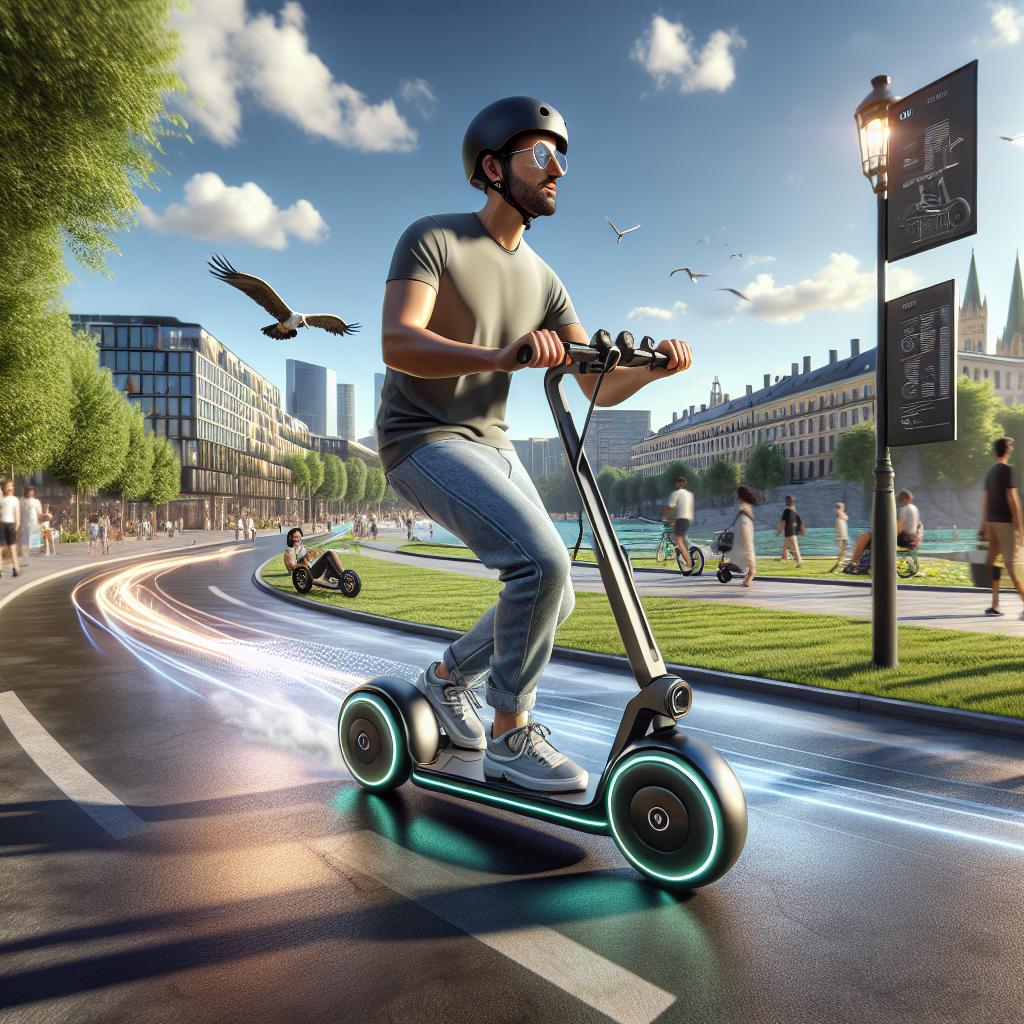
Electric mobility scooters in 2025 represent a rapidly evolving segment of personal transportation, blending advancements in technology with growing market demand across diverse user groups. Traditionally favored by seniors and individuals with disabilities, these scooters are increasingly adopted by younger consumers for leisure, commuting, and urban micro-mobility purposes. They serve as a sustainable alternative to gasoline-powered vehicles, aligning with global efforts to reduce greenhouse gas emissions and environmental pollution.
Modern electric scooters offer a range of features designed to enhance portability and convenience. Lightweight and foldable designs are common, allowing easy transport on public transit or in vehicle trunks. Models weighing under 50 pounds with quick fold mechanisms and removable batteries cater to users requiring travel-friendly options without sacrificing performance or comfort. Additionally, heavy-duty scooters with durable frames and extended battery life support reliable outdoor use on uneven terrain, while foldable power wheelchairs provide portability for active lifestyles, including airline travel.
Technological integration is a defining trend in 2025, with artificial intelligence (AI) becoming a core component of many electric scooters. AI systems contribute to safer and more efficient rides through real-time navigation, predictive maintenance alerts, collision avoidance, and adaptive performance adjustments based on traffic and user patterns. Battery technology has also seen significant improvements, boosting range and reliability to meet the demands of varied urban commuting needs.
From a performance perspective, leading scooters typically feature powerful motors capable of reaching speeds up to 28 mph and ranges exceeding 40 miles on a single charge. Comfort and safety enhancements such as suspension systems and disc brakes are increasingly standard, underscoring the focus on rider experience. However, evaluating efficiency remains challenging due to limited manufacturer data, making real-world testing crucial for accurate performance comparisons.
Finally, warranty coverage often varies across different scooter components, including motors, brakes, batteries, and frames, reflecting the complexity and specialization within electric mobility scooter design. Regulatory frameworks also play a role in accessibility, with rules ensuring that individuals using manual or powered mobility aids can access public spaces without discrimination.
Key Factors to Consider When Choosing a Scooter
Choosing the right electric mobility scooter in 2025 involves a comprehensive evaluation of several important factors to ensure it fits your lifestyle and mobility needs. First and foremost, assess your specific mobility requirements by considering the terrain you will navigate, the typical distance of your travels, and any physical challenges such as balance, strength, and dexterity that may affect your ability to operate the scooter safely and comfortably.
The intended use case plays a crucial role in selecting the ideal model. For instance, off-road scooters equipped with larger, knobby tires and robust suspension systems are suited for rough terrains but tend to be heavier and less portable, making them less practical for urban commuting. Conversely, lightweight and foldable models prioritize portability, making them better suited for frequent travelers or those with limited storage space.
Motor power and battery capacity are key technical considerations affecting performance. Motor wattage typically ranges from around 250W in basic models to over 5000W in high-end scooters, influencing acceleration and top speed. Higher wattage motors provide better hill-climbing ability and faster speeds, which is important if you regularly face hilly routes or carry heavier loads. Battery capacity, measured in amp-hours (Ah) and voltage (V), determines the scooter’s range. For example, a 72V battery with 30Ah capacity offers more range than a lower voltage battery with the same Ah rating. However, actual battery life varies with factors like rider weight, terrain, and weather conditions, with cold temperatures reducing battery efficiency.
Weight capacity is another critical factor. Manufacturers specify a maximum payload to ensure optimal scooter performance and safety. Selecting a scooter that comfortably supports your weight will maintain speed, battery life, and motor efficiency.
Safety features should not be overlooked. Upgrades such as brighter lights enhance night visibility, while loud bells alert pedestrians, improving overall safety and convenience. Additionally, protective riding gear including gloves, armored jackets, and knee and elbow guards can significantly reduce injury risk during falls or collisions.
Finally, consider after-sales support, build quality, and customization options. Reliable customer service and durable construction increase the scooter’s lifespan and user satisfaction. Customizable features allow you to tailor the scooter to your unique lifestyle, enhancing comfort and usability.
Ergonomics and Accessibility
Ergonomics and accessibility are critical considerations when choosing an electric mobility scooter, as they directly impact user comfort, ease of use, and overall satisfaction. Modern mobility scooters offer a variety of seating options, ranging from basic padded seats to advanced models with enhanced cushioning, lumbar support, and adjustable features tailored to different body types and needs. Adjustable seats, armrests, and tillers allow users to customize their scooter for optimal posture and reduced fatigue during long rides.
In addition to seating comfort, scooters often feature ergonomic designs that enhance maneuverability and control. Intuitive controls, adjustable tillers, and ample legroom contribute to a user-friendly experience, especially for individuals with varying degrees of mobility. Some models also provide options for legroom adjustments or additional seating accessories to further enhance comfort and accommodate diverse physical requirements.
Accessibility extends beyond the physical design of the scooter. State and local governments, as well as public businesses, are required to permit individuals using manual or power mobility aids, including scooters, access to all public areas where members of the public are allowed. This legal framework ensures that users can confidently navigate public spaces without discrimination or undue restriction.
Technological advancements continue to improve both ergonomic and accessibility features. Innovations such as advanced suspension systems and lightweight, portable designs help maintain stability and ease of transport without sacrificing comfort. The integration of safety features like electromagnetic brakes and anti-roll-over devices further enhances security during use, supporting accessibility for a wide range of users.
Ultimately, selecting a scooter with ergonomic and accessible features aligned to one’s lifestyle and physical needs is essential. Comfort, adjustability, and compliance with accessibility regulations collectively ensure that mobility scooters provide independence, convenience, and safety to their users in 2025 and beyond.
Design Factors Influencing Performance
The performance of electric mobility scooters is primarily shaped by several key design factors, including motor specifications, battery capacity, rider weight, terrain, and environmental conditions. Each of these elements plays a critical role in determining acceleration, top speed, range, and overall efficiency.
Motor Power and Type
The choice of motor significantly influences acceleration, hill-climbing ability, and maximum speed. Brushless DC (BLDC) motors with high torque are favored in both custom builds and commercial scooters for their efficiency and power delivery. Modern electric scooters range widely in motor wattage—from basic models with 250W motors that reach speeds around 15 mph, to high-performance machines equipped with motors exceeding 5000W capable of speeds over 40 mph or even up to 100 mph in specialized off-road variants. Higher motor wattage generally results in faster acceleration and greater top speeds, making motor power a critical factor when selecting a scooter aligned with specific performance needs.
Battery Capacity and Voltage
Battery capacity, measured in amp-hours (Ah) and voltage (V), directly affects the scooter’s range and power output. For example, a 72V battery with 30Ah capacity provides 2160Wh of energy, enabling longer rides and better performance compared to a lower-voltage battery of similar amp-hour rating. Voltage plays a pivotal role in speed capabilities, while amp-hours predominantly influence how far the scooter can travel before recharging. However, battery health naturally degrades over time, impacting overall performance and range.
Rider Weight and Terrain
The actual performance of an electric scooter is also heavily dependent on rider weight and the type of terrain. Heavier riders typically experience reduced top speeds—often 2-5 mph lower than advertised—due to increased motor load and decreased efficiency. Terrain influences energy consumption dramatically; flat, smooth surfaces allow optimal battery use and higher speeds, whereas hills and rough or uneven terrain substantially reduce range and slow down the scooter. For instance, a scooter rated for 20 miles on flat ground might only manage 10-12 miles when navigating hilly routes.
Environmental Conditions
Temperature and weather also affect scooter performance, especially battery efficiency. Lithium-ion batteries perform best within a temperature range of approximately 60-80°F (15-27°C). Colder weather can temporarily reduce battery capacity, thereby decreasing range and possibly affecting acceleration and top speed. Additionally, factors such as tire pressure and road conditions can further influence motor efficiency and overall ride quality.
User Groups and Their Priorities
Electric mobility scooters serve a diverse range of users, each with distinct needs and priorities that influence their choice of scooter. Understanding these user groups is crucial to selecting a model that aligns with lifestyle, comfort, and functionality requirements.
Seniors and Older Adults
The global elderly population is expanding due to longer life expectancies and advances in healthcare, leading to increased demand for mobility aids. Seniors often face reduced physical strength, limited joint mobility, and other health challenges that make traditional transportation methods like walking or cycling difficult. Mobility scooters provide a practical solution by offering a safe, comfortable, and easy-to-use means of transportation. For this group, comfort features such as ergonomically designed seats, adjustable armrests, smooth suspension systems, and adjustable tillers are highly valued to enhance ease of use and ride stability.
People with Disabilities
Individuals with disabilities represent a significant user group for electric mobility scooters, often requiring devices tailored to specific mobility challenges. The type of mobility aid used depends on the user’s needs, ranging from manual or power wheelchairs to various types of scooters. Those with full support needs might opt for electric wheelchairs or power chairs for added stability and control, whereas others may select scooters better suited for indoor or outdoor environments depending on their daily routines. Accessibility rules mandate that covered entities permit the use of mobility devices in public areas, ensuring inclusivity and accommodation for these users.
Urban Commuters and Younger Users
While traditionally favored by seniors and people with disabilities, electric scooters have seen growing popularity among younger demographics and urban commuters. This shift reflects broader adoption for leisure, last-mile connectivity, and eco-friendly transportation in dense metropolitan areas. Commuters prioritize features such as portability, range, speed, and ease of maneuvering through traffic. Scooters designed for this group often include performance-enhancing elements like headlights, reflectors, suspension systems, and speedometers to ensure safety and comfort in varied urban terrains. Additionally, scooters optimized for city use tend to have hub motors offering smooth torque and minimal maintenance.
Off-Road and Recreational Users
A subset of users seeks electric mobility scooters capable of handling rugged terrain and outdoor adventures. These off-road scooters feature larger, knobby tires, robust suspension systems, and heavier builds to navigate uneven surfaces effectively. However, their size and weight reduce portability, making them less suitable for urban commuting or indoor use. This group prioritizes durability and terrain adaptability over compactness or speed.
Technological Advancements in 2025
The year 2025 marks a pivotal moment for electric mobility scooters, as manufacturers integrate cutting-edge technologies to enhance performance, safety, and user experience. Among the most significant advancements are improvements in battery technology, artificial intelligence (AI) integration, and connectivity features, all of which contribute to smarter, faster, and more sustainable urban mobility solutions.
Battery Technology
Battery innovations are at the forefront of technological progress in electric scooters. Lithium-ion batteries continue to dominate due to their lightweight design and high power output, yet emerging chemistries and smart battery management systems are addressing longstanding challenges such as range anxiety, charging time, and battery health degradation. For example, advancements in solid-state batteries and wireless charging technologies are expected to further increase energy density and convenience, enabling longer rides with shorter recharge intervals. Mobile applications now provide users with real-time battery metrics, including charge status, health condition, and maintenance reminders, enhancing overall reliability and ease of use.
Artificial Intelligence and Connectivity
AI integration is revolutionizing how electric scooters interact with riders and their environments. By 2025, AI-powered systems enable real-time navigation assistance, predictive maintenance alerts, and collision avoidance features, making rides safer and more efficient. Scooters can learn individual commuting patterns to suggest optimized routes while dynamically adjusting performance based on traffic conditions. Furthermore, the incorporation of Internet of Things (IoT) technology transforms scooters into connected mobility solutions, similar to innovations seen in electric cars. This connectivity allows for remote scooter location tracking, performance monitoring, and seamless integration with mobile devices, improving security and user convenience.
These technological breakthroughs collectively redefine electric mobility scooters in 2025, making them not only a practical transportation option but also a personalized and intelligent extension of the urban commuter’s lifestyle.
Budget and Cost Considerations
When selecting an electric mobility scooter in 2025, understanding the full spectrum of costs involved is essential to making an informed purchase that fits your lifestyle and budget. Electric scooters are available across a wide price range, starting from basic models priced around $150 to premium options exceeding $3,000. Most quality scooters fall within the $300 to $1,200 range, with basic models targeting casual riders and mid-range options suited for daily commuting.
Purchase Price and Categories
Budget models under $300 typically offer fundamental transportation with limited range (8–15 miles) and top speeds around 15 mph. These scooters often have varying build quality and fewer advanced features, making them suitable for price-conscious users or those with minimal travel needs. Mid-range scooters, costing between $600 and $1,200, generally provide better durability, range, and features to support regular use. Premium scooters, which can cost over $2,000, deliver advanced capabilities, higher performance, and enhanced durability tailored for heavy or specialized usage.
Maintenance and Replacement Costs
Beyond the initial purchase price, several ongoing expenses impact total ownership costs. Routine maintenance includes tire replacements, which are necessary every 1,000 to 3,000 miles and typically cost between $20 and
Legal and Regulatory Considerations
Under current regulations, entities covered by Title II (state and local governments) and Title III (businesses and non-profit organizations serving the public) of the Americans with Disabilities Act (ADA) are required to allow individuals with disabilities who use mobility devices access to all areas open to the public. This includes manual or power wheelchairs, electric scooters, and manually powered mobility aids such as walkers, crutches, and canes. For instance, if a park generally prohibits golf cars, it must still permit the use of a golf car when it is used by a person with a mobility disability, unless a legitimate safety concern prevents accommodation.
These rules, which have been in effect since March 15, 2011, ensure that people with disabilities have equal access to public facilities and services, requiring covered entities to make reasonable modifications to policies to accommodate mobility devices. Compliance with such regulations is essential when choosing an electric mobility scooter, as users must be aware of their rights and the environments in which their devices are legally permitted.
In addition to federal mandates, evolving laws around electric scooters, especially concerning registration and operational guidelines, may vary by state and locality as of 2025. Users should stay informed about updated regulations to ensure legal use in their area. Awareness of these considerations supports safe, lawful, and convenient use of electric mobility scooters in everyday life.
Tips for Testing and Purchasing
When selecting an electric mobility scooter, thorough testing is essential to ensure the model suits your comfort, mobility, and daily usage needs. Start by evaluating portability—especially if you travel frequently—by testing foldable scooters to confirm they are lightweight and easy to transport. Additionally, assess the scooter’s performance outdoors by checking its maneuverability and ability to handle uneven surfaces with ease, which is crucial for real-world conditions.
Comfort has become a major focus in modern mobility scooters. Manufacturers are incorporating ergonomic seating, advanced suspension systems, and customizable features to enhance the user experience during long rides. Look for adjustable tillers, ergonomically designed seats, and easy-to-use controls, as these features significantly improve ease of use and overall comfort. Understanding how these elements align with your specific needs will help you make a more informed choice.
Testing the scooter over an extended period, such as several weeks, is highly beneficial. This approach allows you to experience its range, handling, and practicality in daily activities like running errands or commuting short distances. Keeping a log of distance traveled and performing consistent trips, such as routes with varied terrain, can provide a reliable measure of the scooter’s performance and battery endurance.
Customization options are increasingly available to meet individual preferences, including adjustable seating, storage solutions, and a variety of accessories. These personalized features can greatly enhance usability and satisfaction with your purchase. As electric mobility scooters become integral to urban transportation amid growing congestion, selecting a model that fits both your lifestyle and urban environment is increasingly important.
Finally, rely on expert reviews and thorough methodologies when considering different models. Trustworthy sources conduct extensive research and testing to provide unbiased recommendations, helping you navigate a crowded market filled with many new products each year. Taking these steps will ensure that you find an electric mobility scooter tailored to your lifestyle in 2025.
Maintenance and Care
Proper maintenance and care are essential for ensuring the longevity and reliable performance of electric mobility scooters. Regular servicing is recommended, with professional check-ups typically advised every one to two years to keep the scooter in optimal condition. Between these appointments, owners should maintain cleanliness, paying particular attention to preventing dirt buildup on the undercarriage, which can affect mechanical components.
Key maintenance tasks include monitoring tire wear, as tires generally need replacement every 1,000 to 3,000 miles, with costs ranging from $20 to $80 per tire. Brake pads and cables also require periodic inspection and replacement to maintain safe stopping capabilities. The battery represents one of the most significant long-term maintenance considerations; lithium-ion batteries typically last between two to four years before their capacity diminishes noticeably. Advanced battery technologies, such as those utilizing regenerative braking systems, can help extend battery life by providing smoother stopping and energy recovery during use.
Owners should also be aware that battery health, influenced by factors such as voltage and amp-hour capacity, directly impacts the scooter’s range and overall performance. For example, a higher voltage battery with adequate amp-hours offers better energy storage, translating to longer travel distances before recharging is necessary. Newer models often incorporate ergonomic seating and adjustable features to reduce user fatigue, which also require occasional maintenance to ensure comfort remains consistent over time.
Insurance coverage for maintenance and repairs is often available, with Medicare Part B and many private insurers covering mobility scooters deemed medically necessary and prescribed by healthcare professionals. Budgeting for routine upkeep, including tire and brake replacements as well as eventual battery renewal, is crucial for uninterrupted mobility and safety throughout the scooter’s lifespan.
Future Trends and Emerging Innovations
The electric mobility scooter industry is poised for significant transformation in 2025, driven by rapid advancements in technology and evolving user needs. One of the most prominent trends is the integration of artificial intelligence (AI) and Internet of Things (IoT) technologies, which are enhancing both safety and convenience for riders. AI-powered systems now enable real-time navigation, predictive maintenance alerts, and collision avoidance, allowing scooters to learn commuting patterns and optimize routes based on traffic conditions.
Battery technology is also undergoing revolutionary improvements. While lithium-ion batteries remain the standard due to their high power output and lightweight design, new chemistries and smart battery management systems are addressing limitations such as range anxiety, charging time, and safety. Innovations include the development of solid-state batteries and wireless charging solutions, which together promise longer-lasting and more efficient energy storage tailored to urban mobility demands.
In addition to technological enhancements, manufacturers are focusing on user-centered design elements. Lightweight, foldable models are becoming increasingly popular for their portability and ease of storage, catering to urban commuters and travelers. Customization options, such as adjustable seating and diverse accessories, allow users to tailor scooters to their specific preferences and lifestyles. Emotional dimensions like convenience, safety, style, and sensitivity also play a key role in shaping user preferences throughout the ownership experience, highlighting the importance of balancing functional and emotional needs in product development.
Safety remains a critical priority in 2025’s electric mobility scooters. Advanced braking systems, integrated LED lighting for enhanced visibility, and AI-powered collision detection are becoming standard features aimed at reducing accidents and improving rider confidence on congested city streets. These smart safety innovations echo trends seen in electric vehicles and reflect a broader push to integrate connected mobility solutions into everyday transportation.
The content is provided by Avery Redwood, Gear Shift Zone