
Summary
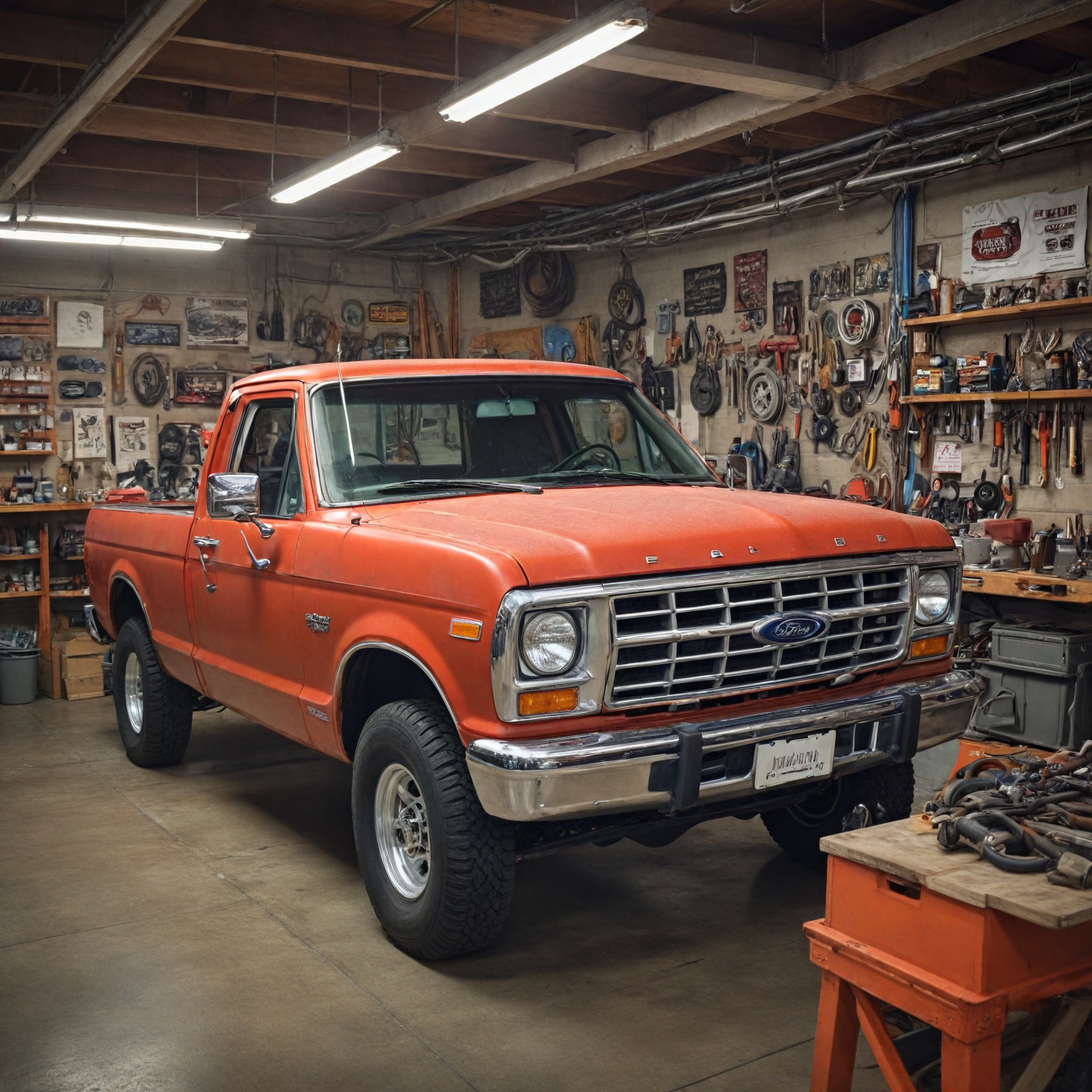
The Ford F-150 is one of the most popular and enduring full-size pickup trucks in the United States, renowned for its combination of power, versatility, and longstanding reputation for reliability. Since its debut, the F-150 has evolved through multiple generations, incorporating technological advancements and modern safety features while maintaining its core appeal to both commercial and personal users. Its continued dominance in the truck market underscores its cultural and economic significance in the automotive industry.
The F-150’s reliability has been extensively evaluated, with owner surveys and industry studies generally rating it above average within its class, though results vary by model year and generation. Earlier models are often praised for mechanical simplicity and durability, while newer versions feature advanced powertrains and electronic systems that improve performance but sometimes introduce new issues. Notable concerns reported by owners include transmission failures, electrical system faults, and infotainment glitches, particularly in certain mid-2010s and recent models.
Throughout its history, the F-150 has faced numerous recalls addressing critical components such as fuel systems, transmissions, and electrical wiring, reflecting both challenges in reliability and Ford’s proactive efforts to ensure safety. Compared to competitors like the Toyota Tundra and GMC Sierra, the F-150’s reliability record is mixed, with some studies ranking Ford lower among mass-market brands despite the truck’s strong sales and feature set. Prospective buyers are advised to consider specific model years carefully and consult expert reviews and maintenance histories when evaluating used F-150s.
Technological and safety innovations have been central to the F-150’s evolution, including the introduction of EcoBoost engines, hybrid variants, advanced infotainment systems, and driver assistance technologies such as Forward Collision Warning and Automatic Emergency Braking. The recent addition of the all-electric F-150 Lightning marks a significant shift toward electrification, highlighting Ford’s commitment to modernization amid changing industry trends. Despite some reported minor technical issues, the F-150 remains a leading choice for many truck buyers seeking a blend of capability, comfort, and evolving technology.
Background
The Ford F-150 has long been recognized as one of the most popular and enduring pickup trucks in the United States, known for its blend of power, versatility, and reliability. Since its introduction, the F-150 has undergone numerous generational changes, each aiming to improve performance, technology, and durability. Early generations, particularly the first and second, were praised for their mechanical simplicity, which contributed significantly to their reliability. These models featured straightforward mechanical systems with fewer electronic components, making them easier to maintain and repair while benefiting from durable construction.
As the F-150 evolved, technological advancements in later generations—such as improved fuel injection, electronic ignition, and more efficient transmissions—further enhanced the truck’s overall performance and reliability. However, despite its reputation, not every model year has been free from issues. Some owners have reported problems ranging from transmission and fuel system concerns in mid-2010s models to occasional electrical and infotainment glitches in more recent years.
The introduction of modern features like Ford’s Sync 4 infotainment system and advanced safety technologies, including forward collision warning (FCW) and automatic emergency braking (AEB) with pedestrian detection, reflect ongoing efforts to keep the F-150 competitive and reliable in a rapidly evolving automotive landscape. The availability of an all-electric variant, the F-150 Lightning, marks a significant shift towards innovation while maintaining the truck’s core values.
Understanding the F-150’s reliability requires considering these generational changes, technological improvements, and the specific issues that have emerged over time, providing a nuanced view of this iconic truck’s performance history.
Reliability Overview
The reliability of the Ford F-150 has been a subject of extensive evaluation, particularly through subscriber surveys of recent model years. The latest surveys from 2022 and 2023 Ford F-150 owners provide valuable insights into the truck’s dependability. According to these surveys, the F-150 generally demonstrates above-average reliability within its class.
However, individual experiences with the vehicle can vary. For example, some owners of the 2022 model have reported several issues such as problems with the gateway module, interior trim rattles, and speaker rattles, which affected their overall satisfaction despite considering the driving experience superior to other trucks they owned. This suggests that while reliability scores may be favorable on average, certain components may still present challenges for some users.
It is also important to consider the generational differences in reliability. Trucks from the 13th generation, produced around 2011 to 2013, faced specific issues including slipping, erratic gear changes, and even complete transmission failure, alongside known lead frame problems. For buyers, this implies that choosing an F-150 may involve weighing the balance between modern features and potential risks associated with older models.
Ford F-150 Reliability Analysis
The Ford F-150 holds a generally respectable reputation for reliability among full-size trucks, though its dependability varies across different model years and trims. According to a 2023 subscriber survey of Ford F-150 owners, the truck earned an overall reliability rating of 3.5 out of 5.0, ranking it seventh out of 17 full-size trucks evaluated. This rating reflects a balance between the vehicle’s strengths and some recurring issues reported by owners.
Certain model years stand out in the F-150’s reliability history. For example, the 2001 Ford F-150 is notable for its enduring design appeal and solid performance, achieving a Consumer Reports reliability score of 3.0 out of 5.0 and an owner satisfaction rating of 4.0 out of 5.0, despite its age. However, not every model year has met expectations; some have been associated with frequent problems leading to costly repairs and diminished owner satisfaction.
Owner feedback highlights a nuanced perspective on the F-150’s reliability. Some recent models, such as the 2022 F-150, have faced issues including faulty gateway modules, interior rattles, and speaker problems. Despite these concerns, many owners still regard the F-150 as offering a superior driving experience compared to competitors, emphasizing that reliability is only one factor in overall vehicle satisfaction.
Industry evaluations further support the F-150’s strong standing. J.D. Power, a leading consumer information company, has awarded the F-150 a “Great” rating, positioning it as the second-best vehicle in the Large Light Duty Pickup category. This accolade underscores the F-150’s status as a dependable option within its class, although it is important to consider that J.D. Power’s dependability studies often assess slightly older model years to compile comprehensive data.
Common Issues and Recalls
The Ford F-150 has experienced a variety of common issues and recalls over multiple model years, reflecting both challenges in vehicle reliability and proactive manufacturer responses. Recalls have primarily centered on critical components such as the fuel system, transmission, electrical system, and suspension, with some affecting millions of vehicles across several years.
Recalls Overview
Ford Problems, using data from CarComplaints.com and the National Highway Traffic Safety Administration (NHTSA), identified that the 1997 Ford F-150 was involved in numerous recalls, though it is not unique in this regard. Recalls often address safety-related defects and can be either mandated by the NHTSA or voluntarily issued by Ford. These campaigns typically focus on components such as the fuel system, transmission, lights, and electrical wiring. Vehicle owners can verify recall status and repair completion through the NHTSA website.
Transmission Problems
Transmission issues have been a recurring complaint, especially in models from the mid-2000s through the early 2010s. Owners reported symptoms including slipping gears, erratic shifting, hard shifts, and complete transmission failure, often leading to costly repairs or full replacements. The 2011-2013 models were notably affected by lead frame problems and transmission malfunctions that degraded driving performance and reliability.
Electrical System Faults
Electrical issues are among the most common problems reported in Ford F-150 trucks across various years. These range from blown fuses disrupting multiple vehicle functions to more complex problems such as faulty starter motors caused by wiring or relay failures. Wiring corrosion, frayed connections, and exposure to environmental factors further contribute to electrical malfunctions. Additionally, owners frequently report minor electrical gremlins, warning light malfunctions, and infotainment system glitches such as freezing screens and unresponsive controls, particularly in models produced between 2011 and 2017.
Several specific cases include difficulties with the overhead sunroof controls, which house interior alarm sensors; these problems sometimes necessitate replacement of the Body Control Module (BCM) or components in the overhead compartment to restore proper function. Some users have also experienced no-start conditions linked to battery or electrical issues.
Suspension and Structural Concerns
The suspension system, particularly coil springs, has presented issues in some F-150 models. Vehicles around the 100,000-mile mark frequently experience coil spring cracks or breakage, necessitating replacement of both springs to maintain safety and ride quality. Furthermore, recalls have addressed issues such as improperly fastened nuts on the battery bus bar, which could lead to battery pack fires, and suspension component defects that manifest as looseness, lack of steering precision, or shuddering transmitted through the steering column.
Additional Complaints
Other less critical but notable complaints include inconsistent power delivery and shutdowns of the Pro Power Onboard system, as well as body panel misalignments and poorly fitting interior trim pieces. Despite these problems, some generations of the F-150, such as the 1997–2003 models, have been regarded as relatively reliable with fewer significant issues reported.
Reliability by Model Year and Generation
The reliability of the Ford F-150 varies notably across different model years and generations. For example, the 2001 Ford F-150, part of an earlier generation, is still regarded for its timeless design and maintains a moderate reliability score of 3.0 out of 5.0, alongside an owner satisfaction rating of 4.0 out of 5.0. However, some early models exhibited issues such as engine stalling even with less than 30,000 miles, raising early concerns about reliability in certain units.
Moving into more recent years, the Ford F-150 has generally shown respectable reliability ratings. It ranks seventh out of 17 full-size trucks with an overall reliability score of 3.5 out of 5.0, though these figures can differ depending on the specific model or trim level examined. Certain model years, such as 2004, have been highlighted for having the most overall complaints, particularly with issues like windows failing to roll up. Despite this, the 2018 model year is often rated worse due to higher repair costs and more frequent problems occurring at lower mileage.
The latest generation, starting with the 2021 model year, introduced numerous modern conveniences that have received mixed reactions. While these newer models tend to be reliable, they are occasionally affected by glitches, particularly with the infotainment system, which has been reported to suffer from software bugs in some years. Owner feedback from recent years reflects a mixed experience; some users report multiple minor issues such as rattles and faulty modules but still consider the overall driving experience superior to other trucks in the segment.
Comparison with Competitors
When comparing the Ford F-150 to its competitors in terms of reliability, several key insights emerge from recent studies and owner experiences. According to the 2023 J.D. Power Dependability Study, Ford ranks last among mass-market brands, highlighting ongoing quality concerns with the F-150 specifically. In contrast, competitors such as the GMC Sierra and Toyota Tundra were ranked as the most dependable full-size trucks, showcasing a stronger track record in durability and fewer reported issues.
While the F-150 has historically been America’s best-selling truck and is praised for its power and modern features, its reliability record is inconsistent. Some model years have been plagued with persistent problems including electrical system failures, defective transmissions, engine malfunctions, and even safety concerns related to exterior lighting. Owners have reported repeated mechanical issues such as warning lights, engine knocking, and oil problems that dealers have struggled to resolve effectively.
By comparison, the GMC Sierra and Toyota Tundra maintain reputations for fewer maintenance problems and better overall dependability. Chevrolet, another competitor, has also shown an excellent performance in recent reliability assessments. This disparity in reliability ratings suggests that while the Ford F-150 offers a compelling mix of features and performance, potential buyers should carefully weigh the likelihood of encountering repair and maintenance challenges against the generally stronger dependability of its rivals.
Ultimately, the choice between the F-150 and competing trucks will depend on individual priorities, including budget, feature preferences, and tolerance for potential reliability issues. Despite its struggles, the F-150 remains a tough and powerful option, but those prioritizing long-term dependability may find more satisfaction with brands that consistently rank higher in reliability studies.
Maintenance and Longevity
The Ford F-150 has earned a reputation among owners for its durability and long-lasting performance, with many users claiming their trucks “last forever.” This perception is partly supported by the relatively straightforward mechanical design of earlier generations, such as the second generation, which featured fewer electronic components. This simplicity made these models easier to maintain and repair, contributing to their overall reliability and longevity.
However, the longevity of F-150 models varies across different years due to mechanical issues and recalls. For example, some model years have been more problematic, experiencing multiple recalls primarily related to fuel systems, transmissions, lighting, and electrical components. These recalls, while sometimes numerous, also indicate proactive efforts by Ford and regulatory bodies like the NHTSA to address safety and reliability concerns, ultimately helping maintain consumer trust.
Despite certain issues, many F-150 trucks, such as the 2001 model, continue to retain their appeal and functionality even after two decades. The 2001 F-150, in particular, received a reliability score of 3.0 out of 5.0 and an owner satisfaction rating of 4.0 out of 5.0 from Consumer Reports, highlighting its lasting value among used truck buyers.
More recent generations have seen improvements in reliability alongside technological advancements. While minor problems like transmission and fuel system concerns emerged between 2015 and 2017, the current generation (2018–present) has demonstrated enhanced dependability. Still, understanding the maintenance needs and common issues specific to each model year remains crucial for prospective owners aiming to maximize their F-150’s longevity.
Owner Experiences and Testimonials
Owner experiences with the Ford F-150 have been mixed, reflecting both satisfaction and notable concerns. Some owners express high levels of satisfaction after extended use; for example, measured owner satisfaction with the 2023 Ford F-150 was documented after 90 days of ownership, indicating positive early impressions. However, numerous reports highlight persistent mechanical and electronic issues that detract from overall reliability.
Many owners have reported recurring problems such as early warning lights, engine knocking, and oil-related issues. Despite repeated dealer visits and acknowledged service cases, true resolutions or replacements were often not provided, raising concerns not only about mechanical failures but also about consumer safety and engineering accountability. Common complaints also extend to the infotainment system, where users frequently experience glitches like screen freezes and unresponsive controls, alongside inconsistent performance of features like the Pro Power Onboard system.
In addition to electronic troubles, build quality issues have been noted, including misaligned body panels and poorly fitting interior trim pieces, which contribute to a perception of decreased craftsmanship in certain model years. Earlier models, such as the 2005 F-150, faced significant challenges including loud engine ticking noises and serious transmission failures, leading many experts to advise against purchasing that model year.
While some recalls have been initiated voluntarily by Ford and others mandated by regulatory agencies like the NHTSA, these recalls often serve both to address safety concerns and to help maintain consumer trust and brand loyalty. Potential buyers are frequently advised to have a trusted mechanic conduct a thorough pre-purchase inspection to uncover hidden issues that may not
Expert Opinions
Industry evaluations of the Ford F-150’s reliability present a mixed yet insightful perspective. According to the J.D. Power 100-Point Score, which aggregates hundreds of thousands of verified owner opinions, the F-150 generally performs well in terms of dependability and owner satisfaction. On average, owners report about 0.3 unscheduled repairs per year, a figure that is comparable to other large trucks and slightly better than the overall average across all vehicle models. This suggests that the F-150 maintains a competitive reliability standing within its class.
However, more recent model years have faced criticism from some users and experts. Certain 2020s models are reported to suffer from issues including electrical system failures, transmission defects, structural build concerns, engine malfunctions, and problematic exterior lighting, prompting some Ford enthusiasts to consider switching brands. One owner noted that despite encountering problems such as a faulty gateway module and interior rattles, the 2022 F-150 still provided a superior driving experience compared to other trucks like the Toyota Tacoma, highlighting that reliability alone does not fully define owner satisfaction.
The evolution of the F-150’s design also influences its reliability profile. Earlier generations, especially the first and second, benefited from simpler mechanical systems with fewer electronic components, making them easier to maintain and repair. This contrasts with modern iterations, which incorporate advanced technologies that, while enhancing performance and features, can introduce complexity and potential points of failure.
Experts emphasize the importance of considering specific model years and mileage when assessing used F-150 reliability. Thorough inspections, reviewing maintenance records, and consulting trusted mechanics are crucial steps for prospective buyers to ensure vehicle dependability. Additionally, it is important to understand that some dependability studies, such as the 2023 evaluation, are based on older model year vehicles (e.g., 2020 models), which may not fully reflect the reliability of the newest F-150 releases.
Technological and Safety Feature Evolution
The Ford F-150 has undergone significant technological and safety advancements throughout its generations, reflecting Ford’s commitment to innovation and driver convenience. Early models, such as the first-generation F-150, were known for their mechanical simplicity and durability, lacking complex electronic systems. However, as the series progressed, the integration of more sophisticated technology became a hallmark of the truck’s evolution.
Starting with the 12th generation in 2011, Ford introduced the EcoBoost engine, a turbocharged powertrain that significantly enhanced fuel efficiency and performance. This generation also featured improved fuel injection systems, electronic ignition, and more efficient transmissions, which collectively boosted reliability and reduced mechanical issues compared to earlier models. By 2018, the F-150 offered a variety of powertrain options, including five V-6 engines—among them a turbo-diesel 3.0-liter—and a 5.0-liter V-8, paired with transmissions ranging from six- to ten-speed automatics. Turbocharged EcoBoost V-6 engines rapidly became the most popular choices, marking a shift away from the traditionally dominant large V-8 engines in the truck segment.
The 14th generation further refined the F-150’s technological offerings without radical changes to the overall design. This iteration introduced a 430-horsepower hybrid variant and a turbo-diesel 3.0L V-6 producing 250 hp, complementing the existing EcoBoost V-6 and Coyote V-8 engines. Alongside powertrain enhancements, Ford incorporated its Sync 4 infotainment system, notable for its user-friendly interface and enhanced connectivity features.
Safety technology also advanced notably in recent years. Every current F-150 model comes equipped with standard Forward Collision Warning (FCW) and Automatic Emergency Braking (AEB) with pedestrian detection, underscoring Ford’s focus on active safety features. Additionally, the availability of Ford’s BlueCruise active driving assistance system marks a significant step toward semi-autonomous driving capabilities.
Innovative utility features have also evolved, such as a tailgate designed to function as a workbench and an optional built-in generator for powering tools, highlighting the F-150’s blend of technology and practicality. The introduction of an all-electric F-150 Lightning further exemplifies the truck’s technological progression into new energy paradigms.
Despite these advancements, some recent model years have faced minor technological issues, such as error messages related to the SYNC 4 system and electronic module concerns in certain 2022-2024 vehicles. Nevertheless, owner satisfaction surveys indicate that the modern F-150 continues to deliver a superior driving experience bolstered by its technological and safety feature improvements.
The content is provided by Blake Sterling, Gear Shift Zone