Summary
Unlocking Michigan Car Auctions: What Buyers Need to Know About License Requirements provides a comprehensive guide to navigating the complex landscape of vehicle auctions and dealer licensing in Michigan. The state’s car auction market includes both public auctions open to all buyers and dealer-only auctions restricted to licensed dealers, dismantlers, out-of-state automotive businesses, and vehicle exporters. Understanding these distinctions is critical for prospective buyers, as participation often hinges on meeting specific licensing and regulatory requirements designed to ensure legal compliance and protect consumers.
In Michigan, individuals or businesses engaged in the sale or purchase of more than five vehicles within a 12-month period must obtain a motor vehicle dealer license. This license process involves submitting an application to the Secretary of State, securing a $25,000 surety bond, paying associated fees, and passing a property inspection. Separate Salvage Vehicle Agent licenses are required for buying salvage or distressed vehicles at auctions. These regulatory frameworks aim to prevent unlicensed dealer activities, which are subject to significant penalties including fines and misdemeanor charges.
The rise of online auction platforms has introduced additional opportunities and challenges, offering wholesale and salvage vehicles accessible without dealer licenses but also creating confusion over licensing and eligibility, especially for out-of-state buyers. Variability in auction rules—such as the requirement for BID cards and differing enforcement policies among major auction houses—further complicates buyer participation.
This article also addresses the challenges faced by buyers in meeting licensing requirements, navigating application procedures, and complying with Michigan’s regulatory framework. It highlights best practices for prospective buyers, including evaluating licensing needs, choosing reputable auction platforms, and understanding legal restrictions. Together, these elements illuminate the essential knowledge needed to participate successfully and legally in Michigan’s vehicle auction market.
Overview of Car Auctions in Michigan
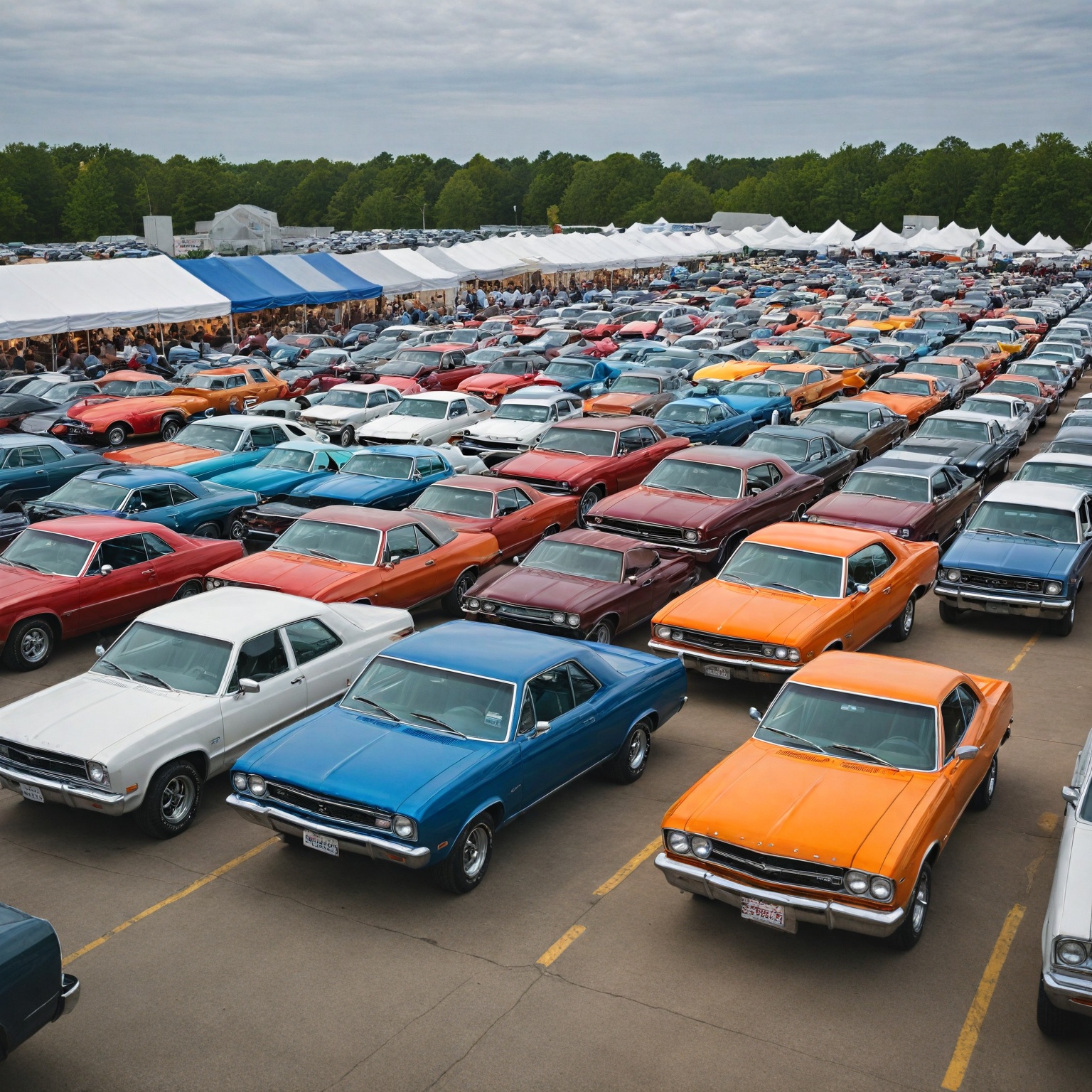
Car auctions in Michigan operate through various formats, catering to different types of buyers including dealers, mechanics, and the general public. Traditional in-person auctions, such as the Pontiac Public Auto Auction in Pontiac, Michigan, function like most auctions where bidders compete until only one remains, securing the vehicle. These events often provide a full day’s activities, offering attendees the opportunity to inspect cars closely and engage with other buyers. Michigan hosts both public and dealer-only auctions. Dealer-only auctions restrict participation to licensed dealers, dismantlers, out-of-state automotive businesses, and vehicle exporters. These auctions typically focus on clean title vehicles and require bidders to hold specific credentials to participate. On the other hand, some auctions welcome the general public alongside licensed dealers, allowing broader access provided the bidder registers beforehand.
The rise of online auction platforms has also impacted the Michigan market. These 100% online marketplaces offer access to wholesale, wrecked, lightly damaged, repairable, and salvage title vehicles without requiring a dealer’s license. Buyers on these platforms benefit from wholesale prices similar to those available to dealers, effectively eliminating the middleman.
Licensing Requirements for Buyers
In Michigan, buyers interested in participating in car auctions must meet specific licensing requirements depending on the type of vehicles they intend to purchase. Generally, auctions are divided into public and dealer-only events, with dealer-only auctions restricting bidding privileges to licensed dealers, dismantlers, out-of-state automotive businesses, and vehicle exporters.
To legally buy and sell vehicles, a dealer license is mandatory if an individual or business engages in activities involving five or more vehicles within a 12-month period. These activities include buying, selling, brokering, leasing, negotiating leases, or dealing in vehicles that require titles, such as motor vehicles, trailer coaches, and trailers weighing over 2,500 pounds. This also applies to purchasing, selling, or brokering salvageable parts of five or more vehicles or acquiring five or more vehicles to sell parts or scrap.
The process to obtain a Michigan vehicle dealer license requires submitting an application to the Secretary of State through the Department of Licensing and Regulatory Affairs. The application fee is $160, and dealers must purchase a minimum of two dealer plates at $10 each. Upon application submission, the Department schedules an inspection of the dealer’s property. If the inspection is successful, a license is issued. The approval process typically takes about 30 days.
For buyers specifically interested in purchasing salvage vehicles or salvageable parts, a separate Salvage Vehicle Agent (SVA) license is required. This license permits authorized agents—who may be dealer principals or employees acting within their employment scope—to buy distressed vehicles, scrap vehicles, or major components at auctions or salvage pools in Michigan. No business may conduct salvage vehicle transactions before the agent license is issued, and the license is automatically canceled if the agent’s employment ends or the dealer license is terminated. Both dealer and salvage agent licenses must be renewed together annually.
Additionally, some Michigan salvage auctions require buyers to have a BID card, a buyer identification card necessary for purchasing salvage-titled vehicles. This requirement mostly applies to in-state dealers or Salvage Vehicle Agents, though certain platforms may extend the BID card rule to out-of-state dealers as well. However, enforcement varies among auction platforms such as Copart and IAA, sometimes leading to confusion for out-of-state buyers.
Eligibility Requirements for Licenses
To obtain a motor vehicle dealer license in Michigan, applicants must fulfill several eligibility requirements designed to ensure compliance with state laws and protect consumers. First and foremost, all new and used vehicle dealerships must secure a Michigan surety bond before submitting their license application. This bond, typically set at $25,000, provides financial protection to the public and the state against any misconduct by the dealership, such as selling vehicles without valid titles.
Applicants are required to complete a detailed application through the Michigan Department of Licensing and Regulatory Affairs (LARA) and submit it to the Secretary of State. This application process involves an investigation into the applicant’s qualifications, which the Secretary of State must complete within 15 days of receiving the application. This investigation assesses compliance with the Michigan Vehicle Code, dealer functions, and adherence to all relevant rules and manuals provided by the department.
Different classes of licenses exist, including Class A, B, C, D, E, and R, each with specific compatibility and training requirements. For example, Class B license applicants must complete pre-licensing training at least 90 days before obtaining the license. This training covers legal requirements, dealer responsibilities, and the use of Secretary of State CARS e-Services. Additionally, Class A and B dealers must maintain a minimum of 30 business hours per week, generally Monday through Friday.
Business structure details are also scrutinized during the licensing process. Limited Liability Companies (LLCs) must provide information for all managers, and applicants must list the specific days and hours of business operation. Moreover, applicants must disclose their vehicle-related business history for the past five years, including any previous dealer or salesperson licenses held.
Finally, employees and owners must provide proof of their employment or ownership status, such as recent IRS forms W-2 or W-4, to verify their relationship with the business. This requirement helps maintain transparency and accountability within the dealership operation.
For assistance in obtaining the required vehicle dealer surety bond, applicants can contact the Michigan Automobile Dealers Association’s Dealers Insurance Agency, which provides guidance on the bonding process.
Application Process for Licenses
In Michigan, individuals or businesses seeking to operate as car dealers or salvage vehicle agents must obtain the appropriate dealer license from the Secretary of State. The application process involves submitting a detailed application form, which can be completed either online or via mail, and includes providing specific information about the business location, hours of operation, and ownership or management details.
Applicants are required to pay a non-refundable application fee of $160, and purchase at least two dealer plates at $10 each. In addition to the application fee, new and used car dealers, as well as brokers, must secure a $25,000 surety bond, with premium rates typically around $250 depending on the applicant’s credit score. Used car dealer applicants are also mandated to complete a pre-license training course within six months prior to submitting their application, with training schedules available through the Michigan Department of State.
Once the application is submitted, the Department of State schedules an inspection of the business location to ensure compliance with established place of business requirements. This inspection must be successfully passed before a license is issued. The applicant must certify that each retail sales location has at least one employee who has completed the dealer training program as required by state law.
Additionally, dealers engaging in vehicle dismantling or dealing in used or secondhand vehicle parts must provide evidence of workers’ compensation insurance for employees classified as automobile dismantlers. Salvage vehicle agents must submit a separate Salvage Vehicle Agent License application, which requires annual renewal and expires concurrently with the associated dealer license.
Failure to submit a complete application or missing required documentation will delay the processing time, which can take up to 30 days. Applicants are advised to carefully review all requirements and maintain proper records to prevent unauthorized use of their dealer license number. Renewal of licenses must be performed annually, with fees varying by license type, and late renewals may incur penalties or suspensions.
Fees and Costs Associated with Licensing
Applicants seeking a motor vehicle dealer license in Michigan must be prepared to cover several fees and costs associated with the licensing process. The initial application fee for a dealer license is $160, which is required at the time of submission. In addition to this, applicants must purchase at least two dealer plates, each costing $10, with eligibility for additional plates determined by inventory size—one plate per five vehicles up to 400 vehicles.
A mandatory Michigan surety bond of $25,000 is also required before submitting the application. This bond serves as financial protection for both the state and consumers, ensuring dealers meet their legal and professional obligations. While the bond amount is $25,000, applicants only pay a premium, which is a fraction of the total bond value. For assistance in obtaining the bond, applicants can contact the Michigan Automobile Dealers Association’s Dealers Insurance Agency.
Beyond the initial fees, dealers must pay annual renewal fees that vary depending on the type of dealer license held. Failure to renew on time may result in penalties or even suspension of the license. Certain license types, such as the Salvage Vehicle Agent License, require submission of a specific application form (AR-0188) and annual renewal as well.
Participation in Michigan Car Auctions
Participation in Michigan car auctions varies depending on the type of auction and the status of the bidder. Many auctions, such as the Pontiac Public Auto Auction in Pontiac, Michigan, operate like traditional auctions where bidders compete until a single winner emerges. However, some auctions are restricted exclusively to licensed dealers, dismantlers, out-of-state automotive businesses, and vehicle exporters, limiting access to the general public and unlicensed individuals.
To bid at these dealer-only auctions, participants must possess a valid dealer license or a Salvage Vehicle Agent (SVA) license if purchasing salvage vehicles. The SVA license is specifically required to buy salvage or distressed vehicles through auctions and salvage pools, and it is only available to approved businesses. Public buyers without such licenses cannot directly access salvage vehicle auctions. Furthermore, some auctions require a BID card—a buyer identification card necessary to purchase salvage-titled vehicles—which typically applies to in-state dealers or licensed salvage vehicle agents but may also extend to out-of-state dealers.
In contrast, some auctions are open to everyone, including dealers, mechanics, and the general public, provided they register before bidding. Registration is a prerequisite to participate and ensures that only authorized individuals engage in the auction process. Participants must also comply with measures designed to prevent unauthorized use of dealer license numbers, including proper completion of paperwork, police book entries, and inventory control.
It is important to note that Michigan law imposes strict licensing requirements for vehicle sales. Selling more than five vehicles in a year without a dealer license is illegal and considered a misdemeanor. Violations can result in fines up to $5,000 for a first offense and $7,500 for subsequent offenses, underscoring the necessity for proper licensing before engaging in frequent vehicle sales at auctions.
Finally, when selling a vehicle to a non-dealer, licensed dealers must apply for title and registration on the purchaser’s behalf within 21 days of delivery, using the Michigan Application for Title and Registration (form RD-108). Upon processing, a transaction receipt (form RD-108L) is generated by the Secretary of State office to confirm the transaction. This procedural requirement ensures compliance with state regulations governing vehicle transfers resulting from auction sales.
Legal Restrictions and Conditions for Unlicensed Buyers
In Michigan, individuals who are not licensed vehicle dealers face specific legal restrictions and conditions when participating in car auctions or engaging in vehicle sales. Notably, private sellers and buyers may buy and sell up to five motor vehicles within a rolling 12-month period without the need to obtain a dealer license. This provision allows occasional vehicle transactions without formal licensing requirements, but exceeding this limit subjects individuals to penalties and legal consequences.
Operating as an unlicensed dealer by selling more than five vehicles in a 12-month span is considered a misdemeanor under Michigan law. The Secretary of State can impose fines reaching up to $5,000 for a first violation and up to $7,500 for subsequent violations. Therefore, it is critical for unlicensed buyers and sellers to track their vehicle sales carefully to avoid inadvertently breaching this threshold.
Many vehicle auctions impose additional conditions based on dealer licensing. Certain auctions are restricted to licensed dealers, dismantlers, out-of-state automotive businesses, and vehicle exporters only, preventing unlicensed individuals from bidding. However, not all auction platforms enforce these rules uniformly. Some platforms, like Copart and IAA, have varied eligibility criteria, creating potential confusion for out-of-state buyers regarding whether a BID card or dealer license is required to participate.
To navigate these restrictions, unlicensed buyers often use reputable and legitimate marketplaces or auctions that accommodate private individuals, such as Twin Cities Auctions, which offer alternatives for buying and selling vehicles without a dealer license. Additionally, some platforms provide “Buy It Now” options that allow instant purchase of vehicles at preset prices, bypassing traditional bidding processes and potentially simplifying transactions for unlicensed buyers.
Challenges Faced by Buyers
Buyers interested in participating in Michigan car auctions face several challenges related to licensing requirements and regulatory compliance. One significant obstacle is the necessity for a valid dealer license to purchase vehicles from auctions or salvage pools. Only licensed dealers or salvage vehicle agents are authorized to buy distressed late-model vehicles or salvageable parts through these channels, making it difficult for private buyers to access certain auction inventory without proper credentials.
Obtaining a dealer license in Michigan involves a complex and time-consuming process. Applicants must submit a detailed application form prescribed by the Secretary of State, which includes providing a physical business location that meets established place-of-business requirements. The application process can take up to 30 days and requires full documentation submission to avoid delays. Additionally, applicants must pay a non-refundable $160 application fee and secure a $25,000 surety bond, which incurs an annual premium typically around $250 depending on credit history.
New and used vehicle dealers are also mandated to complete pre-license training within six months prior to application submission. This training aims to ensure applicants understand the relevant laws, dealer manuals, and regulations governing vehicle sales in Michigan. Moreover, licensed dealers must maintain a minimum of 30 business hours per week, establish proper inventory control, and prevent unauthorized use of their dealer license number through accurate paperwork and record-keeping.
Private individuals face limitations on how many vehicles they can sell without a dealer license. Michigan law permits the sale of up to five motor vehicles per rolling 12-month period by private sellers. Exceeding this limit without proper licensing subjects individuals to fines up to $5,000 for a first offense and $7,500 for subsequent violations. Operating as an unlicensed dealer is considered a misdemeanor and can result in prosecution by the Secretary of State.
Finally
Tips and Best Practices for Prospective Buyers
Prospective buyers interested in Michigan car auctions should consider several important tips and best practices to navigate the process effectively. One key recommendation is to evaluate your long-term goals. If you frequently approach the five-vehicle purchase limit, it may be advantageous to explore obtaining a dealer license, which allows for greater purchasing flexibility and access to dealer-only auctions.
When participating in auctions, it is essential to use reputable platforms and marketplaces. Trusted sources such as Twin Cities Auctions provide legitimate environments for buying and selling vehicles, helping to ensure a secure transaction. Additionally, some auctions offer a “Buy It Now” option, enabling buyers to bypass the pre-bidding and live auction phases by instantly purchasing vehicles at a preset price. This option provides convenience and may help secure a desired vehicle without the uncertainty of bidding wars.
For those pursuing a dealer license, attention to detail during the application process is crucial. The business location must meet established requirements, and applications can take up to 30 days to process. Submitting a complete application, including all necessary documentation, is essential to avoid delays. The Michigan Department of Licensing and Regulatory Affairs handles these applications, and the process can be completed online for convenience.
Understanding auction eligibility is also important. Some auctions are restricted to licensed dealers, dismantlers, out-of-state automotive businesses, and vehicle exporters, meaning that only those with the proper credentials can bid. For specialized endorsements, such as the mobility dealer endorsement, eligibility is limited to licensed used or secondhand vehicle dealers, and specific application procedures must be followed as prescribed by the Secretary of State.
By following these guidelines—evaluating licensing needs, using reputable auction platforms, considering instant purchase options, and ensuring compliance with application requirements—prospective buyers can optimize their experience in Michigan car auctions and avoid common pitfalls.
Regulatory Framework and Consumer Protections
Michigan’s regulatory framework governing vehicle sales is designed to ensure a fair marketplace and protect consumers from fraudulent or unscrupulous practices. Central to this framework is the requirement that individuals or businesses engaging in the buying, selling, or dealing of vehicles must comply with licensing regulations set forth by the Michigan Vehicle Code. Only licensed used or secondhand vehicle dealers are eligible to operate legally, including obtaining specialized endorsements such as the mobility dealer endorsement, which requires a separate application and approval by the secretary of state.
A key component of the regulatory system is the dealer license application process. Applications must be submitted on prescribed forms signed by the applicant and include all information deemed necessary by the secretary of state. Compliance with the act’s rules, dealer manuals, and related departmental materials is mandatory for applicants. Furthermore, the secretary of state is authorized to investigate and prosecute individuals or entities operating as salvage vehicle agents or dealers without the appropriate licenses, ensuring enforcement against unauthorized business activities.
To protect consumers and uphold dealer obligations, Michigan mandates motor vehicle dealer surety bonds. These bonds serve as financial guarantees that dealers will fulfill their legal and professional duties. For example, if a dealer sells a vehicle without a valid title, the bond provides recourse for affected clients who can file claims against the dealer’s bond. This surety bond requirement is a critical consumer protection measure, preventing potential losses and encouraging dealer accountability.
The regulatory framework also includes stringent measures to prevent misuse of dealer license numbers and to maintain proper documentation. Dealers are required to ensure accurate completion of paperwork, maintain police book entries, keep temporary registration logs, and implement effective inventory control and inspection of auction sales. These procedural safeguards help reduce unauthorized transactions and maintain transparency in vehicle sales.
Resources and Contacts
For individuals and businesses seeking to obtain a vehicle dealer license in Michigan, several resources and contact points are available to assist throughout the application and licensing process. The Michigan Department of State, specifically the Business Licensing and Regulation Division, oversees the licensing and regulation of vehicle dealers and is the primary authority for submitting applications and inquiries. Applications should be mailed to the Michigan Department of State, Bureau of Regulatory Services, Business Licensing and Regulation Division in Lansing, MI 48918, or can be submitted online for convenience. The processing of these applications can take up to 30 days, and incomplete submissions may cause delays.
The Michigan Automobile Dealers Association (MADA) provides dedicated support for franchised new car and truck dealers (Class A), offering assistance with licensing requirements and answering common questions from dealers. They encourage dealers to contact their office at (800) 292-1923 for personalized help, noting that application review and processing typically requires 30 to 45 days.
For questions related to mobility dealer endorsements, eligibility is restricted to licensed used or secondhand vehicle dealers, and the Secretary of State prescribes the specific application requirements, including mandatory applicant signatures. Additionally, those involved in salvage vehicle agent businesses must provide detailed employment history and documentation, such as recent IRS forms demonstrating their business relationship status.
For general inquiries and further assistance regarding dealer licensing, the Michigan Department of State’s Business Licensing Section can be reached at 888-767-6424 or via email at [email protected]. These contacts provide vital support for navigating Michigan’s dealer licensing process and ensuring compliance with all regulatory requirements.
The content is provided by Blake Sterling, Gear Shift Zone