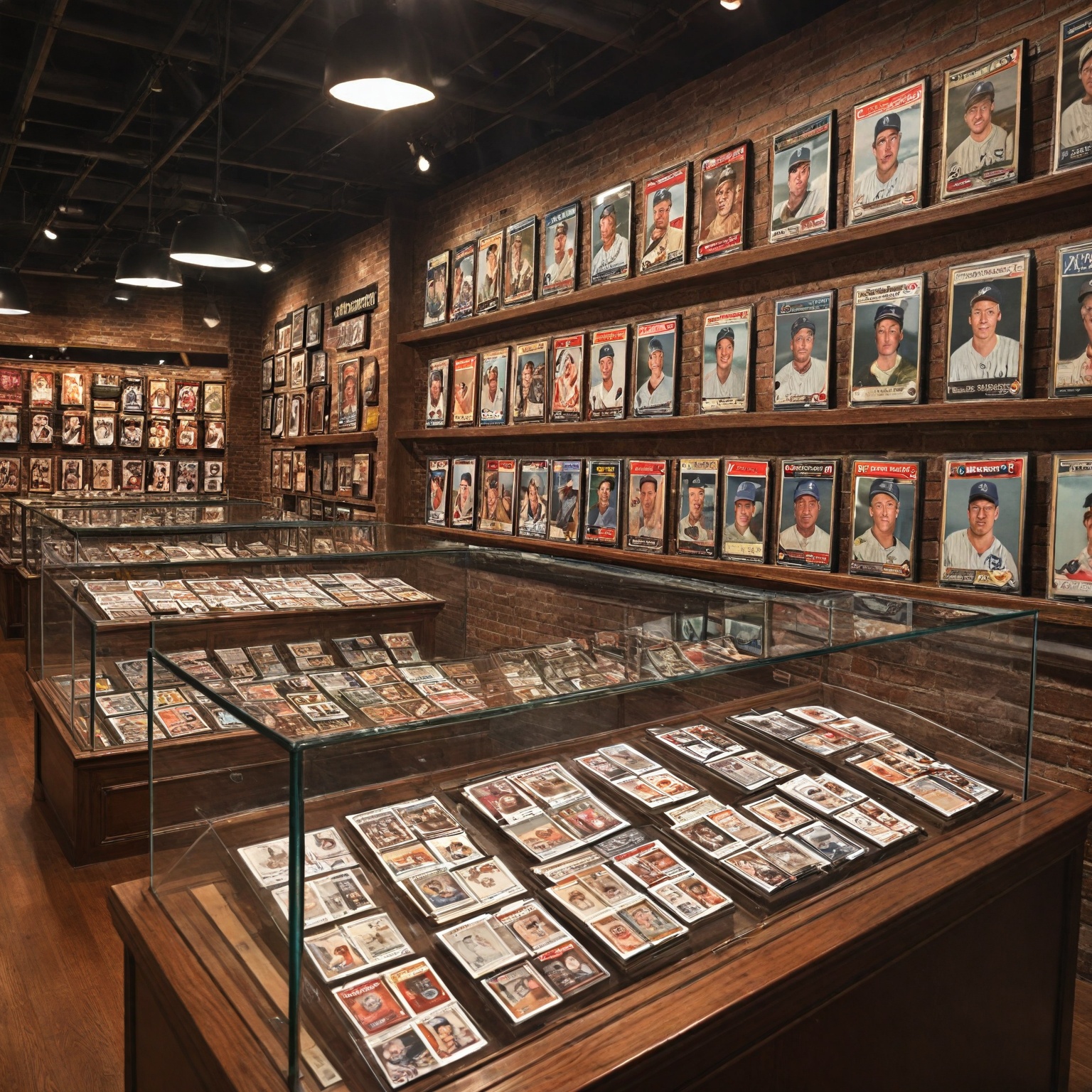
Highlights
- Discover the lucrative world of baseball cards, where rarity drives extraordinary market values.
- Engage with legendary figures like Honus Wagner and Mickey Mantle through these timeless collectibles.
Summary
The top 10 most expensive baseball cards are prized for their rarity, historical importance, player legacy, and condition. Mostly from the early 20th century, they feature legends like Honus Wagner, Mickey Mantle, and Babe Ruth, with one modern card—Mike Trout’s 2009 Bowman Chrome Superfractor—highlighting ongoing collector interest. Scarcity, professional grading, and condition ratings greatly influence their value, with high-grade cards fetching millions at auction. These sales have elevated baseball cards as investment assets, despite challenges like grading inconsistencies, 1990s market oversaturation, and player controversies. The cards symbolize the cultural and financial significance of baseball card collecting.
History and Market Evolution
Baseball cards originated in the mid-19th century alongside the rise of baseball, initially produced by tobacco companies in the 1880s. Card production evolved from black-and-white illustrations to colorful photographs by the mid-20th century, with sets like the 1948 Leaf marking quality improvements. Iconic cards such as the T206 Honus Wagner became highly valuable due to rarity and player prominence.
The 1990s saw market oversaturation with mass-produced cards, diminishing many values except for select high-end issues. The introduction of professional grading services like PSA, BGS, and SGC revitalized the market by standardizing condition assessments, increasing buyer confidence and liquidity. Today, baseball card collecting remains a vibrant hobby blending nostalgia, history, and investment.
Factors Influencing Card Value
Card value depends on rarity, condition, grading, historical significance, and special features like autographs or memorabilia. Limited print runs and short prints enhance scarcity, as seen with the T206 Honus Wagner and 1964 Topps Sandy Koufax cards. Condition is assessed on a 1-to-10 scale by professional graders, with high grades dramatically increasing value—e.g., a 1952 Topps Mickey Mantle graded SGC 9.5 sold for $12.6 million.
Player legacy also matters; cards of culturally significant players like Jackie Robinson command premiums. Rookie, autograph, and memorabilia cards are especially valuable, with vintage (pre-1980s) cards generally worth more due to scarcity. Market dynamics, including supply and demand and grading impact, influence overall values.
Top 10 Most Expensive Baseball Cards
The most valuable cards are primarily vintage, with only a few modern exceptions. The 1909-1911 T206 Honus Wagner is the most famous, valued for extreme rarity and Wagner’s objection to its production. It sold for $7.25 million in 2021. The 1952 Topps Mickey Mantle card, known for its iconic design, sold for $12.6 million in 2022. Babe Ruth cards, including his 1914 Baltimore News and 1916 rookie cards, have also fetched multi-million-dollar prices.
Modern highlights include Mike Trout’s 2009 Bowman Chrome Superfractor, which sold for $1.45 million in 2021, and Derek Jeter’s 1993 SP Foil rookie card, valued at nearly $400,000. Other notable high-value cards include the 1916 M101-5 Sporting News Babe Ruth and the 1987 Topps Barry Bonds rookie card.
Notable Sales and Auctions
Record sales like the 1952 Topps Mickey Mantle card, which sold for $5.2 million in 2021, exemplify the hobby’s peak values. High-grade cards graded by PSA and SGC command premium prices, with auctions acting as market benchmarks. Despite the early 1990s oversaturation causing declines in many card values, high-quality graded cards continue to attract multimillion-dollar bids, fueling ongoing investment and collector enthusiasm.
Market Trends and Collector Behavior
Collector willingness to pay premium prices sustains high market values, though fewer new young collectors are entering the hobby, potentially impacting future growth. Quality and grading remain crucial, with buyers prioritizing cards that meet strict condition standards. Online platforms like eBay have expanded market access, enabling transactions across all price levels and maintaining liquidity. Historic cards like the Honus Wagner T206 maintain strong demand despite condition issues, underscoring rarity and legacy as key drivers.
Impact on the Sports Memorabilia Market
High-value baseball cards, especially graded high-quality examples like the 1952 Topps Mickey Mantle, have elevated the sports memorabilia market. Premium grading and provenance drive prices, with online marketplaces facilitating broad participation. While player controversies affect some card values, high-grade rookie cards of iconic players consistently perform well, affirming baseball cards as both nostalgic collectibles and legitimate investment assets.
Controversies and Challenges
Grading disputes significantly affect card values, as higher grades yield exponentially greater prices. The 1990s market oversaturation diminished many card values, pushing casual collectors away. Player scandals related to steroids and personal issues have also impacted card desirability and value. Additionally, folklore such as Honus Wagner’s alleged objection to his card’s production adds complexity to valuation. These factors illustrate the multifaceted challenges influencing baseball card collecting and valuation.
The content is provided by Sierra Knightley, Gear Shift Zone