Summary
“Unlocking India: Essential Tips and Truths for Foreign Travelers” is a comprehensive guide that provides essential information for foreign tourists planning to visit India. India’s diverse culture, rich heritage, and stunning landscapes have made it a popular destination for tourists globally. This guide includes information on various aspects of travelling in India, such as food safety, local customs, visa procedures, and the importance of sustainable tourism. Notably, the guide highlights the crucial role of tourism in the Indian economy, expected to contribute significantly to India’s GDP by 2030. The guide also addresses safety concerns and potential scams that foreign tourists may encounter and provides practical advice on how to navigate these situations. Despite these challenges, the guide encourages travelers to explore the diversity and vibrancy of India while emphasizing respect for local customs and the environment.
Overview of Tourism in India
Tourism in India is an essential component of the country’s economy, acting as a key driver for economic growth and job creation. The National Strategy for Sustainable Tourism, formulated by the Ministry of Tourism in 2022, sought to mainstream sustainability in the Indian tourism sector. This approach aims to establish more resilient, inclusive, carbon-neutral, and resource-efficient tourism, while simultaneously safeguarding the country’s natural and cultural resources.
A growing trend in India’s tourism industry is the rise of sustainable tourism projects, run by individuals inspired to create fair partnerships with local communities and maintain a conscious approach to their environmental impact. These responsible travel companies, such as India Untravelled, provide curated homestay experiences in various regions across India, including Uttarakhand, Ladakh, Kerala, and more.
India offers a diverse and enriching experience for every traveler, presenting a kaleidoscope of traditions, flavors, and landscapes. A memorable journey in India requires an open mind, respect for local customs, and a spirit of adventure. However, the rise of tourism also brings challenges to the country’s cultural preservation. For instance, popular attractions like the Jaisalmer Fort face structural conservation issues due to an overabundance of tourists.
Aside from cultural tourism, adventure tourism is also prevalent, especially among foreign tourists. Activities such as river rafting, cable car rides, paragliding, mountain pass riding, camping, and trekking are commonly preferred by adrenaline-seeking travelers. Indian cuisine, notably from the colorful north-east region, is a consistent stimulant for the taste buds of foreign visitors. Shimla, for example, is a favored destination for tourists of all age groups.
Detailed Travel Guide for Foreign Travelers Visiting India
Foreign travelers should be aware of the food and water standards in India, which may vary based on the destination and type of activity (e.g., hiking versus business trip). In addition, while vaccines can offer some level of protection, they cannot safeguard against all diseases prevalent in India. Travelers must therefore observe good health behaviors, avoid bug bites and practice safe food and drink choices.
People visiting India for medical purposes should have the correct “medical” visa and should not delay or avoid treatment for urgent or emergent medical situations. Despite reports of antibiotic-resistant bacteria in hospitals, individuals considering elective procedures should thoroughly research the infection control practices of individual hospitals.
With regards to travel safety, increased caution is advised due to crime and terrorism in some areas. The Line of Control (LOC) between India and Pakistan is an area particularly prone to violence. Some areas like the union territory of Jammu and Kashmir, with the exception of the eastern Ladakh region and its capital, Leh, are not advised for travel due to terrorism and civil unrest.
Travelers are advised to enroll in the Smart Traveler Enrollment Program (STEP) to receive alerts and make it easier to locate them in an emergency. In areas where violence happens sporadically, such as the tourist spots in the Kashmir Valley, the Indian government does not allow foreign tourists to visit certain areas along the LOC.
Planning your activities beforehand and booking your trip with the help of local travel agents or travel brokers at your hotels can be beneficial, especially in acquiring tickets for buses, trains and attractions. Also, it’s crucial to be prepared with antibiotics for gastrointestinal bacteria and make sure you’re up to date with any travel vaccinations before you go, such as typhoid and tetanus.
Exploring India’s Rich Cultural and Geographical Diversity
India’s cultural and geographical diversity is known worldwide for its depth and vibrancy. Influenced by different religions, languages, and tribes, the local Indian culture is a colorful tapestry that has been woven over thousands of years.
Cultural Diversity
The most vibrant expression of India’s cultural diversity can be found in the numerous festivals celebrated across the country. Each festival is a unique thread adding to the rich fabric of Indian life, with India’s diverse array of religions, including Hinduism, Islam, Christianity, Sikhism, Buddhism, Jainism, and many others, contributing to this cultural mosaic. These festivals, divided into religious, seasonal, and national categories, do more than offer opportunities for celebration. They serve as a means to appreciate and embrace different cultures and religions and foster communal spirit among the diverse population. Despite their varied backgrounds, castes, and religions, Indians unite to celebrate festivals like Diwali, Holi, Christmas Day, and Eid. This celebration of diversity reinforces the unity and integrity of India.
Apart from festivals, Indian culture is also expressed through numerous rituals and customs. From simple practices like lighting incense and offering prayers at home shrines to elaborate ceremonies conducted in temples, these customs vary across different regions and religions. They inspire awe and admiration, fostering a sense of pride in the cultural heritage of India, and reinforcing the belief that some traditions are timeless and forever etched in the soul of the nation.
Geographical Diversity
India is the world’s seventh-largest country, stretching from the high mountains of the Himalayas to the tropical greenery of Kerala, and from the sacred Ganges to the sands of the Thar desert. This geographical diversity lends itself to a wide variety of destinations, from hill stations and beaches to spiritual places. Some of the must-visit tourist destinations in India include the Taj Mahal, Red Fort, and India Gate. For a quieter experience of India, the southwestern state of Kerala offers a subdued introduction to the country, with everything from wildlife sanctuaries like Periyar National Park to the manicured tea gardens of Munnar.
Responsible and Immersive Travel in India
Traveling responsibly in India involves observing certain practices and etiquettes to respect the local culture and environment. Despite the overwhelming signs of poverty that are often apparent in various locations in the country, travelers are encouraged to practice responsible tourism. This not only includes treating every aspect of the destination with respect but also endeavoring to make a positive impact on the local communities and environment.
One way of achieving this is by opting for locally run tours. These tours provide a richer experience for travelers, and they also contribute to the preservation of the local culture. By choosing locally run tours, travelers can help mitigate issues such as the structural conservation problems faced by the Jaisalmer Fort due to an overabundance of tourism.
Practicing responsible travel in India also means being aware of, and adhering to, the country’s social norms, cultural customs, and religious practices. This includes appropriate dressing, behavior, dining etiquette, and even the way locals are greeted. Understanding and adhering to these practices can help travelers build positive relationships with locals and immerse themselves more fully in the diverse Indian culture.
It is also important for travelers to understand that India is one of the world’s largest countries by land mass and population, offering a variety of cultures and landscapes. Traveling responsibly involves appreciating this diversity and taking the time to learn about the different cultures and customs that exist within the country. By doing so, travelers can navigate India’s vast cultural terrain with respect and enjoyment, which not only enriches their travel experience but also contributes to a more sustainable and responsible form of tourism.
Supporting Sustainable Tourism in India
Sustainable tourism in India encompasses a myriad of tourism projects which are designed to be conscious of their impact on the local environment and promote fair partnerships with local communities. Many of these projects are considered the best sustainable tourism examples in India. The overarching aim is to position India as a preferred global destination for sustainable and responsible tourism.
National Strategy for Sustainable Tourism
The National Strategy for Sustainable Tourism, formulated by the Ministry of Tourism in 2022, plays a pivotal role in achieving this aim. A significant aspect of the strategy includes safeguarding natural and cultural resources.
Volunteer Tourism
In addition to tourism policies, India has also adopted a volunteer approach to support sustainable tourism. There are several volunteer projects across India that offer the opportunity to make a significant difference for local communities.
Volunteers can contribute to public health, community development and other areas, all aimed at improving the lives of the local people. This can include planning and delivering workshops focused on enhancing the health and well-being of adults and children in the local community. Sustainable development internships are also available in various regions, including Kochi. Since 2008, such volunteering opportunities have increasingly become a significant component of India’s sustainable tourism framework.
Through this multifaceted approach, India is taking significant strides towards creating a sustainable, responsible, and resilient tourism sector that benefits the economy, society, and the environment, aligning with global Goals 8, 12 and 14 on inclusive and sustainable economic growth, sustainable consumption and production, and the sustainable use of oceans and marine resources.
Understanding Visa Requirements and Procedures for Foreign Travelers
Travelers to India, whether for medical, humanitarian, or business purposes, can have their visa processing expedited depending on their circumstance. Regardless of the reason for travel, all foreign travelers entering India must possess a visa. There are a couple of options for travelers: they can use a traditional visa, which for U.S. citizens is valid for 10 years, or an e-tourist visa with varying validity.
The Indian government issues visas using the DD/MM/YY date format. It should be noted that travelers from regions known to be infected with yellow fever are required to have a yellow fever vaccination. There are suggestions for other vaccinations as well. Travelers are also required to declare any currency over USD $5,000 upon entry into India.
The Indian authorities offer the e-Business Visa which is valid for 365 days from the date of the grant of the Electronic Travel Authorization (ETA), allowing multiple entries. Visitors can stay continuously during each visit for up to 180 days without the need for registration. However, if a foreigner intends to stay for more than 180 days, they must register with the Foreigners Regional Registration Office (FRRO) or the Foreigners Registration Office (FRO) within two weeks after the expiry of 180 days of arrival in India.
The e-Visa fee is non-refundable as the fee goes towards the processing of the application and not the approval or rejection of the ETA. Applicants must bring a copy of their ETA when traveling and confirm that the ETA status is ‘GRANTED’ on the relevant website before starting their journey. Upon arrival in India, the biometric details of the applicant are captured at immigration. The e-Visa is non-extendable, non-convertible, and not valid for visiting protected/restricted and cantonment areas.
Application for both regular/paper visa and eVisa can be made online. Visa on Arrival is available for nationals of Japan, South Korea, and the UAE (only for those who had earlier obtained an e-Visa or regular/paper visa for India) at selected airports. The government of India has not authorized any agent or intermediary to charge a fee for the facilitation of emergency/express Visa/eVisa. Only categories exempted under bilateral arrangements may not need a visa. For persons of Indian origin (all categories), an Overseas Citizenship of India (OCI) card is mandatory.
Celebrating India’s Culinary Diversity
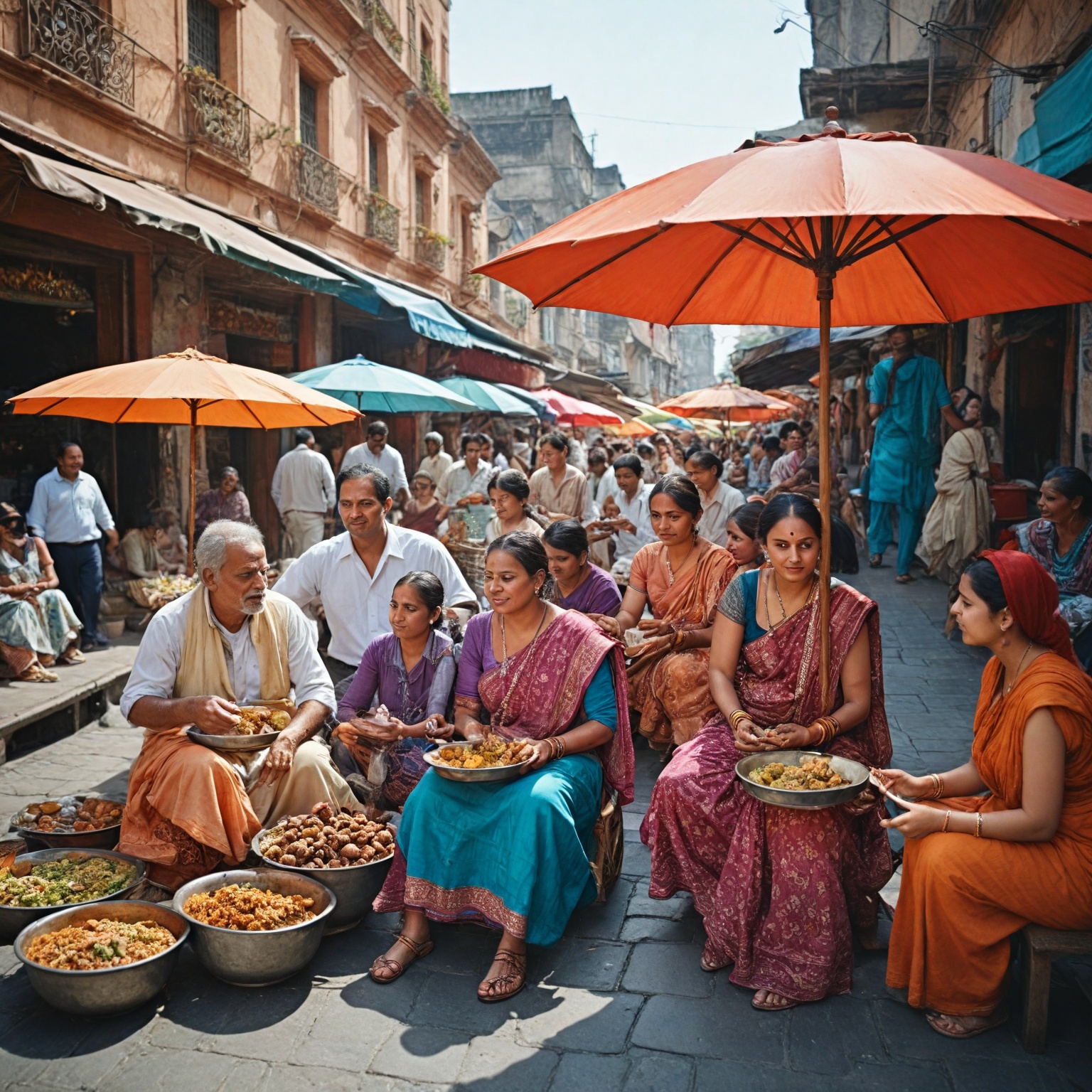
In their journey across India, travelers can savor the myriad of flavors that reflect the country’s kaleidoscope of traditions and landscapes. North-East Indian cuisine, with its colorful array of dishes, has been particularly noted for stimulating the taste buds of Western travelers. The rich tapestry of Indian culture, shaped by its diverse religions, languages, tribes, and foreign influences, is intricately woven into its cuisine. A key part of exploring India’s cultural heritage involves savoring its diverse culinary offerings.
Kerala, a state in southwestern India, provides a unique culinary experience. Despite its small size, it offers everything on a traveler’s wish list, from wildlife sanctuaries to manicured tea gardens. The state’s cuisine reflects its serene environment and is a change of pace from the bustling northern regions of India.
Festivals in India are also occasions to celebrate its culinary diversity. Diwali, for instance, celebrated predominantly in Northern India, is a time for indulging in traditional sweets and dishes. South Indians celebrate the occasion with their distinct culinary traditions, marking the defeat of the monster Narakasura by Lord Krishna.
Navigating Scams and Safety Concerns for Foreign Travelers
Foreign travelers navigating India may encounter a variety of safety concerns and potential scams, particularly within the travel and hospitality sector. Experienced travelers advise maintaining a healthy level of skepticism to avoid falling victim to unscrupulous individuals who may take advantage of first-time visitors.
Food and water safety is another area that requires attention from travelers. Despite the availability of vaccinations against certain diseases, they cannot fully protect from all illnesses prevalent in India. Therefore, conscious behaviors concerning food and water consumption are of paramount importance. For example, it is recommended to avoid consuming shakes and lassis from street food stalls on hot days due to the risk of gastrointestinal bacterial infections. Carrying antibiotics, anti-nausea tablets, and Gastro-Stop, and ensuring up-to-date travel vaccinations such as typhoid and tetanus are advisable.
Certain diseases in India, such as dengue, Zika, filariasis, and leishmaniasis, are spread by bugs and cannot be prevented with a vaccine. Therefore, taking steps to avoid bug bites, especially when engaged in outdoor activities, can contribute to safe and healthy travel. Moreover, as the standards of food and water vary across destinations and within the country, it’s recommended to learn more about safe food and drink choices when traveling.
Lastly, foreign travelers are advised to take necessary precautions with online ticket purchases. Instances of foreign cards not being accepted on ticketing websites for major attractions such as the Taj Mahal have been reported. In such cases, tickets can be proc
The Impact and Future of Tourism in India
Tourism significantly contributes to India’s economy as a primary driver of economic growth and employment. The sector has demonstrated robust growth potential, with forecasts predicting a 7-9% CAGR increase over the coming decade. By 2030, tourism is projected to contribute $250 Bn to India’s GDP, with foreign exchange earnings anticipated to reach $56 Bn and foreign arrivals up to 25 Mn. Such growth is expected to generate approximately 137 million job opportunities.
The Indian government recognizes the role of tourism in economic development and is committed to realizing its potential sustainably. A primary focus is on the preservation of tourist spots and wildlife-sensitive areas to ensure their longevity for future generations. These sustainability efforts align with the theme of World Tourism Day, Tourism and Green Investment, which emphasizes investment targeting people, the planet, and prosperity.
Sustainable tourism projects are distributed throughout India, spearheaded by inspiring individuals and operating in fair partnership with local communities. These initiatives are highly conscious of their environmental impact, making them some of the best examples of sustainable tourism in the country. They provide meaningful experiences for those wishing to explore and give back to India, with many programs readily available for booking.
India’s diverse and rich cultural heritage, combined with its complex traditions and practices, can make it a challenging destination for first-time foreign travelers. However, the vast crowds, perplexing bureaucracy, and cultural shock also make it an exciting and rewarding journey. There are numerous travel tips and advice available for first-time visitors to help smooth their experiences and enable them to fully appreciate the country’s unique charm. The commitment to sustainable tourism, the expected growth, and the government’s dedicated support underpin the bright future of tourism in India.