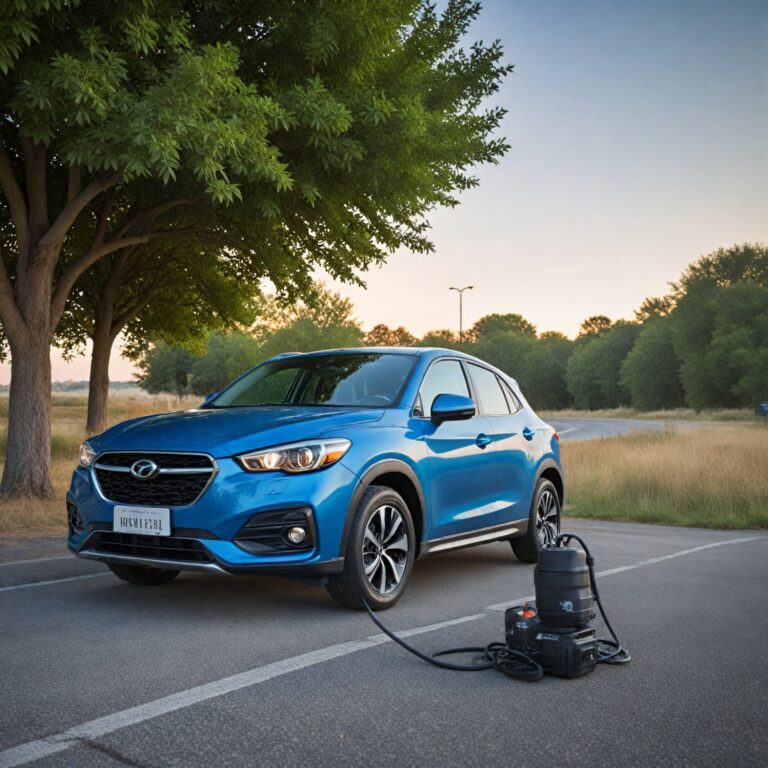
Unlock Your Car Maintenance Secrets: DIY Projects You Should Try and When to Call a Mechanic
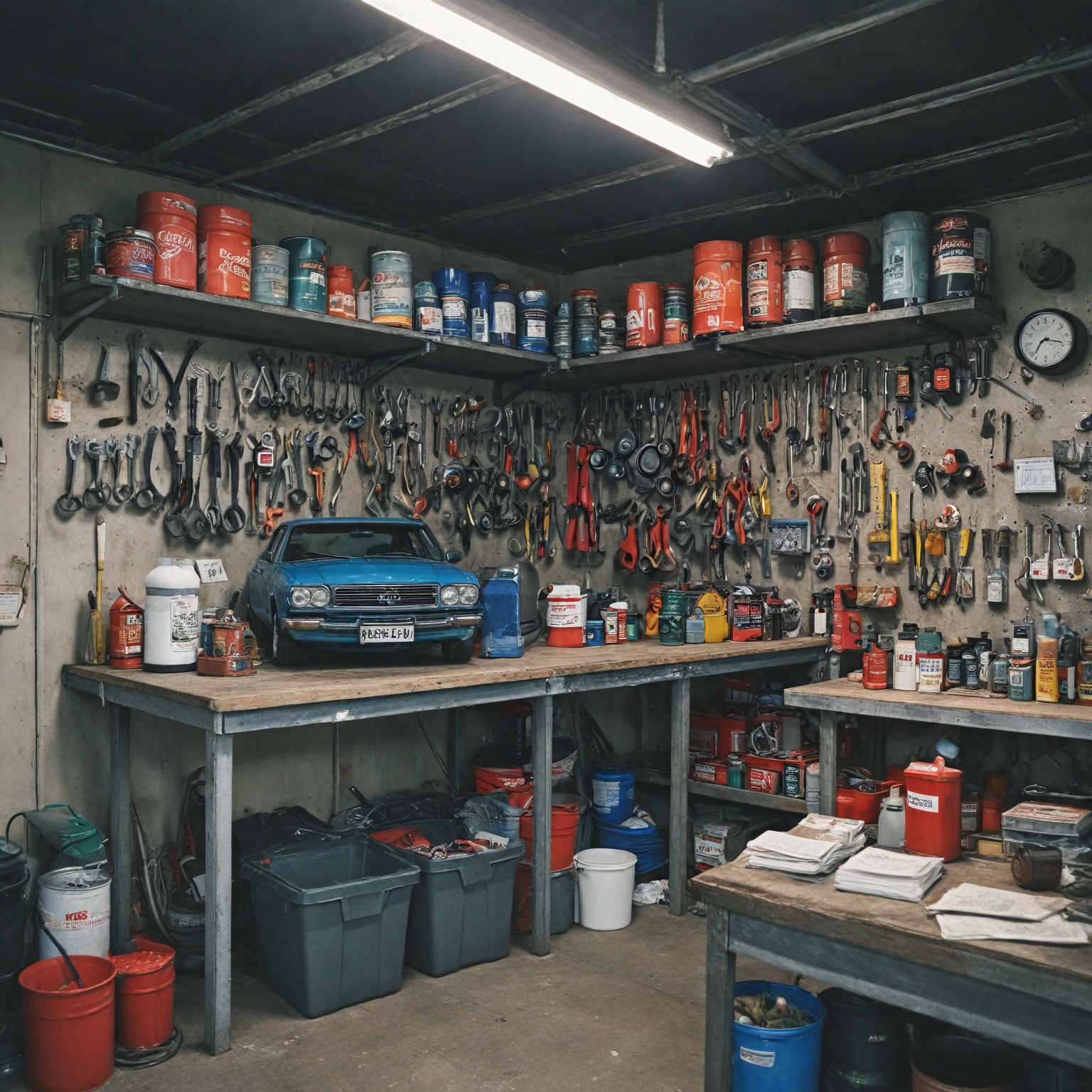
Summary
“Unlock Your Car Maintenance Secrets: DIY Projects You Should Try and When to Call a Mechanic” is a comprehensive guide aimed at helping car owners understand the significance of regular vehicle maintenance and basic DIY tasks they can perform. The guide emphasizes the importance of proactive maintenance in ensuring the longevity, performance, safety, and value of a vehicle. It introduces beginners to DIY car maintenance by providing an overview of essential tools and their applications, along with detailing basic maintenance tasks such as checking tire pressure and changing car oil.
The guide also addresses the importance of safety precautions when performing DIY maintenance and offers advice on the necessary protective gear to use. It further provides a list of necessary tools for DIY tasks, along with safety equipment recommendations. For those ready to tackle more advanced maintenance routines, the guide presents intermediate car maintenance tasks, emphasizing the importance of routine checks of essential car fluids, wiper and battery maintenance, and attention to diagnostic lights.
However, the guide acknowledges the limits of DIY car maintenance, cautioning against undertaking complex tasks that are better left to professionals, and dispels common misconceptions like the interchangeable use of any type of oil. The guide ultimately encourages readers to recognize their limitations and consult professionals when necessary, reminding them that while DIY maintenance can save money, safety should always be the primary concern. It concludes by emphasizing the importance of adhering to regular maintenance schedules to ensure vehicle longevity, performance, and safety.
The Importance of Car Maintenance
Regular maintenance is critical in retaining the value of your car, ensuring safety, and preventing costly repairs. By regularly scheduling check-ups, investing in quality parts, and keeping detailed records of all maintenance and repairs, car owners can demonstrate the care they have put into their vehicle. This proactive approach helps prevent significant damage, thus protecting the investment in the vehicle.
Car maintenance extends beyond the engine and includes checking and replacing safety components such as brake pads and windshield wipers. These preventative measures ensure safe driving conditions by identifying potential risks early. It is also an essential aspect of vehicle longevity and performance.
Adherence to a scheduled maintenance plan, including the manufacturer’s recommended service periods for filter replacements and oil changes, is integral to ensuring the longevity and peak performance of the vehicle. Catching minor issues early can prevent them from becoming major, expensive repairs, contributing to cost savings and road safety.
Car owners should be attentive to their vehicle’s needs and be aware of signs that might indicate the need for a visit to an automotive shop. Even intermittent or vague signals may indicate the beginning of a significant problem with the car. Regular maintenance helps prevent expensive mechanical repairs down the road and can boost the vehicle’s value when it’s time to sell or trade-in.
Maintaining a vehicle does require an investment of time and money, but the benefits are substantial. A well-maintained vehicle is less likely to experience sudden malfunctions that could lead to accidents, improving the safety of both the driver and the passengers. Regular maintenance can also contribute to improved fuel efficiency, leading to cost savings at the gas pump.
Beginners’ Guide to DIY Car Maintenance
DIY car maintenance can be a rewarding and cost-effective way to take care of your vehicle. It is important for beginners to have a thorough understanding of essential tools and their applications, as these will be vital in carrying out successful car maintenance. Whether you are working on the wheels, engine, or body of your car, having the right tools will make it significantly easier to complete your tasks. New DIYers will find having the correct tools extremely helpful when they are learning basic automotive maintenance.
Essential Tools for DIY Auto Maintenance
When embarking on your journey of DIY car maintenance, it’s crucial to have these 13 essential tools in your workshop to ensure your repair goes according to plan. One of the key tools is the torque wrench. Following a series of accidents involving wheels falling off vehicles in the late 1990s, mechanics recommend that nuts on a reinstalled wheel be checked for tightness after the first 50 miles of driving, a task which can be accomplished with a torque wrench.
Basic Maintenance Tasks
There are several basic car maintenance tasks that can be carried out by non-expert mechanics. These tasks are relatively simple and can save you money on service costs. One such task is checking and maintaining proper tire pressure, which helps improve fuel efficiency and tire longevity.
If you have a screw or nail in the tread of your tire, this can be addressed with a DIY repair. By jacking up the vehicle, pulling out the offending item, and using a plug kit and tire repair cement to fix the leak. However, it is important to note that if the air is leaking where the rubber meets the metal rim, this is a task best left to a mechanic.
Car oil changes are also a simple maintenance task that can be done at home with the right tools. An owner’s manual can be especially handy for locating parts or checking specifications like the suitable oil filter size.
When to Call a Mechanic
There are instances when it’s more appropriate to call a mechanic. If a tire is flat, it will need to be inspected by a tire repair shop to determine if it requires simple repair or replacement. Using a product like Fix-A-Flat can damage the tire, requiring replacement and potentially causing a mess that some tire shops will not want to deal with.
DIY car maintenance is not only a practical skill but also reduces the risk of unexpected breakdowns and enhances safety on the road. Regular maintenance can save you money on expensive repairs in the long run and help keep your vehicle in good working order.
Essential Safety Precautions for DIY Car Maintenance
Undertaking any DIY car maintenance or repair requires a keen emphasis on safety, both for the individual and the vehicle. It’s crucial to equip yourself with the right tools, methods, and safety equipment before starting. This includes safety glasses, automotive work gloves, disposable dust masks, and vehicle ramps and jack stands. It’s also important to understand what one can and cannot do, and what should and shouldn’t be touched. This means that one must be fully aware of the procedures and safety measures before diving into a project.
Working on a car engine specifically requires proper safety precautions to avoid injuries. Wearing goggles and gloves is highly recommended, as is ensuring the area around you is well-lit and free from potential hazards. If you are not familiar with car engines, it’s advisable to seek help from someone who is before attempting any repairs.
Dressing appropriately, essentially dressing for safety, is of paramount importance. It also means handling tools and equipment properly. This involves taking basic everyday precautions and following a checklist to ensure a safe and sanitary environment.
Despite the potential to save a lot of money with do-it-yourself maintenance and repair, one must always remember: safety first. Even the smartest of us can neglect certain safety precautions. Therefore, it’s important to always think clearly and make every safety measure a habit.
The job may require some care and possibly a special tool, but handy DIY-ers with some maintenance experience should be able to figure it out. However, it’s important to note that every car is different, so it’s always advisable to consult your owner’s manual or a professional mechanic when performing any maintenance or repairs.
Nonetheless, there are times when it’s best to consult a professional. Particularly when there’s even the slightest chance that something needs fixing or replacing. In such cases, ASE-certified auto mechanics, with their years of experience working on all types of vehicles, can accurately diagnose any problem your car may be having.
Necessary Tools and Equipment for DIY Car Maintenance
When working on any car maintenance project, having the right tools and equipment at hand is paramount. A well-equipped toolkit is the foundation of successful car maintenance. Whether you’re a new DIYer or a seasoned pro, equipping your workshop with essential tools for DIY auto maintenance can make the task easier and more efficient.
Safety Precautions and Equipment
Wearing appropriate protective equipment, such as safety glasses, automotive work gloves, latex rubber gloves, and disposable dust masks can help prevent injuries. Additionally, equipment like vehicle ramps and jack stands are vital to ensure safety while working under the car.
It is crucial to ensure that your working area is well lit and clear of any potential hazards. Moreover, having a paint respirator can come in handy when dealing with harmful chemicals or fumes.
Tools for Specific Tasks
Different tasks will require specific tools. For example, to perform an oil change effectively, safely, and without making a mess in the garage, you should be equipped with essential oil change tools. Furthermore, your car’s owner manual can provide specific instructions and the necessary tools required for your vehicle.
In addition to oil change tools, there are a range of do-it-yourself maintenance tasks such as monitoring tire health, tire rotation, and battery care, which require specific tools and knowledge. Having essential emergency tools like duct tape and jumper cables can prepare you for unexpected situations, making car maintenance a manageable and cost-effective endeavor.
Knowing how to maintain and repair your car can save you money on service costs. However, it’s important to know your limits and seek professional help when necessary.
Intermediate Car Maintenance Tasks for DIY Enthusiasts
Intermediate DIY car maintenance tasks are for those enthusiasts who have some basic understanding of their vehicle’s operational mechanisms and are ready to take on more challenging maintenance routines.
Essential Car Fluids
One of the most crucial tasks to keep a car running smoothly is to check and fill six essential car fluids. It’s good to have an owner’s manual handy when doing this maintenance, as it will provide specific instructions for your vehicle. The fluid checks include transmission fluid, which might require a professional’s help if your car doesn’t have a dipstick.
Wipers and Battery Maintenance
Vehicle maintenance also requires a keen eye on the windshield wipers, which need to be replaced about once every year or whenever their effectiveness is compromised. It’s also advisable to install winter wiper blades for optimum performance during winter months. Battery health is another critical aspect to look out for, given its vital role in the vehicle’s operations.
Brake and Diagnostic Light Checks
Paying attention to diagnostic lights is crucial for maintaining the vehicle’s performance. Should the light come on, accompanied by signs like poor response or strange noises, it’s time to visit a mechanic. Likewise, if your brakes are losing effectiveness and making strange noises, they may require maintenance work. Screeching or squealing indicates that brake pads are wearing out and need replacement. Shuddering or shaking brakes can suggest anything from poor brake pads to brake fluid problems or alignment issues, all of which need professional treatment.
Brake Pad and Battery Replacement
Changing the brake pad is a straightforward process, involving sliding out the old pad and clipping the new one in place. The process requires applying grease from the brake pad package to ensure proper lubrication and to prevent squeaking. Battery replacement is another manageable task for a DIY enthusiast.
Cabin Air Filter Replacement
The replacement of a cabin air filter is one of the simpler maintenance tasks a DIY enthusiast can undertake. A clogged cabin air filter can damage the vehicle’s blower motor and cause the AC to run longer and harder in the summer. These filters are usually located in the air ducts behind the glove box in late model vehicles. They are easy to access and replace, saving about $30 in professional service charges.
Oil Filter Removal
Oil filter removal is another task that falls under intermediate car maintenance. While an oil filter removal tool can make this job easier, oil filter pliers or a ratchet set can also be useful. However, some vehicles may require a special tool to remove the oil filter cartridge housing, which is readily available at auto parts stores.
Remember, successful DIY car maintenance requires an understanding of essential tools and their applications. So, keep exploring, keep learning, and keep driving!
Recognizing the Limits of DIY Car Maintenance
DIY car maintenance has gained popularity over time, with many car owners opting to extend intervals between regular services, choosing more affordable services, and even undertaking certain tasks themselves. A survey revealed that 24% of car owners have postponed scheduled maintenance, while 21% have selected cost-effective services or repairs.
While the inclination to save money by undertaking car maintenance personally is understandable, industry experts warn of the potential risks associated with this approach. Adam Pay, Managing Director of mycar, has stressed the necessity for professional servicing, as vehicle maintenance should be performed by trained technicians. Often, the risks associated with DIY maintenance could far outweigh the money saved, and incorrect practices could lead to costly repairs in the future.
Although there are routine maintenance services that individuals can perform independently, there are other more complex tasks that should be avoided, such as air conditioning repairs. There is a misconception that any type of oil can be used in car maintenance, particularly if it saves money. However, this is often not the case, and such misinformation can lead to more harm than good.
Professional automotive service technicians or mechanics are trained to inspect, maintain, and repair cars and light trucks. These professionals are experienced in identifying problems, often with the aid of computerized diagnostic equipment. They plan work procedures using technical manuals and experience, test parts and systems for proper functioning, and perform basic care and maintenance.
DIY enthusiasts with maintenance experience can undertake certain jobs with care and the correct tools, but should always be prepared to consult a professional when necessary. Emergency roadside assistance can be beneficial in various situations, such as fixing flat tires or arranging a tow if your car breaks down.
The Significance of Regular Car Maintenance Schedules
Regular car maintenance is of utmost importance for the longevity and peak performance of your vehicle. Adhering to the manufacturer’s recommended service periods, which often include filter replacements, oil changes, and other routine checks, can save on costly repair bills in the long run.
Following your vehicle’s maintenance schedule is essential for its health and well-being. This schedule usually includes checks for various items, ensuring that all parts of your car are in good working condition. Neglecting these routine maintenance tasks can lead to a number of issues, which may require expensive repairs.
Most preventive maintenance tasks can be performed at home without special tools or skills. Routine chores, such as fluid changes and tune-ups, can significantly extend the life of your vehicle and help you avoid unnecessary expenses.
To maximize the life and performance of your vehicle, a list of maintenance tasks depending on the time and season should be followed. Some parts of your vehicle should be checked regularly, and others only in the long term. It is recommended to follow your vehicle’s maintenance schedule and service interval record faithfully.
The content is provided by Jordan Fields, Gear Shift Zone