Summary
Unlock the Secrets to Buying Salvage Vehicles Online with AutoBidMaster is a comprehensive guide designed to help prospective buyers navigate the complex market of salvage vehicles through the online auction platform AutoBidMaster. Salvage vehicles—cars declared total losses by insurance companies due to accidents, floods, theft recovery, or vandalism—are sold at significantly reduced prices but come with unique challenges related to legal status, repair costs, and insurance coverage. This article explains the key aspects of buying salvage vehicles online, emphasizing the importance of due diligence, understanding state-specific salvage title laws, and evaluating vehicle condition before purchase.
AutoBidMaster operates as a licensed and bonded online broker that partners with Copart, one of the largest salvage vehicle auction companies in North America. The platform offers thousands of salvage and clean title vehicles across the United States, providing buyers with a user-friendly interface, detailed vehicle information including VIN reports, and tools such as shipping cost calculators to facilitate informed purchasing decisions. Buyers can participate in auctions through bidding or “Buy It Now” options, but must first place refundable security deposits to establish bidding limits, enhancing transaction security for both buyers and sellers.
Despite its accessibility and potential for cost savings, buying salvage vehicles online entails notable risks. Vehicles often have undisclosed or extensive damage, making professional inspections and comprehensive vehicle history reviews essential steps. Insurance coverage for salvage vehicles can be limited or unavailable, and registration regulations vary by jurisdiction, sometimes restricting road use until certain repairs or inspections are completed. Additionally, auction fees and additional costs such as shipping, repairs, and insurance must be factored into the total investment, requiring buyers to strategize carefully to avoid unexpected expenses.
The salvage vehicle market, particularly through platforms like AutoBidMaster, attracts both hobbyists seeking project cars and professional buyers aiming for parts or resale. However, controversies persist around the transparency of vehicle conditions, potential fraud in online auctions, and the complexities of legal and insurance frameworks governing salvage titles. This guide addresses these issues, offering tips, best practices, and resources to empower buyers to unlock the benefits of purchasing salvage vehicles online while minimizing risks.
Salvage Vehicles
A salvage vehicle is a car that an insurance company has declared a total loss, typically due to extensive damage from accidents, natural disasters, theft recovery, or vandalism. Once deemed a total loss, the vehicle is issued a salvage title, which is a form of vehicle title branding indicating that the car has been significantly damaged or is otherwise unfit for normal use without repairs. The criteria for issuing a salvage title vary widely across states and provinces in North America. In most cases, a salvage title is given when the cost of repairs exceeds a certain percentage of the vehicle’s value. Some jurisdictions also assign salvage titles for stolen or vandalized vehicles that are not recovered within a specified period, such as 21 days. After sufficient repairs and professional inspections, some states may issue a rebuilt salvage title, allowing the vehicle to be registered and driven legally, while others might classify it as irreparable or assign a junk title, restricting it solely for parts or scrap.
Salvage vehicles are widely available through various channels, including online and in-person auto auctions like AutoBidMaster, offering a broad selection of makes and models ranging from compact sedans to larger passenger and cargo vehicles. Buyers interested in salvage cars should carefully consider the vehicle’s damage type, history, and state-specific regulations, as these factors significantly impact the vehicle’s future usability and legal status.
Potential purchasers must exercise caution when buying salvage vehicles due to the risk of hidden or unrepairable damage, which may reduce the vehicle to little more than a “pile of parts”. Additionally, insuring a salvage vehicle can be challenging since many insurance companies offer limited coverage or impose restrictions on salvage-titled cars. Fraud risks also exist in salvage car auctions, where sellers may misrepresent vehicle conditions, making it crucial for buyers to thoroughly research and understand the legal and financial implications before bidding.
Salvage Vehicle Market Overview
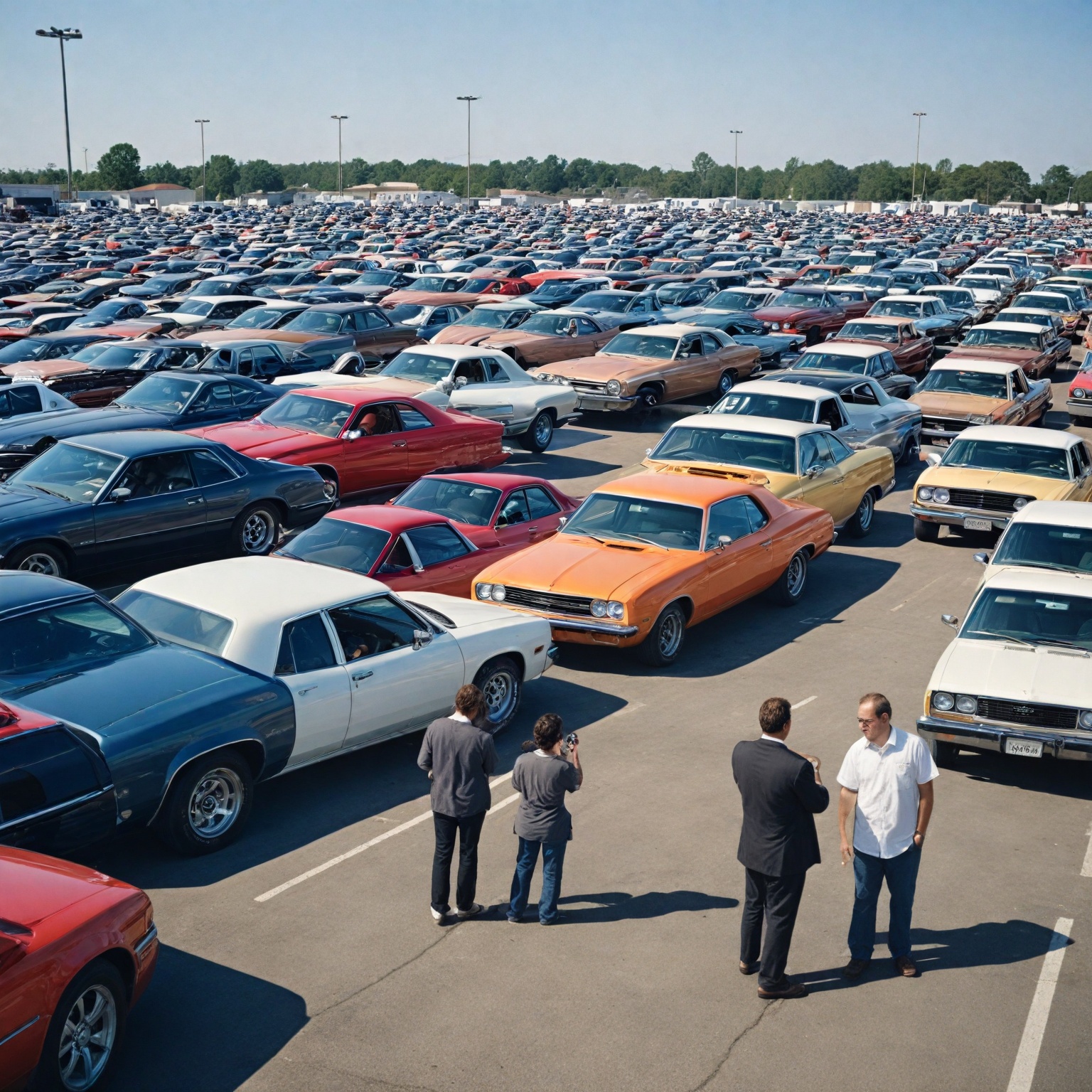
The salvage vehicle market offers a wide variety of automobiles, making availability one of the key reasons buyers choose salvage cars. Across the country, thousands of salvage vehicles are listed for sale, ranging from compact sedans to larger models suitable for carrying passengers and luggage. This extensive selection allows potential buyers to find vehicles that meet their specific needs, whether for personal use, parts, or rebuilding projects.
Salvage vehicles are typically cars declared total losses by insurance companies due to accidents, floods, theft recovery, or other significant damage. Some states or Canadian provinces require a salvage title for vehicles stolen or vandalized and not recovered within a specific time frame, such as 21 days, regardless of physical damage. After sufficient repairs and professional inspections, some vehicles may qualify for a rebuilt salvage title, allowing them to be legally registered and driven again.
Insurance coverage for salvage-titled vehicles is often limited, with some companies refusing to provide coverage altogether. Prospective buyers are advised to consult with insurers about available options and any additional inspections before purchasing. Providing valid identification such as a driver’s license or passport is crucial to prevent fraud and protect both buyers and sellers.
The process of purchasing salvage vehicles through online auctions involves understanding buyer power, which is determined by deposits made before bidding. Typically, a minimum deposit of $400 is required, constituting 10% of the buyer’s maximum bidding power. As the market operates under various regulations and state-specific laws, buyers should carefully review vehicle history reports and damage types to make informed decisions. Overall, the salvage vehicle market presents unique opportunities but requires due diligence to navigate legal, insurance, and registration complexities successfully.
Buying Salvage Vehicles Online
Buying a vehicle from a salvage auto auction can be an affordable and exciting experience, especially for those seeking a project car or looking to save money. Many salvage yards sell vehicles directly, while others partner with online platforms such as AutoBidMaster to facilitate bidding. These platforms offer listings across various categories, including flood-damaged, collision-damaged, and theft-recovered vehicles. Comparing these categories allows buyers to evaluate the pros and cons of each type before making a purchase decision.
Prospective buyers should be aware of risks including legal and financial complexities. It is essential to understand salvage titles, review vehicle history reports, and be familiar with state-specific laws governing salvage vehicles to avoid unexpected issues after purchase. Auction day requires preparation and careful review of auction rules and policies. All vehicles purchased through AutoBidMaster’s services are bought via a dealer, not directly from the marketplace, and are subject to auction fees imposed by both AutoBidMaster and Copart. Many vehicles listed are salvage or damaged and may have more damage than stated, so substantial repairs could be necessary, often at the buyer’s expense.
To buy salvage vehicles online safely, potential buyers should conduct thorough research by checking titles, inspecting Vehicle Identification Numbers (VINs), and making informed bids. Since neither the platform nor the dealers provide warranties or guarantees regarding vehicle condition or quality, due diligence is critical before placing any bid.
AutoBidMaster Platform
AutoBidMaster is a reputable and trusted online auction platform providing access to wholesale vehicle auctions by partnering directly with Copart, a well-known salvage vehicle auction company. Operating for over a decade, the platform is licensed, bonded, and has served thousands of buyers worldwide, making it a reliable choice for purchasing salvage and clean title vehicles.
The platform features a modern and user-friendly interface designed to simplify the buying process. Users can navigate the website easily, using advanced search and filter options to find detailed information on each vehicle, including high-quality photos and Vehicle Identification Number (VIN) reports. This transparency helps buyers make informed decisions and stay within their budget.
AutoBidMaster offers a wide selection of salvage vehicles from across the United States, increasing the likelihood of finding the right car at the right price. The platform provides tools such as a shipping cost calculator to estimate transportation fees based on distance from the auction site to the buyer’s location. Additional costs may apply, including bank transfer fees or credit card transfer fees.
Bidding can be done through traditional auction methods or via a “Buy It Now” option, allowing buyers to purchase a vehicle immediately at a listed price without participating in bidding. The bid or “Buy It Now” price does not include auction or website processing fees, so buyers should use the fee calculator to determine the total purchase cost.
To participate in auctions, buyers must place a refundable security deposit, which sets their “buyer power”—the maximum amount they can bid. The minimum deposit is typically $400, representing 10% of the buyer’s bidding limit. This deposit protects both sellers and buyers from fraud and ensures fair bidding practices.
AutoBidMaster provides comprehensive services beyond the auction, including detailed vehicle history reports and coordination of transportation through an extensive network of partners. While the platform acts as a marketplace without offering guarantees or warranties on vehicle conditions, it maintains clear rules and policies to promote a fair and transparent buying environment. Customer support is available to assist buyers prior to bidding.
Using AutoBidMaster to Purchase Salvage Vehicles
AutoBidMaster allows buyers to access thousands of salvage and clean title vehicles from Copart auctions without requiring a dealer license. Membership registration requires paying a membership fee and additional service fees depending on the purchase. Payments can be made via MoneyGram and Zelle, with buyers uploading payment receipts for confirmation.
Bidding and Buying Process
Users must maintain a security deposit (SD), held in full, and increase it by at least $600 to bid on additional items. Bidding statuses such as “Bid now,” “Bid4U,” “Buy it now,” and “Make an offer” help buyers navigate the auction. The “Bid4U” feature automatically places incremental bids up to the buyer’s maximum until the auction ends, potentially securing a vehicle below their set maximum. “Buy it now” vehicles allow immediate purchase at a listed price excluding auction and website fees.
After winning an auction, buyers are notified and must complete payment by the next business day at 5:00 PM PST via bank wire transfer, following invoice instructions. Additional auction fees apply beyond the winning bid.
Vehicle Information and Inspection
AutoBidMaster provides detailed vehicle listings, including high-quality photos and VIN reports to assist informed decisions. Reviewing title status and salvage history is crucial. Vehicle history reports reveal total loss declarations, rebuild status, water damage, odometer updates, and repair records. Buyers may request documentation of repairs and maintenance if uncertainties remain.
Because salvage vehicles vary in condition and price, buyers should thoroughly inspect vehicles and read listings before bidding. Keeping repair receipts and inspection documents is advisable, as they are often required for registration and insurance coverage.
Shipping and Delivery
After purchase, buyers arrange shipping and delivery. AutoBidMaster offers door-to-door car delivery and terminal-to-terminal pickup options, with associated costs and timeframes to consider. The platform’s shipping cost calculator estimates expenses based on distance from auction site to buyer location. International buyers must provide specific export documentation, including the original vehicle title, purchase agreement, and Bill of Lading. Not all vehicles are eligible for export.
Additional Considerations
Buyers should anticipate additional costs beyond vehicle and auction fees, including insurance, repair expenses—particularly for salvage vehicles—and possible currency exchange fees for international transactions. Securing insurance for salvage vehicles can be challenging; some insurers offer only liability coverage or decline coverage altogether. Contact insurance providers before finalizing a purchase to verify coverage options.
Before bidding, users are advised to review AutoBidMaster’s terms, policies, and user guides to ensure compliance and understanding of the process. Customer support is available at the Buyer Services Center.
Evaluating Salvage Vehicles on AutoBidMaster
Thorough evaluation is essential when purchasing a salvage vehicle on AutoBidMaster to make informed decisions. The platform offers access to thousands of salvage vehicles nationwide, but buyers must approach opportunities with careful planning and due diligence.
Vehicle History and Title Verification
Obtaining a comprehensive vehicle history report using the VIN is a critical first step. The report reveals if the vehicle was declared a total loss, involved in flood damage, rebuilt, or had other significant events affecting value and safety. Even if a car currently shows a clean title, it may have a salvage history in another state. Cross-referencing with official databases such as the National Highway Traffic Safety Administration or state motor vehicle departments is recommended.
Professional Inspections and Repair Estimates
Before bidding, a professional inspection by a trusted mechanic or body shop is advisable. AutoBidMaster offers inspection services to identify hidden defects and provide realistic repair cost estimates. Many salvage vehicles are branded due to collision, flood damage, theft, or manufacturer buybacks, and not all issues are visible immediately. Buyers planning to rebuild or use vehicles for parts should prioritize safety and repair feasibility.
Tools and Techniques for Buyer Inspection
Preliminary inspections can be done by buyers using basic tools such as an OBD2 scanner, flashlight, and inspection mirror to uncover many issues without expert training. These methods supplement but do not replace professional evaluations.
Understanding Auction Fees and Legal Requirements
Evaluating a salvage vehicle involves understanding additional costs beyond purchase price. Auctions like AutoBidMaster charge buyer’s premiums and documentation fees, which should be included in total investment considerations. Familiarity with state-specific laws regarding salvage title registration and restrictions is crucial to avoid post-purchase complications.
By combining thorough history checks, professional inspections, and awareness of auction and legal considerations, buyers can maximize value and mitigate risks on AutoBidMaster.
Legal, Safety, and Insurance Considerations
Purchasing salvage vehicles online requires careful attention to legal, safety, and insurance aspects. Registration of salvage vehicles is generally more complex than clean titles, as many states impose additional steps and documentation requirements. Buyers should familiarize themselves with state laws regarding salvage titles, including variations when buying out-of-state vehicles.
Insurance is a significant challenge; many companies offer limited coverage—often liability only—or decline coverage for rebuilt salvage vehicles. Buyers should contact insurers before purchase to confirm coverage options and inquire about additional inspections. Maintaining thorough repair and inspection records is advisable for registration and insurance.
Safety concerns warrant professional inspections by trusted mechanics or body shops prior to purchase to estimate repair costs and assess suitability for repair or parts. Prioritizing safety helps avoid costly surprises and risks associated with rebuilding accident vehicles.
Purchasing through reputable licensed dealers like AutoBidMaster adds security against scams and fraudulent listings. While the platform implements protective measures, personal caution and due diligence remain essential when buying salvage vehicles.
Buyer Protections, Guarantees, and Refund Policies
AutoBidMaster prioritizes buyer safety by implementing measures against scams and fraudulent listings, especially important for salvage vehicle purchases. A refundable security deposit is required before auction participation, serving as a safeguard for both auction houses and bidders.
Auction refund and dispute policies vary between sites; buyers should review these policies carefully before purchase to understand conditions for refunds or guarantees. Final bid prices exclude auction fees, impacting overall acquisition cost.
Due to risks like hidden structural damage affecting safety, thorough professional inspection before purchase is strongly recommended. While AutoBidMaster maintains a secure buying environment, exercising personal caution remains important when bidding on salvage vehicles online.
Tips and Best Practices for Purchasing Salvage Vehicles
Purchasing salvage vehicles online can be rewarding but requires careful planning and informed decisions to mitigate risks and maximize value. Success depends on skill, knowledge, risk tolerance, and time. For the right buyer, buying and restoring salvage vehicles can save money or yield profits; however, caution and thorough research are essential.
Conduct Thorough Research
Before bidding, review the seller’s reputation and verify vehicle history. Auction reviews and detailed vehicle history reports (e.g., ClearVin) can reveal undisclosed damage, prior ownership, title history, mileage, and liens. This helps assess vehicle condition and avoid fraud.
Understand Auction Procedures and Fees
Familiarize yourself with bidding rules, payment submission, documentation, and shipping arrangements. Some vehicles offer “Buy It Now” options to skip auctions at set prices. Note bids exclude auction fees such as buyer’s
Frequently Asked Questions (FAQs)
What is AutoBidMaster?
AutoBidMaster is an online platform that facilitates the bidding and purchasing of salvage vehicles through auctions. It connects buyers from around the world, enabling them to participate in automotive auctions and acquire salvage vehicles easily.
How popular is AutoBidMaster?
AutoBidMaster ranks 54th globally within the online automotive industry according to Similarweb. In November 2023, the website attracted approximately 815,500 visits, predominantly from users in the United States. Visitors typically spend over six minutes browsing and view nearly six pages per session, indicating a high level of engagement.
Can international buyers use AutoBidMaster?
Yes, AutoBidMaster serves customers worldwide. Buyers from different countries can participate in auctions and purchase vehicles through the platform without geographic restrictions.
What types of vehicles can be bought on AutoBidMaster?
The platform specializes in salvage vehicles, which are vehicles that have been damaged or declared total losses but are available for auction. This provides opportunities for buyers looking for repairable vehicles or parts.
How does the bidding process work?
AutoBidMaster hosts auctions where registered users can place bids on listed salvage vehicles. The highest bidder at the close of the auction wins the vehicle, subject to the auction terms and conditions provided on the site.
The content is provided by Harper Eastwood, Gear Shift Zone