
Summary
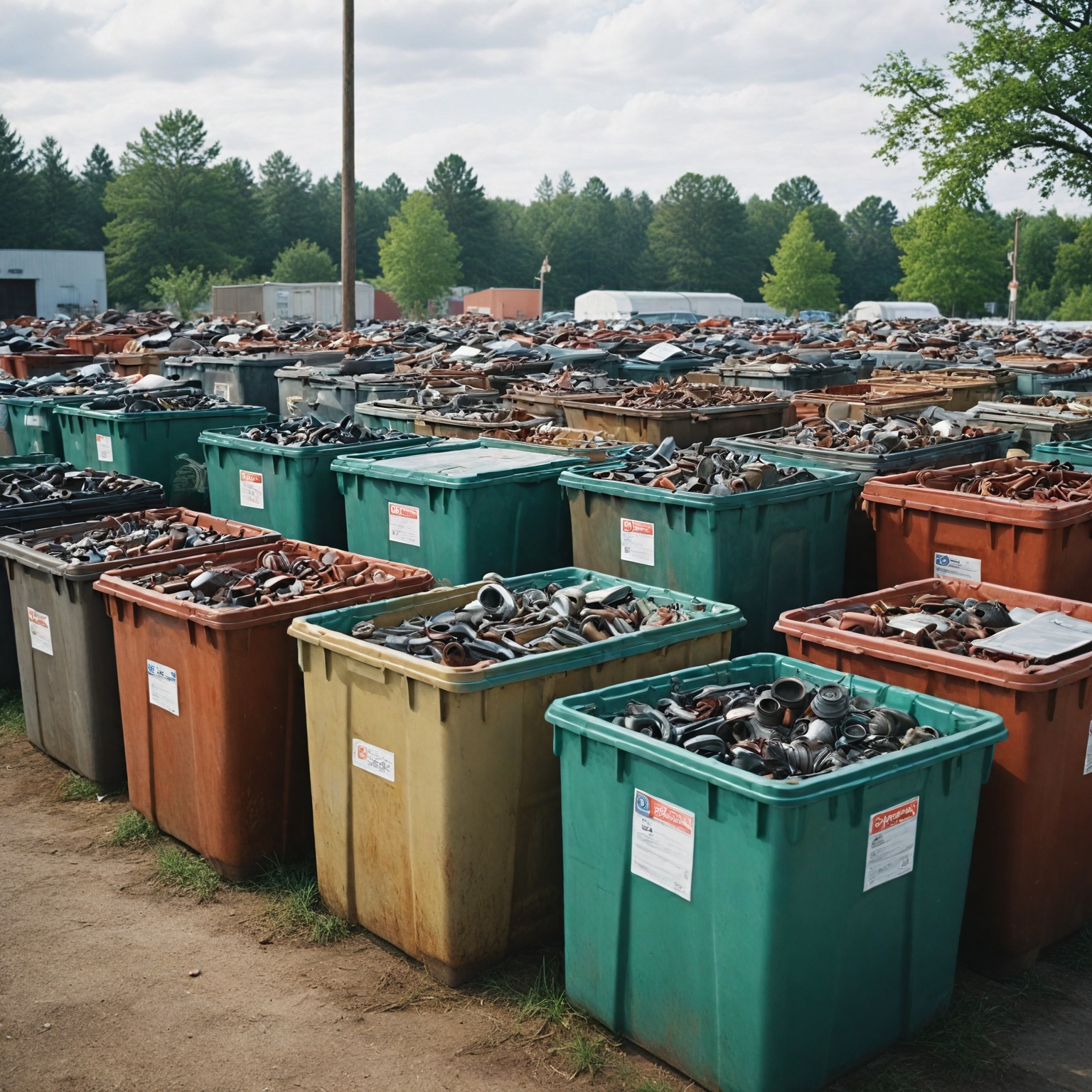
Used auto spare parts are previously owned vehicle components that are salvaged, inspected, and resold for repair or replacement purposes. These parts range from small hardware like nuts and bolts to major components such as engines, brakes, and electrical systems. They offer a cost-effective alternative to new parts, making vehicle maintenance more affordable, especially for older or discontinued models where new components may be scarce or expensive. The widespread availability of used parts through salvage yards, recyclers, and online vendors has established a significant aftermarket industry that supports both consumer savings and local economies.
One of the key reasons used auto parts are notable is their positive environmental impact. By reusing and refurbishing vehicle components, the automotive recycling sector helps conserve raw materials, reduce energy consumption, and minimize landfill waste associated with discarded vehicles and parts. This sustainable practice aligns with growing global efforts to lower the ecological footprint of the automotive industry and supports circular economy principles.
Despite their advantages, used auto parts come with considerations regarding quality, reliability, and safety. The condition of parts can vary based on prior use and refurbishment standards, necessitating thorough inspection and sourcing from reputable suppliers to ensure compatibility and performance. Legal protections such as the Magnuson-Moss Warranty Act safeguard consumer rights by preventing warranty denial solely due to the use of aftermarket or recycled genuine OEM parts, though warranty coverage and return policies may differ among sellers. Consumers and mechanics are advised to evaluate parts carefully, balancing cost savings with potential risks.
The used auto spare parts market continues to evolve with advances in diagnostic technologies, stricter regulatory oversight, and increasing consumer demand for sustainable repair options. These trends are driving improvements in quality assurance and broader acceptance of recycled components, making used parts an increasingly viable and responsible choice for vehicle maintenance and repair.
Overview of Used Auto Spare Parts
Used auto spare parts encompass a wide variety of components that can be sourced to replace or repair different sections of a vehicle, including nuts, gears, bolts, engines, brakes, fuel lines, and electrical parts. These parts are often sought after due to their affordability compared to brand-new components, providing significant cost savings while maintaining the necessary functionality for repairs across almost any make or model.
One major appeal of used spare parts is the economic advantage they offer. Purchasing used parts can substantially reduce repair expenses, making vehicle maintenance more accessible, especially for older cars. Salvage yards and reputable used parts vendors play a key role by ensuring that the parts they sell are functional and, if necessary, refurbished to meet quality standards before resale. This practice helps address common concerns regarding the performance and reliability of used components.
In addition to cost benefits, used spare parts contribute positively to environmental sustainability. The recycling and reuse of vehicle components help conserve raw materials and reduce energy consumption associated with manufacturing new parts. For instance, the use of remanufactured or refurbished parts, which involve restoring used parts to “like-new” condition, can significantly lower environmental impact by minimizing the demand for new material extraction and production energy.
While aftermarket parts can be easier to obtain than original equipment manufacturer (OEM) parts due to their availability at local stores and online retailers, used auto parts from salvage sources offer a practical alternative that balances availability, cost, and environmental considerations. Buyers are encouraged to evaluate the condition and source of used parts carefully, and to consider negotiating pricing and warranty terms with dealers or providers to maximize value.
Advantages of Choosing Used Auto Spare Parts
Choosing used auto spare parts offers several compelling benefits, making them an attractive option for many vehicle owners. One of the most significant advantages is the substantial cost savings. Used parts are generally much cheaper than new ones, allowing car owners to repair or maintain their vehicles at a fraction of the price they would otherwise pay. This is particularly beneficial for older or discontinued models, where new parts can be scarce or prohibitively expensive.
In addition to affordability, used auto parts often provide reliable quality, especially when sourced from reputable suppliers or certified automotive recyclers. Refurbished parts, which undergo inspection and restoration, typically come with a higher price than standard used parts but offer greater assurance of performance and durability. Salvage yards and recycling centers frequently have a wide inventory of parts spanning multiple model years, enhancing availability and making it easier to keep older vehicles operational.
Another crucial advantage of opting for used auto parts is their positive environmental impact. By purchasing recycled components, consumers contribute to reducing the demand for new manufacturing, which in turn lowers the consumption of raw materials, energy use, pollution, and greenhouse gas emissions. Recycling automotive parts also helps minimize waste in landfills and reduces the environmental footprint of the automotive industry overall.
Moreover, utilizing used parts can extend the life of older vehicles, delaying the need for new car purchases. This practice not only saves money but also mitigates the environmental consequences associated with producing and disposing of vehicles. Sustainable spare parts management is increasingly relevant as the industry embraces greener logistics and recycling partnerships to enhance cost-effectiveness and reduce environmental harm.
Finally, choosing used auto spare parts supports local businesses such as salvage yards and recyclers, fostering community economies while offering consumers a practical and eco-friendly alternative to buying new parts. Proper inspection of used parts before installation is recommended to ensure safety and performance, maximizing the benefits of this cost-effective and sustainable choice.
Quality and Reliability Considerations
When selecting used auto spare parts, quality and reliability are crucial factors that can significantly impact vehicle performance and safety. Unlike new parts, used components often exhibit variability in condition depending on their prior usage, maintenance history, and storage. While some used parts may function nearly as well as new ones, others could be approaching the end of their lifespan or have hidden defects, posing risks to the vehicle’s operation.
A comprehensive inspection process is essential to assess the condition of used parts before installation. This may include visual checks for leaks, cracks, and corrosion, as well as mechanical testing with tools such as digital multimeters to evaluate electrical components. Additionally, bringing the original part when visiting salvage yards aids in verifying proper fit and compatibility, which is vital to maintain the integrity of the vehicle’s systems, including safety features. Many reputable vendors refurbish used parts to address imperfections, enhancing their reliability.
The warranty aspect is another important consideration. Used parts often come with limited or no warranties, increasing the risk for consumers if the part fails prematurely. However, purchasing from reputable suppliers who offer warranties and clear return policies can mitigate some of these risks and provide peace of mind. Furthermore, the Magnuson-Moss Warranty Act protects consumers by preventing manufacturers from voiding vehicle warranties solely due to the use of aftermarket or recycled genuine OEM parts during repairs, encouraging broader acceptance of used parts in maintenance and repair.
Reliability is also influenced by the source of the used parts. Original Equipment Manufacturer (OEM) parts sourced directly from automotive manufacturers or well-established salvage yards typically offer higher consistency in quality compared to generic aftermarket parts, which may suffer from compatibility issues and variable manufacturing standards. Moreover, professional pre-purchase inspections, including On-Board Diagnostics (OBD) scanning, can identify underlying mechanical problems without extensive disassembly, supporting informed decisions when acquiring used parts or vehicles containing them.
Ultimately, the lifespan and reliability of a used part depend more on its maintenance and prior usage than on whether it is new or used. Proper inspection, sourcing from trusted vendors, and understanding warranty coverage are key to ensuring that used auto spare parts perform safely and effectively, balancing cost savings with vehicle longevity.
Installation of Used Auto Spare Parts
Proper installation of used auto spare parts is essential not only to ensure that the part functions correctly but also to maintain the overall integrity and safety of the vehicle. After purchasing the required parts, such as engines, transmissions, brakes, or electrical components, the next crucial step is their careful installation.
Before beginning the installation process, it is important to thoroughly inspect the parts to verify their condition and compatibility with the vehicle. Safety precautions must be strictly followed; this includes disconnecting the battery to prevent electrical hazards and wearing appropriate protective gear throughout the procedure. If there is any uncertainty regarding the installation, consulting certified mechanics is highly recommended to avoid potential damage to both the part and the vehicle.
Post-installation, it is vital to conduct a comprehensive check to identify any issues. Should any problems arise during this stage, the vehicle must not be operated until the faults are fully resolved, as prioritizing safety over speed can prevent accidents. This careful approach to installing used spare parts ensures a reliable and safe integration, ultimately allowing vehicle owners to benefit from cost savings without compromising performance or security.
Economic Impact
Choosing used auto spare parts offers significant economic advantages for both consumers and the automotive industry. One of the primary benefits is cost savings, as used parts are generally much cheaper than new components. This affordability makes repairs more accessible, especially for owners of older or unique vehicle models, reducing the financial burden associated with maintenance and extending the lifespan of vehicles.
In addition to lowering repair expenses, the demand for used and remanufactured parts creates a substantial business opportunity within the aftermarket supply chain. As vehicles age beyond their warranty periods, consumers often seek alternatives to dealership repairs, driving increased demand for quality used components. This shift supports repair shops and aftermarket manufacturers who supply these parts, thus strengthening local economies and creating jobs.
Moreover, utilizing used parts can enhance operational efficiency by reducing the need for multiple shipments. Durable and appropriately selected packaging ensures parts arrive intact on the first delivery, preventing costly replacements and minimizing additional transportation emissions. This approach not only cuts costs but also supports sustainable business practices by reducing waste and greenhouse gas emissions associated with repeated shipping.
Legal and Regulatory Aspects
The legal and regulatory framework surrounding the use of used auto spare parts plays a critical role in protecting consumers and ensuring fair market practices. At the federal level, the Magnuson-Moss Warranty Act (MMWA), enacted in 1975, prohibits manufacturers from voiding or invalidating vehicle warranties solely due to the use of aftermarket or recycled genuine OEM parts during repairs. This law safeguards consumer rights by preventing unfair warranty denial and promotes confidence in using non-original parts.
In addition to federal statutes, state laws and the specific language of auto insurance policies further influence warranty and repair coverage. Consumers must carefully review these documents, as coverage can vary significantly depending on jurisdiction and insurer. When it comes to extended warranties, sellers are legally required to clearly explain consumers’ rights under applicable laws such as the Canadian Consumer Goods Act (CGA), highlighting any differences between statutory protections and extended warranty terms.
Manufacturers and dealers often provide their own parts warranties, which typically cover a broad range of service replacement parts including labor when installed by authorized dealerships. For example, General Motors offers multiple levels of parts warranties effective as of April 2018, covering components installed by certified service centers to ensure quality and reliability. Such warranties provide additional reassurance for buyers opting for used or remanufactured parts.
Regulatory guides also exist to maintain high standards in the marketing and sale of used auto parts. These guidelines help prevent deceptive practices and ensure clear communication about whether parts are rebuilt or remanufactured, thereby protecting consumer interests. Despite these protections, it is important to note that aftermarket and used parts may carry disadvantages such as quality variability, compatibility issues, and potentially limited warranty coverage, which can impact vehicle performance and resale value.
Consumers are encouraged to negotiate pricing and warranty terms when purchasing used parts, as many dealers and third-party providers offer flexible options that can lead to better deals and enhanced coverage benefits. Overall, a well-regulated used auto parts market helps foster transparency, safety, and consumer confidence in making cost-effective and sustainable vehicle repair choices.
Common Challenges and Solutions for Mechanics and Consumers
When opting for used auto spare parts, both mechanics and consumers face several challenges related to quality, safety, and legal protections. One major concern involves ensuring that parts are in acceptable condition before installation. Visible wear, cracks, rust, or compatibility issues can lead to costly mistakes if not carefully inspected. For example, a used exhaust system should be thoroughly checked for blockages in the catalytic converter to avoid performance issues.
Safety remains a top priority, as integrating used parts with modern vehicle safety systems—such as advanced driver-assistance systems (ADAS)—requires parts that meet rigorous standards. Engineers continue to develop smart car parts that interact seamlessly with these systems to enhance overall vehicle safety, highlighting the need for quality assurance when choosing used components.
Consumers also frequently encounter challenges when purchasing used vehicles or parts, such as disputes over the condition and description of the items sold. Under consumer protection laws like the Consumer Guarantees Act (CGA), vehicles and parts must be fit for purpose, safe, durable, and free from minor defects. If these guarantees are not met, buyers have the right to remedies including repairs, replacements, or refunds. Additionally, warranties and return policies play a crucial role in providing peace of mind. Buyers are advised to verify warranty coverage, return windows, restocking fees, and whether sellers offer installation assistance or troubleshooting support before completing a purchase.
Negotiation and comparison shopping can help consumers find better deals and improved coverage options, as many dealers and third-party providers offer flexibility in pricing and warranty terms. Furthermore, legal protections such as the Magnuson-Moss Warranty Act prevent manufacturers from voiding warranties solely due to the use of aftermarket or recycled OEM parts, reinforcing consumer rights in repairs and part replacements.
To overcome skepticism about the reliability of remanufactured or used parts, successful pilot programs in various industries have demonstrated consistent performance and cost savings, encouraging wider acceptance and sustainable spare parts management through technology and collaboration. Ultimately, thorough inspection, awareness of legal protections, and leveraging warranty and support options are key solutions that help both mechanics and consumers confidently choose used auto spare parts.
Case Studies and Consumer Experiences
Consumer experiences with used auto spare parts often highlight a balance between cost savings and quality assurance. Many buyers appreciate the significant financial benefits of opting for used parts, especially when maintaining older vehicles or undertaking DIY repairs, as these parts offer a more affordable alternative to new components without necessarily compromising on reliability. For instance, companies like All American Auto Salvage emphasize thorough inspection processes before resale, ensuring that customers receive parts that are worthy of their investment and maintain vehicle performance.
Negotiation and comparison also play a key role in consumer satisfaction. Dealers and third-party providers frequently offer flexible pricing and coverage options, allowing consumers to secure better deals through inquiry and bargaining. This flexibility can lead to additional benefits such as longer coverage periods or reduced deductibles, enhancing the overall value proposition of used parts.
Moreover, the importance of transparency and disclosure in the use of non-OEM parts is underscored by legislation such as the West Virginia Automotive Crash Parts Act. This law mandates that repair shops inform consumers about the type of parts used in repairs, specifying whether they are OEM or non-OEM, and providing warnings about potential warranty implications. Such regulatory measures aim to build trust and informed decision-making among consumers choosing used or remanufactured components.
Finally, the inspection and testing of used parts, including both visual assessment and mechanical testing, are critical to ensuring safety and fit. Industry experts advise consumers to bring the original part when sourcing replacements to facilitate accurate matching and maintain the integrity of vehicle safety systems. This approach contributes to positive consumer experiences by reducing the risk of incompatibility and ensuring the longevity of the repair.
Future Trends in the Used Auto Spare Parts Market
The used auto spare parts market is poised for significant growth and transformation driven by environmental concerns, technological advancements, and shifting consumer behaviors. One prominent trend is the increasing emphasis on sustainability. Purchasing used auto parts from certified automotive recycling sources contributes substantially to environmental protection by reducing raw material extraction, minimizing waste generation, and conserving natural resources. Additionally, automotive manufacturers are progressively incorporating recycled and reclaimed materials into vehicle components, which not only lessens environmental impact but also maintains product quality. These sustainable practices align with broader efforts to improve fuel efficiency and lower emissions
The content is provided by Jordan Fields, Gear Shift Zone