Summary
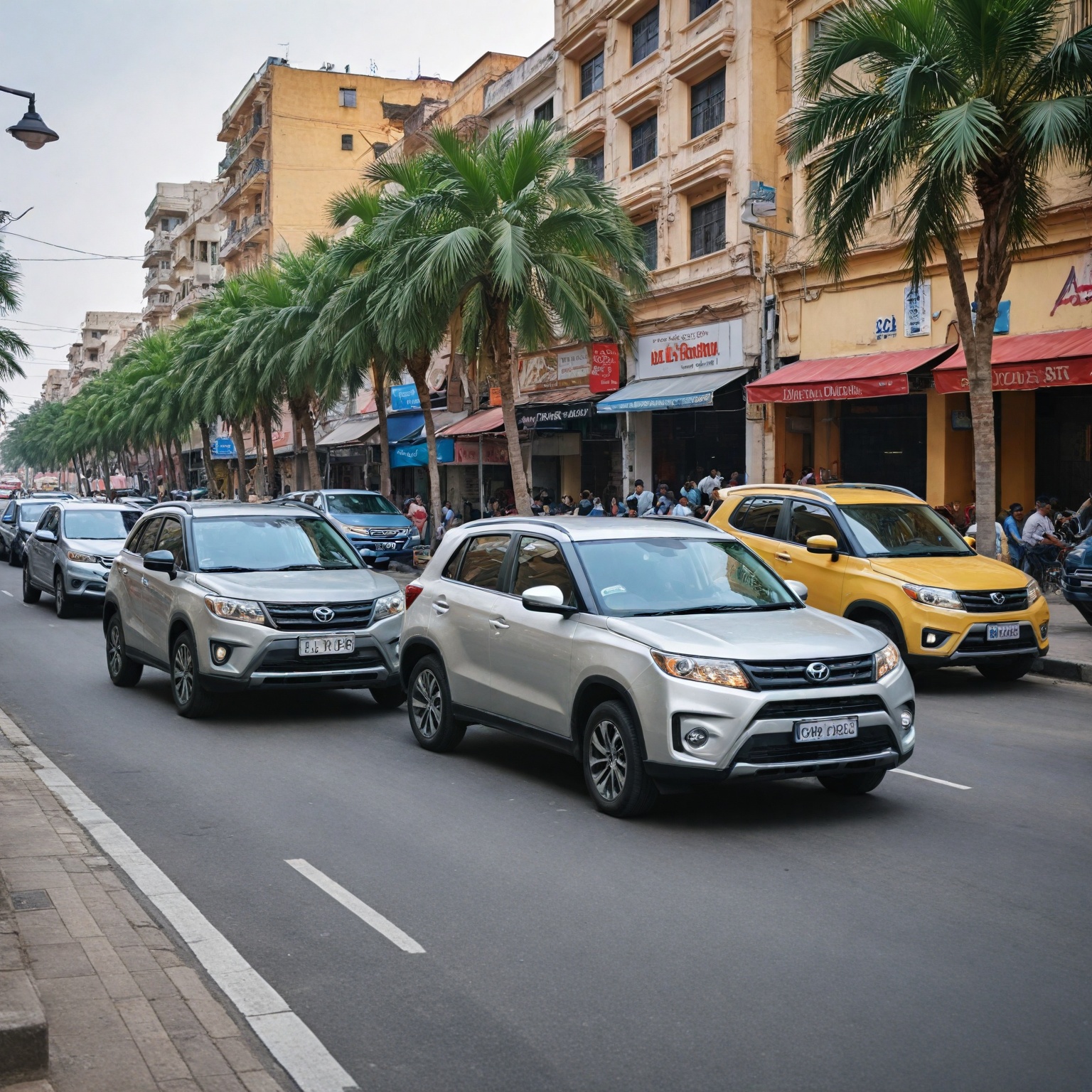
The **Maruti Suzuki Vitara Brezza** and the **Toyota Urban Cruiser** are two leading models in India’s highly competitive sub-4-meter SUV segment, targeting urban buyers who prioritize compact dimensions, fuel efficiency, and modern features. Both vehicles share a common platform and are powered by Suzuki’s 1.5-litre naturally aspirated petrol engine, offering comparable power outputs and mileage, making them direct rivals to each other as well as to other segment players like the Hyundai Venue. The Vitara Brezza is recognized for its value-for-money proposition, enhanced by Maruti Suzuki’s progressive smart hybrid technology in its automatic variants, which improves fuel efficiency and reduces emissions.
The Toyota Urban Cruiser, initially launched as a rebadged version of the Brezza, has evolved with distinct styling cues and a focus on advanced safety and infotainment technologies. It is notable for integrating features such as adaptive cruise control, pre-collision systems, lane departure alerts, and a 360-degree camera, highlighting Toyota’s emphasis on driver assistance and connectivity in the segment. The Urban Cruiser is also expected to introduce automatic transmission and electric range options in its upcoming 2025 update, reflecting Toyota’s push toward electrification and enhanced convenience for urban commuters.
Both SUVs emphasize occupant safety through multiple airbags, anti-lock braking systems, electronic stability control, and hill-hold assist technologies, with the Vitara Brezza offering a slightly longer warranty period compared to the Urban Cruiser. Despite their mechanical similarities, they differ in pricing, design language, interior features, and aftersales support, providing consumers with varied choices based on preferences for technology, comfort, and brand experience.
While the Vitara Brezza enjoys a strong market presence and customer loyalty due to its reliability and fuel efficiency, the Urban Cruiser garners attention for its premium safety suite and upcoming technological enhancements. However, some Toyota Urban Cruiser buyers have reported concerns regarding dealer service experiences, adding a layer of controversy in the brand’s aftersales reputation. As both models continue to evolve, they remain key competitors shaping the future of India’s compact SUV landscape.
Overview of the Models
The Maruti Suzuki Vitara Brezza and Toyota Urban Cruiser are prominent contenders in the Sub 4M SUV segment, catering to buyers seeking compact yet feature-rich urban SUVs. Both models offer a five-seater configuration, positioning themselves as direct rivals to vehicles like the Hyundai Venue and each other.
The Maruti Suzuki Vitara Brezza, having dropped “Vitara” from its name in recent iterations, now embraces a more technologically advanced formula. It is equipped with a BS6-compliant 1.5-litre K15B petrol engine that delivers 103bhp and 138Nm of peak torque. Transmission options include a five-speed manual gearbox and an automatic variant featuring Maruti’s progressive smart hybrid technology, enhancing fuel efficiency and performance.
On the other hand, the Toyota Urban Cruiser is expected to launch around May 16, 2025, and will be offered with automatic transmission and electric range options, indicating Toyota’s intent to cater to evolving market demands for electrification and convenience. In terms of safety and technology, the Urban Cruiser boasts a comprehensive suite of features including a pre-collision system, adaptive cruise control, lane departure alert, lane keep assist, and a 360-degree camera system. The instrument cluster combines a 10.25-inch digital combimeter with a 10.1-inch multimedia display, integrating satellite navigation enhanced by cloud-based traffic data for real-time updates.
Design and Aesthetics
The Maruti Suzuki Vitara Brezza and Toyota Urban Cruiser both exhibit modern design philosophies tailored to appeal to urban SUV buyers, yet they present distinct visual identities reflecting their respective brand characters. The Brezza stands out with a bold and commanding presence, combining playful exuberance with a powerful stance. Its front fascia features a predominantly chrome grille with a distinct inverted U-shaped lower grille section, a styling cue shared with other Suzuki models like the Ignis and S-Presso.
In contrast, the Urban Cruiser adopts a more understated and mature look, with less chrome on the front grille and a cleaner overall appearance, resulting in a more refined front design compared to the Brezza’s exuberant chrome treatment. Both SUVs share an identical rear design, maintaining a consistent silhouette from the back.
Wheel options range between 18 and 19 inches in diameter with sharply styled full wheel covers that contribute to weight saving and aerodynamic efficiency. The Urban Cruiser offers a variety of exterior colors, including bi-tone options featuring a contrasting black roof, enhancing visual appeal and customization.
Inside, the Urban Cruiser emphasizes spaciousness with a wheelbase 140 mm longer than the Toyota Yaris Cross, providing a roomy cabin. The interior combines black and dark grey upholstery and trims, with ambient lighting offering 12 different color options to tailor the cabin mood.
Performance and Engine Specifications
Both the Maruti Suzuki Vitara Brezza and the Toyota Urban Cruiser are powered by a naturally aspirated 1.5-litre petrol engine producing similar power and torque outputs. The Urban Cruiser’s engine generates around 105 PS and 138 Nm of torque, while the Vitara Brezza produces approximately 103 PS and the same torque figure of 138 Nm. A five-speed manual transmission is standard in both vehicles, with optional automatic gearboxes available—a four-speed automatic in the Urban Cruiser and a similarly matched option in the Vitara Brezza.
Fuel efficiency for the Urban Cruiser is approximately 17.03 km/l with the manual and up to 18.76 km/l with the automatic transmission. The Vitara Brezza offers comparable fuel economy, ranging between 17.03 km/l and 18.76 km/l depending on variant and transmission. Real-world figures indicate mileage of 17 to 19 km/l in urban driving and 24 to 25 km/l on highways for the Brezza.
Neither SUV offers a 4×4 or all-wheel-drive system in the Indian market. Both focus on delivering reliable and efficient powertrains suited to Indian driving conditions, with Suzuki providing a longer warranty period compared to Toyota.
Safety Features
Both the Maruti Suzuki Vitara Brezza and Toyota Urban Cruiser emphasize occupant safety through advanced technologies and equipment. Each model is equipped with six airbags as standard, including front, passenger, side, and curtain airbags, along with seat belt pretensioners and force limiters for front occupants.
Active safety systems include Anti-lock Braking System (ABS) combined with Electronic Brake-force Distribution (EBD), Electronic Stability Program (ESP), and hill-hold assist technology, enhancing vehicle control during challenging conditions. The Brezza additionally includes brake assist and ISOFIX child seat anchors. The Urban Cruiser offers ISOFIX mounts plus a pre-collision system, adaptive cruise control, lane departure alert, and lane keep assist as part of its driver assistance package.
Both models have rear parking sensors and a reverse camera; the Urban Cruiser supplements this with a 360-degree camera system for enhanced maneuvering safety.
Technology and Infotainment
Both SUVs come equipped with advanced technology and infotainment features enhancing driving experience, safety, and connectivity.
The Vitara Brezza includes active safety and driver assistance systems such as a pre-collision system, adaptive cruise control, lane departure alert, lane keep assist, and a 360-degree camera system. Its instrument panel integrates a 10.25-inch digital combimeter and a 10.1-inch multimedia display with satellite navigation utilizing cloud-based real-time traffic updates.
The Urban Cruiser features the HY-tech Smart Playcast infotainment system with a 9-inch display and premium speakers, supporting voice assistant functionality via smartphone integration. Comfort features include automatic climate control and adjustable steering wheel settings. It offers multiple powertrain options, including front and all-wheel drive configurations with two battery pack choices.
Both vehicles incorporate safety technologies such as multiple airbags, ABS, stability control, and rearview cameras, blending technology, safety, and infotainment seamlessly.
Pricing and Variants
Both SUVs are available in multiple trim levels. The Vitara Brezza offers a five-speed manual transmission as standard, with an optional automatic gearbox in higher trims. The Toyota Urban Cruiser comes standard with a five-speed manual transmission in its base Xi variant; mid and high-spec variants offer an optional four-speed automatic transmission.
The Urban Cruiser generally commands a higher price point than the Vitara Brezza. Depreciation rates vary: 2021 Urban Cruiser models (excluding base Xi) depreciated about 6% on average, compared to Brezza’s 8%. In 2022, the Urban Cruiser’s depreciation was 14%, while the Brezza’s was 10%.
Warranty coverage differs—Suzuki offers a promotional five-year or 200,000 km warranty on the Vitara Brezza, more comprehensive than Toyota’s standard three-year or 100,000 km warranty. Some sources mention an earlier 2-year/40,000 km warranty for the Brezza, reflecting previous market conditions.
Variant strategies differ slightly; the base Urban Cruiser Xi has no direct Suzuki equivalent and only manual transmission, while automatic options are limited to higher Toyota trims. The Vitara Brezza’s automatic variants benefit from progressive smart hybrid technology enhancing fuel efficiency. Buyers should consider pricing, transmission, warranty, and technology when choosing between these sub-4m SUVs.
Pros and Cons
Maruti Suzuki Vitara Brezza
### Pros
– BS6-compliant 1.5-litre K15B petrol engine delivering 103bhp and 138Nm torque, balancing power and efficiency.
– Choice of five-speed manual or automatic transmission with progressive smart hybrid technology for improved fuel efficiency.
– Comprehensive active safety and driver assistance systems enhancing accident risk recognition and avoidance.
– Multiple variants with advanced tech features, making it a techier option than its predecessor.
### Cons
– Safety feature details require reference to the Owner Manual, which may be less user-friendly.
– Specifications may change without prior notice, causing potential uncertainty.
Toyota Urban Cruiser
### Pros
– Sub-4-meter SUV with automatic transmission and electric range options catering to diverse preferences.
– Robust safety features including ABS, EBD, Hill Assist, ISOFIX mounts, and auto-dimming rear-view mirror, variant-dependent.
– Advanced safety tech such as multiple airbags, stability control, and rearview cameras standard in many trims.
– Three transmission modes and a fuel efficiency rating of 26.1 km/kg, balancing performance and economy.
### Cons
– High-end safety and comfort features are variant-dependent, limiting access in lower trims.
– As a newer entrant, some certification and feature finalization details are pending, affecting availability.
Both vehicles prioritize safety and convenience, with the Vitara Brezza leaning towards hybrid tech and enhancements, and the Urban Cruiser focusing on transmission flexibility and a comprehensive safety suite. Buyers should consider powertrain options, safety features, and variant availability.
Customer Reviews and Feedback
The Maruti Suzuki Vitara Brezza is widely regarded as a value-for-money vehicle, praised for comfort, reliability, and economical maintenance. Users appreciate the 1.5-litre petrol engine’s adequate power, suitable for small families and long tours. Overall performance and features receive positive remarks, with some reviewers describing the Vitara Brezza ZXI as “awesome”.
In contrast, some customers have reported dissatisfaction with Toyota Urban Cruiser’s service experience, citing unprofessional behavior from dealers such as Urban Cruise.
Comparison Summary
The Maruti Suzuki Vitara Brezza and Toyota Urban Cruiser share a mechanically identical foundation, powered by Suzuki’s naturally aspirated 1.5-litre petrol engine delivering 77 kW and 138 Nm torque. Differences are mainly in interior specifications and branding. For example, the Urban Cruiser offers ambient lighting with 12 color options and black/dark grey upholstery, differing from the Brezza’s trims.
Both provide competitive engine efficiency and mileage, with the Brezza delivering 17 to 19 km/l in city driving and up to 24-25 km/l on highways under optimal conditions. Safety features are comprehensive in both, including multiple airbags, ABS, stability control, and rearview cameras.
Branding and front-end design differ despite the shared platform. Aftersales and financing options vary, with Maruti Suzuki facilitating credit checks and loans through associated banks and NBFCs.
Future Outlook and Updates
The Toyota Urban Cruiser is anticipated to receive a significant update with a launch estimated for May 16, 2025, including enhanced specifications focusing on connectivity, digital interfaces, advanced safety, and comfort. The model will also be released in the UK in Q4 2025.
Competition will continue from models like the Toyota Taisor, Mahindra Bolero, Maruti Fronx, Hyundai Venue, Skoda Kushaq, Mahindra Bolero Neo, Citroën Basalt, Maruti Brezza, Citroën Aircross, and Tata Nexon iCNG, influencing future updates in the segment.
The Maruti Suzuki Brezza maintains a leading position in India due to strong performance and reliability. However, depreciation trends show dynamic market shifts: the 2021 Urban Cruiser had lower depreciation than the Brezza, but in 2022 the trend reversed with the Urban Cruiser depreciating more.
The content is provided by Harper Eastwood, Gear Shift Zone