Summary
Transforming salvage trucks into adventure-ready campers is an innovative approach that repurposes vehicles deemed total losses due to significant damage, such as collisions, floods, or fires, into functional and personalized recreational vehicles. Salvage trucks—often sold at reduced prices through public and dealer auctions—offer a cost-effective foundation for DIY enthusiasts and budget-conscious adventurers looking to build customized campers with unique features and robust off-road capabilities. This practice combines creative restoration, technical skill, and practical modifications to convert damaged trucks into comfortable, mobile living spaces suited for extended outdoor travel.
The conversion process typically involves comprehensive inspections and repairs addressing structural integrity, mechanical function, and interior customization. Key modifications include reinforcing frames, upgrading suspension systems for stability, installing insulation and climate control systems, and outfitting interiors with living essentials like kitchens, bathrooms, and sleeping quarters. Advanced suspension technologies and careful sealing techniques are employed to ensure ride comfort and protection against environmental elements, while electrical and water systems are integrated to support off-grid living. However, these projects demand careful evaluation of repair costs, vehicle history, and legal compliance, as salvage titles can affect registration, insurance, and resale potential.
Despite their benefits, transforming salvage trucks into campers presents notable challenges and risks. Structural damages may be extensive and costly to repair, and salvage vehicles often face scrutiny from insurers and regulators concerned with safety and liability. Prospective converters must navigate varying state regulations, salvage title classifications, and inspection requirements to ensure their restored vehicles meet legal and safety standards. Furthermore, hidden damages or substandard repairs can compromise reliability, underscoring the importance of thorough assessments and professional expertise throughout the restoration and conversion process.
The environmental and economic impact of this practice is significant, promoting sustainability by extending vehicle lifecycles and reducing waste while offering an affordable pathway to adventure vehicle ownership. By creatively repurposing salvage trucks, individuals contribute to resource conservation and enjoy the flexibility of customized campers tailored to diverse outdoor lifestyles. As interest in off-grid and mobile living grows, transforming salvage trucks into adventure-ready campers continues to gain attention for its blend of innovation, affordability, and environmental responsibility.
Background
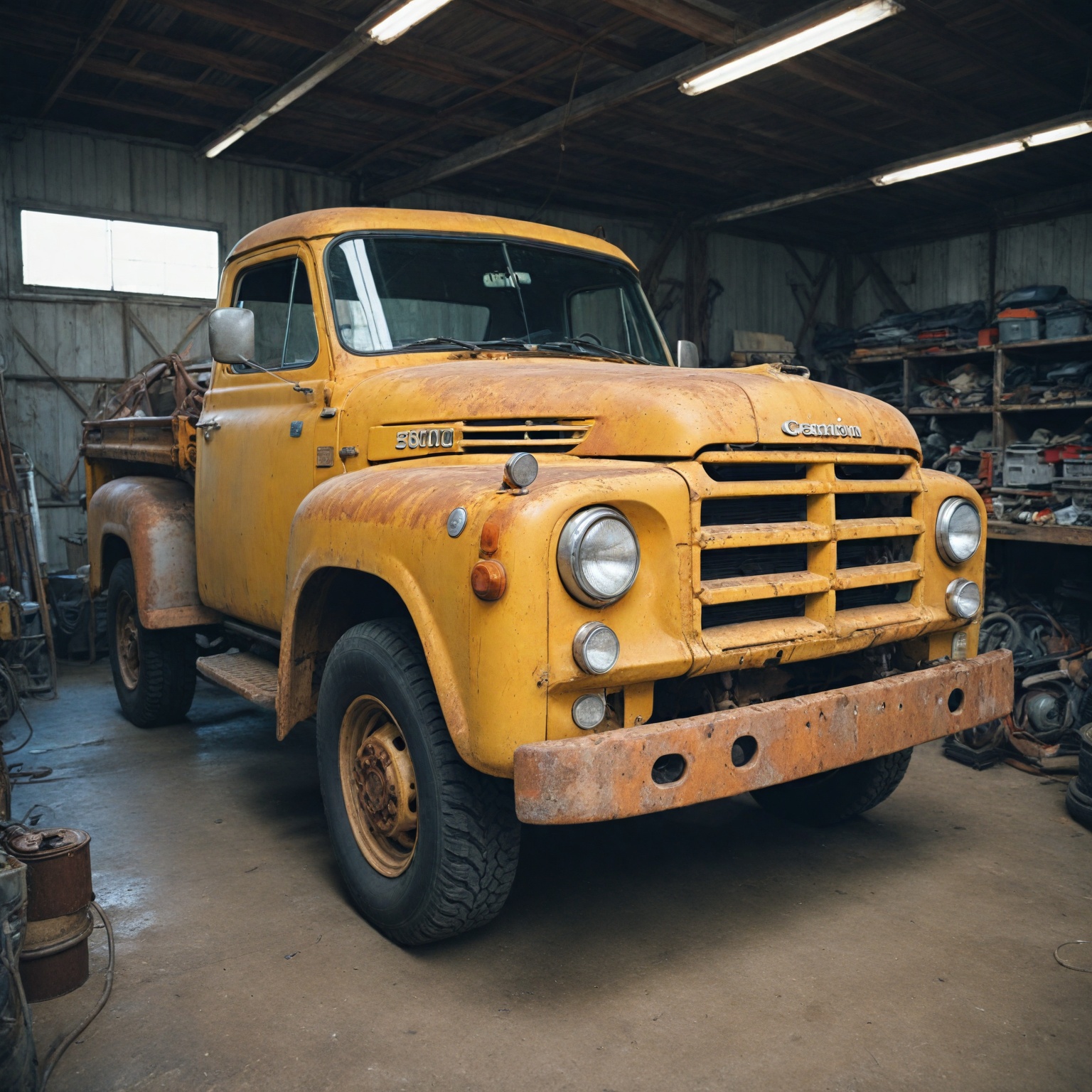
Salvage trucks, often vehicles that have been damaged by collision, fire, flood, or other incidents, are designated with salvage titles indicating that the cost to repair them exceeds their retail fair market value prior to the damage. These vehicles include a variety of types such as trucks, cars, motorcycles, commercial vehicles, and SUVs, which are frequently sold at auctions with full transparency about their damage and condition to inform potential buyers. In North America, the criteria for issuing salvage titles vary by state, province, or territory, but generally, the insurance company estimates repair costs to exceed 75% to 90% of the vehicle’s value.
Many salvage trucks are purchased by licensed scrappers, dismantlers, or recyclers, yet they also present an opportunity for creative restoration projects, such as converting these vehicles into adventure-ready campers. The process often involves careful work to enhance both functionality and comfort, including modifications like installing windows and doors with attention to detail, and interior finishes that may feature wooden paneling to create a warm, rustic atmosphere reminiscent of Scandinavian design.
The salvage value of campers and similar vehicles depends on several factors, including geographic location and market demand. Areas with limited outdoor recreational activities may have lower salvage values due to decreased demand, while scarcity of certain camper models can drive prices up. The age and condition of the camper also play significant roles; newer campers generally retain higher salvage values due to less depreciation, although this varies with maintenance history and overall popularity.
This background sets the stage for understanding how salvage trucks serve as a practical and creative foundation for building customized, adventure-ready campers that combine affordability with personalized design.
Acquiring Salvage Trucks for Conversion
Purchasing salvage trucks for conversion into adventure-ready campers offers a cost-effective avenue for budget-conscious buyers and DIY enthusiasts. Salvage trucks are typically sold well below retail value due to their salvage or rebuilt titles, which significantly lower their resale value and limit insurance and financing options. Additionally, these vehicles often cannot be legally driven until they pass state inspections, and many buyers remain hesitant because of the trucks’ accident histories, resulting in less demand and lower prices.
One of the most accessible ways to acquire salvage trucks is through online salvage and insurance auto auctions. Platforms like AutoBidMaster, RideSafely.com, and Salvagebid provide extensive marketplaces where the general public can bid on thousands of used, salvage, and repairable vehicles, previously restricted mainly to dealers. These auctions offer a diverse selection of trucks at significantly reduced prices compared to retail, making them attractive for those looking to convert a vehicle into a camper.
When participating in these auctions, buyers should be aware of the necessary procedures and restrictions. Some auctions still require a valid U.S. auto dealer’s license for direct bidding, but services like RideSafely.com have broadened access by allowing public bidders without dealer licenses to participate online. For those unable to bid independently, brokers can facilitate purchases on their behalf. Most auction companies clearly indicate the title type of each vehicle before bidding, and post-sale customer service assists in obtaining sale documents and titles. Buyers can also select convenient delivery options for their purchased vehicles, including nationwide transport and real-time shipment tracking.
Evaluating the condition of salvage trucks prior to purchase is critical to ensure a viable conversion project. Understanding the type and extent of damage—ranging from minor cosmetic issues to structural impairments—helps buyers make informed decisions aligned with their budgets and technical abilities. Structural damage indicators such as misaligned doors or compromised suspension can significantly increase repair complexity and costs, while minor damages like curb or storm impact may be easier and more economical to address during conversion.
Furthermore, buyers must carefully factor in repair costs, depreciation, and potential resale value after conversion. Salvage trucks inherently carry a higher liability risk and often face depreciation even after high-quality repairs, which can affect future insurance and resale opportunities. Despite these risks, for those prepared to undertake thorough inspections and repairs, salvage trucks represent an opportunity to acquire a solid foundation for a customized camper at a fraction of the cost of a clean-title vehicle.
Assessing Salvage Trucks for Camper Conversion
When considering a salvage truck for camper conversion, a thorough and systematic assessment of the vehicle’s condition is essential to ensure safety, functionality, and cost-effectiveness. The evaluation process involves inspecting the exterior, structural components, mechanical systems, and interior features to determine the feasibility of restoration and conversion.
Exterior and Structural Inspection
Begin by examining the truck’s exterior for visible signs of damage such as dents, scratches, rust, and compromised seals. Particular attention should be paid to the seals around windows and doors; any cracked, pulling away, or missing sealant must be promptly replaced to prevent leaks and further damage. Inspecting the frame and chassis is crucial, as hidden structural issues can compromise safety. Look for rust, cracks, misalignments, and signs of suspension problems or crumple zone damage. Minor damages like curb or storm impacts should not be overlooked, as neglecting these can lead to more severe structural problems.
Structural repairs, if needed, require specialized skills and tools, including frame straightening, welding, and reinforcement with materials such as steel or carbon fiber to restore the vehicle’s integrity. Since the salvage title often reflects that repair costs exceed a significant portion (typically 75% to 90%) of the truck’s value, understanding the extent of structural damage helps in deciding if restoration is economically viable.
Mechanical and Functional Condition
Evaluating the mechanical condition involves checking the tires for wear and proper inflation, examining the engine, transmission, and other drivetrain components for damage or wear, and reviewing maintenance records if available. A well-maintained vehicle with minimal wear and consistent service history generally holds a higher salvage value and is a better candidate for conversion.
Interior Evaluation
Inside the truck, assess the condition of existing furniture, upholstery, flooring, and storage compartments. Damage such as stains, tears, or significant wear may require repairs or replacement, adding to conversion costs. However, since some interior damages may be cosmetic, they might be less critical compared to structural or mechanical issues.
Financial and Practical Considerations
For those comfortable with DIY renovations, salvage trucks can offer a budget-friendly foundation for adventure-ready campers. It is important to factor in potential repair costs, especially if professional assistance is needed, including mechanics and structural repair experts. Calculating the total investment requires balancing the truck’s salvage value against expected expenses for repairs and conversion, alongside market demand for the finished camper.
Ultimately, a comprehensive inspection that covers structural integrity, mechanical soundness, and interior condition will guide prospective buyers or builders in selecting a salvage truck that can be successfully transformed into a reliable and comfortable camper for off-grid or adventure living.
Legal and Regulatory Considerations
When transforming salvage trucks into adventure-ready campers, it is essential to understand the legal and regulatory framework governing salvage vehicles and recreational vehicles (RVs). A salvage title is issued to vehicles that have been declared a total loss by insurance companies due to damage, theft, or abandonment. This title signals that the vehicle is not currently roadworthy and serves as a warning to prospective buyers.
According to Colorado Revised Statutes, for example, insurance companies acquiring vehicles classified as salvage must apply for a salvage certificate of title before transferring ownership. This process ensures proper documentation and legal recognition of the vehicle’s status. Salvage titles can significantly affect the resale value and financing options of a vehicle, as many lenders are hesitant to provide auto loans for salvage-title vehicles due to increased risk.
Recreational vehicles, defined as portable vehicular structures intended solely for recreational travel and not for commercial purposes, are subject to separate regulatory conditions. They must not be used for business profit or intrastate commerce and are exempt from regulation by certain public utilities commissions. This distinction can impact how custom-built campers on salvage trucks are classified and titled.
It is important to note that truck campers, being detachable units designed to be carried on a vehicle, typically do not require separate vehicle titles since they are not considered vehicles on their own. However, ensuring compliance with local and state regulations regarding modifications, safety inspections, and registration remains crucial.
The process of restoring salvage vehicles for recreational use involves navigating risks related to structural damage and insurance liability. Even expertly repaired salvage vehicles may face scrutiny from insurance adjusters due to the potential for hidden or substandard repairs, which can increase repair costs and liability risk. In some cases, salvage titles can be replaced with rebuilt salvage designations after thorough inspections, although title regulations vary by state and may affect vehicles imported or exported internationally.
Given the complex interplay of legal, safety, and financial considerations, engaging certified independent inspectors and consulting local regulations is highly recommended when converting salvage trucks into adventure-ready campers.
Conversion Process
Transforming a salvage truck into an adventure-ready camper involves a series of careful modifications and repairs aimed at ensuring safety, functionality, and comfort. The process typically begins with a thorough inspection of the vehicle’s frame and chassis, as damage to these critical components can compromise the camper’s structural integrity and longevity. Look for rust, cracks, misalignments, and signs of previous repairs to assess the feasibility of conversion.
Once the structural soundness is confirmed, the interior conversion can commence. This often includes the installation of essential living features such as a bathroom, kitchen, and sleeping areas. For example, a 1998 24-foot box truck was converted into a camper featuring a bath, kitchen, and beds, alongside the installation of a 175-gallon fresh water system to support extended trips. Maximizing storage is also crucial; cabinetry and seating arrangements are evaluated and modified to optimize space utilization for full-time RV living.
Climate control is another important consideration during conversion. Many salvage trucks require updates or replacements of insulation and ventilation systems to maintain comfortable temperatures year-round. Older vehicles may have outdated or damaged insulation, which should be replaced to improve energy efficiency. Supplemental heating options, such as portable space heaters or propane furnaces, can be added to enhance comfort in colder climates. Additionally, upgrading the ventilation, including the installation of fans to circulate heat effectively through spaces like basements and cabovers, helps regulate interior temperature.
Electrical systems and appliances are typically updated or installed during the conversion. This can include generators like the Cummins Onan RV QD 12500 to provide reliable power, as well as electrical modules and controls to manage various camper systems. Safety precautions are paramount when testing and modifying electrical setups; it is strongly recommended that certified RV service technicians perform any tests involving shore power, battery power, or propane systems to prevent hazards.
Structural repairs and reinforcements may be necessary if the salvage truck has sustained damage. Welding and reinforcing weakened frame sections with steel or carbon fiber restores integrity and ensures safety while on the road. Such repairs require accuracy, appropriate tools, and expertise to address issues like misaligned doors, suspension problems, or crumple zone concerns. Minor damages such as curb or storm impacts, if ignored, can escalate into serious structural compromises, so early detection and repair are critical.
The suspension system is a vital focus area during conversion, as it greatly affects ride quality and safety when hauling a heavy camper. Upgrades to springs, shocks, and steering components may be warranted, but should be based on actual handling needs rather than preemptive modifications, to avoid unnecessary expenses. Suspension kits often include full-suspension upgrades, struts, and power modules to balance vehicle height and improve stability.
Interior customizations often extend beyond basic necessities. Adding entertainment systems, solar panels, and enhanced storage solutions can increase both comfort and camper value. However, these modifications should be carefully assessed for condition and functionality to ensure they meet the rigors of mobile living.
Throughout the conversion process, particular attention must be paid to water damage and insulation integrity. Inspect floors for soft spots and wall panels for peeling, as water intrusion can lead to rot and mildew requiring flooring replacements or reinforcements. Proper sealing of windows and doors is essential to maintain insulation efficiency and prevent leaks.
Equipment and Accessories
Transforming a salvage truck into an adventure-ready camper involves outfitting the vehicle with specialized equipment and accessories designed to enhance off-road capability, comfort, and functionality. One of the key upgrades includes advanced suspension systems such as the Tru-Earth Leveling™ kit. These kits come complete with full-suspension, struts, power modules, and controls that balance the height between the front and rear ends of the truck, allowing for a jack-free leveling experience. Powered by LiquidSpring®’s intelligent Smart Suspension™ system, this technology ensures improved ride quality and vehicle stability on rugged terrain.
Suspension modifications play a crucial role in handling and braking performance, especially when hauling a truck camper. The suspension system typically consists of coil springs, leaf springs, shock absorbers, and linkages that connect the chassis to the axles and wheels. Upgrading these components can significantly enhance driving pleasure and comfort by better managing the weight and dynamics introduced by the camper load.
Additional customizations often include installing or refurbishing windows and door frames to match the camper’s aesthetic and functional needs. Careful installation of these features contributes to the overall comfort and usability of the camper space. For climate control, portable space heaters or propane furnaces are commonly used to maintain a comfortable environment inside the camper, especially in remote or colder locations.
Maximizing storage space is another important consideration. Evaluating and modifying cabinetry, seating arrangements, and layout ensures that the limited space within the camper is used efficiently, catering to the needs of full-time RV living or extended outdoor excursions.
These combined equipment and accessory enhancements transform a basic salvage truck into a capable and comfortable adventure vehicle, ready for the demands of off-road exploration and extended outdoor stays.
Challenges and Solutions in Conversion
Converting salvage trucks into adventure-ready campers presents a unique set of challenges that require careful planning and skilled execution. One primary challenge lies in assessing and addressing structural damage. Salvage vehicles often suffer from frame misalignment, cracks, or compromised suspension components, all of which must be meticulously inspected and repaired to ensure safety and integrity. Structural repairs typically involve
Case Studies
One notable example of transforming salvage vehicles into adventure-ready campers comes from Custom Coach Creations, a Florida-based company specializing in converting trucks and vans into campers. They utilize a variety of vehicles, including larger trucks and smaller vans, to create affordable and functional RVs. Their box truck camper conversions are particularly popular among budget-conscious van lifers, as box trucks are relatively inexpensive and easy to obtain, often sourced from retired service vehicles or work trucks previously used by professionals like plumbers or movers. The interiors of these conversions are designed with luxury in mind, incorporating components borrowed from home furnishings to create a comfortable living space on wheels.
Another inspiring case involves John, a 75-year-old experienced tiny home builder who constructed a box camper in just four weeks. Having built 12 tiny homes over 35 years, John and his wife have embraced the tiny home lifestyle fully. This particular custom conversion, built by Van Converters The Travelling Makers over a year and a half, exemplifies meticulous design and craftsmanship, resulting in a unique and personalized home on wheels suitable for adventurous living.
These case studies illustrate the potential for salvage trucks and vans to be repurposed into high-quality campers. However, prospective buyers and builders should be cautious about the risks involved. Salvage-titled vehicles often carry a higher risk of underlying mechanical or structural problems due to their history as total losses. It is crucial to thoroughly investigate the reasons behind a vehicle’s salvage status to avoid hidden damages that could lead to costly repairs or safety issues. Additionally, while well-maintained vehicles with documented service histories tend to hold higher salvage values and attract buyers, those with significant damage or frequent repairs may present more challenges in terms of reliability and resale value.
Environmental and Economic Impact
Transforming salvage trucks into adventure-ready campers has notable environmental and economic benefits. By repurposing vehicles with salvage or rebuilt titles, owners reduce waste and promote the reuse of materials, thereby lessening the environmental footprint associated with manufacturing new campers and trucks. This process extends the lifecycle of existing vehicles, which is particularly important in reducing resource consumption and minimizing landfill contributions from discarded vehicles.
Economically, salvage trucks and campers are sold well below retail value due to their salvage status, accident history, and the limitations in insurance and financing options. This lower entry cost makes them attractive for budget-conscious buyers or DIY enthusiasts interested in customizing their own adventure vehicles. Purchasing salvage campers can be a cost-effective alternative to buying new, provided the buyer carefully evaluates repair costs, resale potential, and the extent of required renovations. Additionally, well-maintained salvage vehicles with regular service histories tend to retain higher salvage values, as they present lower risks of hidden damages or costly repairs, making them more appealing investments.
Ultimately, turning salvage trucks into campers supports a sustainable lifestyle by maximizing the use of existing resources while offering an affordable pathway for adventure seekers to own personalized, capable vehicles. However, success depends on thorough research and realistic budgeting for repairs and inspections to ensure the restored vehicle meets safety and performance standards.
The content is provided by Jordan Fields, Gear Shift Zone