Summary
The 2021–2025 ASEAN NCAP safety assessment cycle has highlighted the MG S5, Zeekr X, BYD Seal, and Suzuki Fronx as top safety picks, each earning five-star ratings under the New Car Assessment Programme for Southeast Asia (ASEAN NCAP). This regional vehicle safety initiative evaluates passenger cars based on Adult Occupant Protection, Child Occupant Protection, Safety Assist features, and Motorcyclist Safety, reflecting the specific road safety challenges and traffic environments of Southeast Asia. The highlighted models demonstrate significant advances in both passive crash protection and active safety technologies, setting new benchmarks for vehicle safety in the region.
Among these, the Zeekr X stood out with a perfect score in Adult Occupant Protection and advanced structural safety features designed to withstand severe lateral impacts, while the MG S5 and BYD Seal showcased strong overall protection and comprehensive safety assist systems. The Suzuki Fronx, though scoring slightly lower in some categories, still achieved a five-star rating through a solid suite of driver assistance technologies and occupant protection measures. These results underscore manufacturers’ increasing commitment to meeting ASEAN NCAP’s rigorous standards, which aim to raise consumer awareness and encourage the widespread adoption of safer vehicles in Southeast Asia.
ASEAN NCAP’s 2021–2025 protocol balances stringent crash testing with regional market realities, promoting safety improvements without imposing excessive costs on manufacturers. However, the program has faced criticisms regarding its voluntary testing scheme and comparatively moderate test severity relative to other global NCAP organizations, which may limit the comprehensiveness of its safety evaluations. Additionally, the availability of some advanced safety features as optional rather than standard equipment can affect real-world safety outcomes for consumers.
Looking ahead, ASEAN NCAP plans to update its assessment criteria for 2026–2030 with a stronger focus on Advanced Driver Assistance Systems (ADAS), aligning the program more closely with global safety trends and further pushing manufacturers to enhance vehicle safety technologies. The continued evolution of ASEAN NCAP’s protocols reflects its pivotal role in driving safer mobility across Southeast Asia, benefiting not only vehicle occupants but also vulnerable road users such as pedestrians and motorcyclists.
Overview of ASEAN NCAP
The New Car Assessment Programme for Southeast Asia, commonly known as ASEAN NCAP, is a regional vehicle safety rating initiative that evaluates the safety performance of vehicles sold in the ASEAN market. Established to enhance road safety awareness and vehicle safety standards across member countries, ASEAN NCAP conducts rigorous crash tests and safety assessments tailored to the specific needs and traffic environments of Southeast Asia. ASEAN NCAP’s assessment protocols encompass multiple safety categories, including Adult Occupant Protection (AOP), Child Occupant Protection (COP), Safety Assist (SA), and Motorcyclist Safety (MS). These categories reflect a comprehensive approach to vehicle safety by addressing occupant protection as well as safety features designed to assist drivers and protect vulnerable road users such as motorcyclists. The program’s test protocols are regularly updated, with versions released in November 2019 covering side impact, offset frontal impact, and safety assist technologies such as Autonomous Emergency Braking (AEB) systems.
Since its inception, ASEAN NCAP has played a critical role in informing consumers and encouraging manufacturers to prioritize vehicle safety. In January 2013, the program published its first phase of results featuring seven popular models available in the ASEAN region. By March 2020, it became mandatory in Malaysia for all vehicles displayed for sale to include a safety label showing the ASEAN NCAP safety rating, ensuring that consumers have access to standardized and trustworthy safety information.
ASEAN NCAP draws inspiration from established programs such as the U.S. NCAP and Euro NCAP but adapts its assessments to reflect regional priorities and vehicle usage patterns. While the core assessment categories are similar, there are nuanced differences in test methodologies and scoring to align with ASEAN-specific road safety challenges. For example, safety assist systems contribute 20% to the overall rating, a benchmark influenced by Euro NCAP but tailored for the ASEAN context.
Top Safety Picks (2021–2025)
The ASEAN NCAP (New Car Assessment Program for Southeast Asian Countries) recently released safety test results for several highly anticipated models, with the MG S5, Zeekr X, BYD Seal, and Suzuki Fronx all achieving five-star ratings under the 2021–2025 testing protocol. This period emphasizes occupant protection, safety assist technologies, and motorcyclist safety, reflecting ASEAN NCAP’s commitment to improving vehicle safety standards in the region.
The MG S5, an electric SUV launched in Malaysia in May 2024, scored 30.32 out of a possible 32.00 points for Adult Occupant Protection (AOP), 43.33 out of 51.00 for Child Occupant Protection (COP), a full 21.00 points for Safety Assist, and 14.00 out of 16.00 in the Motorcyclist Safety assessment. These scores contributed to its overall five-star rating, demonstrating its strong safety credentials alongside its competitive pricing starting at RM111,000.
Similarly, the Zeekr X achieved a perfect 32.00 points in AOP, 43.70 in COP, a full score of 21.00 in Safety Assist, and 14.00 in Motorcyclist Safety. Built on the Sustainable Experience Architecture (SEA) platform, the Zeekr X incorporates advanced structural safety features such as an internal 8-tube multi-layer anti-collision beam capable of withstanding lateral impact forces up to 65 tons, significantly enhancing both battery and passenger protection. Launched in Malaysia in December 2024, the Zeekr X is available from RM156,000 across two variants.
The BYD Seal also impressed with 30.75 points in AOP, 42.33 in COP, 20.50 in Safety Assist, and 14.00 in Motorcyclist Safety. Its updated design and safety technology contributed to its five-star ASEAN NCAP rating for 2025 models, reflecting BYD’s continued focus on occupant protection and active safety features.
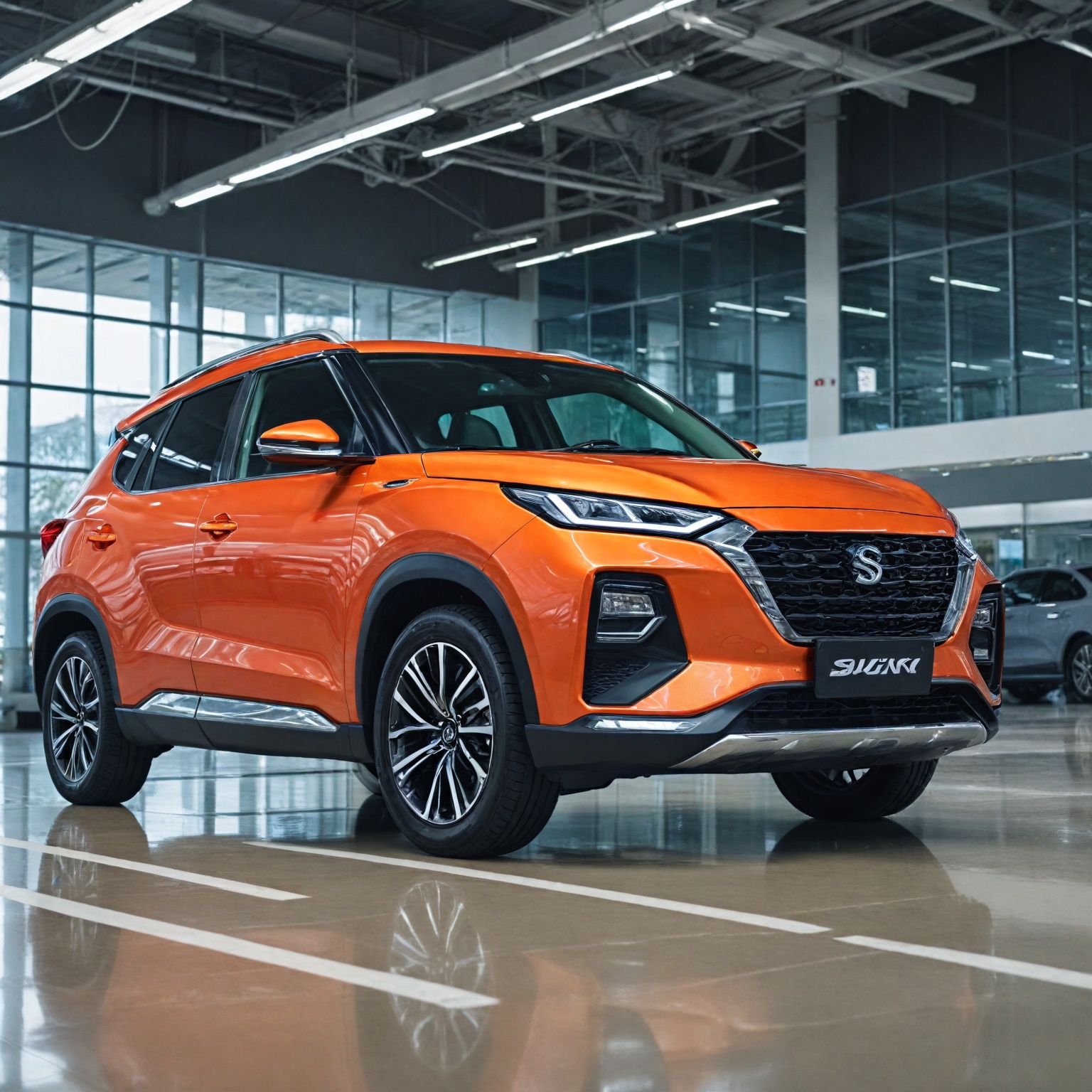
The Suzuki Fronx scored slightly lower yet still within the five-star range, with 29.37 in AOP, 38.94 in COP, 16.50 in Safety Assist, and 8.00 in Motorcyclist Safety. Its safety suite includes forward collision warning and lane keep assist as standard, with optional autonomous emergency braking (AEB) and blind spot detection, further bolstering its occupant safety profile.
These vehicles exemplify the evolving landscape of automotive safety in Southeast Asia, balancing rigorous crash protection with advanced active safety systems. The 2021–2025 ASEAN NCAP protocol has played a crucial role in pushing manufacturers toward integrating driver assistance technologies that reduce accident risks while maintaining high standards for occupant protection. Notably, these achievements precede the 2026–2030 ASEAN NCAP protocol, which will place even greater emphasis on advanced driver assistance systems (ADAS).
Comparative Analysis
The ASEAN New Car Assessment Program (ASEAN NCAP) provides a rigorous framework for evaluating vehicle safety, with a focus on occupant protection, pedestrian safety, and active safety technologies. This comparative analysis examines the performance of the MG S5, Zeekr X, BYD Seal, and Suzuki Fronx Shine models, all of which have achieved five-star safety ratings under the 2021-2025 ASEAN NCAP assessment cycle.
The ASEAN NCAP categorizes vehicles based on their structural characteristics, recognizing that occupants of heavier or higher-structure vehicles tend to fare better in crash scenarios than those in lighter or lower cars. Consequently, test protocols are adapted to vehicle categories to ensure fair and relevant assessments. This approach balances the need for stringent safety standards with practical considerations for diverse vehicle designs and market requirements.
While ASEAN NCAP shares common objectives with other global safety organizations, such as Euro NCAP and ANCAP, it occupies a middle ground in test severity and focus. For example, the Insurance Institute for Highway Safety (IIHS) in the United States conducts side barrier impact tests with mobile barriers significantly heavier than those used in Euro NCAP and ANCAP assessments. In contrast, ASEAN NCAP’s protocols aim to promote comprehensive safety improvements without imposing excessive cost burdens on manufacturers, encouraging wider adoption of safety features across the region.
The four five-star rated vehicles—MG S5, Zeekr X, BYD Seal, and Suzuki Fronx Shine—demonstrate excellence across multiple dimensions of safety evaluation. MG vehicles, for instance, undergo rigorous global testing that assesses adult and child occupant protection, pedestrian safety, and advanced driver-assistance systems. Their impressive safety ratings reflect the integration of these comprehensive features tailored to each model’s design. Similarly, the Zeekr X and BYD Seal models incorporate advanced active safety technologies aligned with Euro NCAP’s 2025 Roadmap goals, which emphasize primary safety measures that reduce traffic accidents and fatalities.
It is important to note that safety ratings, while indicative of robust engineering, are subject to the harshness of testing criteria. For example, a three-star rating might be considered adequate due to stringent evaluations of driving aids and other safety features. The five-star ratings achieved by these vehicles, therefore, underscore their superior safety engineering and technological integration in comparison to typical standards.
Impact and Significance
The attainment of five-star ratings by models such as the MG S5, Zeekr X, BYD Seal, and Suzuki Fronx in the 2021-2025 ASEAN NCAP assessments underscores a pivotal advancement in automotive safety standards across Southeast Asia. ASEAN NCAP’s role as a regional safety authority aims to elevate vehicle safety benchmarks, increase consumer awareness, and stimulate demand for safer vehicles within rapidly evolving mobility markets in the region.
By adhering to ASEAN NCAP’s dedicated test protocols, which evaluate Adult Occupant Protection, Child Occupant Protection, Safety Assist features, and Motorcyclist Safety, these vehicles demonstrate comprehensive safety performance tailored to the specific needs and conditions of Southeast Asian consumers. This regional focus is significant given the variable safety regulations and market conditions that exist worldwide, as manufacturers often produce distinct vehicle variants for different markets to meet localized requirements and consumer expectations.
The impact of these five-star ratings extends beyond consumer confidence, as it places pressure on manufacturers to commit substantial resources to vehicle safety development and testing. For example, rigorous testing procedures and compliance with ASEAN NCAP’s standards, including mandatory display of safety labels in countries like Malaysia, foster transparency and informed purchasing decisions among consumers. Moreover, the recognition of structural and category-specific performance, such as the advantage heavier or higher-structured vehicles may have in occupant protection, reflects the program’s nuanced approach to assessing real-world safety.
Ultimately, these achievements contribute to a broader cultural shift toward prioritizing both passive and active safety technologies within the region’s automotive market. This aligns ASEAN NCAP’s efforts as a balance between global safety standards and regional realities, similar to the diverse focuses observed in other NCAP organizations worldwide. The resultant push for improved safety not only benefits vehicle occupants but also addresses broader concerns such as pedestrian and motorcyclist protection, thereby advancing overall road safety in Southeast Asia.
Criticisms and Limitations
The ASEAN NCAP safety assessment program, while valuable for promoting vehicle safety in Southeast Asia, faces several criticisms and limitations. One key concern is the non-compulsory nature of the tests, which means manufacturers can choose whether to sponsor their vehicles for testing or wait for the NCAP body to purchase them randomly. This voluntary approach can lead to selective testing and may not fully represent the entire market or all vehicle variants.
Furthermore, ASEAN NCAP attempts to balance between promoting better overall safety and maintaining realistic standards that do not compel carmakers to install costly safety features. This contrasts with other regional NCAPs like the United States’ IIHS, which places very high importance on passive safety and conducts particularly severe side barrier impact tests with heavier mobile barriers, potentially leading to stricter evaluation outcomes. In comparison, ASEAN NCAP’s protocols may not be as rigorous or comprehensive in certain aspects, which could limit the extent to which the ratings reflect real-world crash scenarios.
Another limitation is the variation in safety ratings among different models of the same manufacturer. For example, MG models may have different safety ratings depending on their specific design and safety features, which can lead to consumer confusion about the overall safety of a brand. Additionally, while some vehicles such as the Suzuki Fronx include advanced active safety systems like forward collision warning and lane keep assist, features like autonomous emergency braking (AEB) and blind spot detection are often only available as optional extras rather than standard equipment, potentially impacting the star rating and actual safety benefits for consumers.
Finally, ASEAN NCAP’s testing protocols, such as the Knee Mapping Sled Test and Side Impact tests established in 2019, represent a snapshot of current safety evaluation methodologies but may lag behind the rapid development of vehicle safety technologies, especially in active safety systems and pedestrian protection emphasized by other NCAP programs like Euro NCAP’s 2025 Roadmap. This could mean that some emerging safety concerns or innovations are not fully captured within ASEAN NCAP’s current framework, limiting its effectiveness in driving continuous improvement.
Future Developments
The ASEAN New Car Assessment Program (ASEAN NCAP) is set to update its test protocols for the period 2026-2030, with a stronger emphasis on Advanced Driver Assistance Systems (ADAS) to enhance vehicle safety assessments in Southeast Asia. This shift reflects the evolving automotive landscape, where emerging technologies are playing a critical role in occupant and pedestrian protection. The upcoming protocol aims to raise the bar further beyond the current 2021-2025 standards, which already incorporate comprehensive evaluations including Adult Occupant Protection, Child Occupant Protection, Safety Assist features, and Motorcyclist Safety.
As part of this progression, ASEAN NCAP plans to align its criteria more closely with global safety trends, potentially impacting the star rating thresholds and encouraging manufacturers to integrate more sophisticated safety aids. While the 2021-2025 protocol has been instrumental in certifying vehicles with rigorous testing, including those lacking extensive driving aids receiving three-star ratings, the future framework is expected to drive higher safety performance across the region.
In addition to updated protocols, ongoing collaborations such as the International Conference on Safety and Holistic Innovation for Future Vehicles (SHIFT 2025), jointly organised by the Malaysian Institute of Road Safety Research (MIROS) and ASEAN NCAP, highlight the commitment to fostering innovation and holistic safety improvements in vehicle design and evaluation. This continuous development aims to promote safer mobility and consumer awareness in Southeast Asia’s rapidly evolving automotive market.
These future enhancements in ASEAN NCAP’s assessment protocols will likely influence vehicle manufacturers to prioritize ADAS and other safety technologies, thereby improving overall road safety and aligning Southeast Asian vehicle safety standards with international benchmarks.