Summary
Revving Up the Past: Discovering Salvaged Muscle Cars explores the passionate pursuit of uncovering, restoring, and preserving classic American muscle cars that have often been forgotten, damaged, or abandoned. Muscle cars, which rose to prominence in the 1960s and 1970s, are renowned for their powerful V8 engines, bold designs, and cultural significance as symbols of American freedom and youthful rebellion. This theme highlights the unique challenges and rewards associated with sourcing salvaged vehicles—cars declared total losses by insurers but still rich in authentic parts—and the intricate restoration processes that bring them back to life.
The salvaging and restoration of these vehicles require a blend of technical expertise, historical knowledge, and dedication. Salvaged muscle cars provide an affordable avenue for enthusiasts and collectors to access rare, original components that are often unavailable through standard parts suppliers, helping maintain the authenticity and integrity of these iconic machines. Restoration efforts encompass extensive bodywork, mechanical refurbishment, and compliance with complex legal regulations surrounding salvage titles and vehicle registration. The use of specialized tools and techniques ensures that restored cars not only look as they did when new but also perform safely and reliably.
However, this niche faces notable controversies and challenges. Title branding practices like “title washing” can obscure a vehicle’s true history, complicating resale and insurance. Furthermore, the balance between preserving originality and incorporating modern upgrades—seen in debates over “restomod” versus authentic restorations—reflects differing philosophies within the muscle car community. Despite these issues, the vibrant network of enthusiasts, restoration experts, and vintage car clubs fosters knowledge-sharing and supports the ongoing revival of these cultural treasures.
Ultimately, Revving Up the Past celebrates more than just mechanical restoration; it embodies a cultural movement dedicated to preserving an important era of American automotive history. By rescuing salvaged muscle cars and restoring them to their former glory, enthusiasts keep alive the legacy of raw power, style, and nostalgia that continues to captivate new generations.
History of Muscle Cars
The history of muscle cars can be traced back to the late 1940s, with the 1949 Oldsmobile Rocket 88 widely recognized as the first true muscle car. This pioneering vehicle combined a lightweight body derived from the Oldsmobile 76 with a high-compression overhead valve V8 engine, setting a new benchmark for performance and design. Its dominance on racetracks and cultural significance, particularly its association with early rock ‘n’ roll, made it a symbol of post-war optimism and innovation in America.
Although the Rocket 88 marked the formal beginning of the muscle car era, the roots of these vehicles extend further back, tracing influences to automotive developments in the 1920s. The late 1940s and 1950s laid the foundational groundwork for what would become the golden age of muscle cars, characterized by raw power and thrilling handling.
The 1960s and 1970s are often regarded as the muscle car glory days, a period when these vehicles became emblematic of American automotive culture and left an indelible mark on industries beyond cars, including music, movies, and popular culture at large. During this time, muscle cars reached new heights in performance and style, cultivating a passionate cult following and creating a significant market for these high-powered machines.
Despite their popularity, muscle cars faced a decline by the mid-1970s due to a combination of factors including tightening emissions regulations, rising insurance costs, and the oil crisis. Nonetheless, muscle cars have endured as cultural icons and continue to inspire restoration efforts and modern iterations, cementing their status as a central piece of American automotive heritage.
Salvaged Muscle Cars
Muscle cars, emblematic of American automotive culture in the 1960s and 1970s, are celebrated for their powerful engines and thrilling performance, earning a devoted following among car enthusiasts. However, restoring these classic vehicles can be costly, especially when it comes to sourcing rare and original parts that are often no longer in production. Salvaged muscle cars provide an affordable alternative by offering access to authentic components that preserve the vehicle’s original look and power, making restoration projects more practical and financially feasible for hobbyists, collectors, and body shops.
A salvage title is typically assigned when a vehicle is declared a total loss by an insurance company after significant damage, such as from accidents or natural disasters. Despite the damage, many critical components—engines, transmissions, and body panels—may remain in good condition, allowing buyers of salvage cars to acquire valuable parts at a fraction of the cost of new factory replacements. Purchasing a salvaged muscle car often means obtaining not just one vehicle, but a collection of usable parts that can be refurbished or swapped to bring these American classics back to life.
Registering and insuring salvaged muscle cars can be challenging due to varying state regulations and legal requirements. Many states impose strict inspections and bureaucratic procedures before allowing salvaged vehicles to be retitled or registered for road use, and insurance options are often limited or more expensive compared to clean-title cars. Some states may even refuse to register salvage vehicles altogether or require a “rebuilt salvage” title after repairs and inspections have been completed to ensure safety and roadworthiness.
Title branding and transfer laws can further complicate ownership. Practices like “title washing,” where a vehicle’s salvage designation is removed by registering it in a different jurisdiction, are legal but controversial and contribute to inconsistencies in title histories across states. While some states offer opportunities to clean a salvage title after proper repairs, many vehicles carry their branded titles permanently, affecting resale value and insurance availability.
Restoration of salvaged muscle cars involves careful bodywork to address rust and damage. Techniques include rust removal, application of rust inhibitors, panel repair or replacement, and precise alignment of body parts to maintain the vehicle’s original aesthetics and structural integrity. This meticulous process, combined with the acquisition of authentic salvage parts, helps preserve the muscle car’s legendary combination of raw power, bold design, and nostalgic appeal.
Restoration of Salvaged Muscle Cars
Restoring salvaged muscle cars involves a meticulous process aimed at preserving the vehicle’s historical value while returning it to a functional and aesthetically pleasing condition. The restoration journey typically begins with a thorough assessment of the car’s condition, including identifying the level of rust damage, mechanical wear, and interior degradation.
Interior Restoration
The interior restoration focuses on reconditioning seats, dashboards, consoles, and trim pieces. While some interior components may be difficult to reproduce or are original and valuable, they can often be restored using specialized techniques such as cleaning, re-dyeing, repainting factory colors, and re-chroming metal trim. Achieving an authentic look not only satisfies nostalgic appeal but also increases the vehicle’s overall value.
Initial Assessment and Rust Treatment
Rust is a critical concern in muscle car restoration, as it compromises both the structural integrity and appearance of the vehicle. Effective rust treatment often requires the use of rust converters and inhibitors to halt corrosion and protect the metal for the long term. Salvageable body panels may be repaired by hammering out minor dents or using body fillers, while severely damaged panels need to be replaced with original or reproduction parts that are carefully fitted and welded to maintain proper alignment and aesthetics.
Mechanical and Electrical Restoration
A core component of restoration involves rebuilding or refurbishing the engine, drivetrain, suspension, and braking systems to ensure reliable and safe operation. This phase is often the most technically demanding, requiring precision machining, sourcing authentic components, and tuning for optimal performance. Electrical systems in older muscle cars tend to deteriorate and may require extensive rewiring or upgrades. The use of electrical testers is essential to diagnose and fix these issues while striving to maintain authenticity.
Paint and Finishing
High-quality paintwork is crucial for an authentic finish, often involving single-stage paint applications similar to the factory originals, which can be challenging to apply. This step complements the extensive metalwork that forms the foundation of the restoration. The paint job represents the visible glamour of the restoration but relies on the solid groundwork established by rust repair and panel fitting.
Compliance and Documentation
Before purchasing or restoring salvage title vehicles, understanding state-specific regulations regarding inspection, registration, and insurance is vital to ensure legal operation and avoid complications. Throughout the restoration, documenting the process and sourcing parts from specialized dealers, salvage yards, or vintage clubs help maintain historical accuracy and authenticity. Preservation of original components, when possible, adds to the car’s value and historical significance.
Tools and Expertise
Restoration requires a wide array of tools including auto body kits, engine hoists, paint booths, electrical testers, and various hand and power tools. The complexity of some tasks, such as welding rusted frames or rebuilding engines, often necessitates professional skills or extensive automotive knowledge. Safety precautions and quality workmanship are paramount to achieving a successful and lasting restoration.
By balancing preservation with careful replacement and repair, restoring salvaged muscle cars not only revives these powerful American classics but also preserves an important piece of automotive history.
Specialized Tools and Techniques
Restoring a salvaged muscle car requires a variety of specialized tools and techniques to ensure the vehicle is returned to its former glory. Essential automotive restoration tools include drills, sheet metal scissors, wire brushes, grinders, saber saws, and other electrical tools, all of which are subject to wear over time and may need replacement at relatively low cost. Additionally, a vital socket and wrench set tailored to the specific vehicle is necessary for working with nuts and bolts throughout the restoration process.
One of the most challenging aspects of restoration is addressing rust, which can severely compromise both the structural integrity and appearance of the car. Effective rust treatment often involves the use of rust converters and inhibitors to halt corrosion and prevent its recurrence. Removing and repairing rusted panels, floors, and frames requires specialized welding and fabrication skills, making this a time-consuming and costly phase. Minor dents can often be fixed by hammering or filling with body filler, but severely damaged panels may need to be replaced with original or reproduction parts that must be carefully fitted and welded to maintain proper alignment and aesthetics.
The expertise of professional restorers is particularly valuable when dealing with complex areas such as the vehicle’s interior. Special techniques and knowledge about authentic materials and color matching are crucial for an accurate restoration, and professionals can provide access to these specialized resources. Furthermore, the disassembly and assessment phase of restoration benefits greatly from experience, as it involves determining what parts are salvageable, which require re-fabrication, and what new panels or components must be ordered to rebuild the car’s foundation from the metal up.
Sourcing authentic replacement parts poses another significant challenge. Many classic muscle car parts are no longer in production, necessitating thorough searches through salvage yards, specialized suppliers, online marketplaces, and vintage car clubs to obtain high-quality components. Planning and procuring these parts early in the restoration process is critical for a successful project.
Maintaining Authenticity and Historical Integrity
Preserving the authenticity and historical integrity of salvaged muscle cars is a central goal for many restorers and enthusiasts. Authentic parts play a crucial role in maintaining the vehicle’s original factory specifications and aesthetic, thereby ensuring historical accuracy throughout the restoration process. These parts can often be sourced through specialized dealers or reputable online marketplaces, although aftermarket components are also available and sometimes preferred for improved performance or cost-effectiveness. Regardless of the source, it is essential to verify the compatibility and quality of replacement parts to uphold the car’s integrity and value.
Restorers face a choice between preserving the original components and opting for modern replacements, which has led to distinctions such as the “restomod”—a vehicle restored with non-original, updated parts. However, many purists prioritize authentic restorations to retain the nostalgic look and to achieve a higher overall value for the car. This approach respects the vehicle’s original design and assembly methods, thus preserving its historical significance.
Attention to detail extends beyond mechanical components to the vehicle’s interior and exterior finishes. Upholstery, dashboard elements, and paintwork should ideally reflect the car’s original style to enhance authenticity and appeal. High-quality paintwork and meticulous upholstery restoration contribute to a genuine appearance that satisfies both historical fidelity and collector preferences.
To maintain the car’s value and protect its restored condition, it is recommended to store the vehicle in a climate-controlled environment, follow a regular maintenance schedule, and thoroughly document all restoration activities. Such practices help safeguard the vehicle against deterioration and provide a transparent record of its authenticity and restoration history.
Given the complexity of restoring classic muscle cars, especially when aiming for historical accuracy, gaining basic automotive knowledge or seeking professional assistance is advisable. The restoration process often involves refurbishing engines, transmissions, suspensions, and brakes, requiring specialized tools and expertise to ensure quality and safety.
Collecting and Preserving Salvaged Muscle Cars
Collecting salvaged muscle cars offers enthusiasts a unique opportunity to acquire authentic American classics at a more affordable price compared to fully restored or new vehicles. Salvage muscle cars often come from vehicles that have been in accidents or otherwise deemed total losses by insurers, yet many of their components—such as engines, transmissions, and body panels—remain in excellent condition. This availability of usable parts allows collectors and restorers to rebuild these iconic cars while maintaining their original look and performance.
The process of preserving salvaged muscle cars involves a careful balance between restoration and preservation. Restoration typically includes removing, repairing, or replacing parts to return the vehicle to like-new condition or better. Preservation, on the other hand, focuses on retaining as many original components as possible to maintain the car’s historical authenticity. Vehicle owners and restorers may choose different approaches depending on their personal preferences and the car’s condition.
In some cases, after an insurer pays a total loss claim, the vehicle may be returned to the owner as an insurance buy-back. The owner then assumes responsibility for repairs and must have the car inspected by a state-designated facility. Depending on state regulations, a salvage brand on the vehicle’s title may be removed after inspection, facilitating its legal return to the road. This process enables collectors to legally restore and preserve salvaged muscle cars while ensuring safety and compliance.
The restoration of salvaged muscle cars is supported by a tight-knit community of enthusiasts, restoration shops, and specialized businesses. Partnering with shops that focus on specific makes and models can greatly enhance the restoration experience, providing access to expert knowledge and rare parts. This collaborative environment fosters the sharing of skills, tools, and success stories among collectors, further enriching the culture of muscle car preservation.
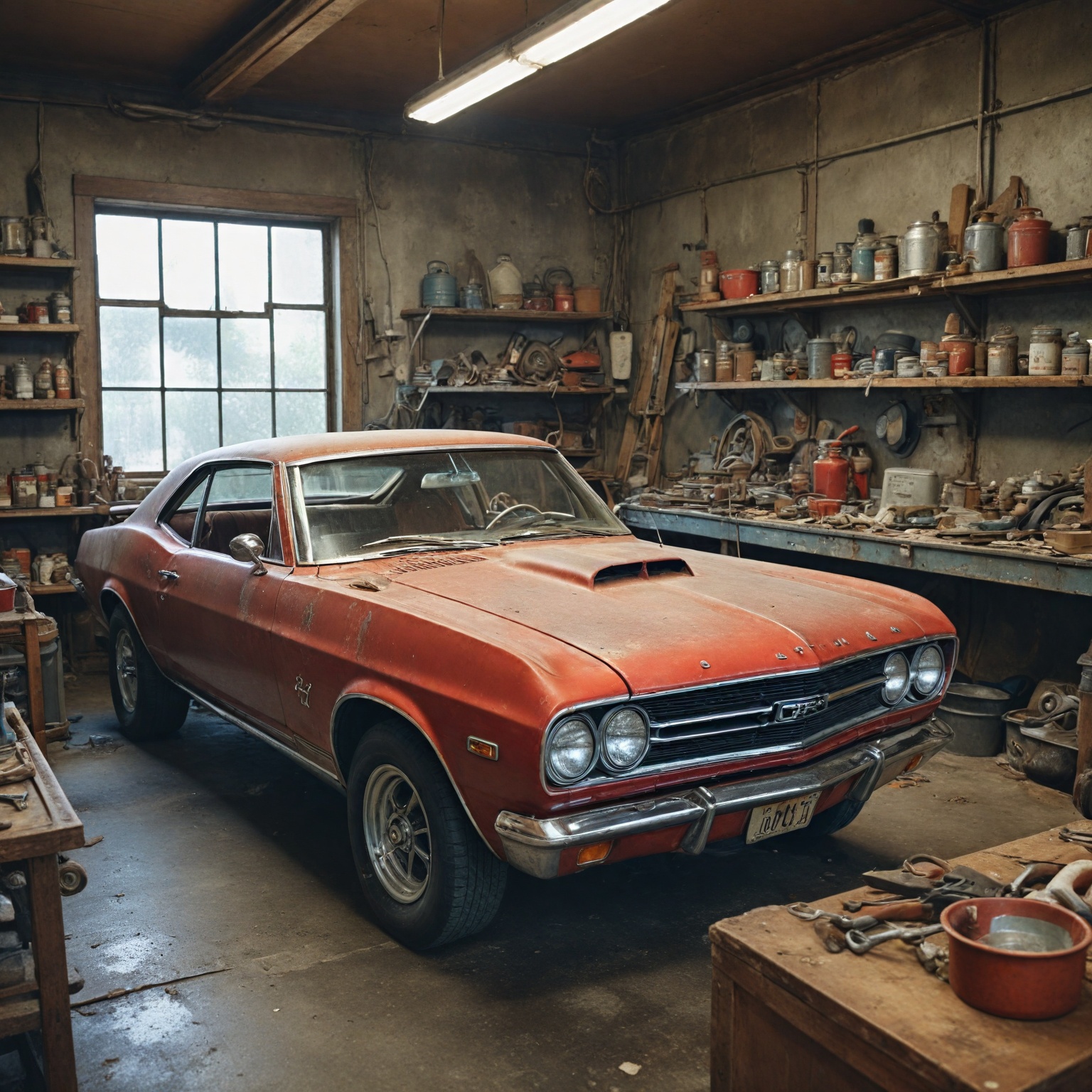
Moreover, many collectors enjoy the thrill of discovering “barn finds”—muscle cars hidden away in garages or storage for decades. These finds not only offer restoration opportunities but also serve as tangible links to America’s automotive history. Enthusiasts use various methods to locate these hidden treasures, including networking with veteran collectors and scouring classified listings, making the pursuit of salvaged muscle cars a passionate and rewarding endeavor.
Through diligent restoration and preservation efforts, salvaged muscle cars can be revived to their former glory, allowing new generations to appreciate these powerful symbols of American automotive heritage.
Cultural Impact and Significance
Muscle cars represent a golden era of American automotive engineering, embodying raw power, bold designs, and exhilarating speed. They have become iconic symbols of freedom, rebellion, and the adrenaline-fueled driving experience that defined a bygone era. Emerging in the 1960s, muscle cars quickly captured the spirit of a generation that craved speed and power, turning these vehicles into powerful cultural icons.
Beyond their mechanical prowess, muscle cars have had a profound influence on American popular culture. Movies, music, and television of the 1960s and 1970s frequently glorified themes of speed and rebellion, reinforcing the muscle car’s image as a symbol of independence and youthful defiance. This widespread cultural resonance helped embed muscle cars deeply into the national consciousness, where they continue to
Revving Up the Past: Discovering Salvaged Muscle Cars Theme
The theme of “Revving Up the Past: Discovering Salvaged Muscle Cars” centers on the thrilling pursuit of uncovering and restoring iconic American muscle cars that have long been forgotten or hidden away. At its core, this theme captures the passion for rediscovering these powerful vehicles—often referred to as “barn finds”—and the intricate process of bringing them back to life through restoration.
Central to this theme is the fascination with the history and culture surrounding muscle cars such as the Ford Mustang and Chevrolet Camaro, which represent not only raw power and style but also embody the American dream. Enthusiasts and restorers are drawn to the challenge of salvaging these vehicles from obscurity, whether they are discovered in dusty garages, abandoned barns, or through connections within the tight-knit muscle car community.
The restoration journey emphasizes the blend of art and science involved in returning these classic cars to their former glory. Skilled artisans must expertly assess what parts of a car are salvageable, what requires re-fabrication, and what new components must be sourced to rebuild the vehicle’s foundation from the metal up. This meticulous work underscores the unseen craftsmanship beneath the glamorous paint and finished exterior.
Furthermore, the theme explores the dedication required to navigate the salvage process, including the traditional methods of networking, prospecting, and negotiating with owners. These efforts often involve targeting specific car shows or collections that align with the muscle car focus, though this can sometimes mean overlooking other valuable vehicles in pursuit of thematic consistency.
Ultimately, “Revving Up the Past” celebrates the dual thrill of discovery and preservation. Enthusiasts who successfully restore these muscle cars not only recapture a piece of automotive history but may also find tangible rewards in their labor, as restored classics often carry significant value. The theme also highlights the importance of passing down these treasures to future generations, ensuring the legacy of American muscle cars endures.