Highlights
- Embrace solar energy systems to reduce costs and increase independence from the grid.
- Learn about innovations making solar power more accessible and sustainable for homeowners.
Summary and Overview of Solar Energy Systems
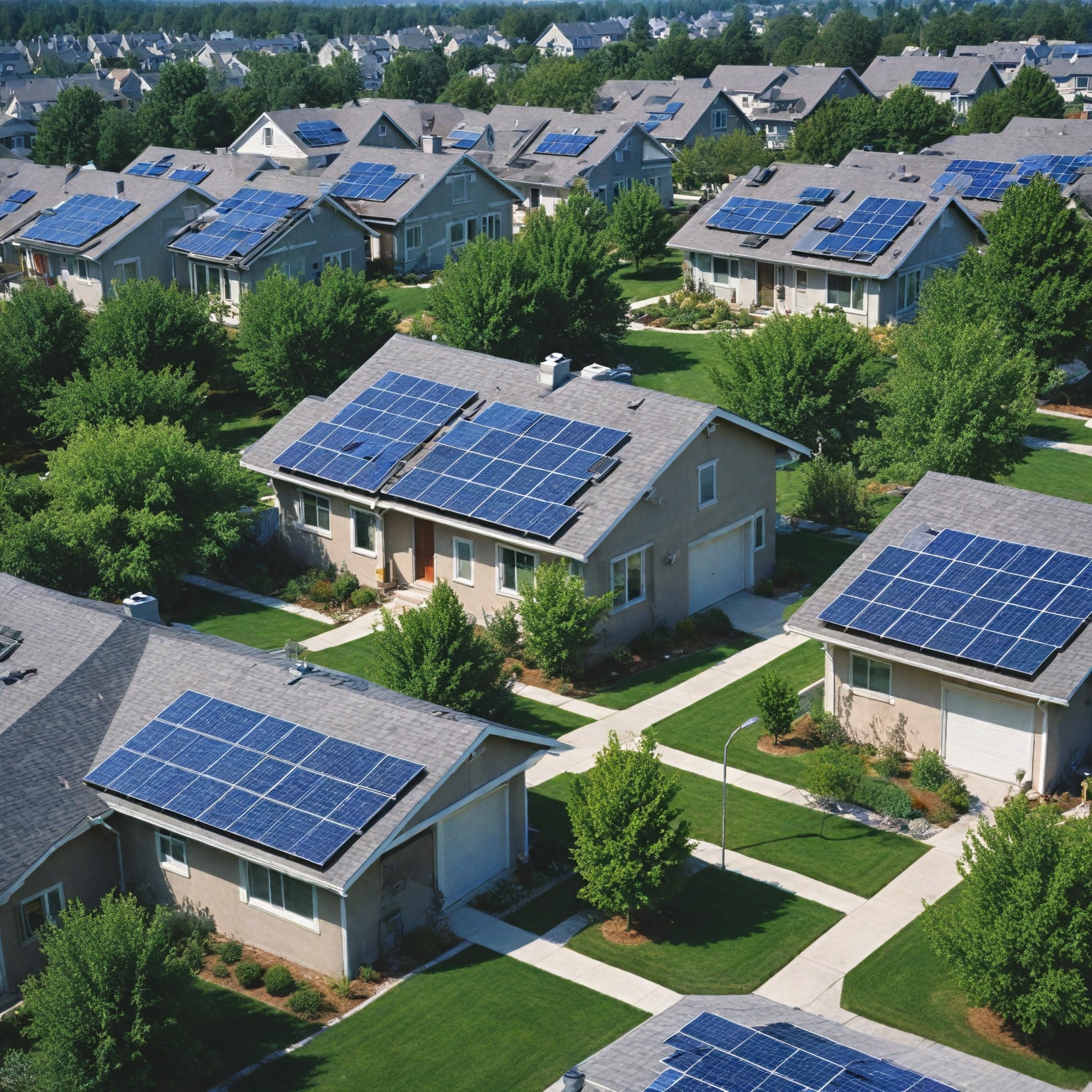
Residential solar energy systems primarily use photovoltaic (PV) panels to convert sunlight into electricity, often roof-mounted and combined with inverters and lithium-ion batteries for energy storage. These systems reduce grid dependence, lower energy costs, and cut household carbon emissions by 3 to 4 tons annually. Incentives like federal tax credits, rebates, and net metering drive adoption, while community solar projects expand access for renters or those with unsuitable roofs. Emerging technologies improve efficiency and backup power capabilities, despite challenges like high upfront costs, regulatory hurdles, and environmental concerns related to panel manufacturing and disposal.
How Solar Energy Systems Work
PV panels convert sunlight into direct current (DC), which inverters change into alternating current (AC) for home use. Charge controllers prevent battery overcharging, while lithium-ion batteries store excess energy for nighttime or outages. Systems often include meters for net metering, tracking electricity flow. Some setups integrate advanced storage technologies like pumped hydro to balance supply and demand. Together, these components enable efficient capture, conversion, storage, and management of solar power in homes.
Installation Process
Installation involves mounting panels on roofs using secure racking systems, optimized by design tools considering factors like roof pitch and shading. Homeowners should ensure site readiness and may benefit from all-in-one hybrid inverters to simplify setups. Professional installation is essential due to electrical and safety risks. Obtaining multiple quotes helps find qualified installers offering the best value and expertise.
Benefits and Economic Considerations
Solar systems reduce energy bills and increase property values by 4% to 6%. Federal tax credits cover 30% of installation costs through 2033, with additional state incentives and net metering enhancing savings. Systems paired with battery storage provide backup power during outages, increasing energy resilience. Payback periods vary, often exceeding nine years depending on location and incentives, but financing options and community solar programs improve accessibility. Market factors like increased panel availability and advances in recycling also influence economic viability.
Maintenance and Longevity
Solar panels typically last over 30 years with approximately 25-year warranties, though efficiency declines about 0.45% annually. Maintenance includes quarterly cleaning and inspections to remove dirt and identify damage, often performed by certified professionals. Inverters may require replacement every 12 years. Average annual maintenance costs are around $180. Regular monitoring helps detect performance issues, ensuring long-term energy savings and system reliability.
Challenges and Environmental Impact
Challenges include installation hazards, regulatory complexities, and grid interconnection delays. Environmental concerns arise from hazardous materials in panels and solar thermal fluids requiring careful disposal. Recycling initiatives and evolving regulations, such as EPA updates, aim to improve sustainable end-of-life management. Financially, high upfront costs and limited battery storage capacity pose barriers. Additionally, variable sunlight, shading, roof condition, and local restrictions affect system performance and feasibility.
Advancements in Recycling Technologies and Policies
New recycling methods can recover up to 95% of materials from end-of-life solar panels, improving resource efficiency. Policies like Washington state’s stewardship program mandate manufacturer-funded recycling, while recent EPA rules encourage third-party recycling under specific conditions. However, inconsistent state regulations and the presence of hazardous metals complicate disposal efforts. The U.S. Department of Energy supports initiatives to enhance recycling and balance environmental and economic outcomes within a circular economy framework.
Future Trends in Residential Solar Energy
Future developments focus on cost reductions, improved recycling, smart energy management, and integrated storage solutions. These advances aim to make solar power more affordable, efficient, and sustainable. Energy storage will enhance system resilience despite conversion losses. Government incentives continue to promote adoption, increasing home values and energy independence. Collectively, these trends will expand residential solar’s role in a cleaner, smarter energy future.
Case Studies and Success Stories
Residential solar systems have reduced carbon emissions by 3 to 4 tons annually per home and increased property values by up to 6%. Community solar programs broaden access for those unable to install personal systems. Industry improvements, including field service management and supply chain diversification, have enhanced project reliability and cost efficiency. Advances in solar panel recycling lower environmental impact and costs, while life-cycle assessments confirm significant greenhouse gas reductions from solar thermal systems. These examples demonstrate solar’s positive impact on energy efficiency, environmental responsibility, and industry resilience.
The content is provided by Harper Eastwood, Gear Shift Zone