
Introducing the 2026 Renault Clio: A Bold, Roomier Sixth Generation with Hybrid Power and Striking New Design!
Summary
The 2026 Renault Clio marks the sixth generation of Renault’s popular French supermini, debuting with a bold new design, advanced hybrid powertrains, and cutting-edge technology. Building on the model’s longstanding success, the new Clio adopts an upgraded platform that supports both full hybrid and conventional petrol engines, reflecting Renault’s strategic shift toward electrification and sustainability in response to tightening emissions regulations and evolving consumer preferences.
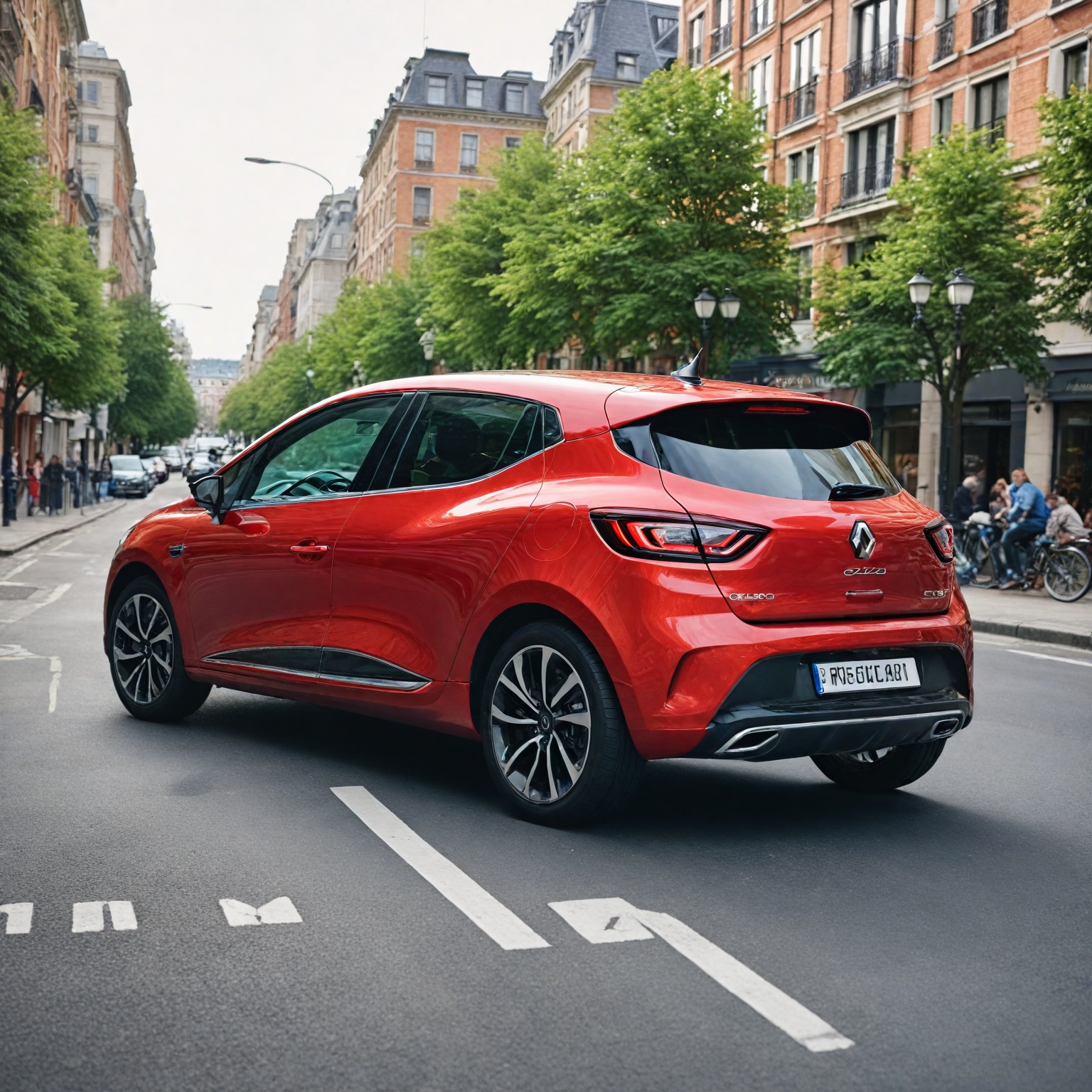
Visually, the sixth-generation Clio presents a striking exterior inspired by the Embleme concept car, featuring a chiselled and sensual silhouette with strong Latin influences. Its dynamic design includes a distinctive LED lighting signature, hidden rear door handles, and a sculpted body that conveys a sporty yet refined character. Inside, the Clio introduces a technologically advanced cabin highlighted by a double V-shaped digital display running the OpenR Link multimedia system with Google integration—the first in its segment—alongside high-quality materials and increased use of recycled fabrics that emphasize both comfort and sustainability.
Powertrain options are led by the innovative full hybrid E-Tech 160hp system, which utilizes a multimode intelligent gearbox inspired by Formula 1 technology to optimize efficiency and performance. This hybrid powertrain enables up to 80% of urban trips to be completed on electric power alone, while offering improved fuel economy and reduced CO2 emissions compared to previous generations. Traditional petrol engines remain available, although diesel variants are being phased out in favor of hybrid technology, marking a significant transition in the Clio’s lineup.
The new Clio also sets new standards in safety and driver assistance with up to 29 advanced features, including emergency trajectory correction and automatic emergency braking in reverse, contributing to strong Euro NCAP ratings. While the model has been widely praised for its modern styling, technological innovations, and environmental focus, some criticism persists regarding limited rear-seat space and comfort, especially for taller passengers. Overall, the 2026 Renault Clio positions itself as a leading contender in the highly competitive subcompact segment, balancing performance, connectivity, and eco-conscious design.
Development and Launch
The sixth generation of the Renault Clio is set to debut in 2026, continuing the model’s legacy as a popular French supermini while embracing a new era of electrification and advanced design. Building on the success of previous generations, Renault has developed this latest iteration on an upgraded version of the Ampr Small platform, allowing for the integration of both hybrid and electric powertrain options. This strategic move aims to cater to modern drivers, particularly young families seeking an efficient and environmentally friendly hatchback.
Renault’s design team has taken a bold new direction with the sixth generation, creating an exterior that is described as chiselled, sensual, and infused with strong Latin character. Inspired by the Embleme concept car, the vehicle features a sculpted silhouette and a striking LED lighting signature, enhancing its dynamic and expressive presence on the road. The full hybrid E-Tech 160hp engine leads the powertrain lineup, showcasing innovative technology that balances high performance with exceptional efficiency.
Inside, the new Clio embraces a technological revolution, upgrading the interior with high-quality materials and a sophisticated design that elevates perceived quality. The cabin incorporates a double V-shaped digital display equipped with the OpenR Link multimedia system, which includes Google integration—making it the first model in its segment to offer such advanced connectivity features.
This fresh approach to design and technology reflects Renault’s commitment to evolving the Clio’s identity while retaining the DNA that has made previous models successful. The sixth generation promises to be an extremely technical and high-precision vehicle, marking a significant milestone in the Clio’s evolution as it prepares for its official launch in 2026.
Exterior Design
The 2026 Renault Clio showcases a bold and modern exterior design that blends dynamic sculpting with traditional Renault elements. Its redesigned body projects big-car vibes while maintaining signature touches such as the “hidden” rear door handles integrated seamlessly into the C-pillars. A distinctive feature of the front end is the familiar C-shaped lighting motif, now reinterpreted as striking LED daytime running lights positioned below the main headlights, enhancing the car’s aggressive and expressive look.
The grille and lower air intake are adorned with dozens of tiny rhombus patterns, echoing the Renault badge and adding to the model’s refined aesthetic. The front fascia further includes angular headlamps flanking a hexagonal-shaped grille, complemented by “parentheses” daytime running lights framing black panels and the lower intake, creating a visually compelling and sporty appearance.
Despite being a hatchback, Renault has equipped the Clio with black wheel arches that provide a robust visual presence on the road. The rear design features a steeply-raked windscreen, a sculpted bonnet, and four hexagonal-shaped taillights. Additionally, a roof spoiler and a distinctive line running across a recessed section for the number plate contribute to the vehicle’s sleek profile. The Clio’s streamlined silhouette alternates between concave and convex shapes, highlighted by precise tension lines that capture light and add liveliness and dynamism to the overall form.
Renault’s design philosophy for the sixth generation Clio emphasizes a sensual and chiselled aesthetic with strong Latin influences, drawing inspiration from the Embleme concept. This results in a more desirable and expressive hatchback, with exterior refinements such as 18-inch alloy wheels and a wider stance, further amplifying its sporty and technical character.
Available in seven body colors, including new shades Absolute Red (with a coloured clearcoat) and Absolute Green, the Clio caters to diverse style preferences. Other color options are Glacier White, Ceramic Grey, Shadow Grey, Diamond Black, and Iron Blue. Overall, the Clio’s exterior dimensions include a width of 1798 mm (mirrors folded), a height of 1439 mm, and a wheelbase measuring 2583 mm, combining visual presence with practical proportions for urban and suburban driving.
Interior Features
The 2026 Renault Clio boasts a thoroughly modern and refined interior that enhances comfort, technology, and sustainability. The cabin has been upgraded with high-quality materials, including upholstery featuring embroidered patterns with blue top-stitching and steering wheel detailing in tricolour red, white, and blue stitching, reflecting attention to detail and French heritage. The brand-new seat design incorporates recycled materials, emphasizing Renault’s commitment to sustainability while providing a dynamic and comfortable driving environment. Depending on the trim, these seats also feature colored topstitching and graphics that echo the overall interior theme.
The spacious passenger compartment continues to accommodate five people comfortably, though taller passengers over six feet may find headroom and knee space somewhat limited, particularly in the rear seats where the narrow central seat and raised cushion reduce comfort for three adults. Nevertheless, the cabin benefits from an increased length, width, and height compared to its predecessor, offering a more open and inviting environment.
Technological advancements play a key role in the Clio’s interior. The dashboard features a double V-shaped digital display that integrates the instrument cluster and infotainment system side-by-side, running Renault’s latest OpenR Link multimedia system with Google built-in. This setup allows seamless access to apps such as Google Maps, Google Assistant, and the Google Play Store, providing a highly connected and intuitive digital experience. Additional tech amenities include two USB-C ports, a wireless charging pad, and a 12V socket at the rear, catering to modern connectivity and charging needs.
The cabin’s ambience is enhanced with customizable ambient lighting offering 48 color options, extending beyond the dashboard to the door cards, and a compact steering wheel inspired by higher segment models. Available upgrades include a premium Harman Kardon audio system for an immersive sound experience. New storage solutions, such as a central console with a closed compartment featuring a soft articulated lid, add practicality without compromising on style.
Renault has also equipped the Clio with features that elevate everyday convenience, including an electric parking brake—particularly useful in urban environments—and a range of advanced driver-assistance systems (ADAS), numbering up to 29, which underscore the model’s focus on safety and ease of driving. The use of recycled and sustainable materials combined with cutting-edge technology and thoughtful design makes the 2026 Renault Clio’s interior a standout in the subcompact segment.
Powertrain
The 2026 Renault Clio’s powertrain lineup is led by the advanced full hybrid E-Tech 160hp system, which represents the pinnacle of the sixth generation’s technological innovation. Developed by Horse Powertrain, this hybrid powertrain features a unique multimode intelligent gearbox inspired by Formula 1 technology, combining two ratios for the electric motor with four for the combustion engine, resulting in 15 possible gear pairings that optimize performance, efficiency, and emissions. This sophisticated setup allows the Clio to accelerate from 0 to 62 mph (100 km/h) in 8.5 seconds while maintaining record-low CO2 emissions of just 89 g/km and achieving combined fuel consumption of up to 72.4 mpg, delivering fuel savings of up to 40% compared to a conventional petrol engine.
The full hybrid system employs a naturally aspirated 1.8-liter four-cylinder engine running on the Atkinson cycle, paired with two electric motors to provide a combined output of 160 horsepower, which is 15 hp more than the previous generation. The battery is modest in capacity (around 1.2 kWh), allowing for brief all-electric driving—up to 80% of urban trips can be completed using electric power alone—but it recharges automatically during deceleration and braking, eliminating the need for plug-in charging. The Clio’s hybrid powertrain also offers four selectable driving modes, which adjust powertrain calibration and steering assistance to suit different driving conditions, from city commuting to more spirited driving.
In addition to the hybrid options, the sixth-generation Clio continues to offer a range of conventional internal combustion engines. These include new turbocharged petrol units such as the 1.0 TCe 100 and 1.3 TCe 130, as well as the naturally aspirated 1.0 SCe, and a 1.5-liter Blue dCi diesel producing 85 hp. However, the diesel variant is being phased out in favor of the full hybrid powertrain, marking a significant shift in the model’s offerings. Customers can choose from nine engine and gearbox combinations overall, providing a diverse array of choices tailored to different preferences and needs.
For those seeking a more traditional petrol experience, the entry-level 1.2-litre TCe 115 hp engine remains available, delivering a 0–62 mph time of 10.1 seconds and CO2 emissions from 114 g/km. This engine pairs with a manual gearbox and achieves a combined fuel economy of 56.5 mpg, balancing performance and economy in a conventional format. While the hybrid versions command slightly higher insurance costs, they remain competitive within their class, comparable to vehicles like the Toyota Yaris and notably below some rivals such as the Honda Jazz.
Safety and Driver Assistance
The 2026 Renault Clio offers a comprehensive suite of safety and driver assistance features, making it one of the most advanced models in its segment. Higher-end trims come equipped with up to 29 functions, including the newly introduced Active Driver Assist, front and rear detection with emergency trajectory correction, automatic emergency braking in reverse, safe exit alert for occupants, and emergency stop assist. These features enhance both active and passive safety, providing increased protection and support during various driving scenarios.
In terms of occupant protection, the Clio has demonstrated strong performance in Euro NCAP tests. The passenger compartment remained stable during the frontal offset test, with good protection for all critical body areas of the passenger dummy. The vehicle also offers good protection for the knees and femurs of both driver and passenger, and this level of safety extends to occupants of different sizes and seating positions. Child safety is well addressed, with good or adequate protection for 6- and 10-year-old child dummies in frontal and side barrier tests. The front passenger airbag can be disabled to accommodate a rearward-facing child restraint, with clear driver alerts regarding airbag status. All restraint types for which the Clio is designed can be properly installed and used.
The front seats and head restraints provide effective protection against whiplash injuries in rear-end collisions. The standard-fit autonomous emergency braking (AEB) system performed well in tests replicating low-speed city driving scenarios, where many whiplash injuries typically occur. Additionally, the Clio features an automatic parking brake as standard across all versions, complemented by a broad array of advanced driver assistance systems (ADAS) that are more numerous than in previous generations.
The Clio’s driver assistance technologies are further enhanced by its onboard system, which supports over-the-air updates and connected maintenance, ensuring that safety and convenience features remain up to date. Innovations such as the electric parking brake are particularly useful in urban environments, contributing to a more immersive and modern driving experience.
Dimensions and Interior Space
The 2026 Renault Clio’s sixth generation has grown notably in size compared to its predecessor, offering increased space and comfort for passengers. The vehicle measures approximately 4.12 meters in length, representing a 67-millimeter increase, with a width of 1.77 meters, up by 39 millimeters, and a height of 1.45 meters, which is 11 millimeters taller than the previous model. The wheelbase has been extended to around 2.59 meters, providing a more spacious cabin and enhancing driving dynamics.
In terms of overall exterior dimensions, the Clio has a front overhang of 833 millimeters, rear overhang of 637 millimeters, and a wheelbase of 2,583 millimeters, with an overall width of 1,798 millimeters including folded door mirrors, and an overall height of 1,439 millimeters. The boot capacity varies depending on the powertrain, with a minimum volume of 254 liters and a maximum of 1,006 liters, while the cargo space can reach up to 391 liters in certain configurations, although hybrid variants occupy additional space reducing available cargo capacity slightly.
Inside, the Clio accommodates five passengers with a focus on front-seat spaciousness, although rear passengers, especially those over six feet tall, may find knee and headroom limited due to the car’s compact dimensions. The cabin width is somewhat narrower than competitors like the Volkswagen Polo, making it challenging to seat three adults comfortably in the rear, partly due to a raised cushion on the central rear seat that compromises middle passenger comfort.
The interior showcases significant upgrades in materials and design. It features a double V-shaped digital display running the OpenR Link multimedia system with integrated Google services—a first in its segment. The dashboard integrates modern materials and textures, with the passenger side adorned in textile and ambient lighting offering 48 color options, complemented by white lighting in the door panels. The cabin also includes new storage solutions such as a closed compartment with a soft articulated lid within the central console, adding to the practicality.
Comfort and style are further enhanced with new seat designs that use recycled materials and colored topstitching, while higher trims feature upholstery with embroidered patterns and a steering wheel detailed in tricolor red, white, and blue stitching, adding a dynamic and refined touch to the driving environment. Practical amenities include lowered loading sills by 40 millimeters for easier luggage handling, two USB-C ports, a wireless charging pad up front, and a 12V socket in the rear, catering to modern connectivity needs.
Market Availability and Trim Levels
The sixth-generation Renault Clio is set to enter mass production in September 2025 at the Oyak Renault Factory, with the first vehicles expected to reach the Turkish market in the first quarter of 2026. In Europe, the starting price for the new Clio is anticipated to be around €21,000, while pricing details for Turkey will be announced closer to the launch date.
The 2026 Clio continues Renault’s tradition in the subcompact hatchback segment, where it remains a leading model, having been the best
Reception
The 2026 Renault Clio has been generally well received for its striking and more expressive design, which follows on from the Embleme concept first revealed in late 2023. Reviewers have highlighted the visually aggressive front end, featuring angular headlamps and a hexagonal grille, complemented by distinctive “parentheses” daytime running lights and diamond-shaped inserts nodding to Renault’s logo. This modern styling represents a clear evolution from the previous generation, retaining the DNA of the successful Clio IV exterior while introducing greater modernity and elegance.
Inside, the Clio’s cabin has undergone significant improvements, with a focus on higher perceived quality, sophistication, and technological integration. The inclusion of recycled materials, a double V-shaped screen with the OpenR Link multimedia system featuring Google built-in, and up to 29 advanced driver-assistance systems (ADAS) have been praised as marking a true revolution in the interior experience. However, some criticism remains regarding the cabin space: while passengers benefit from the ability to push their feet under the front seats even at their lowest position, overall knee and headroom remain limited. Taller occupants, particularly those over six feet tall, may find the interior somewhat cramped, and the narrow central rear seat—with its raised cushion—makes carrying three adults in the back challenging.
The Clio’s shift towards electrification with its hybrid powertrain aligns with broader industry trends, responding to increasingly stringent emissions regulations and evolving consumer preferences favoring electrified vehicles. This move is noted as timely, especially given competitors such as the Toyota Yaris and Honda Jazz have transitioned to hybrid-only lineups, while rivals like the Volkswagen Polo and Ford Fiesta have yet to fully commit to electrification. Nonetheless, some uncertainty remains about the continuation of non-electrified petrol and diesel engines in the Clio range, as Renault evaluates compliance with upcoming emissions standards.
Competitors and Segment Positioning
The 2026 Renault Clio firmly establishes itself at the forefront of the subcompact car segment, combining innovative technology, advanced hybrid efficiency, and modern design to appeal to urban drivers and beyond. Its segment-leading features, such as the widest screens and an electric parking brake tailored for city driving, enhance the driving experience and set new standards within its category.
Renault’s focus on eco-design and sustainability further distinguishes the Clio from competitors, with significant use of recycled materials throughout the vehicle, including recycled fabrics in the seats and up to 50 percent recycled polypropylene in the dashboard. The Esprit Alpine variant incorporates 33.7 percent environmentally friendly materials, and the 18-inch wheels are partially composed of recycled aluminum, reflecting a commitment to sustainability that resonates with environmentally conscious consumers.
These combined attributes position the 2026 Renault Clio not only as a practical and stylish choice in the subcompact segment but also as a leader in technological innovation and eco-responsibility, setting it apart from rivals in a competitive market.
The content is provided by Jordan Fields, Gear Shift Zone