Summary
Flooding is one of the most frequent and destructive natural disasters worldwide, causing extensive human, social, and economic damage. In recent decades, the frequency and severity of flood events have increased significantly due to climate change and rising sea levels, especially in vulnerable regions such as the United States’ East and Gulf Coasts and parts of Asia. This rise in flooding has directly impacted the automotive industry by swelling the number of vehicles suffering water damage and entering the salvage market as total losses.
The salvage vehicle market, which traditionally handles cars declared total losses due to collisions or other damage, has seen a notable shift as flood-damaged vehicles become increasingly prevalent. These vehicles often harbor hidden structural and electrical damage that can compromise safety and inflate repair costs, leading insurers to frequently assign salvage titles. This influx affects auction inventories, pricing dynamics, and buyer behavior, with platforms like AutoBidMaster playing a pivotal role by providing access to salvage vehicles and detailed condition reports to help buyers navigate the complex risks of flood-damaged cars.
However, the growing presence of flood-damaged vehicles in the salvage market also raises concerns about title fraud, environmental impacts from improper disposal of contaminated vehicles, and regulatory inconsistencies across states. Insurance practices and data-sharing initiatives have evolved to improve transparency, yet challenges remain for consumers and industry stakeholders in identifying and managing flood damage effectively.
Looking ahead, the combination of increasing flood risks and evolving salvage market dynamics underscores the importance of technological innovation, regulatory oversight, and consumer awareness. As flood events continue to shape the automotive salvage landscape, platforms like AutoBidMaster and improved flood risk management strategies are expected to play central roles in adapting to these environmental and economic challenges.
Background
Flooding is one of the most common and devastating natural disasters worldwide, responsible for significant loss of life, injuries, and widespread social and economic consequences. Between 1980 and 2009, floods caused over 500,000 deaths and affected nearly 3 billion people globally, with regions such as South-East Asia and the Western Pacific being especially vulnerable. Recent data indicates that flood events have been increasing in frequency and intensity, a trend strongly linked to climate change and rising sea levels. Areas such as Hawai‘i and the East and Gulf Coasts of the United States have seen the largest increases in flood occurrences since 1950.
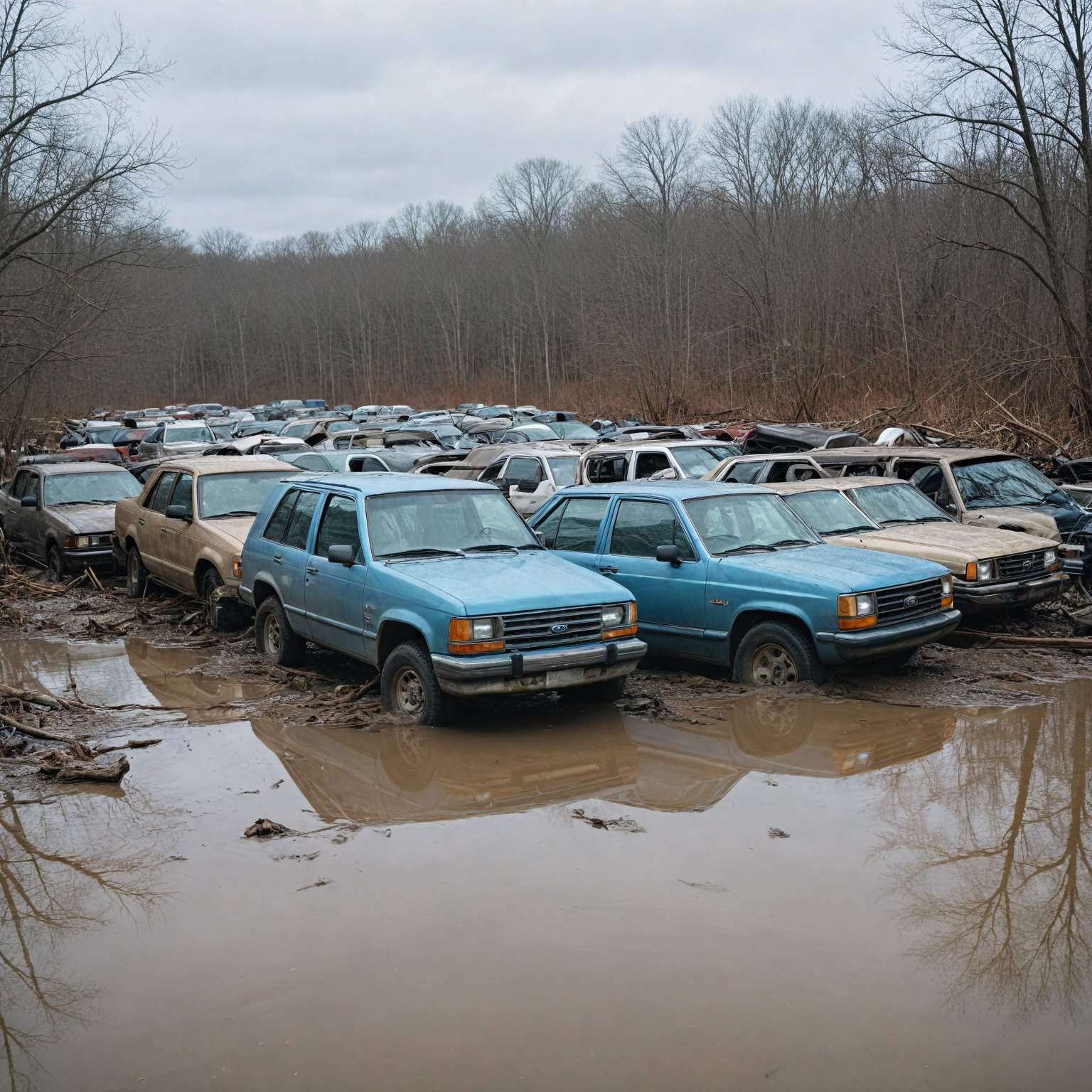
The rising incidence of floods has a direct impact beyond just homes and infrastructure—it also affects vehicles. Floodwaters often engulf thousands of cars, ranging from private vehicles to dealership fleets. After flooding events, many of these vehicles are declared total losses by insurers due to extensive water damage and subsequently enter the salvage market through auctions. This influx of flood-damaged cars into salvage pools is increasing with each major storm season, driven by hurricanes, flash floods, and river overflows across different regions.
Flood damage to vehicles is frequently underestimated because the effects often extend beyond visible signs. Water can infiltrate electrical systems, causing corrosion that worsens over time, damage structural frames, and ruin interior components. Such damage not only lowers a vehicle’s market value but also leads to costly repairs that may surface months or years after the flood event. Additionally, water intrusion can cause cosmetic issues such as rust, mold, and fogged lights, as well as mechanical problems like engine smoke or odd noises.
The classification of salvage vehicles reflects the severity and type of damage sustained. Flood-damaged cars often fall into repairable salvage categories, but structural damage to frames or chassis—categorized as Category S—can significantly reduce their worth due to the extensive repairs required. Given these complexities, thorough vehicle history reports and checks, including license plate lookups, are critical for buyers to identify hidden flood damage and avoid unexpected costs.
The Salvage Market
The salvage market primarily revolves around vehicles that insurers have declared total losses, often due to severe collision damage, flooding, fire, or other extensive harm. When a car is damaged to the extent that repair costs exceed a certain percentage of its value, insurance companies typically assign it a salvage title and sell it to salvage yards or rebuilders. These vehicles are then either dismantled for parts or repaired and resold, frequently after obtaining a rebuilt title, which allows them to be registered and driven again after passing inspections.
Flood damage has become an increasingly significant driver in the salvage market. Rising flood risks due to severe weather events such as hurricanes, flash floods, and river overflows contribute to a growing number of flood-damaged vehicles entering salvage pools each storm season. Flood damage is generally covered under the comprehensive portion of auto insurance policies, which protects against various storm-related perils including water intrusion, hail, and falling debris. However, flood damage often compromises a vehicle’s safety systems and structural integrity, making repairs costly and leading insurers to declare these vehicles total losses more frequently.
Salvage vehicles are categorized based on the extent and nature of their damage. For example, Category D includes repairable salvage with minimal damage, while Category X designates vehicles deemed unrepairable, often destined for parts or scrap. Importantly, flood damage does not solely determine the salvage category; other factors such as the severity and type of damage also play a role.
The salvage market offers lucrative opportunities for buyers who understand its complexities. Some engage in buying and flipping salvage vehicles without immediately registering them, navigating the sometimes lengthy and tedious processes of repairs and inspections. However, challenges remain, including state-specific regulations regarding salvage titles, registration procedures, and insurance restrictions, as well as risks of fraud at salvage auctions where vehicle conditions may be misrepresented. Additionally, some flood-damaged cars can re-enter the market with clean titles after repairs, raising consumer awareness concerns.
Increasing Flood Risks and Their Causes
Floods are the most common natural hazard worldwide and the leading cause of death from disasters, as well as serious health, social, and economic consequences. Floods rank among the most frequent disasters in terms of both human and economic impact.
One of the key drivers behind the increasing flood risks is long-term global climate change. Climate change has intensified extreme weather patterns, making floods more likely and more severe. Extreme floods can result from intense precipitation events, prolonged rainfall durations, or a combination of these factors. For example, in the United Kingdom, there is high confidence that winter flooding is on the rise due to more intense precipitation linked to climate change. The Intergovernmental Panel on Climate Change (IPCC) forecasts an increase in both the frequency and intensity of local flooding events globally, as extreme precipitation becomes more common. This trend signifies that flooding, already the most common weather-related natural disaster, has intensified in recent decades and will likely continue to do so, causing profound losses worldwide.
These increasing flood risks not only have direct impacts on human populations but also affect industries such as automotive salvage markets, as water damage becomes more widespread and costly to address.
Effects on the Salvage Market
The rising frequency and severity of floods have significantly influenced the salvage vehicle market, altering both supply and demand dynamics. As floodwaters surge, thousands of vehicles—from family sedans to dealership fleets—become water-damaged and are often declared total losses by insurers. These vehicles subsequently enter salvage auctions in large numbers, reshaping auction inventories and pricing trends.
Increased Supply of Flood-Damaged Vehicles
Flood events lead to a surge in the number of vehicles deemed total losses due to water damage. Insurance companies typically declare these flood-affected vehicles as total losses because the repair costs frequently exceed the car’s value or the damage compromises safety. This results in a notable increase in the volume of flood-damaged vehicles available at salvage auctions. Consequently, bidders encounter a broader and more diverse inventory that includes various makes and models, ranging from luxury cars to family SUVs.
Impact on Pricing and Buyer Behavior
The influx of flood-damaged vehicles initially drives prices down due to increased supply, especially shortly after major storms. However, inflation and rising costs for parts, labor, and tools have counteracted this trend by increasing overall repair expenses, which in turn raises the price of salvage vehicles despite their damaged condition. Buyers at salvage auctions must weigh the potential risks and rewards, as flood damage can lead to recurring issues such as electrical faults, mold, and reduced resale value even after repairs.
Moreover, buyers rely heavily on vehicle history reports and titles to assess flood damage risk, as salvage titles explicitly indicate a vehicle has been declared a total loss and is not suitable for public roads until repaired. Title washing or laundering frauds pose additional challenges, exploiting variations in state laws to obscure flood damage histories, necessitating caution among buyers.
Insurance and Regulatory Effects
The rising number of storm-related vehicle damages has also influenced insurance practices. Comprehensive coverage may cover flood damage after deductibles, but increasing storm frequencies have contributed to higher insurance premiums and deductibles in affected regions. Insurers are also a primary source of salvage vehicles, as they sell totaled flood cars to salvage yards or rebuilders.
Furthermore, insurance data-sharing programs alert buyers to vehicles reported as stolen or flood-damaged, enhancing transparency in the salvage market. Some states mandate clear labeling of flood damage on vehicle titles to protect consumers, although inconsistencies across jurisdictions still pose challenges.
Role of AutoBidMaster
AutoBidMaster plays a significant role in the evolving salvage vehicle market by providing individual buyers access to a wide range of salvage and clean title vehicles, including those affected by flood damage. As a legitimate and trusted platform partnered directly with Copart, AutoBidMaster enables users to participate in wholesale vehicle auctions without the need for a dealer’s license, thus broadening accessibility beyond traditional industry participants.
One of the key features of AutoBidMaster is its comprehensive vehicle inventory, which frequently includes flood-damaged cars clearly labeled with condition reports and photos to help bidders make informed decisions. This transparency is crucial as flood-damaged vehicles carry inherent risks that buyers need to assess carefully. The platform’s digital nature allows for advanced tools such as auto-bidding, which helps users place bids efficiently and avoid being caught up in competitive bidding wars, an advantage unique to online auctions.
AutoBidMaster also exposes buyers to a dynamic pricing environment influenced by factors such as post-storm surges, which increase the volume of flood vehicles available, and the resulting price fluctuations. This evolving inventory diversity—ranging from family sedans to luxury SUVs affected by flood damage—reflects broader climate trends impacting the automotive salvage market. For skilled rebuilders and parts dealers, these flood-damaged vehicles present opportunities for restoration or resale, while for general buyers, the platform’s detailed information and bidding tools help mitigate potential risks.
In terms of transaction costs, buyers on AutoBidMaster should be aware that the final price includes not only their winning bid but also additional fees such as Copart Auction Fees, AutoBidMaster Transaction Fees, and Documentation Fees. Some vehicles, especially those with “Biohazard/Chemical” damage, may incur further charges. Despite these extra costs and the limited warranties typically associated with salvage vehicles, AutoBidMaster remains a popular choice for users seeking variety and pricing options in the salvage auction space.
By facilitating broader market access and providing vital information on flood-impacted vehicles, AutoBidMaster serves as a critical platform where the intersection of increasing flood risks and the salvage vehicle market is made navigable for a growing community of buyers.
Economic Implications
The increasing frequency of flood events has significantly influenced the economics of the salvage vehicle market. As natural disasters such as floods become more common, a larger number of vehicles are declared total losses by insurance companies and subsequently enter salvage auctions, leading to shifts in supply, demand, and pricing dynamics.
One notable economic effect is the increased supply of flood-damaged vehicles, which temporarily depresses prices for certain models at salvage auctions due to the surge in inventory. This influx results from large numbers of vehicles being totaled in affected regions and then dispersed across broader markets, sometimes traveling hundreds of miles away from the original flood zone. Despite this increase in supply, inflationary pressures and supply chain disruptions in the broader automotive industry have raised new and used car prices overall, prompting more buyers to consider salvage vehicles as cost-effective alternatives. This rising demand for salvage cars, including those with flood damage, can paradoxically drive up their prices despite their damaged condition.
The economic landscape of the salvage market is further complicated by the variability in vehicle condition and market desirability. Vehicles with minor cosmetic damage or high-demand models tend to retain more value, whereas those with major structural or mechanical issues, common in flood-damaged cars, generally see a steeper depreciation. Tools like the Kelley Blue Book are essential for buyers and sellers to estimate pre-accident values and to navigate pricing effectively in this fluctuating market.
Additionally, the economic impact extends beyond individual vehicle sales. The flood-related surge in salvage vehicles reflects broader climate change trends and their consequences on industries tied to asset depreciation and risk management. For buyers participating in salvage auctions, especially platforms like AutoBidMaster, these market changes present both opportunities for bargains and heightened risks due to the variable quality and history of flood-affected vehicles. Awareness of these economic shifts and thorough vehicle inspections are critical for making informed purchasing decisions in this evolving salvage market environment.
Environmental Considerations
Flood damage to vehicles presents significant environmental challenges that extend beyond immediate economic impacts. When a vehicle is submerged or exposed to floodwaters, water can penetrate deeply into its mechanical and electrical systems, causing corrosion and deterioration over time. This hidden damage may not be immediately apparent, but it often leads to long-term safety risks and mechanical failures, ultimately increasing the likelihood of the vehicle being declared a total loss or salvage. Such vehicles frequently require extensive repairs or dismantling, which involves the disposal of hazardous materials and fluids that can pose environmental hazards if not managed properly.
The rising frequency and severity of flooding events, driven by changing climate patterns, have contributed to an increase in flood-damaged vehicles entering the salvage market. This trend necessitates heightened attention to environmentally responsible practices in the handling and processing of these vehicles. Improper disposal or inadequate remediation of flood-damaged cars can lead to contamination of soil and water sources through leaks of oil, coolant, and other automotive fluids. Additionally, electronic components affected by water damage contain heavy metals and other pollutants that require careful recycling to minimize environmental harm.
Insurance policies and recovery procedures also influence environmental outcomes. For example, insurers often tow flood-affected vehicles to impound lots or storage facilities to prevent unsafe driving conditions and facilitate proper assessment or disposal. However, the complexity of repairs—especially for vehicles with significant structural or electronic damage—can lead to higher salvage rates, increasing the volume of automotive waste that must be managed responsibly.
Given these considerations, the growing incidence of flood-related automotive damage highlights the need for comprehensive environmental policies and improved salvage market protocols. These should encompass enhanced data collection to better estimate the true scope of flood impacts, improved regulations for hazardous waste handling, and greater consumer awareness regarding the environmental implications of flood-damaged vehicles. As flood events become more common and unpredictable, integrating environmental sustainability into the salvage vehicle lifecycle remains a critical challenge for the industry and regulators alike.
Future Outlook
As flood events continue to increase in frequency and severity, the salvage vehicle market is expected to experience ongoing and significant changes. Rising flood risks, driven by climate change and shifting weather patterns, are establishing new norms in natural disaster occurrences, with record floods and temperatures becoming more common year after year. This trend implies that the salvage pool will consistently see large influxes of flood-damaged vehicles following major storms, hurricanes, and flash floods across various regions.
Improved flood risk management practices—including enhanced forecasting, early warning systems, and increased protective measures—have contributed to a decline in fatalities per flood event over recent decades. Nevertheless, the economic and social toll of flooding