
Geely Galaxy E5/Proton eMas 7 Battery Surpasses China Testing Standards in Tank Crush Test
Summary
The Geely Galaxy E5 Proton eMAS 7 battery represents a significant advancement in electric vehicle (EV) battery safety and performance, having surpassed China’s rigorous national testing standards in the high-impact tank crush test. Developed through a collaboration between Chinese automaker Geely and Malaysian manufacturer Proton, the battery pack integrates innovative safety features such as cell-to-body integration and a multi-layer sandwich-structure bottom guard plate, enabling it to withstand crushing forces far beyond regulatory requirements without fire, leakage, or explosion. This exceptional durability positions the battery as a benchmark for structural integrity and thermal safety in EV applications.
The battery system, branded as the Aegis Golden Brick, undergoes 36 distinct safety tests—exceeding the 24 mandated by China’s GB 38031-2020 standard—and meets the forthcoming GB38031-2025 certification, which imposes stringent criteria on fast-charging cycle resilience, thermal runaway prevention, and underbody impact resistance. Its lithium iron phosphate (LFP) chemistry delivers high energy density (approximately 192 Wh/kg), remarkable low-temperature capacity retention, and a long service life exceeding one million kilometers or 3,500 charge cycles, addressing both consumer performance expectations and environmental sustainability.
The tank crush test, simulating an impact equivalent to the weight of a 36-tonne main battle tank, is a particularly notable demonstration of the battery’s robustness, as it applies forces nearly twice those required by Chinese standards without compromising safety. This test, along with comprehensive battery management systems and adherence to multiple international safety protocols, underscores ongoing efforts to improve EV battery resilience against real-world crash scenarios—a topic that remains subject to regulatory scrutiny and calls for global harmonization of testing standards.
Geely’s leadership in advancing battery safety technology, exemplified by the Galaxy E5 Proton eMAS 7 battery, not only enhances consumer confidence but also strategically positions the company within the competitive and rapidly evolving EV market. The company’s commitment to open its battery safety patents aims to accelerate industry-wide improvements, supporting broader adoption of safer EV technologies amid increasing regulatory demands and environmental goals.
Background
The Proton eMas 7, stylised as the e.MAS 7, is an electric vehicle developed in close collaboration with Geely and based on the Geely Galaxy E5 platform. Although the two models share many similarities, Proton emphasizes significant local input in the development process, distinguishing the eMas 7 from a simple rebadge of the Galaxy E5. The vehicle was initially fully imported from China, with plans to begin local assembly at Proton’s Tanjung Malim facility by the end of 2025. This facility will be dedicated to electric vehicle production, reflecting Proton’s commitment to expanding its EV lineup.
Designed specifically for right-hand-drive markets, the eMas 7 has been earmarked for export to countries such as Thailand, Indonesia, and Australia, though in these markets it is expected to carry Geely EX5 badging rather than Proton branding. Outside Malaysia, the eMas 7 has already reached markets including Mauritius, Nepal, Singapore, and Trinidad and Tobago, with the first shipment of 50 units arriving in Nepal in February 2025. Sales in Nepal began in March 2025, featuring variant line-ups that mirror the Malaysian models: Prime (49.52 kWh) and Premium (60.22 kWh).
Technologically, the eMas 7 boasts features uncommon among its competitors, such as a windshield head-up display that projects essential driving data—including speed, battery status, and navigation directions—directly onto the windshield, allowing drivers to access critical information without diverting their attention from the road. In terms of battery safety and quality, Proton benefits from a strong research and development team that innovates new testing equipment yearly, sourcing high-quality components internationally to ensure safety and performance. These efforts enable accurate testing results, including tank crush tests that exceed Chinese standards, thereby enhancing battery quality and safety. The development and testing of such batteries align with international standards such as ISO 12405-3:2014, which specifies safety requirements and test procedures for lithium-ion traction battery packs used in electrically propelled vehicles.
Battery Overview
The Geely Galaxy E5 and Proton eMas 7 are equipped with the Aegis Golden Brick battery pack, which features several advanced safety and durability technologies. The battery pack utilizes cell-to-body integration and a 2.6 mm thick three-layer sandwich bottom guard plate, enhancing its structural integrity and enabling it to withstand extreme mechanical stresses such as tank crush tests. These built-in safety features contributed to the battery’s survival during rigorous impact testing, demonstrating its robust design.
In terms of safety certification, the Aegis Golden Brick battery undergoes 36 different test scenarios, exceeding the 24 required by the Chinese national standard for electric vehicle batteries. Among these, 23 tests surpass the mandated requirements, reflecting Geely’s commitment to enhanced safety. The battery also complies with the upcoming GB38031-2025 certification standard, which emphasizes improved resistance to fast-charging cycles, prevention of thermal runaway, and protection against underbody impacts. Moreover, the battery pack carries IP68 and IPX9K ingress protection ratings, confirming its resilience against dust and water ingress.
Performance-wise, the battery offers notable advantages in energy density and operational range. The individual blade cells of the battery are shorter and more energy dense, allowing for better packaging efficiency within constrained volume and shape limits, and delivering higher energy per kilogram. The battery exhibits an energy density of approximately 192 Wh/kg and retains 90.54% of its capacity at -30°C, outperforming competitors such as BYD’s long blade battery which retains 78.96% under similar conditions. This makes the battery suitable for extreme cold environments.
Durability is also a key strength of the Aegis Golden Brick battery, which is designed to last over 1 million kilometers and endure up to 3,500 charging cycles without significant degradation. The battery pack is available in multiple capacities, including 49.52 kWh and 60.22 kWh options, delivering ranges of approximately 440 km and 530 km respectively under the CLTC standard. In Malaysia, Proton’s eMas 7 variant with the same battery capacities achieves WLTP-rated ranges of 345 km and 410 km. The 49.52 kWh battery can be fully charged in about 7.5 hours using a 3-phase Type 2 AC charging port, as found in the Proton eMas 7 touring unit, whereas the Geely Galaxy E5 uses a single-phase GB/T AC charging port.
Safety Standards and Testing
The safety of electric vehicle (EV) batteries is critically evaluated through various international and national testing standards designed to identify potential risks before market release. Commonly applied standards include UN38.3, UL1642, ECE R100, UL2580, UL1973, and IEC 62133, each specifying different protocols for abuse tests such as crush, vibration, thermal propagation, and water immersion tests. Among these, the crush test is particularly important for assessing the structural integrity of battery packs under extreme mechanical stress, simulating conditions like vehicle collisions or heavy impact.
In China, the safety standards for EV batteries are well-defined, with the mandatory national standard GB 38031–2020 “Safety Requirements for Power Batteries for Electric Vehicles” providing guidelines for testing battery cells, modules, packs, and entire battery systems. These standards emphasize rigorous testing to ensure battery safety under diverse conditions, including crush scenarios.
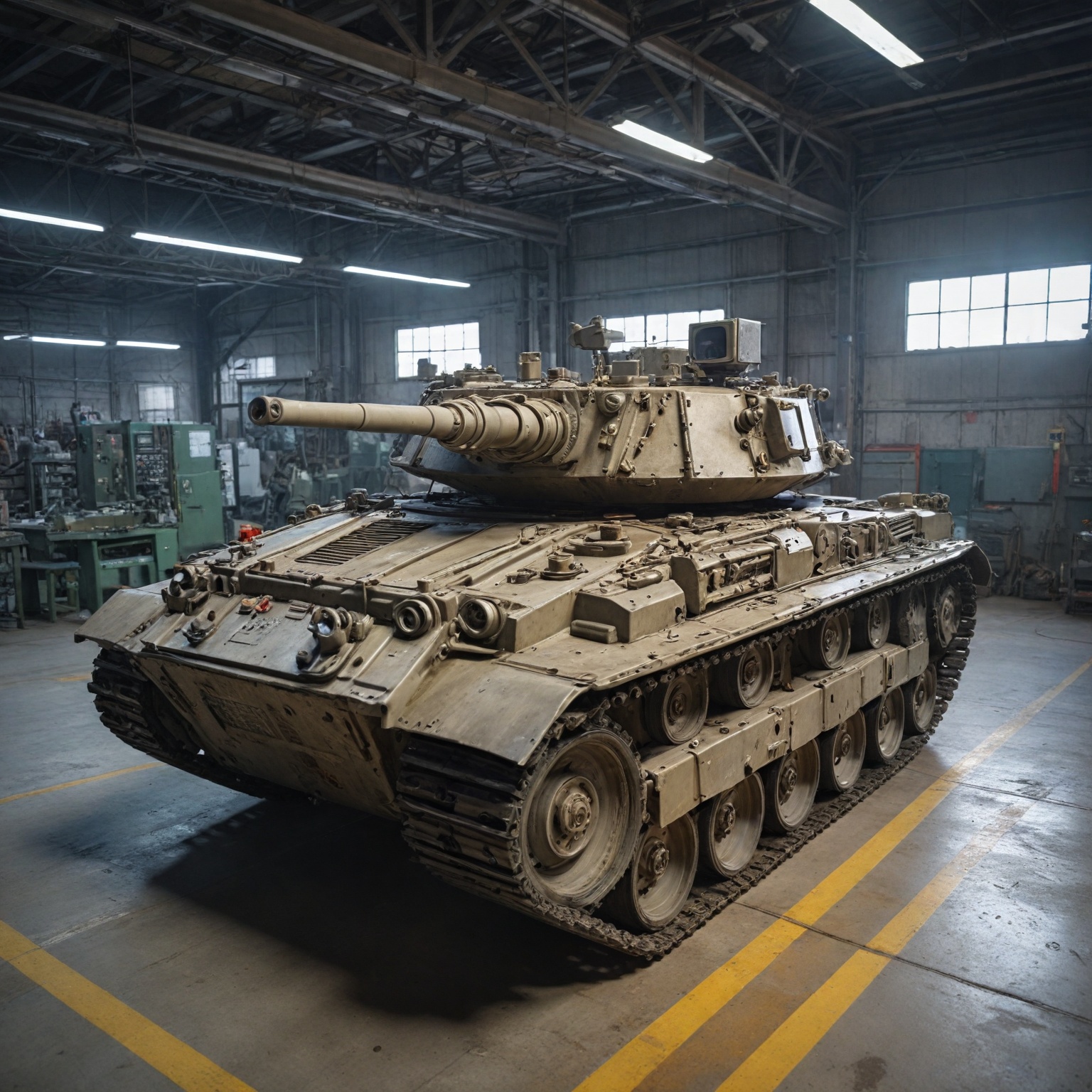
Geely demonstrated the robustness of its Golden Brick EV battery—used in the Galaxy E5, a model related to the Proton eMas 7—by subjecting it to a crush test involving the weight of a 36-tonne ZTZ-59D main battle tank. This test exerted forces approximately 1.8 times greater than those required by China’s latest battery safety standards. Impressively, the battery pack maintained its structural integrity without bulging, leakage, fire, or explosion, illustrating compliance well beyond mandated thresholds.
Despite the existence of numerous standards worldwide—including SAE J2464, GB/T 31485, FreedomCAR, ISO 12405, IEC 62660, UN/ECE R100, and GTR 20—research indicates that many of these frameworks do not fully account for real-life vehicle crash scenarios. This has led to calls for augmenting current testing protocols and developing a harmonized global framework to unify battery safety testing. Such an approach aims to address manufacturers’ challenges while enhancing the safety of EV consumers internationally.
Moreover, comparative analyses of standards between countries such as Germany and China reveal both commonalities and significant differences in testing methods, especially for vibration, crush, altitude and pressure, and thermal propagation tests. These differences highlight the need for ongoing evaluation and potential harmonization to reflect realistic usage conditions and technological advancements in battery design.
Performance in Tank Crush Test
The Geely Galaxy E5 Proton eMas 7 battery demonstrated exceptional performance in the tank crush test, surpassing the rigorous Chinese battery safety standards. The tank crush test, which simulates high-force crushing impacts on battery packs, is a critical evaluation of battery safety and structural integrity. In China, standards such as GB 38031-2020 and the updated GB38031-2025 specify stringent safety requirements for power batteries in electric vehicles, including resistance to thermal runaway and prevention of fire or explosion during abuse conditions.
Typically, the crush test for electric vehicle battery packs involves applying a force of at least 100 kN but no more than 105 kN, as outlined in the ECE R100 standard, which focuses on battery packs used in electric buses and cars. During the test, the battery is gradually compressed between two flat surfaces until a defined failure condition is reached, mimicking real-world crush scenarios.
The Geely battery’s superior crashworthiness is partly attributed to its cell-to-body integration and multi-layer safety features, such as the 3-layer sandwich bottom guard plate, which help the battery withstand crushing forces without catastrophic failure. This robust design enhances safety by maintaining battery integrity and preventing thermal runaway, a key concern in high-impact events where internal short circuits could otherwise lead to fire or explosion. Moreover, the battery’s structural resilience was verified through Geely’s internal testing, showing sustained performance even after extended use and under extreme conditions.
In comparison to other battery chemistries, lithium iron phosphate (LFP) batteries like the one used in the Galaxy E5 Proton eMas 7 exhibit enhanced safety profiles in crush scenarios. They retain higher capacity and thermal stability after repeated cycles and are less prone to hazardous failure modes during mechanical abuse. The tank crush test results for the Geely battery not only meet but exceed the requirements of national standards, reinforcing its position as a safe and reliable energy source for electric vehicles in China’s competitive market.
Battery Design and Technology
The battery system of the Geely Galaxy E5 Proton eMAS 7 exemplifies advanced safety and performance standards that surpass existing Chinese national requirements. While the Chinese national standard for electric vehicle (EV) batteries mandates 24 safety tests, Geely subjects its Aegis Golden Brick battery to 36 test scenarios, with 23 of these exceeding the national criteria. This comprehensive approach addresses critical factors such as fast-charging cycle durability, thermal runaway protection, and resistance to underbody impacts, aligning with the stringent new battery certification standard GB38031-2025.
The Golden Brick battery pack incorporates several cutting-edge design features to enhance safety and longevity. It employs cell-to-body integration technology coupled with a 2.6 mm thick sandwich-structure bottom plate, contributing to superior structural integrity and impact resistance. Additionally, the battery achieves IP68 and IPX9K ingress protection ratings, indicating exceptional resistance against dust and water ingress. A notable enhancement in energy density is evident, with the battery delivering 192 Wh/kg, supported by wet process dual separators that further improve safety by preventing internal short circuits.
Durability is a key aspect of the eMAS 7’s battery design, engineered to sustain over one million kilometers of driving and endure up to 3,500 charging cycles. This high cycle life ensures prolonged usability and reduces the environmental impact of battery replacement. The vehicle’s battery integration into the chassis also contributes to overall occupant safety and ride comfort, reflecting a holistic design philosophy prioritizing both performance and protection.
To mitigate risks associated with thermal runaway—a primary cause of EV battery fires—the updated GB38031-2025 standard imposes rigorous thermal diffusion testing. This regulation is the first in the world to require that batteries must not catch fire or explode even after an internal thermal runaway event begins, representing a significant advancement over previous standards that only mandated pre-fire warning signals. The Golden Brick battery’s design complies with these enhanced requirements, including robust cooling strategies to prevent hazardous temperature escalation, even under high ambient temperatures where battery decomposition mechanisms may otherwise trigger extreme heat generation.
Furthermore, the battery pack’s structural safety is validated through bottom impact testing, simulating collisions affecting the vehicle’s underside to ensure the pack maintains integrity and protects occupants from fire hazards. This test is part of the broader array of safety validations that exceed the baseline regulations for EV batteries.
Battery Management System (BMS) and Safety Mechanisms
The Battery Management System (BMS) plays a critical role in ensuring the safety and reliability of vehicle power batteries, encompassing the monitoring and management of battery materials, cells, modules, and entire battery systems. China’s vehicle power battery safety standards include comprehensive requirements for BMS design and functionality, aiming to prevent thermal runaway and manage battery health effectively. These standards emphasize the importance of real-time monitoring of battery parameters such as temperature, voltage, and current to detect early signs of potential failures and initiate protective measures.
Safety mechanisms integrated within the BMS are designed to mitigate risks associated with high-temperature exposure, which can trigger battery decomposition and thermal runaway events. Such thermal incidents reduce safety margins and may lead to catastrophic failures if not properly managed. To address these challenges, updated Chinese regulations such as GB38031-2025 mandate rigorous testing, including thermal diffusion tests, ensuring that batteries do not catch fire or explode even during internal thermal runaway. This represents a significant advancement over previous standards that only required early warning signals prior to fire or explosion.
Additionally, mechanical safety is reinforced through tests like mechanical shock and crush evaluations, which simulate external forces that could deform battery packs or systems. For example, GB 38031-2020 specifies a mechanical shock test along the Z-axis with an acceleration of 7 g and duration of 6 ms, performed multiple times to verify structural integrity. These tests are essential for validating the battery’s ability to withstand real-world impacts without compromising safety.
LFP (Lithium Iron Phosphate) batteries, such as those used by Geely in the Aegis Short Blade Battery, benefit from inherent safety advantages including superior crash resistance and stability under repeated full charge cycles, maintaining over 90% battery health after extensive use. The BMS complements these characteristics by managing fast-charging cycles and preventing hazardous conditions during operation, aligning with international efforts to harmonize electric vehicle safety regulations.
Safety Benefits and Real-World Implications
The integration of advanced lithium-ion battery (LIB) technologies in electric vehicles (EVs) such as the e.MAS 7 offers significant safety improvements, addressing widespread concerns about battery-related accidents globally. Despite the existence of multiple international standards and regulations—such as SAE J2464:2009, GB/T 31485-2015, ISO 12405-3:2014, and UN/ECE-R100.02:2013—that govern battery abuse testing, including crush tests, these frameworks often fall short in simulating real-life vehicle crash scenarios. Consequently, the need for augmenting current standards and establishing a harmonised global framework is widely recognized to enhance the protective measures for EV batteries.
The e.MAS 7, with its battery system integrated into the chassis, exemplifies the practical benefits of such safety advancements by providing enhanced occupant protection and improved comfort during operation. This integration not only reinforces the structural safety of the vehicle but also reduces the risk of battery damage in collisions, a critical factor considering the hazardous potential of thermal runaway events.
Recent updates to battery safety standards have introduced rigorous new tests, including bottom impact testing designed to assess battery
Strategic Impact on Geely and the EV Market
Geely’s development and rigorous testing of the Aegis Golden Brick battery pack represent a significant strategic move within the competitive electric vehicle (EV) market, particularly in China, the world’s largest auto market aggressively pursuing EV adoption. By subjecting their battery pack to 36 safety test scenarios—surpassing the 24 required by Chinese national standards and exceeding 23 of these requirements—Geely not only demonstrates technological leadership but also enhances consumer confidence in battery safety and durability.
This commitment to safety and innovation positions Geely favorably amid increasing regulatory pressures and evolving market demands. China aims to achieve carbon peak by 2030 and carbon neutrality by 2060, driving rapid growth in the NEV (new energy vehicle) sector, with EV sales accounting for 29% of all vehicle sales in 2022. As subsidies are rolled back and sales quotas for NEVs become more stringent, automakers must rely on superior technology and safety credentials to maintain competitiveness. Geely’s advanced battery technology, including the use of shorter, more energy-dense blade cells, offers improved packaging efficiency and energy per kilogram, addressing both performance and cost considerations critical to reaching parity with gasoline vehicles projected around 2025.
Furthermore, Geely’s willingness to open its battery safety patent portfolio to the wider industry may accelerate sector-wide advancements and set new benchmarks for battery safety standards. This approach aligns with ongoing efforts to harmonize global battery testing standards and regulations, which currently vary widely and often do not fully account for real-life crash scenarios. Harmonization would benefit manufacturers and consumers alike by simplifying compliance and enhancing safety across markets.
In contrast to some governmental policies that have been criticized for imposing minimum vehicle prices on EVs, despite their inherently lower component complexity and production costs, Geely’s technological innovations help justify the value proposition of their EV offerings. As Geely continues to refine and expand its battery capabilities—evidenced by plans for an extended-range Galaxy E5 featuring a 68.39 kWh battery pack—the company is well-positioned to influence both domestic and international EV markets.
Future Prospects
Geely’s advancements in battery technology, particularly with the Galaxy E5 and its extended-range version, signal a strong commitment to enhancing electric vehicle (EV) safety and performance. The latest iteration of the Galaxy E5, equipped with a 68.39 kWh battery pack, demonstrates the company’s efforts to meet and exceed emerging national safety standards in China.
With the forthcoming implementation of the GB38031-2025 battery certification standard, which imposes stringent requirements for fast-charging durability, thermal runaway prevention, and underbody impact resistance, Geely’s Golden Brick battery pack is well-positioned to comply with these elevated safety benchmarks. The battery’s IP68 and IPX9K ingress protection ratings, along with innovative cell-to-body integration and a robust 2.6 mm thick sandwich-structure bottom plate, exemplify this proactive approach.
Moreover, Geely’s plan to open its battery safety patent portfolio to the wider industry could foster broader adoption of advanced safety technologies, potentially accelerating improvements across the EV sector. This initiative may enhance collaboration and innovation, ultimately benefiting consumers through safer and more reliable electric vehicles.
Given the close alignment between the Galaxy E5 (2024) and the Proton e.MAS 7 (2024), which share a zero-year gap in release timelines, these advancements are expected to influence multiple markets and models in the near future, reinforcing Geely’s position as a leader in battery safety and sustainable electric mobility.
The content is provided by Sierra Knightley, Gear Shift Zone