
Summary
The upcoming 2025 car models are expected to introduce significant safety innovations, underpinned by advancements in technology and evolving safety regulations. These include the application of artificial intelligence (AI) in Advanced Driver-Assistance Systems (ADAS), manufacturer-specific safety technologies, regulatory changes impacting safety feature mandates, and the influence of market trends on safety outcomes. These advancements promise to enhance road safety, reduce the occurrence of accidents, and contribute to improved driving experiences.
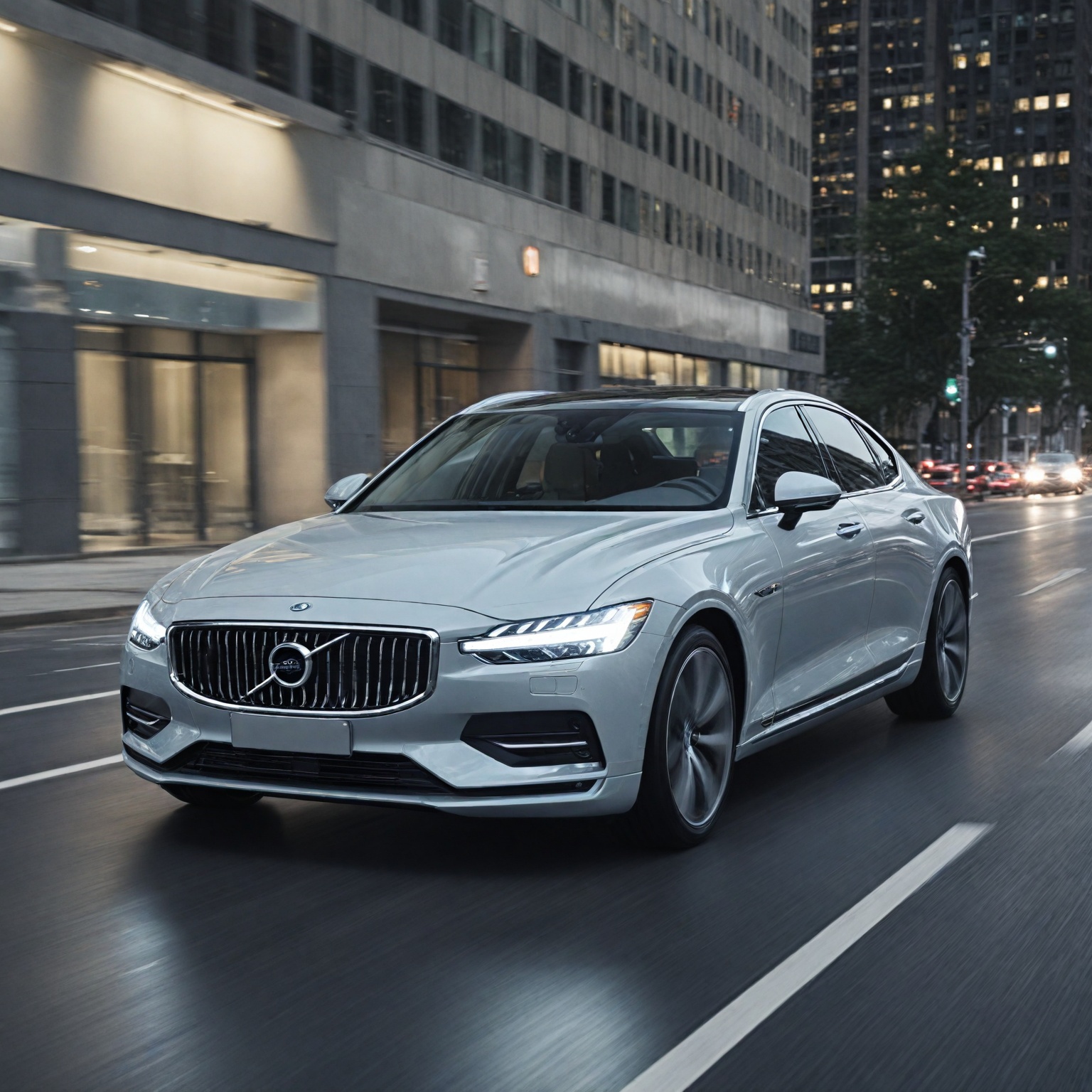
Each manufacturer brings unique safety innovations to their vehicles. Volvo, for instance, is known for its commitment to safety and is set to introduce new safety technologies in its 2025 models that will leverage data from thousands of vehicle accident analyses. Similarly, the Genesis G90 combines safety with luxury, offering features such as highway driving assist and blind-spot monitoring.
AI plays a crucial role in these advancements, with AI-powered ADAS features and predictive maintenance technologies mitigating road hazards and enhancing driver awareness. Regulatory changes, such as the New Vehicle General Safety Regulation in the EU, are pushing manufacturers to incorporate active safety features in vehicles, further contributing to road safety.
While safety innovations promise to revolutionize driving experiences, they also bring forward ethical considerations around autonomous vehicle decision-making, accountability, and privacy. With these advancements, the automotive industry emphasizes the need to balance the pursuit of technology with ethical considerations and to remember that autonomous or AI-driven systems are designed to assist drivers, not replace human responsibility on the road.
Safety Innovations in Car Models
Vehicle safety standards are continuously updated and advanced by the federal government, with a focus on crash protection measures such as structural improvements, restraints, and airbags. Technological developments in the automotive industry have resulted in an array of new safety features in modern cars. These advancements include AI-powered Advanced Driver-Assistance Systems (ADAS), which contribute significantly to road safety by providing features like collision avoidance, lane departure warnings, and adaptive cruise control.
Manufacturer-Specific Innovations
Each car manufacturer has its unique safety technology developments. For instance, Volvo, known for its robust engineering and a commitment to creating vehicles that prioritize human safety, is incorporating new safety technologies into its 2025 models. This safety technology utilizes real-world data from over 43,000 vehicle accident analyses to continually improve.
Similarly, the Genesis G90 showcases a combination of elegance and safety, offering features such as highway driving assist and blind-spot monitoring. These innovations enhance vehicle safety and driver peace of mind.
Role of Artificial Intelligence
Artificial Intelligence (AI) plays a crucial role in automotive safety. AI facilitates advanced features that significantly reduce accidents. AI can mitigate several factors contributing to road hazards such as vehicle malfunction and human error. Predictive maintenance technologies can prevent issues like brake failure or tire blowouts, and AI technology can monitor driver behavior, providing real-time alerts to enhance driver awareness and response.
Impact of Regulatory Changes
Regulatory changes can influence the incorporation of safety features in vehicles. For instance, the New Vehicle General Safety Regulation, which came into effect in July across the European Union, mandated certain active safety features in vehicles.
Market Trends and Insurance
Market trends in 2025 significantly shape the outcomes of total loss appraisals in the auto insurance claims world. Understanding these dynamics is crucial for securing a fair settlement after an auto accident.
Future Directions
The automotive industry is at a crossroads of innovation, with new technologies emerging, such as advanced driver assistance, AI maintenance, and cabin radar systems. Despite the excitement around these new advancements, it is essential to remember that these technologies may not be universally available in all vehicles. Different manufacturers are adopting and developing distinct technologies, with features varying based on brand, model, and price range.
Thus, it is crucial to prioritize safety when exploring these new technologies in vehicles, as autonomous or AI-driven systems are designed to assist drivers, not replace human responsibility and vigilance on the road.
Anticipated Safety Innovations in 2025 Car Models
Safety in automotive design has been a key trend for several years, and the 2025 lineup of vehicles is expected to continue this trend with even more advanced safety features. This is in line with updated safety regulations, like the General Safety Regulation (GSR) in the EU, and the increased demand from consumers for safer vehicles. The innovations range from comprehensive driver assistance systems to advanced digital interfaces, setting new standards for what drivers can expect from their vehicles.
One of the key safety features anticipated to become more ubiquitous in 2025 car models is the increased use of sensors. These sensors, already common in modern vehicles, are expected to expand into more mass-produced cars. This includes models like the 2025 Nissan Rogue, Murano, and Armada, as well as Volkswagen’s Car-Net Safe & Secure services. These sensors are anticipated to function at driving speeds of less than 10 km/hour and may work in combination with radar, cameras, and other sensing technologies to measure distance. Some cars may also feature haptic feedback, such as a vibrating steering wheel or driver’s seat, to provide drivers with alerts.
In addition to these new innovations, standard safety features such as advanced crash protection, restraints, and airbags will continue to be integral parts of vehicle safety. For example, the Genesis G90, one of the safest cars of 2025, offers features like automatic emergency braking and lane-keep assist, showcasing how manufacturers are prioritizing advanced safety in their designs.
The future of vehicle safety is also expected to be shaped by the broader market trends and regulatory changes, influencing the outcomes of insurance claims and total loss appraisals. This aligns with programs like the National Highway Traffic Safety Administration’s New Car Assessment Program, which aims to reduce serious injuries and deaths on the nation’s highways by rigorously testing new vehicles.
Certain car manufacturers, like Volvo, are leading the way with their dedication to creating safer, greener vehicles. The 2025 Volvo models are expected to incorporate groundbreaking safety technology, using real-world data from over 43,000 vehicle accident analyzes to continuously improve their designs.
Moreover, AI is projected to play a significant role in enhancing driver and passenger safety. AI-powered systems will enable more accurate collision avoidance, real-time hazard detection, and advanced driver assistance systems (ADAS). ADAS, which uses cameras, sensors, and AI-powered algorithms to assess pertinent data, is expected to reach $91.83 Billion by 2025. This technology is becoming standard in later-model vehicles, including features such as automatic emergency braking and forward collision warning.
Eco-Friendly Innovations in 2025 Car Models
The 2025 car models present a range of eco-friendly innovations designed to cater to an evolving market. Manufacturers are prioritizing sustainability and efficiency alongside performance and comfort, producing vehicles that both meet drivers’ needs and reduce environmental impact . In the words of Deyan Ivanov, founder of 5 Star Valeting Solutions, “cars are evolving into smart, efficient and sustainable extensions of our lifestyles” .
Evolution of Hybrid Technologies
In particular, a shift towards sustainable transport is discernible, with an increasing number of eco-friendly vehicles expected to emerge by 2025. This trend extends beyond purely electric vehicles (EVs) to include mild hybrids and plug-in hybrids. These cars combine better fuel economy with small electric boosts during acceleration, offering a compromise between traditional fuel engines and fully electric alternatives .
The 2025 lineup of eco-friendly vehicles includes new offerings from established manufacturers. For instance, Toyota has launched an affordable hybrid lineup in Europe, with models such as the Yaris, Corolla, and Yaris Cross . These vehicles increase fuel efficiency and reduce CO2 emissions by allowing fuel-intensive activities, such as rapid acceleration or restarting after a stop, to be supported by power from an electric generator. In addition, mild hybrids harvest energy during braking, returning it to the battery to provide additional electric assistance .
Considerations for Potential Buyers
However, potential buyers must also consider the unique requirements of these vehicles. Plug-in hybrid vehicles, for instance, require external charging and may be more expensive than traditional hybrids . Factors such as charging availability, budget, environmental concerns, and commute length must all be weighed in the decision between traditional hybrids and plug-in alternatives .
Testing and Evaluation of Safety Innovations in 2025 Car Models
The National Highway Traffic Safety Administration (NHTSA) runs a New Car Assessment Program, where they conduct crash tests on new vehicles, including the 2025 models. This program motivates automakers to integrate advanced safety technologies in a wider range of vehicles. In addition to crash tests, the NHTSA’s program includes tests for advanced driver assistance systems.
Vehicle safety ratings, which range from one star (lowest) to five stars (highest), are made available on the NHTSA’s official website and on new car window stickers after testing is complete. This transparent approach enables consumers to have a clear understanding of the safety of their desired vehicles.
Real-time data analysis systems are another anticipated feature of 2025 car models. These systems can differentiate pedestrians from other objects and alert the driver or trigger automatic braking. As vehicle safety standards become increasingly sophisticated, the industry continues to evolve to meet and exceed these standards.
The 2025 Subaru BRZ and its mechanically identical counterpart, the Toyota GR86, exemplify the integration of advanced safety features. While these models have not undergone updated IIHS testing, they have scored well in previous crashworthiness tests, and they come standard with a long list of active safety features.
Ethical Considerations in the Development of Safety Innovations in 2025 Car Models
While safety innovations in upcoming 2025 car models are primarily focused on enhancing vehicular safety and minimizing human error, several ethical considerations are also involved in their development and implementation . The integration of artificial intelligence in automotive safety systems necessitates a balancing act between technological advancement and ethical considerations .
Ethical Dilemmas in Autonomous Vehicle Decision-making
One of the ethical dilemmas in the development of safety innovations for 2025 car models involves autonomous vehicle decision-making. Self-driving cars equipped with advanced AI systems are designed to constantly assess potential risks and make decisions that could have serious consequences . This creates a challenge of balancing the safety of passengers inside the vehicle against the safety of pedestrians and other road users. One argument is that autonomous vehicles should prioritize the safety of the passengers, as they are the individuals directly under the vehicle’s care .
AI systems in autonomous vehicles also raise issues about accountability. Companies developing these systems must take responsibility for their technology’s actions and decisions. As AI continues to advance, it is crucial to address safety concerns, decision-making dilemmas, and legal liability issues to fully realize the potential of self-driving cars .
Personalization and Privacy Issues
The ethical implications of safety innovations extend to issues of personalization and privacy. New safety-focused features not only monitor driver behavior but also collect personal preferences via AI-powered assistants, enabling the creation of a portable digital identity. This practice could raise concerns about user privacy and data protection .
Furthermore, the concept of “contextual technology” in AI systems translates repeated driver behavior into personalizing the driver experience, potentially infringing on privacy . For instance, the Mercedes-Benz User Experience (MBUX) system recognizes behavior patterns and uses this ability to predict routines, such as reminding drivers to pick up their children from school . While such features enhance convenience, they also necessitate a careful examination of privacy implications .
The content is provided by Avery Redwood, Gear Shift Zone