Discover the Hyundai Tucson Hybrid 2025: Unleash Cutting-Edge Tech and Impressive Performance!
Summary
The 2025 Hyundai Tucson Hybrid is a technologically advanced compact SUV that blends contemporary styling, efficient hybrid powertrains, and a spacious, well-appointed interior to compete strongly in the growing hybrid SUV market. Available in conventional hybrid and plug-in hybrid (PHEV) variants, the Tucson Hybrid delivers up to 268 horsepower and offers flexible driving modes, all-wheel drive, and a six-speed automatic transmission that emphasizes responsive performance and fuel efficiency. Its refreshed design features Hyundai’s ‘Parametric Dynamics’ aesthetic, highlighted by a bold grille, updated lighting, and an upscale dual-screen digital cockpit that enhances both driver engagement and passenger comfort.
Inside, the Tucson Hybrid impresses with a modern, ergonomic cabin equipped with dual 12.3-inch digital displays, wireless smartphone integration, and advanced convenience features such as a wireless charging pad and digital key functionality. Practicality remains a strong suit, offering up to 80.3 cubic feet of cargo space with rear seats folded, and a variety of trim levels that cater to different preferences, from cloth upholstery to heated leather seating. Safety is a key focus, with Hyundai SmartSense driver-assistance technologies including lane-keeping assist, highway driving assist, and a new driver drowsiness monitoring system contributing to the Tucson’s reputation as one of the safest vehicles in its class.
The Tucson Hybrid competes with rivals such as the Kia Sportage Hybrid by combining competitive pricing, a comprehensive warranty, and an appealing package of features that have earned it recognition including the 2025 Best New Cars for Teens award. While reviewers praise its refined interior, engaging design, and balanced performance, some note that fuel economy and value may lag slightly behind certain competitors. Nevertheless, the 2025 Hyundai Tucson Hybrid stands out as a compelling option for buyers seeking a stylish, feature-rich, and safe hybrid SUV in the compact segment.
Overview
The 2025 Hyundai Tucson Hybrid combines fresh styling with advanced technology and impressive performance, solidifying its position as one of the best values in the hybrid compact SUV segment. It features an all-new dashboard design alongside an updated infotainment system, which includes a distinctive expansive dual-screen layout. Even the base-level SE trim comes equipped with a curved panoramic screen, AM/FM/HD Radio, and a three-month trial of SiriusXM satellite radio. Higher trims, such as the Hybrid Limited, add onboard navigation and voice recognition, while both systems support wireless Apple CarPlay and Android Auto connectivity.
In terms of practicality, the Tucson Hybrid offers standout cargo space with 41.2 cubic feet available behind the rear seats and up to 80.3 cubic feet when the 60/40 split-folding rear seats are folded flat, allowing for flexible interior configurations to suit various needs. The vehicle is available with conventional, hybrid, and plug-in hybrid (PHEV) drivetrains, providing multiple options for efficiency and performance preferences.
Moreover, the 2025 Tucson Hybrid emphasizes safety and driver-assist features, positioning itself as one of the safest SUVs on the market with a comprehensive suite of cutting-edge technologies designed to enhance driver confidence and convenience.
Design
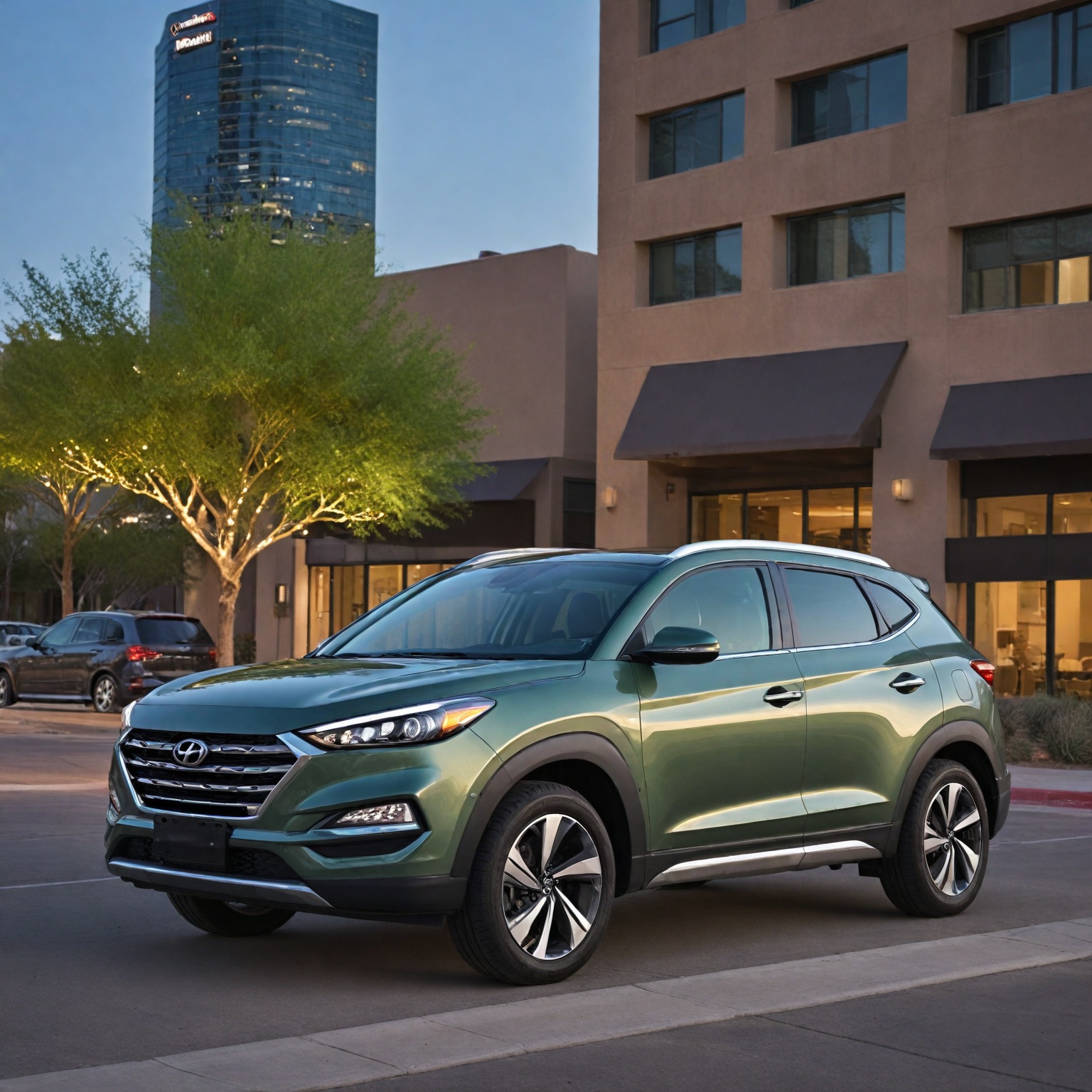
The 2025 Hyundai Tucson Hybrid features a bold and evocative design that employs Hyundai’s ‘Parametric Dynamics’ design language, characterized by kinetic, jewel-like surface detailing that ensures a distinct presence in the competitive SUV segment. The exterior has been refreshed with redesigned front and rear bumper fascias, incorporating stronger vertical grille elements that create a more rugged and grounded appearance. The front fascia showcases a revamped, more vertical grille, while wider bumpers and streamlined lighting elements at both the front and rear further contribute to the vehicle’s contemporary and planted look. Additional exterior enhancements include new alloy wheels, anodized aluminum badging, and a longer rear wiper blade to improve rear visibility. The off-road-oriented XRT trim stands out with unique exterior styling, featuring a body-colored front bumper and fascia, along with bridge-type raised roof side rails designed to facilitate transporting items on the roof.
Inside, the Tucson Hybrid offers a modern, ergonomic cabin that blends functionality with an upscale feel. The dashboard is notably uncluttered and emphasizes ease of use, featuring a convenient tray above the glovebox for lightweight storage. One of the key technological highlights is the availability of dual 12.3-inch displays—one for the instrument cluster and the other for infotainment—adding to the vehicle’s premium and tech-savvy appeal. The interior design incorporates a mix of physical buttons and switches for media, climate control, and audio functions, balancing tactile feedback with modern digital interfaces. Materials have been upgraded with soft-touch surfaces on the upper door panels and a combination of fabric and leatherette in the mid-sections, while the floating center console provides a deep cubby, flexible cupholders, and a wireless charging pad with LED indicators for added convenience.
Seating is configured to comfortably accommodate five passengers, with options for cloth, H-Tex, and leather upholstery depending on the trim level. Higher trims add heated and ventilated front seats along with a leather-wrapped heated steering wheel, enhancing comfort for occupants. Ergonomics have been carefully refined, featuring tall doors and a slightly elevated seating position to facilitate easy ingress and egress. The instrument cluster adapts its display theme based on driving mode, providing useful data such as energy flow and tire pressure, and steering-wheel-mounted buttons allow quick toggling between Eco, Sport, and personalized drive modes.
Overall, the 2025 Tucson Hybrid’s design achieves a sophisticated balance between ruggedness and refinement, combining eye-catching exterior updates with a thoughtfully designed, comfortable, and technologically advanced interior.
Powertrain and Performance
The 2025 Hyundai Tucson Hybrid is powered by a turbocharged 1.6-liter four-cylinder gasoline engine paired with an electric motor and a 13.8-kWh lithium polymer battery pack. This combination delivers a total system output of 231 horsepower and 258 pound-feet of torque in the hybrid model, while the plug-in hybrid variant (PHEV) boosts output to 268 horsepower with the same torque figure. Power is transmitted through a six-speed automatic transmission, which replaces the commonly used continuously variable transmission (CVT) in many hybrids, offering a more refined and responsive driving experience.
Acceleration performance is respectable, with the Tucson Hybrid achieving zero to 60 mph in approximately 7.8 seconds, and the PHEV slightly quicker at around 7.6 seconds, making both variants suitable for everyday driving and highway merging. The PHEV model also benefits from a 7.2-kW onboard charger, allowing a full recharge of its 13.8-kWh battery in about two hours via a Level 2 charging station, and it offers an EPA-estimated 33 miles of electric-only range.
Driving dynamics emphasize comfort and confidence, with solid steering, a smooth ride, and natural brake feel. The hybrid system’s electric motor provides useful torque at low speeds and during initial acceleration, enhancing the driving experience without overwhelming power delivery. However, while fuel efficiency is a key feature, some reviewers note that rivals offer slightly better mileage and value. The Tucson’s drive modes—Eco, Sport, and Smart—allow drivers to tailor throttle response and steering feel, with Sport mode noticeably firming the steering and improving throttle response to make full use of the 231 horsepower output.
The plug-in hybrid system is based on Hyundai’s Smartstream technology, combining the 1.6-liter turbo engine with a 72 kW electric motor, and optimized for both fuel economy and spirited performance. All Tucson Hybrid models come standard with all-wheel drive, contributing to confident handling in various driving conditions. Looking ahead, Hyundai plans to introduce a next-generation TMED-II hybrid powertrain for future Tucson models, featuring a smaller and more efficient setup that debuted in the 2025 Palisade.
Technology and Features
The 2025 Hyundai Tucson Hybrid is equipped with an advanced suite of technology and features that enhance both convenience and safety. A standout is Hyundai’s digital key smartphone app, which allows users to lock, unlock, and remotely start the vehicle, adding a layer of modern accessibility. The interior showcases a sophisticated dual 12.3-inch digital display setup—one screen dedicated to the instrument cluster and the other to infotainment functions—providing crisp graphics and an intuitive interface. Both the base and higher trim infotainment systems support wireless Apple CarPlay and Android Auto, enabling seamless smartphone integration without the need for cables. The infotainment system has been updated for faster responsiveness and now features onboard navigation and voice recognition on select trims.
Climate control is managed through a physical-touch mixed layout featuring illuminated dials for temperature and fan speed, balancing ease of use with modern design cues. The instrument cluster is customizable, switching themes according to driving modes such as Eco, Sport, and personalized “My Drive,” with useful readouts including energy flow, trip data, and tire pressure. Practical interior design choices, such as tall doors and a slightly elevated seating position, facilitate easy ingress and egress.
On the safety and driver assistance front, the Tucson Hybrid benefits from the Hyundai SmartSense Suite, a comprehensive collection of intelligent safety technologies. This includes Highway Driving Assist 2, lane-keeping assist, and lane following assist, which provide semi-autonomous driving support by maintaining lane centering and preventing unintended lane departures. These features reduce driver fatigue and enhance overall road safety. Additionally, the 2025 model introduces a new driver drowsiness monitoring system to further promote safe driving habits.
The Tucson Hybrid also incorporates convenience features like front and rear USB ports, a leather-wrapped heated steering wheel, and powered heated seats for both front and rear passengers, enhancing comfort on every journey. Another notable innovation is the ‘Stay Mode’ from the TMED-II system, which allows the infotainment, HVAC, and other electrical systems to operate using the hybrid battery for up to one hour without running the engine, ideal for parked resting or waiting periods.
Trim Levels and Options
The 2025 Hyundai Tucson Hybrid lineup offers a range of trim levels, each providing distinct interior color options and feature sets tailored to different preferences. The base SE and SEL trims feature cloth upholstery available in black or gray, while the SEL Convenience trim upgrades to black or gray H-Tex material for enhanced comfort. The XRT trim also includes H-Tex trimmed seats but limits the interior color to black only.
Higher trims introduce luxury and convenience features such as heated and ventilated front seats, leather upholstery, and a leather-wrapped heated steering wheel that adds warmth during cold weather. The vehicle also offers front and rear USB ports and powered heated seats for both front and rear passengers, enhancing passenger comfort across all seating positions.
Storage solutions have been thoughtfully designed, featuring a floating center console with a deep cubby beneath the armrest, two flexible cupholders, and a wireless charging pad with LED status indicators. Door pockets are sized to hold 1.5-liter bottles, while the glovebox maintains an average storage capacity, ensuring practical utility alongside premium appointments.
Technologically, the Tucson Hybrid stands out by offering optional dual 12.3-inch displays—one serving as a fully digital instrument cluster and the other dedicated to infotainment—adding to the vehicle’s high-tech ambiance. Additionally, advanced safety and convenience are provided through Hyundai SmartSense, a suite of intelligent technologies utilizing cameras, ultrasonic sensors, and radar to enhance driver awareness and assistance during driving and parking.
Pricing and Availability
The 2025 Hyundai Tucson Hybrid is competitively priced, with a starting Manufacturer’s Suggested Retail Price (MSRP) of approximately $33,465. This base price excludes freight charges, taxes, title, and license fees, which may vary depending on location and dealer. The Tucson Hybrid as shown in promotional materials and inventory listings can have prices upwards of $41,150, reflecting optional equipment and accessories that vary by model and illustration.
For the 2025 Tucson Plug-in Hybrid, the starting MSRP is around $39,730, also excluding additional fees such as freight, taxes, and dealer charges. Prices for fully equipped or option-laden models can reach approximately $40,075 or more, depending on the configuration and dealer pricing.
Availability of both the Hybrid and Plug-in Hybrid versions is subject to dealer inventory and regional market conditions. Potential buyers are encouraged to consult local dealerships for the most accurate pricing and availability details, as freight charges and dealer prices can vary.
Competitors
The 2025 Hyundai Tucson Hybrid competes in the highly competitive compact SUV segment, where it faces several rivals offering similar features and performance. One of its closest competitors is the Kia Sportage Hybrid, which shares corporate lineage with Hyundai and offers comparable warranty coverage. However, the Tucson Hybrid maintains an edge over the Sportage Hybrid by including a more generous complimentary scheduled maintenance program, enhancing its overall ownership value.
In terms of safety, the Tucson benefits from strong ratings that are critical factors in this market segment. Although the 2025 Tucson Plug-in Hybrid has not yet been independently tested, its structurally identical 2024 model received the highest 5-star overall rating from the National Highway Traffic Safety Administration (NHTSA) and the TOP SAFETY PICK+ designation from the Insurance Institute for Highway Safety (IIHS). These accolades position the Tucson favorably against competitors that may not yet match this level of verified safety performance.
Furthermore, Hyundai’s reputation for ergonomic and spacious interiors adds to the Tucson Hybrid’s competitive appeal. Reviewers have praised the 2025 Tucson for having one of the most interesting and engaging interiors in its class, an important consideration for buyers seeking comfort and technology in a compact SUV.
Pricing is another competitive factor; while specific pricing can vary based on optional equipment and regional differences, the Tucson Hybrid’s starting MSRP positions it attractively within its class, aiming to offer value alongside advanced hybrid technology and features.
Reception
The 2025 Hyundai Tucson Hybrid has received widespread acclaim for its blend of advanced technology, impressive performance, and refined interior design. It earned the 2025 Best New Cars for Teens award and was a finalist for the 2025 Best Hybrid SUV for the Money, reflecting its strong appeal across different buyer segments. Reviewers have highlighted the Tucson Hybrid’s smart enhancements to its drivetrain and notable interior upgrades, which position it as one of the more stylish and sophisticated options in the competitive compact SUV class.
Critics have praised the interior for its near-luxury feel at a budget-friendly price point, noting that material choices, while occasionally inconsistent, generally contribute to a serene and comfortable cabin environment. The updated design and quality improvements enhance the overall experience, especially in higher trims, where premium features such as leather upholstery and heated seats are offered. The innovative layout includes practical storage solutions like a floating center console with a deep cubby, flexible cupholders, and a wireless charging pad, all of which add to the vehicle’s appeal.
Safety ratings bolster the Tucson Hybrid’s strong reputation; although the 2025 plug-in hybrid version has yet to be tested, the structurally identical 2024 Tucson received top marks, including a 5-star overall rating from the National Highway Traffic Safety Administration (NHTSA) and the Insurance Institute for Highway Safety’s (IIHS) TOP SAFETY PICK+ designation. Overall, the 2025 Tucson Hybrid stands out as a tech-forward, value-rich compact SUV offering generous passenger space and a suite of modern amenities that satisfy both daily commuters and families alike.
The content is provided by Sierra Knightley, Gear Shift Zone