Discover the Exciting 2026 Hyundai Palisade: Unveiling a Hybrid Powertrain and Enhanced Interior Features!
Summary
The 2026 Hyundai Palisade represents a major evolution for Hyundai’s midsize three-row SUV, introducing a refined design, a new hybrid powertrain, and a suite of advanced technology and comfort features. Marking the model’s second generation, the Palisade features a blockier, more sophisticated exterior with larger 21-inch wheels and updated roof rails, while the interior draws inspiration from Hyundai’s luxury Genesis brand, highlighted by dual 12.3-inch curved digital displays and innovative Relaxation seats designed for enhanced passenger comfort.
A centerpiece of the 2026 Palisade is its next-generation hybrid powertrain, combining a turbocharged 2.5-liter four-cylinder engine with one or two electric motors to deliver up to 334 horsepower—surpassing the previous V6’s output—along with improved fuel economy estimated between 25 and 30 miles per gallon combined. The hybrid system also features Vehicle-to-Load (V2L) capability, enabling external power supply from the vehicle’s battery, and supports both front-wheel and all-wheel drive configurations, reinforcing Hyundai’s commitment to electrified mobility amid shifting market demands.
Technological advancements in the 2026 Palisade include an enhanced infotainment system with wireless Apple CarPlay and Android Auto, a premium Bose 14-speaker audio option, and comprehensive safety features through Hyundai’s SmartSense suite. Notably, it introduces a built-in dual-camera dash cam and remote-controlled seat articulation, underlining Hyundai’s focus on convenience and occupant protection. Despite widespread praise for its upscale interior and efficient hybrid powertrain, some reviewers have noted limitations in third-row passenger space and a driving experience that may not fully satisfy enthusiasts.
Hyundai positions the 2026 Palisade Hybrid as a competitive alternative within the crowded midsize SUV segment, contending with established rivals such as the Toyota Highlander Hybrid and Buick Enclave. The model’s introduction reflects Hyundai’s broader strategy to expand hybrid offerings globally, particularly as a transitional technology bridging internal combustion engines and full electric vehicles, with planned market launches in Korea, North America, and India by 2027.
Design
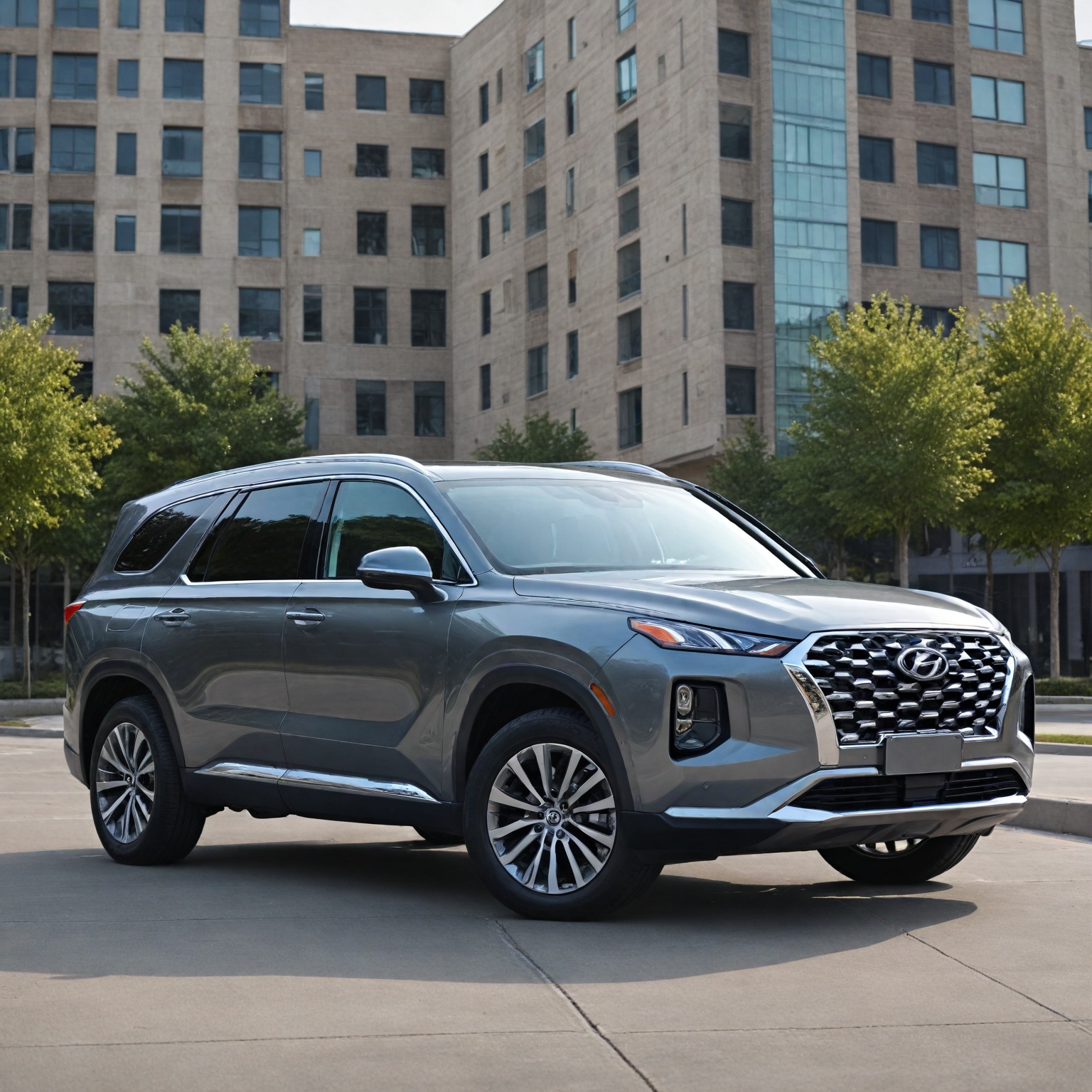
The 2026 Hyundai Palisade showcases a refined exterior and interior design that emphasizes both sophistication and practicality. On the outside, the SUV features new, raised roof rails and larger 21-inch wheels, enhancing its authentic SUV character. The side mirrors are slightly shorter, and the wheel arches adopt a more squared shape compared to the previous generation. Additionally, the windows and rear quarter glass panels are redesigned to provide a more symmetrical appearance, contributing to the vehicle’s modern and balanced profile.
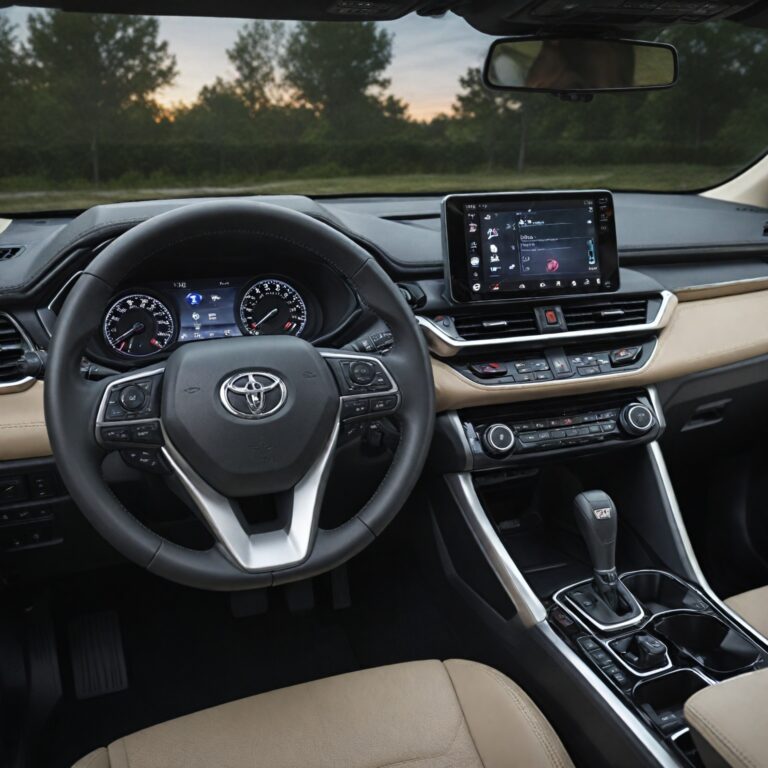
Inside, the Palisade boasts an upscale interior reminiscent of Hyundai’s luxury Genesis brand, characterized by simple surfaces and smooth, gentle curves. The dashboard is redesigned to be more upright and incorporates a metallic trim piece that extends from the door panels across the dash, adding a subtle yet elegant touch. A standout feature of the cabin is the panoramic, curved digital instrument cluster and navigation system comprising dual 12.3-inch displays that provide key information clearly to the driver. This large curved digital display integrates both the instrument panel and infotainment system, which supports wireless Apple CarPlay and Android Auto compatibility, as well as wireless charging with a 15-watt charging pad.
The interior materials are available in a variety of colorways and textures, including black, gray two-tone, navy two-tone, and brown. The XRT models introduce unique materials and patterns inspired by terrain features, further enhancing the cabin’s bespoke appeal. In addition, the 2026 Palisade offers innovative Relaxation seats in the front and second rows, which provide increased recline angles and deployable upper-leg supports designed to reduce fatigue during long journeys. Convenience features such as second- and third-row seat articulation functions can be controlled remotely from the driver’s seat or cargo area, and USB-C ports with 100-watt charging capability are accessible in every row to ensure that all devices remain powered throughout the trip.
Powertrain
The 2026 Hyundai Palisade introduces a significant update to its powertrain lineup with the debut of a next-generation hybrid system. At the heart of this system is a turbocharged 2.5-liter four-cylinder gasoline engine that produces 262 PS (258 hp) and 36.0 kgf·m (260 lb.-ft.) of torque. This engine is paired with one or two electric motors, depending on the configuration, delivering a combined output of up to 329–334 horsepower and approximately 339 pound-feet of torque, significantly surpassing the outgoing V-6 model’s 291 horsepower.
The hybrid powertrain features electric motors integrated within a six-speed automatic transmission, enabling smooth power delivery and enhanced efficiency. This setup allows the Palisade Hybrid to achieve an estimated fuel economy of 25 to 30 miles per gallon combined, with highway figures potentially reaching 30 miles per gallon or more, which is a considerable improvement over the current gasoline-only model that averages around 21–22 MPG.
Hyundai also equips the hybrid Palisade with Vehicle-to-Load (V2L) capability, allowing the vehicle to supply power to external devices using the high-voltage battery, which can be conserved for use upon arrival at a set destination through a Stay Mode feature. This enables operation of the HVAC and infotainment systems without activating the engine or stressing the 12-volt auxiliary battery. The combined gasoline-electric driving range is projected to reach up to 559 miles, contributing to an “EV-like driving experience” aimed at encouraging greater adoption of electrified vehicles.
Both front-wheel-drive and all-wheel-drive configurations will be available, with the latter offering advanced features such as adaptive dampers and an electronic rear limited-slip differential in specific trims like the XRT Pro. The towing capacity for the hybrid variant is estimated at around 4,000 pounds, compared to up to 5,000 pounds for the standard gasoline V-6.
Hyundai plans to launch this hybrid powertrain in the Palisade by the end of 2026, with sales starting in 2027. This powertrain will also be utilized across other SUVs within the Hyundai and Genesis brands, as part of the company’s broader strategy to expand hybrid offerings amid shifting market demands and to provide a bridge toward a fully electric future.
Technology and Features
The 2026 Hyundai Palisade introduces a host of advanced technology and features aimed at enhancing convenience, connectivity, and safety for all occupants. Central to its cabin design are dual adjacent 12.3-inch digital displays that serve as both the instrument cluster and infotainment system, providing key information within easy view of the driver. Complementing this setup is a wireless charging pad capable of delivering 15 watts with an integrated cooling fan, enabling faster device charging—paired with standard wireless Apple CarPlay® and Android Auto™ integration to keep occupants connected on the go.
Audio enthusiasts benefit from an available Bose® 14-speaker surround sound system, which envelops all three rows in rich, lifelike sound, creating a premium auditory experience. Additionally, the interior offers multiple USB-C ports capable of delivering 100 watts, ensuring all passengers can keep their devices powered throughout the journey. The cabin’s design also emphasizes passenger comfort with innovative Relaxation seats available for front- and second-row passengers, featuring additional recline angles and deployable upper-leg supports that help reduce fatigue during extended trips.
Hyundai has enhanced usability with available second- and third-row seat articulation functions that can be controlled remotely from the driver’s seat or cargo area, adding convenience when loading passengers and cargo. The 2026 Palisade also integrates the next generation of Bluelink® connected car services, allowing drivers to control vehicle functions via smartphone or voice commands, thereby making driving more seamless and enjoyable.
Safety technology is a major focus, with the Palisade offering an expanded suite of Hyundai’s SmartSense active safety features. This comprehensive package includes Forward Collision-Avoidance Assist, Blind-Spot Collision Warning, Safe Exit Assist, Forward Attention Warning, High Beam Assist, Navigation-Based Smart Cruise Control, Lane Following Assist, Rear Cross-Traffic Collision-Avoidance Assist, Parking Collision-Avoidance Assist-Reverse, and Remote Smart Parking Assist, which enables remote parking or exiting of parking spots via the key fob. For added protection, the SUV comes standard with ten airbags, including dual front, side-front and rear, center-front, driver’s knee, and side-curtain airbags.
A notable first for Hyundai is the built-in dual-camera dash cam, capable of continuous recording while driving, which enhances security and incident documentation. Moreover, the Palisade’s advanced driver assistance systems can detect potential rearward collisions while reversing, providing warnings and engaging emergency braking if necessary to prevent accidents.
Market and Availability
Hyundai is set to launch the 2026 Palisade with a significant focus on hybrid powertrains, aligning with the company’s broader electrification strategy. The new Palisade hybrid version will offer a 334-horsepower output, complementing the standard 281-hp 2.5-liter turbocharged engine. This move reflects Hyundai’s response to a slowing demand for fully electric vehicles, emphasizing hybrids as a transitional technology before a full EV lineup is established by 2030.
The 2026 Palisade is expected to enter its second generation, featuring larger dimensions and a longer wheelbase compared to the current model. The redesign introduces blockier styling with bold lighting elements, drawing design cues from Hyundai’s electric Ioniq 9 SUV, alongside a revamped and more upscale interior. Although the new Palisade was first revealed at the end of 2024 for the Korean market, Hyundai has not yet finalized details regarding its overseas launch, including North America.
Regarding production and pricing, the Palisade will be built in Korea, which may subject it to import tariffs such as the 25% duties imposed by the U.S. government on vehicles from the region. Pricing details have not been announced, but the 2026 model is anticipated to stand out in the competitive midsize three-row SUV segment with its updated design and hybrid options. Hyundai’s commitment to electrified mobility extends to its plans for the Indian market as well, where hybrid SUVs from Hyundai and Kia are targeted for launch in 2026 or 2027, aiming to capture market share in a segment currently dominated by Japanese competitors.
Reception
The 2026 Hyundai Palisade has been well received for its blend of efficiency, comfort, and advanced safety features, positioning it competitively against rivals such as the Buick Enclave, Ford Explorer, and Toyota Grand Highlander. Critics and industry reviewers have highlighted the Palisade’s upgraded hybrid powertrain, which delivers an estimated 30 mpg on the highway and a notable 600-mile range, enhancing its appeal in the mid-size SUV market increasingly focused on fuel efficiency and environmental considerations.
The interior redesign, described as upscale and reminiscent of Hyundai’s luxury Genesis brand, has also garnered positive attention. The use of high-quality materials and the inclusion of dual 12.3-inch adjacent screens for both the instrument panel and infotainment system contribute to a modern and user-friendly cabin environment. Features such as a 15-watt wireless charging pad, wireless Apple CarPlay and Android Auto, and an available Bose 14-speaker surround audio system elevate the in-car experience for all three rows of passengers. The introduction of Relaxation seats with enhanced recline and upper-leg supports in the front and second rows has been praised for improving comfort on long drives, while the convenience of remotely controlled second- and third-row seat articulation adds to the vehicle’s practicality.
Safety remains a key strength of the 2026 Palisade, with Hyundai’s SmartSense suite delivering both active and passive protections. The vehicle extends these safety benefits not only during driving but also while parked, reflecting Hyundai’s comprehensive approach to occupant wellbeing. However, some reviews have noted that third-row passenger space remains somewhat cramped compared to competitors, and that driving enthusiasts might prefer alternatives that offer a more engaging driving experience.
Competitors
The 2026 Hyundai Palisade Hybrid enters a competitive segment dominated by established Japanese rivals, particularly Toyota. It directly competes with hybrid three-row SUVs such as the Toyota Highlander Hybrid and the larger Grand Highlander Hybrid, both of which currently lead in fuel economy within this category. Additionally, the Palisade Hybrid contends with vehicles like the Buick Enclave, Chevrolet Traverse, Ford Explorer, GMC Acadia, Honda Pilot, Kia Telluride, Mazda CX-90, and Subaru Ascent.
Within the hybrid and electrified SUV market, the Palisade Hybrid also rivals Hyundai’s own Santa Fe Hybrid, as well as plug-in hybrid models including the Mazda CX-90 PHEV and Jeep Grand Cherokee 4xe. While the Palisade’s estimated highway fuel economy of around 30 miles per gallon marks a significant improvement over the previous gasoline-only version, it still falls short of the efficiency offered by Toyota’s hybrid models.
Powertrain-wise, the 2026 Palisade Hybrid features a 2.5-liter turbocharged four-cylinder engine paired with two electric motors, producing a combined output of 329 horsepower—an increase over the standard V6’s 287 hp. This powertrain supports both front-wheel and all-wheel drive configurations, with specific trims like the XRT Pro offering all-wheel drive alongside advanced features such as an electronic rear limited-slip differential and multiple selectable terrain modes. Its estimated driving range of approximately 600 miles and towing capacity of up to 4,000 pounds further enhance its competitiveness in the mid-size hybrid SUV market.
Hyundai’s Broader Hybrid and EV Strategy
Hyundai is strategically expanding its hybrid offerings as part of a broader shift in response to what it describes as “decelerating” demand for fully electric vehicles (EVs). While the company remains committed to electrification, it recognizes that not all customers are ready to transition fully to EVs in the near term. To bridge this gap, Hyundai plans to introduce a range of powertrains, including internal combustion engines, hybrids, plug-in hybrids, EVs, and hydrogen fuel cell vehicles.
One key development in Hyundai’s strategy is the launch of an “extended range electric vehicle” (EREV) slated for 2026. This model will combine a gasoline engine with an electric motor to deliver a driving range of up to 560 miles, offering a middle ground between traditional hybrids and full EVs. Moreover, the company aims to expand its EV lineup to 21 models by 2030, anticipating increased market demand for electric cars in the longer term.
In the Indian market, Hyundai and its affiliate Kia are targeting the introduction of hybrid SUVs by 2026 or 2027. This move aligns with rising hybrid sales in India and positions the brands to compete with established Japanese rivals such as Toyota, which currently dominates the segment. Hyundai’s expertise in hybrid technology is expected to help capture a significant share of the Indian hybrid vehicle market, where local manufacturers have yet to offer strong hybrid options.
The introduction of the hybrid powertrain for the 2026 Hyundai Palisade exemplifies the automaker’s commitment to enhancing its hybrid portfolio. The new Palisade hybrid features a turbocharged 2.5-liter inline-four engine paired with an electric motor, promising improved power and driving range while maintaining a functional interior and driving experience. This addition provides customers with a trio of powertrain choices in the three-row SUV segment, alongside the traditional gasoline engine and the forthcoming all-electric Hyundai Ioniq 9.
The content is provided by Harper Eastwood, Gear Shift Zone