Summary
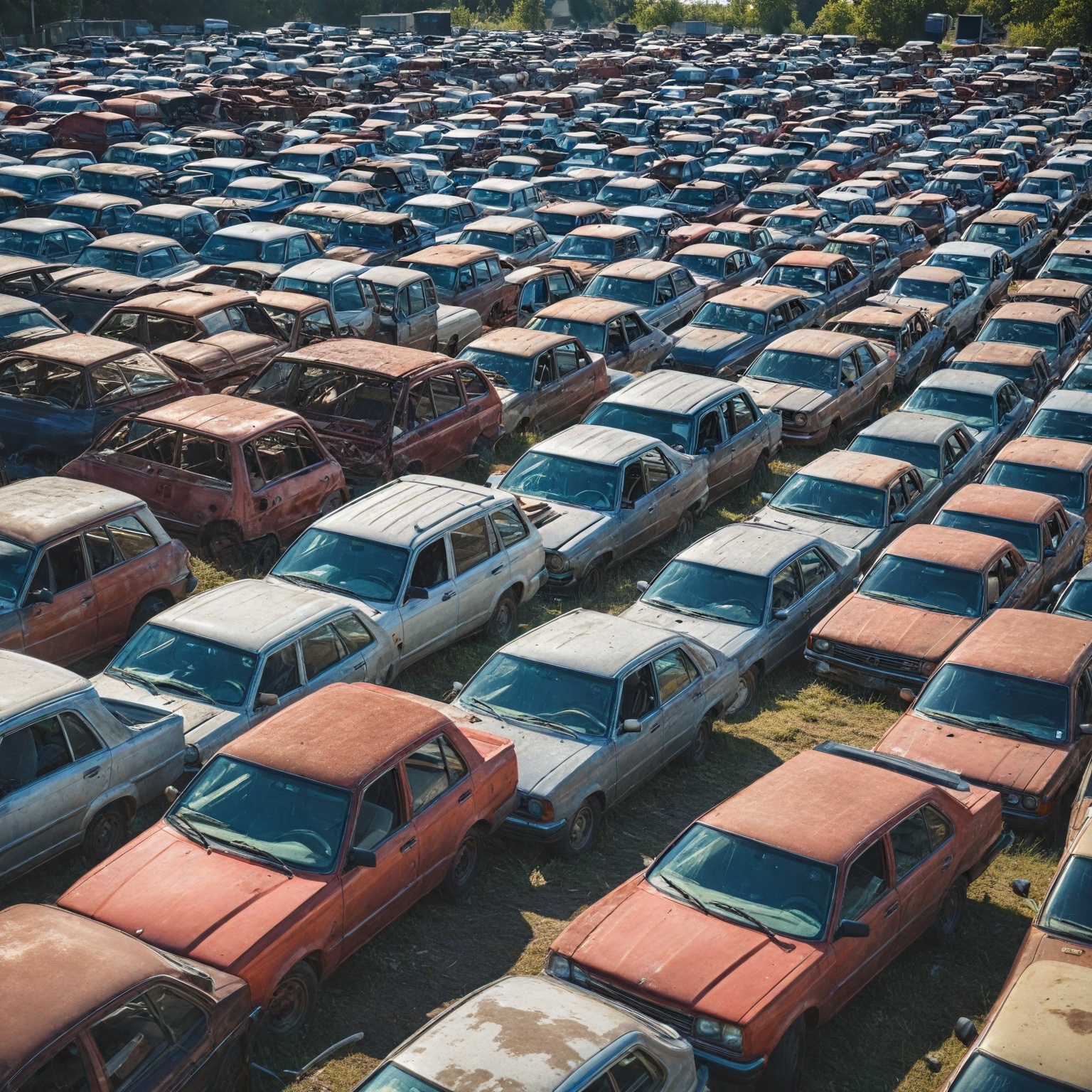
Discover How to Score Affordable Salvage Car Parts Easily is a comprehensive guide aimed at helping consumers, repair shops, and automotive enthusiasts navigate the salvage car parts market effectively. Salvage car parts are components recovered from vehicles that have been declared total losses due to accidents, natural disasters, theft, or other incidents. Despite the damaged status of these vehicles, many parts remain reusable and offer a cost-effective alternative to new components, making them a valuable resource for repairs and restorations.
The availability and pricing of salvage parts are influenced by multiple factors, including the condition of the originating vehicle, market demand, scrap metal prices, and geographic regulations governing salvage titles. Understanding salvage titles—legal designations indicating a vehicle’s total loss status—and the differences between salvage and rebuilt titles is crucial for buyers seeking quality parts while avoiding potential pitfalls. Various sources such as local salvage yards, online aggregators, and salvage auctions provide diverse options for finding affordable parts, each with its own advantages.
However, purchasing salvage parts carries inherent risks. Some sellers may offer poorly repaired or substandard components, and improper disclosure or inadequate inspections can lead to safety and reliability issues. Consumer protection laws and state-specific disclosure requirements aim to safeguard buyers, but due diligence, including mechanical inspections and verification of vehicle history, remains essential. Additionally, safety precautions during removal and installation of salvage parts are important to prevent injury and ensure proper vehicle function.
Overall, the salvage car parts market represents a significant opportunity for cost savings and environmental sustainability by promoting the reuse and recycling of automotive materials. Nevertheless, buyers must balance affordability with quality, legal considerations, and safety to make informed decisions in this complex and evolving marketplace.
Understanding Salvage Car Parts
Salvage car parts are components recovered from vehicles that have been declared total losses due to damage from accidents, natural disasters, theft, or other incidents. Despite the damaged status of these vehicles, many parts can still be reused or sold, which adds significant value to salvage cars overall. These parts are often sourced from vehicles with a “salvage” or “rebuildable salvage” title—terms that indicate the car was deemed a total loss but may still be repaired and resold, albeit with a notation of its history. A rebuildable salvage title, also known as a repairable salvage title, identifies vehicles that have the potential to be restored to operational condition. Once repaired, these vehicles can be retitled and resold, though the salvage history remains a part of the vehicle’s record. Different states may use various categories to specify the type of damage involved, such as fire, flood, vandalism, or collision, providing more detailed information about the vehicle’s condition and the nature of its parts.
While salvage parts can offer a cost-effective alternative for repairs or restorations, caution is advised when purchasing. Some sellers may perform minimal repairs just to pass the vehicle off as functional, potentially leading buyers into further problems. Therefore, understanding the source and quality of salvage parts is crucial to ensure reliability and avoid hidden issues.
Sources for Affordable Salvage Car Parts
Affordable salvage car parts can be found through a variety of reliable sources, each offering unique advantages depending on the buyer’s needs. One of the most common and convenient sources is local auto salvage yards or junkyards, where vehicles are dismantled and parts are sold individually. These yards often maintain well-organized inventories, making it easier to locate specific parts while saving money compared to buying new components. Additionally, many salvage yards offer free towing services and fast cash payments for junk cars, adding convenience to the selling and buying process.
Another increasingly popular source is online platforms that aggregate inventories from numerous salvage yards nationwide. Websites like PartsHotlines.com perform live searches across hundreds of premier auto salvage yards, providing up-to-date availability of used car and truck parts. This service allows buyers to quickly find quality parts sorted by proximity, ensuring faster delivery and reduced shipping costs. PartsHotlines.com emphasizes offering top-quality parts and knowledgeable customer service, catering to insurance estimators, body shops, garages, and individual consumers alike.
Local salvage car auctions also present an opportunity to acquire salvage vehicles or parts at competitive prices. These auctions are often attended by registered owners of salvage-titled vehicles or dealers who specialize in parting out damaged cars, offering a broad selection of affordable components.
When selling or buying salvage car parts, it is essential to consider the value of reusable components and current scrap metal prices, as these factors heavily influence pricing. Junkyards appraise vehicles based on the potential resale value of parts such as engines, transmissions, and body panels, as well as the metal content of the car. Utilizing these sources responsibly not only helps in acquiring affordable parts but also promotes environmental sustainability by encouraging recycling and reuse of automotive materials.
Factors Influencing Price and Affordability of Salvage Car Parts
The price and affordability of salvage car parts are determined by a combination of factors relating to the vehicle’s condition, market dynamics, and geographic considerations. Understanding these influences is crucial for buyers aiming to find quality parts at competitive prices.
Vehicle Condition and Salvage Value
One of the primary factors impacting salvage parts pricing is the condition of the vehicle from which the parts are sourced. Salvage cars with minor damage and intact components tend to have higher salvage values because many parts can be reused or sold separately. For example, vehicles with functioning engines, transmissions, or body panels are more valuable than those severely wrecked or with compromised structural integrity. Seats in good condition are also highly desirable due to their scarcity and wear over time, which can raise their price in the salvage market. Conversely, vehicles labeled as junk with irreparable damage should only be used for scrap parts, as safety-related components may no longer meet standards.
Market Demand and Scrap Metal Prices
The demand for used car parts, along with fluctuating scrap metal prices, significantly affects affordability. Since salvage yards aim to maximize profits by selling reusable parts and extracting metals like copper and aluminum, scrap metal price fluctuations directly influence offers for salvage vehicles. These prices typically peak during summer months and periods of economic growth, offering sellers higher returns. Buyers seeking affordable parts can benefit from timing their purchases to coincide with market lows and by obtaining multiple quotes from different salvage yards to ensure competitive pricing.
Geographic and Regulatory Factors
Geographical location also plays a role in determining salvage parts costs. Variations in local demand, competition among salvage yards, and state-specific regulations on salvage titles influence pricing and availability. In North America, the criteria for issuing a salvage title differ by state or province, affecting the perceived value and resale potential of salvage vehicles and parts. Some regions may have stricter thresholds for declaring a vehicle a total loss, thereby impacting the volume and pricing of salvage parts available in the market.
Repair Quality and Buyer Considerations
The quality of repairs performed on salvage vehicles further impacts the value and safety of parts. While some salvage cars are professionally rebuilt and offer reliable parts, others may have undergone minimal or poor repairs, increasing the risk of future issues for buyers. It is important for buyers to thoroughly research the source and condition of salvage parts, and consider potential repair costs, which can accumulate and affect overall affordability. Partnering with knowledgeable parts experts and reputable suppliers can assist in securing quality components at fair prices.
By considering these factors—vehicle condition, market demand, geographic regulations, and repair quality—buyers can better navigate the salvage parts market and identify affordable, reliable options for their automotive needs.
Salvage Vehicle Titles and Their Impact
A salvage vehicle title is a form of branding applied to a vehicle’s title indicating that the vehicle has been damaged and deemed a total loss by an insurance company that has paid a claim on it. The criteria for issuing a salvage title vary widely between states and provinces, with thresholds generally ranging from 50% to 95% of the vehicle’s market value at the time of the incident. For example, in Oklahoma, the threshold is 60%, while in Oregon it is 80%. When the estimated repair cost plus the vehicle’s salvage value meets or exceeds this threshold, the insurer declares the vehicle a total loss and issues a salvage certificate or title.
Salvage titles can result from a variety of circumstances including collision damage, flood damage, theft recovery, or manufacturer buybacks such as lemon law returns. Some special cases include vehicles used as taxis or law enforcement cars, as well as those returned under warranty or remanufactured and rebuilt before resale. This diversity in causes means that the presence of a salvage title does not always indicate severe damage or poor repair quality, but it is crucial for prospective buyers to understand the specific reasons behind the salvage designation.
The impact of a salvage title on a vehicle’s value and usability is significant. Most franchise dealers refuse salvage vehicles as trade-ins, limiting resale options primarily to private parties or independent dealerships, often at substantially reduced prices. Additionally, common car appraisal services typically assume clean titles, making it difficult to accurately determine the salvage vehicle’s value. The warranty is generally voided for late-model cars with salvage titles, which can further diminish market value, although the effect may be less pronounced for older or rare vehicles depending on repair quality and documentation.
States require that salvage vehicles be surrendered to the Department of Motor Vehicles (DMV) so that the title can be properly marked as salvage. Some states also mandate inspections which, if passed, may allow the salvage branding to be removed. However, vehicles sold strictly for parts cannot be retitled, though they serve as valuable sources for restoration components. Disclosure of the type of damage is typically required during the salvage title application, excluding certain damage types such as hail in some jurisdictions.
Regional Salvage Title Regulations and Consumer Implications
Salvage title regulations vary significantly across regions, affecting how salvage vehicles are classified, repaired, and resold. In North America, a salvage title indicates that a vehicle has been declared a total loss by an insurance company following damage or other qualifying events such as theft or vandalism. The criteria for issuing salvage titles differ by state or province. For example, Oregon assigns a salvage title to vehicles that have lost 70% or more of their value due to damage or are abandoned with a value below $500. In some states and provinces, salvage titles are also issued when stolen or vandalized vehicles are not recovered within a specified time frame, commonly 21 days.
Once a vehicle is declared salvage, restrictions often apply. Many states prohibit the operation of salvage-title cars on public roads, and some classify severely damaged vehicles as unrebuildable, restricting their sale to parts only. However, if the owner opts to repair the vehicle, the car must undergo inspection by a state-designated agency to receive a rebuilt or reconstructed title, which signifies that it has been restored to a roadworthy condition but retains its history as a salvage vehicle. This rebuilt title affects the vehicle’s marketability and value since buyers can see that the car was once severely damaged.
Consumer protection laws play a critical role in safeguarding buyers of salvage-title vehicles, particularly in states like Florida. Florida’s Consumer Protection Act provides legal recourse against fraud and misrepresentation in salvage vehicle sales, ensuring transparency and fairness. Buyers are encouraged to familiarize themselves with such state-specific laws to fully understand their rights and obligations when purchasing salvage or rebuilt vehicles. Additionally, consumers should be aware that improperly repaired salvage vehicles can present ongoing mechanical or safety issues, underscoring the importance of thorough inspections and cautious purchasing.
Insurance companies may offer owners the option to buy back their total-loss vehicles, leaving the responsibility of repairs and inspections to the owner. This buy-back process varies regionally and impacts whether a salvage brand can be removed from the vehicle’s title following successful inspection and repairs. Buyers considering salvage-title cars should be aware of the potential extra costs involved in repairs and inspections, as well as the implications for insurance coverage and resale value.
Consumer Protection and Disclosure Requirements
In the United States, various consumer protection laws and disclosure requirements are in place to regulate the sale of salvage title vehicles and protect buyers from fraud and misrepresentation. Sellers are generally mandated to disclose critical information regarding a vehicle’s history, including whether it has been previously titled as salvage, rebuilt, or involved in incidents such as floods, fires, or accidents.
Specifically in Florida, dealers must provide written disclosure about the vehicle’s history, including if it was a rental, salvaged, or rebuilt. Failure to comply with these disclosure requirements can result in penalties under state laws such as the Unfair and Deceptive Trade Practices Act, which prohibits false advertising and misleading statements. Additionally, the Truth in Mileage Act mandates that sellers accurately report the vehicle’s odometer reading to prevent odometer fraud. Florida’s Lemon Law also extends protections to used cars that are certified pre-owned, offering buyers recourse in the event of defects or mechanical problems.
Across many states, salvage-title vehicles often cannot be legally driven or registered on public roads without passing rigorous safety inspections. These inspections verify that the vehicle meets safety standards before it can be rebranded from a salvage to a rebuilt title. Attempts to circumvent these inspections are illegal and undermine consumer safety.
Buyers should be aware that salvage title branding varies by state, with some states issuing salvage titles for stolen or vandalized vehicles not recovered within a certain time frame. Furthermore, vehicles may receive salvage titles for various reasons, including previous use as taxis, law enforcement vehicles, or after being returned under warranty.
Evaluating Salvage Car Parts Before Purchase
When considering the purchase of salvage car parts, thorough evaluation and preparation are essential to ensure value and reliability. The process begins with understanding the condition and history of the vehicle from which the parts originate. Many salvage cars receive their title due to collision damage, flood damage, theft recovery, or manufacturer buybacks, and not all damage is visibly apparent. Therefore, obtaining detailed accident history and repair records is crucial to assess the quality of any previous repairs and the usability of parts.
Having the vehicle or parts inspected by a qualified mechanic is highly recommended. This professional evaluation can help verify whether repairs were done properly and whether parts are in good condition for reuse or resale. Skilled mechanics often use high-quality replacement parts, which might even improve upon original equipment components, enhancing the overall value of salvage parts.
Market demand and regional considerations also influence the value and availability of salvage parts. Some parts may be highly sought after, especially for rare or classic vehicles, where enthusiasts and kit car builders customize or replicate components to their specific needs. Additionally, understanding applicable state laws and regulations concerning the repair, inspection, and titling of salvage vehicles ensures compliance and can impact the ease of using or reselling salvage parts.
Ultimately, evaluating salvage car parts requires a combination of thorough inspection, review of vehicle history, and awareness of market and legal factors. This comprehensive approach enables buyers to identify valuable parts, negotiate effectively, and avoid potential pitfalls associated with poorly repaired salvage vehicles or substandard components.
Safety Precautions and Best Practices for Using Salvage Car Parts
When working with salvage car parts, prioritizing safety is essential due to the nature of handling used components and tools. Removing parts in a salvage yard can resemble construction work, involving the use of various tools that require careful attention to hand safety. It is recommended to wear heavy, puncture-resistant gloves that still allow manual dexterity to protect against cuts and abrasions while maintaining the ability to handle small parts effectively. Such protective gear is also beneficial when working on car repairs in a garage or engaging in do-it-yourself home projects.
Salvage yards often enforce safety rules not only to protect their assets but also to ensure customer safety. For example, the use of flame cutters and similar tools may be banned to prevent accidents, underscoring the importance of adhering to the specific regulations of each salvage facility. Choosing professionally operated salvage
Economic and Market Factors Affecting Salvage Car Parts
The value and availability of salvage car parts are heavily influenced by various economic and market dynamics. One of the primary drivers is the fluctuation of local scrap metal prices, which directly impacts the offers made by junkyards and auto recyclers. Since these businesses operate to maximize profit while minimizing costs, they assess the potential value of reusable parts, such as engines, transmissions, and body panels, alongside the scrap metal content of the vehicle. Timing the sale of salvage vehicles can therefore be strategic, as scrap metal prices tend to peak during summer months and periods of economic growth when metal demand increases.
Market demand for used and salvage parts is also shaped by broader industry trends and regulatory environments. The current automotive market faces inventory shortages due to factors like semiconductor scarcity, which has heightened the demand for used vehicles and parts. In this context, the use of salvage parts plays a critical role in supporting the circular economy by providing affordable repair options and reducing waste. However, some original equipment manufacturers (OEMs) discourage the use of salvage parts, a stance that may conflict with market needs and sustainability goals.
Regulatory frameworks further influence the salvage parts market by establishing standards for part quality and resale, as well as consumer protections. For example, laws such as the Magnuson-Moss Warranty Act and various “Right to Repair” regulations ensure that consumers can choose independent service providers and have access to necessary repair information. State-specific regulations govern salvage title processing, inspection, and registration, affecting how salvage vehicles and parts are marketed and sold. Additionally, disclosure requirements, such as those in Florida, mandate that sellers inform buyers about a vehicle’s salvage history, increasing transparency and affecting buyer confidence.
Finally, consumer behavior and price sensitivity play a crucial role. Buyers of used car parts prioritize affordability, which drives demand for salvage parts despite concerns about quality or potential hidden damages. This price sensitivity, combined with the above economic, regulatory, and market factors, shapes the overall landscape of salvage car parts availability and pricing.