Summary
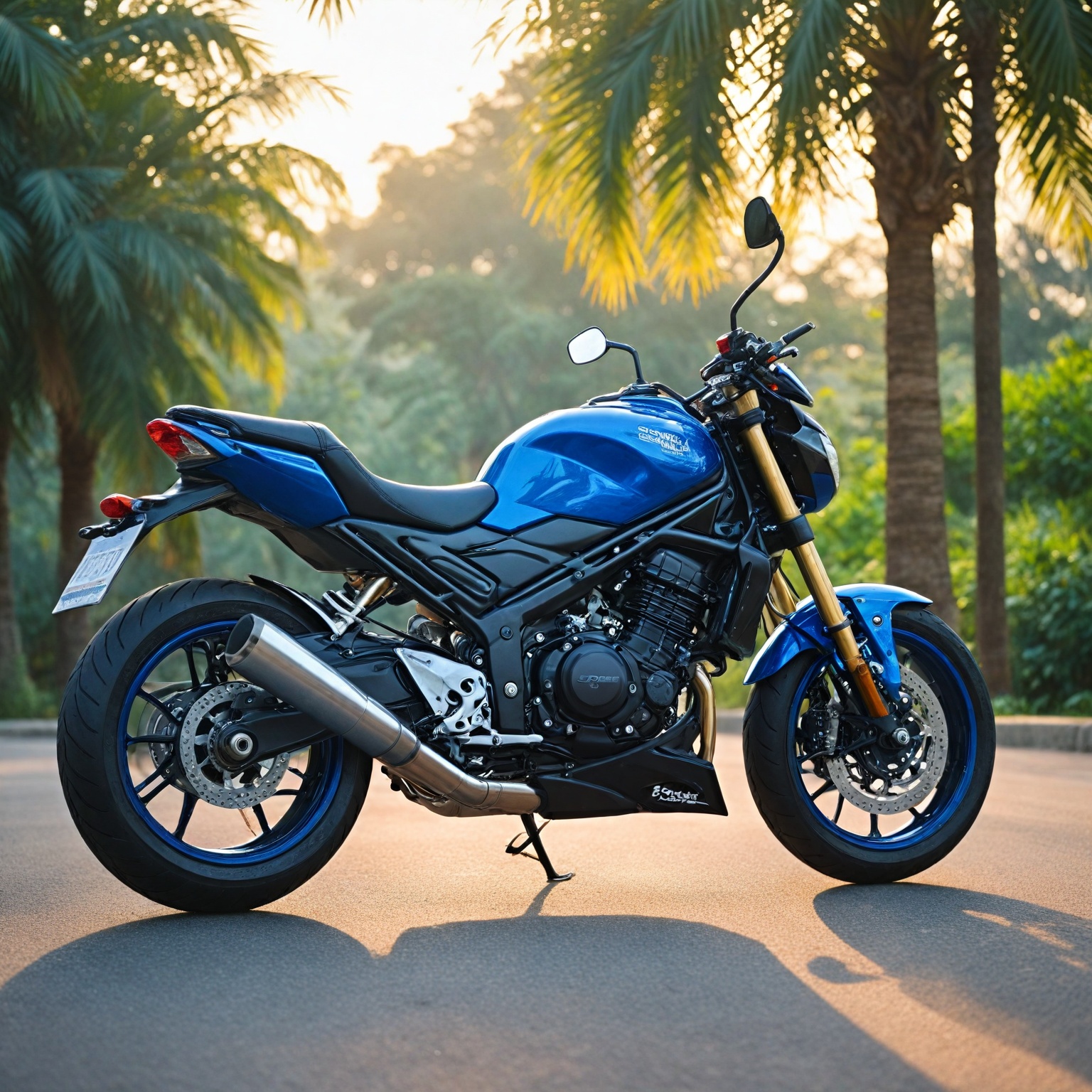
The custom fabrication of headlight guards for the modified Suzuki Gixxer, particularly the 2016 BS4 model, has become a notable aspect of motorcycle personalization and protection among enthusiasts. This process involves designing and installing durable guards to shield the headlight assembly from road debris and impacts, while maintaining optimal lighting performance and rider safety. The modifications often include dual-headlight setups with varying wattages and the use of materials such as polycarbonate, ABS plastic, and aluminum alloy, chosen for their balance of strength, weight, and aesthetic appeal.
Crafting these custom guards requires precise fabrication techniques that utilize existing sturdy mounting points on the motorcycle, such as threaded holes in the bottom triple clamps. Riders employ metalworking skills to create brackets that secure the guard without compromising headlight adjustability or legal compliance. Incorporating Design for Manufacturing (DFM) principles ensures that the guards are not only durable and functional but also cost-effective and easy to maintain.
Safety and regulatory considerations play a critical role in the design and installation of custom headlight guards. Modifications must comply with regional transport laws, such as India’s Motor Vehicles Act and standards set by the Automotive Research Association of India (ARAI), which govern headlight placement, wattage limits, and color to prevent hazards like glare and to maintain road safety. Non-compliance can lead to legal penalties or mandatory removal of unauthorized lighting modifications.
This guide and project, developed by Akash Kalita, an automotive enthusiast from Guwahati, Assam, documents the step-by-step process of fabricating a custom headlight guard tailored for the Suzuki Gixxer. Kalita’s work not only enhances the motorcycle’s durability and aesthetic but also contributes valuable knowledge to the DIY motorcycle modification community, emphasizing practical improvements and compliance with safety standards.
Background
The Suzuki Gixxer, particularly the 2016 BS4 model, has been a popular choice among motorcycle enthusiasts for customization due to its versatile design and performance. Over the last several years, riders have sought to enhance both the aesthetic appeal and functionality of their Gixxers through various modifications. One common modification includes the installation of dual headlights with differing wattages, such as 45/35W and 35/35W bulbs, often mounted using custom brackets to improve visibility and style.
A significant aspect of these modifications involves protecting the headlight assembly from damage caused by road hazards. Headlight guards or covers have become essential accessories, designed to shield the glass lens from debris, rocks, and other impacts encountered during rides. These guards are typically made from durable materials like aluminum alloy, offering a sturdy yet lightweight solution that resists deformation and breakage. The design often features a metal grate structure that not only protects the headlight but also maintains airflow and visibility, which is crucial for rider safety.
Adjustability is another critical factor for headlight assemblies. Certain systems allow for vertical and horizontal adjustments, enabling riders to precisely position the headlights to optimize illumination and road visibility. These adjustments contribute to enhanced safety, especially when paired with protective headlight cowls or grills that add an additional layer of defense without compromising light output.
The trend of modifying the Suzuki Gixxer’s headlights extends beyond protection and functionality. Riders have also experimented with changing headlight colors to increase visibility to other road users, demonstrating the multifunctional role that headlight modifications play in both safety and personalization.
Materials for Custom Headlight Guards
When crafting custom headlight guards for the modified Suzuki Gixxer, selecting the right material is crucial to ensure durability, protection, and aesthetic appeal. Various materials are commonly used, each with unique properties suited for different requirements.
One of the most popular materials is polycarbonate, valued for its strength, flexibility, and clarity. It provides excellent protection against impacts and UV rays while being unlikely to shatter under pressure, making it ideal for headlight covers. Additionally, polycarbonate can be enhanced with hardcoatings, such as ZTechnik’s Quantum® hardcoating, which offers up to 10 times more strength and 30 times greater scratch resistance compared to acrylic guards, thus extending the guard’s lifespan significantly.
ABS plastic is another frequently used material for headlight guards and fairings. It is sturdy, impact-resistant, cost-effective, and can be painted, allowing for customization to match the motorcycle’s aesthetics. ABS is less prone to breakage under normal riding conditions, making it a reliable choice for everyday use.
Thermoplastic elastomer (TPE) offers flexibility and vibration absorption, which contributes to durability and the ability to withstand road vibrations without damage. This material is also weather-resistant, enhancing its longevity on the motorcycle.
In addition to plastics, billet aluminum combined with steel mesh is employed in some headlight guard designs. These materials provide a rugged, super durable, and sturdy structure that effectively protects the headlight glass lens from debris, rocks, and other hazards encountered on the road. Aluminum guards often feature CNC machining for precision and can be easily installed using either the retainer or adhesive tapes like 3M tape, making them a versatile choice for both motorcycles and automobiles.
Fiberglass, while less common for headlight guards, is noted for being lightweight and customizable but tends to be more brittle than ABS or polycarbonate. It is generally used more in headlight fairings rather than guards.
Tools and Fabrication Techniques
When crafting a custom headlight guard for a modified Suzuki Gixxer, careful selection of tools and fabrication methods is essential to achieve both durability and a clean aesthetic. Many motorcycles feature threaded holes machined into the bottom triple clamps, which provide a convenient and sturdy mounting point for accessories such as headlights and guards. Utilizing these mounts can simplify the fabrication process, allowing for quick installation and a neat finish. Commonly, fabrication slugs of M6 or M8 size are fixed into these points, from which sections of round bar or flat plate can be bent, cut, and welded to secure the LED headlight or guard in the desired position.
For off-road or scrambler-style customizations, the use of a scrambler light plate or grill adds a distinctive look but requires more labor-intensive fabrication. One approach involves purchasing tubing that fits over the fork tubes, sliding it into place, and fabricating a triangulated bracket to support the headlight assembly. To prevent rattling and potential damage, bushings should be used between the tube and the fork tubes to provide cushioning and reduce vibrations. Proper alignment to achieve the correct beam angle is critical regardless of the mounting method employed. The PBM LED Motorcycle Headlight Range, for instance, comes with three machined mounting points on the bezel—two on the sides and one at the bottom—which facilitate versatile mounting options.
Material choice plays a significant role in the fabrication of headlight guards. Lightweight yet robust materials reduce the overall weight of the assembly, contributing to better handling and longevity. In the context of headlight production, polycarbonate is a preferred material for lenses and guards due to its excellent combination of impact resistance, optical clarity, and durability. For example, ZTechnik’s guards are made from tough 3mm polycarbonate enhanced with Quantum® hardcoating, offering ten times more strength and thirty times greater scratch resistance compared to conventional acrylic guards. Such enhancements ensure that the headlight assembly remains protected under demanding conditions.
Adopting Design for Manufacturing (DFM) principles streamlines the fabrication process by emphasizing simplicity, cost-efficiency, and ease of maintenance. Creating components with easily replaceable parts not only facilitates repairs but also minimizes waste. Lightweight mounting brackets designed with these principles contribute to both improved assembly efficiency and rider safety by maintaining structural integrity without unnecessary weight.
Design Considerations and Engineering Principles
The design of a custom headlight guard for a modified Suzuki Gixxer involves a careful balance between functionality, durability, manufacturability, and aesthetics. Central to this process are the principles of Design for Manufacturing (DFM), which aim to streamline production, reduce costs, and maintain high quality throughout the development cycle. Material selection plays a pivotal role in this regard; polycarbonate is often the preferred choice for headlight guards due to its lightweight nature, exceptional impact resistance, and superior optical clarity. Moreover, polycarbonate can be enhanced with specialized hard coatings, such as ZTechnik’s Quantum® hardcoating, which significantly improves scratch resistance and overall longevity compared to traditional acrylic guards.
The engineering process typically begins with conceptualization, where initial sketches and ideas are shaped around consumer needs, the unique characteristics of the Suzuki Gixxer, and current market trends. This phase is followed by prototyping, utilizing both digital modeling and physical mock-ups to evaluate the guard’s fit, functionality, and visual appeal. Feedback collected during prototyping informs refinements, ensuring the final design harmonizes protection with style. Given the specific vehicle dimensions, exact-fit parts are essential to ensure compatibility and optimal performance of the headlight guard on the Gixxer model.
In addition to material and fit, environmental resistance is a key consideration. Polycarbonate’s inherent UV protection helps preserve the guard’s clarity and strength under prolonged sun exposure, a critical factor for motorcycle components exposed to the elements. Alternatives such as ABS plastic and thermoplastic elastomers (TPE) offer trade-offs in cost, flexibility, and vibration absorption but may not provide the same level of optical performance. Acrylic covers, while offering good impact resistance and stylistic variety including colors and tints, require additional UV-resistant coatings to maintain durability.
The guard’s design must also comply with regulatory standards, particularly regarding vehicle lighting modifications. For motorcycles like the Gixxer, the placement and power consumption of auxiliary lights such as fog lamps are regulated to ensure safety and legality, with fog lights typically required to emit a yellow beam and be mounted below the headlight. While this does not directly affect the guard itself, understanding these constraints informs design decisions that do not obstruct light output or violate legal requirements.
Finally, adjustment mechanisms for the headlight assembly, such as those enabling vertical and horizontal alignment, must remain accessible or uncompromised by the guard installation to ensure optimal headlight aim and function. This consideration underscores the importance of integrating engineering principles that maintain ease of use and ongoing maintenance within the guard’s design.
Detailed Step-by-Step Fabrication Process
Crafting a custom headlight guard for the modified Suzuki Gixxer involves a systematic approach combining design considerations, material selection, and precise fabrication techniques. The process starts by determining the mounting points, which often utilize existing sturdy locations on the motorcycle such as the bottom triple clamps. Many motorcycles, including the Gixxer, have threads machined into these clamps specifically for mounting accessories. Utilizing these threaded mounts allows for a clean, quick, and robust installation of the headlight guard.
Once the mounting points are identified, fabrication slugs—typically M6 or M8—are fixed in place on the triple clamp mounts. From these fixed points, metal components such as sections of round bar or flat plates are bent, cut, and welded to create the bracket framework for the guard. The design must ensure proper support and alignment while maintaining a minimal weight impact on the motorcycle. It is crucial during this stage to consider vibration damping; for example, when using fork tube mounts, inserting bushings prevents rattling and secures the assembly firmly.
The choice of materials for the guard itself plays a significant role in its durability and functionality. Commonly used materials include polycarbonate, ABS plastic, and thermoplastic elastomers (TPE). Polycarbonate is favored for its lightweight nature, impact resistance, and UV protection, often enhanced by proprietary hard coatings that increase scratch resistance by up to 30 times compared to acrylic alternatives. ABS plastic offers cost-effective sturdiness and is easily paintable, while TPE provides flexibility and vibration absorption. Acrylic, although aesthetically versatile with options for various colors and tints, generally requires additional UV-resistant coatings to maintain longevity.
The fabrication then proceeds to the shaping and fitting of the guard over the headlight assembly. It is recommended to first mount the fairing or any protective covering to the desired position before attaching the headlight guard, ensuring compatibility and correct beam alignment. Adjustability features can be incorporated into the bracket design to allow vertical and horizontal movement of the entire headlight assembly, facilitating precise aiming of the light beam for optimal road visibility.
For more intricate customizations, such as installing the guard on off-road styled scrambler light plates or grills, the fabrication complexity increases significantly. These require meticulous labor to achieve a high-quality finish and secure fitment. In such cases, the fabrication process may involve multiple bending and welding steps, as well as refinements to match the motorcycle’s aesthetic.
Throughout the entire fabrication process, adherence to the principles of Design for Manufacturing (DFM) is essential. This ensures that the headlight guard is not only functional and durable but also cost-effective to produce and maintain. Designing with easily replaceable parts simplifies future repairs, reduces waste, and streamlines assembly. For instance, mounting brackets are engineered to be lightweight yet robust to minimize the overall weight of the assembly without compromising strength.
Finally, proper handling of the motorcycle’s factory wiring is necessary to integrate the new headlight guard and LED headlight setup seamlessly. Careful routing and securing of wiring prevent interference with the mounting hardware and ensure electrical safety.
By following these detailed steps—starting from identifying mounting points, selecting appropriate materials, fabricating secure brackets, and ensuring proper adjustment and wiring—one can successfully craft a durable and visually appealing custom headlight guard tailored for the modified Suzuki Gixxer.
Installation Process
The installation of a custom headlight guard on the modified Suzuki Gixxer involves several critical steps to ensure both functionality and durability. Initially, it is important to identify appropriate mounting points on the motorcycle. Many motorcycles, including the Suzuki Gixxer, have threads machined into the bottom triple clamps designed for mounting various accessories. These mounts can provide a sturdy and clean foundation for fixing the headlight guard.
To secure the guard, fabrication slugs such as M6 or M8 bolts are used, which are fixed into the triple clamp threads. From these anchor points, sections of round bar or flat plate can be bent, cut, and welded to form a custom bracket that positions the LED headlight precisely where desired. This approach allows for a tailored fit while maintaining structural integrity.
During installation, special attention must be given to the windshield or any other adjacent components to avoid interference. For example, custom brackets are sometimes employed for windshield installation, which may affect the available mounting space for the headlight guard. Ensuring compatibility with existing parts is therefore essential.
Compliance with installation standards is also crucial. Adaptive headlight systems, including custom guards, need to be installed following legal rules governing orientation and functionality. Moreover, ongoing compliance through regular checks and documentation ensures the system continues to meet safety and legal requirements over time.
Finally, the design and material choice for the headlight guard impact the overall ease of installation and durability. Lightweight yet robust mounting brackets reduce assembly complexity and minimize additional weight on the motorcycle, contributing to efficient installation and maintenance. Materials such as ABS plastic or metal mesh guards are commonly selected for their balance of protection and weight considerations.
Functional Benefits and Performance Impact
Motorcycle headlight guards and covers provide several functional benefits beyond mere protection of the headlight assembly. Primarily, they shield the headlight lens from damage caused by road debris, stones, and other hazards encountered during riding. While the risk of breakage from debris exists, it is generally not significant enough to outweigh the advantages of added protection, especially on rugged or off-road terrain. By preventing lens damage, headlight guards help maintain optimal lighting performance and avoid costly replacements.
In addition to physical protection, headlight guards contribute to improved rider visibility and safety. Some riders modify the color or tint of their headlight covers to increase visibility to other road users, thereby enhancing on-road presence and reducing accident risk. However, any modifications to the color or structure of headlights must comply with legal regulations,
Safety and Legal Considerations
When crafting and installing custom headlight guards on a modified Suzuki Gixxer, it is crucial to adhere to safety and legal regulations to avoid penalties and ensure road safety. The Regional Transport Office (RTO) in India enforces strict rules under the Motor Vehicles Act, specifically Rule No. 106, which regulates the use of headlights to promote safety for both drivers and pedestrians. Illegal modifications or faulty lighting can lead to mandatory corrections, such as removing unauthorized lights or adjusting headlight height, as well as potential legal consequences.
Legally, any modification to the vehicle’s structure or lighting must receive approval from the Automotive Research Association of India (ARAI) to be compliant. For motorcycles, fog lights are permitted only if mounted below the headlight and if their total power consumption does not exceed that of the headlight itself. Additionally, the RTO imposes a maximum wattage limit of 7 watts for motorcycle headlights to prevent glare that could blind other drivers, ensuring brightness and color conform to approved standards. Mandatory features like Automatic Headlamp On (AHO) and daytime running lights are also enforced, with penalties applicable for non-compliance starting from 2024.
From a safety standpoint, proper installation is paramount. Mounting the headlight guard using existing sturdy points, such as threaded holes in the bottom triple clamps of the motorcycle, can provide a clean, secure, and stable fitment. This method often involves using fabricated slugs and metal bars welded to the mounts to achieve the desired positioning without compromising structural integrity. Manufacturers often design headlight assemblies with lightweight yet robust mounting brackets to balance durability and weight reduction, facilitating easier maintenance and repair.
Moreover, adaptive headlight systems, if incorporated, must comply with installation standards to ensure correct orientation and functionality. Regular compliance checks are necessary to maintain legal conformity and operational effectiveness over time. Following these legal and safety guidelines not only helps avoid fines but also enhances overall road safety for the rider and others.
Maintenance and Care
Proper maintenance and care of a custom headlight guard are essential to ensure its durability, functionality, and compliance with safety regulations. Selecting the right materials, such as polycarbonate, ABS plastic, or thermoplastic elastomer (TPE), not only affects the longevity and appearance of the guard but also its resistance to environmental factors like UV exposure and impact. Regular cleaning and inspection help maintain the clarity and effectiveness of the guard, preventing dirt buildup or scratches that could reduce light output.
Manufacturers often design headlight guards with easily replaceable parts, such as mounting brackets, which simplifies repairs and reduces overall maintenance time while minimizing waste. It is advisable to routinely check these components for wear or damage and replace them as needed to maintain proper fit and security.
Additionally, adherence to installation standards and ongoing compliance is critical. Regular checks must be documented to ensure that the headlight guard continues to meet legal requirements and does not interfere with the adaptive headlight system’s correct orientation and function. Failure to comply with these standards may result in penalties and safety hazards, as authorities require the removal or adjustment of illegal or faulty lighting modifications. Thus, maintaining your custom headlight guard not only preserves its performance but also ensures the safety of both the rider and others on the road.
Customization and Enhancement Options
Customization of the Suzuki Gixxer headlight guard offers riders the opportunity to express their personal style while improving the functionality and durability of their motorcycle. One popular method is the use of tinted acrylic headlight covers, which provide a balance between aesthetics and protection. These covers come in various colors and tints, allowing riders to select options that suit their preferences. Acrylic offers good impact resistance, though it requires a UV-resistant coating to prevent degradation from sunlight exposure. In some unique cases, thin origami paper has even been employed to create distinctive headlight covers, highlighting the creative possibilities available.
Materials play a crucial role in the performance and longevity of headlight guards. Polycarbonate is favored for its lightweight, impact-resistant, and UV-protected qualities, making it an excellent choice for durability and sustained visual appeal. ABS plastic, another commonly used material, is cost-effective, sturdy, and can be easily painted to match custom color schemes. Additionally, Thermoplastic Elastomer (TPE) offers flexibility and vibration absorption, contributing to the guard’s resilience under various riding conditions. Selecting the appropriate material not only enhances the guard’s protective function but also ensures it maintains its aesthetic integrity over time.
Beyond material choice, premium motorcycle headlight fairings provide another level of enhancement, combining stylish designs with protection and improved performance. These fairings can protect the headlight assembly from debris and weather while complementing the overall look of the modified Gixxer. Modern headlight systems have also advanced in functionality, delivering superior visibility and safety compared to older models. Upgrading the headlight guard in conjunction with these modern lighting options offers riders a compelling blend of style, reliability, and enhanced road presence.
Furthermore, manufacturers have started engineering headlight assemblies with easily replaceable parts such as lightweight mounting brackets. This approach simplifies maintenance and repairs while reducing waste and improving assembly efficiency, thereby supporting a sustainable and user-friendly customization experience. Together, these customization and enhancement options empower riders to tailor their Suzuki Gixxer’s headlight guard to both their aesthetic preferences and functional needs.
Profile of Akash Kalita and His Contribution
Akash Kalita is an automotive enthusiast and content creator known for his detailed work on motorcycle modifications, particularly focusing on the Suzuki Gixxer series. Based in Guwahati, Assam, India, he shares his expertise and updates regularly through platforms such as his Facebook page, where followers can subscribe via email to receive automotive content. Over the past six years, Kalita has extensively modified his 2016 BS4 Suzuki Gixxer, showcasing a hands-on approach to enhancing motorcycle performance and aesthetics.
Among his notable contributions is the creation of a custom dual headlight setup for his carbureted Suzuki Gixxer model. This project included fabricating custom brackets for dual headlights and designing a protective headlight guard made from plexiglass to prevent damage, with the entire process documented and shared for fellow enthusiasts. His modifications emphasize practical improvements such as engine durability, handling, and ride comfort, reflecting inspiration from European motorcycle design philosophies.
Kalita’s work serves not only as a personal passion project but also as a resource for the motorcycle community, encouraging DIY modification culture and knowledge exchange. His detailed guides and updates have helped riders seeking to personalize and protect their motorcycles, contributing valuable insight into custom motorcycle maintenance and enhancement.