Summary
“Choosing Your Perfect Ride: Sedan or SUV” is an informative article that explores the key differences between sedans and SUVs, enabling prospective car owners to make an informed decision when purchasing their next vehicle. Sedans, characterized by their enclosed body design with separate compartments for the engine, passengers, and cargo, are often favored for their fuel efficiency and performance. SUVs, on the other hand, are admired for their robustness and ability to handle various terrains, alongside their larger interior space, making them a preferred choice for families or outdoor enthusiasts.
The article delves into specific features and types of both sedans and SUVs, examining elements such as safety considerations, performance capabilities, environmental impact, and technological advancements. Safety is a prominent concern, with both vehicle types undergoing rigorous safety testing. However, their different sizes and weights may influence safety performance. Additionally, both sedans and SUVs have embraced advanced technologies, with features ranging from evasive steering assist to adaptive cruise control enhancing safety and control.
Fuel efficiency is another crucial factor, with sedans generally outperforming SUVs in this regard. The article also provides insights into the different sizes of SUVs available, from compact to full-size, each offering unique advantages. The article underlines the importance of considering individual needs and priorities, including the number of passengers, cargo capacity, budget, and lifestyle, when deciding between a sedan and an SUV.
The article also highlights popular sedans and SUVs in the automotive market for car enthusiasts, with notable mentions such as the BMW M3 Sedan, the BMW M5 Sedan, and the Porsche Cayenne. Overall, the choice between a sedan and an SUV is dependent on personal preferences and requirements, underscoring the importance of understanding the strengths and weaknesses of both vehicle types before making a purchase decision.
Sedan
A sedan, also referred to as a saloon, is a car style designed with an enclosed body, including separate compartments for the engine, passengers, and cargo. These vehicles typically feature a four-door design and a separate trunk used for storage. Sedans are widely appreciated for their unique appearance, performance, and fuel efficiency.
Types and Features
Sedans come in various sizes and styles to accommodate different types of drivers, from daily commuters to those seeking luxury vehicles. These cars are often equipped with high-end infotainment systems, plush leather interiors, advanced climate control systems, and premium safety features, all designed to provide an elevated driving experience. Sports sedan trims focus on performance and driving dynamics, typically featuring an aggressive and athletic design.
One crucial feature that sets sedans apart is their unique ability to offer sizable boots. For example, the Audi A6 provides a 530-litre boot, which rivals many medium SUVs. However, the dimensions can limit the transportation of tall or large objects due to the closed-off nature of sedan boots.
Safety and Performance
Sedans are generally considered safer options than SUVs. The vehicles in this class built between 1995 and 1999, focusing on safety considerations, have made cars in the subcompact to midsize range as safe as large cars and SUVs. Moreover, the risk associated with lightweight cars varies widely, indicating that weight does not determine safety.
Sedans have also evolved in terms of performance and control. For instance, the standard Live Cockpit Professional with M View, designed for performance-oriented drivers, provides complete control. Furthermore, advancements in vehicle aerodynamics, such as fine-tuning the way air attaches to the vehicle’s surface, have led to increased performance.
Environmental Impact
Fuel efficiency is a significant aspect of sedans, often outperforming SUVs in this regard. The efficiency of a personal highway vehicle measures the distance traveled per unit of energy consumed by the vehicle. EU regulations have attempted to incentivize car manufacturers to consider weight reduction over electrification for overall emission savings. Hence, the world’s most fuel-efficient car has a lightweight body of only 29 kg.
Technological Advancements
The sedan industry has seen various technological advancements. For example, Mercedes-Benz’s Evasive Steering Assist feature uses radar and camera systems to detect potential collision risks and intervene in critical situations requiring swift action. This technology boosts the driver’s ability to react effectively, ensuring peace of mind on every journey.
SUV
SUVs, or Sport Utility Vehicles, have surged in popularity over the past few decades, becoming the preferred vehicle in 42 out of 50 states in the US. These vehicles combine the chassis of a light truck with the design of a station wagon, resulting in a larger, tougher, and more powerful vehicle than sedans. This design enables SUVs to handle a variety of terrains, and their higher seating position and larger interior make them ideal for families or outdoor enthusiasts needing to carry passengers and cargo over long distances.
Safety and Design Features
While both sedans and SUVs undergo rigorous safety testing and feature standard safety equipment like seat belts and airbags, SUVs have embraced a range of advanced technologies. Some of these include adaptive cruise control with stop-and-go capability and lane centering assistance. These features enhance control and safety by handling acceleration and braking in traffic and keeping the vehicle centered in its lane. Manufacturers continue to make additional improvements to vehicles, including the integration of advanced safety features such as evasive steering assist.
SUVs also offer a range of comfort and convenience features. Other amenities cater to families, with ample storage compartments and easy-to-clean interiors.
Varieties of SUVs
SUVs come in various sizes, from compact to full-size, each offering different advantages. Lighter and smaller compact SUVs, or crossovers, are more fuel-efficient than traditional SUVs. These vehicles blend elements of SUVs and sedans, offering better drivability than an SUV and more interior space than a sedan. Mid-size SUVs are either crossovers or based on compact or mid-size pickups. For those requiring even larger space, full-size SUVs provide the largest commonly produced option.
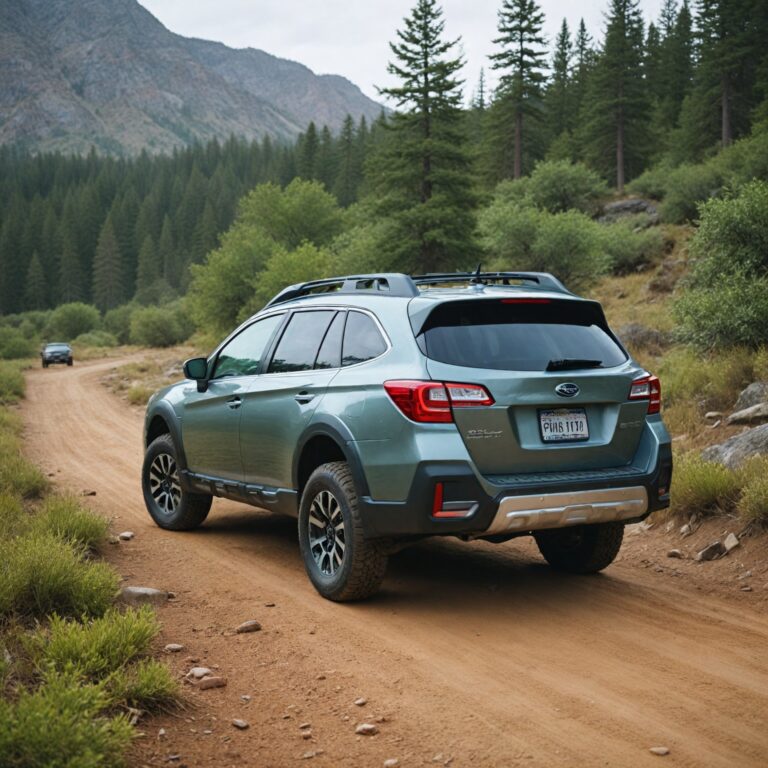
True off-road SUVs, which trade ride comfort for all-terrain capability, are also available, as are EV, hybrid, and plug-in hybrid models.
Pricing and Environmental Impact
When choosing between a sedan and an SUV, price is an important consideration. A price comparison shows varying costs between different types of sedans and SUVs. Moreover, SUVs, particularly crossovers, are less efficient than sedans, leading to higher fuel consumption and carbon dioxide emissions. Designers work to improve the aerodynamics of these vehicles to mitigate these impacts.
Choosing between a sedan and an SUV depends on your needs and priorities. An SUV might be the best choice if you need more interior space, off-road capabilities, or carry a larger number of passengers. However, keep in mind the potential higher costs and environmental impact associated with owning an SUV.
Sedan Vs SUV
The choice between a sedan and an SUV can depend on a variety of factors. SUVs are generally larger, tougher, and combine cargo and passenger space, whereas sedans are smaller and have separate compartments for engine, passengers, and cargo.
Safety is another crucial factor. Both sedans and SUVs undergo rigorous safety testing and are equipped with standard safety features like airbags, seat belts, and traction control. However, their different sizes and weights may impact safety performances. One aspect often overlooked is the ease of entering and exiting a vehicle, with sedans generally having a lower step-in height, which can be beneficial for seniors, small children, and individuals with physical disabilities.
When it comes to interior space and comfort, SUVs tend to offer more space, particularly in terms of cargo capacity, even with more compact models. This provides more room for passengers to stretch out on longer rides.
In terms of cost, on average, SUVs tend to be more expensive than sedans, with this difference also reflected in car insurance costs. Before deciding on an SUV or sedan, it is recommended to talk to an insurance agent to see the difference in rates.
Factors to Consider When Choosing Between Sedan and SUV
When deciding between a sedan and an SUV, multiple factors should be taken into account. These range from the number of passengers you will be traveling with, to your budget, specific requirements, and lifestyle.
Passenger and Cargo Capacity
Sedans typically seat four to five people, making them an optimal choice for solo trips or small families. On the other hand, SUVs and crossovers offer more interior space and cargo capacity. Some SUVs even offer three rows of seats, providing space for seven or eight passengers plus their luggage.
Design and Luxury
Many perceive SUVs as luxurious due to their spaciousness and elevated seating position. Conversely, sedans are admired for their sleek and elegant designs.
Cost and Fuel Efficiency
It is critical to consider your budget when choosing between an SUV and a sedan. In general, sedans tend to be more affordable and fuel-efficient compared to SUVs. Additionally, a higher trim level sedan with extra features can be considered if money is not a significant issue.
Safety and Comfort
When considering comfort, sedans have a lower step-in height, making it easier for seniors, small children, and those with physical disabilities to get in and out.
Test Drive
Lastly, always take the time to test drive the vehicle before making a final decision. This allows you to experience its comfort, handling, and overall driving experience firsthand. Pay attention to visibility, ergonomics, and ease of use for essential functions.
Notable Sedans and SUVs for Car Enthusiasts
There is an array of popular sedans and SUVs in the automotive market, each with distinct features and unique offerings. Sedans, known for their fuel efficiency and performance, are available in several variants including subcompact sedans, sports sedans, and executive sedans. SUVs, on the other hand, are admired for their robustness and ability to handle different terrains. These vehicles have seen a surge in popularity over recent years, owing to their spacious interiors and advanced technologies.
Sedans
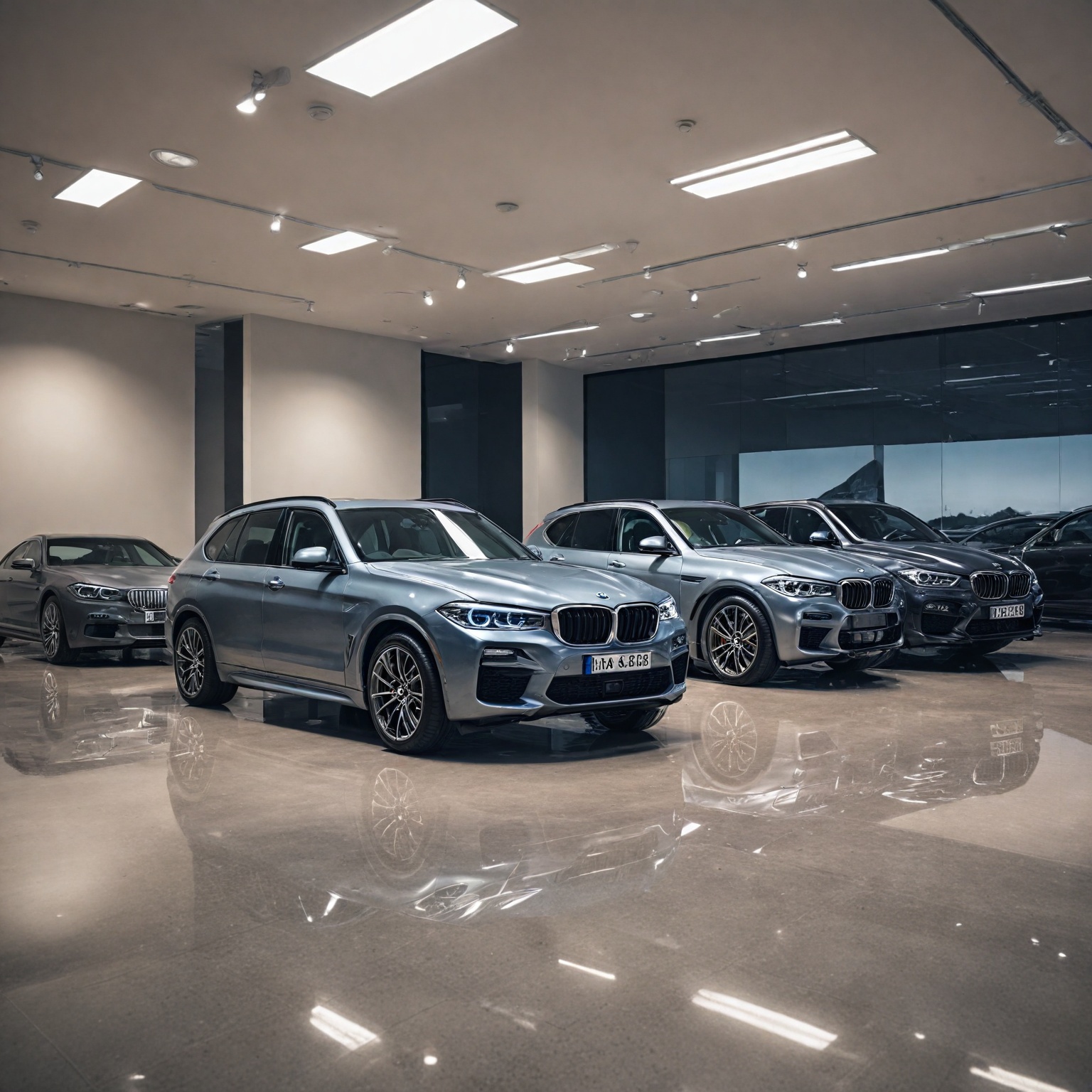
Some of the notable sedans in the market include the BMW M3 Sedan and the BMW M5 Sedan. The BMW M3 Sedan impresses with its sporty design and powerful 6-cylinder BMW M TwinPower Turbo gasoline engine that delivers a powerful 473 hp and accelerates from 0-60 mph in 4.1 seconds. The BMW M5 Sedan is equally impressive, delivering shattering horsepower from its fine-tuned V-8.
Other noteworthy sedans include the Honda Civic, known for its praiseworthy performance, high fuel economy, excellent passenger space, and refined design. The Kia K4 also stands out with its roomy cabin and extensive and helpful technology features.
SUVs
The 2025 BMW X4 M is a performance coupe SUV with a distinctive attitude, while the 2026 BMW X5 M Competition is a high-performance SUV that combines powerful engineering with bold design. Other notable SUVs include the Genesis GV80 and GV70, and the Hyundai Palisade, each offering luxurious features at a competitive price point.
The Porsche Cayenne, with its world-class acceleration, braking, and handling, also boasts advanced technology and an improved interior, earning it a large following among car enthusiasts.
Regardless of whether one prefers a sedan or SUV, there are numerous high-quality options available in the market that cater to diverse needs and preferences.
The content is provided by Sierra Knightley, Gear Shift Zone