Summary
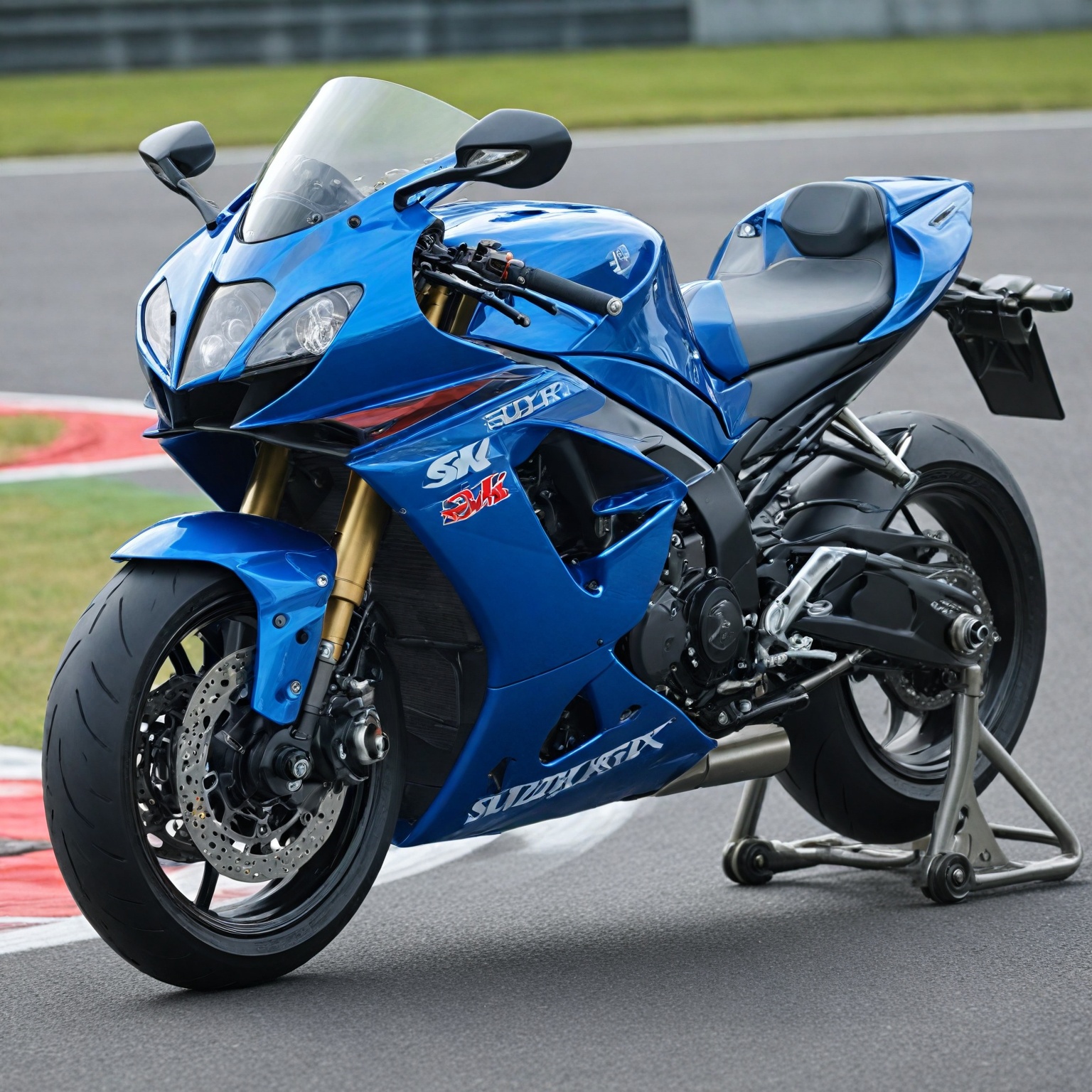
The Suzuki GSX-R1000R M6, unveiled for the 2026 model year, marks the 40th anniversary of Suzuki’s iconic GSX-R superbike series, a lineage that has profoundly influenced sportbike design and performance since its inception in the early 1980s. Celebrated as the “King of Sportbikes,” the GSX-R line is renowned for combining race-bred technology with street-ready versatility, holding a distinguished record of AMA Superbike championships and a World Superbike title in 2005. The 2026 GSX-R1000R M6 builds on this heritage by integrating advanced engineering refinements and modern electronic rider aids while honoring the model’s storied legacy through commemorative design elements.
The latest GSX-R1000R M6 features a refined 988 cc inline-four engine enhanced with MotoGP-derived technologies, including a sophisticated variable valve timing system and an upgraded 32-bit engine control unit, delivering a balance of strong performance, improved throttle response, and compliance with Euro5+ emissions standards. Aerodynamic improvements, such as carbon fiber winglets developed from Suzuki’s Suzuka 8-Hour endurance racing experience, enhance high-speed stability, while a compact, nimble chassis offers exceptional handling for both racetrack and road use. Advanced electronics—including a six-axis inertial measurement unit (IMU), multi-level traction control, launch control, and a bi-directional quickshifter—further elevate rider control and safety.
Suzuki’s 2026 release not only celebrates four decades of the GSX-R legacy but also reflects the brand’s ongoing commitment to innovation amid evolving industry standards and rider expectations. While the model slightly reduces peak horsepower to meet stricter emissions regulations, it emphasizes durability and tuning potential, appealing to enthusiasts who value both reliability and performance customization. The reintroduction of the GSX-R1000R to key markets, accompanied by special anniversary liveries, underscores its enduring cultural and competitive significance within the global superbike community.
The GSX-R1000R M6’s unveiling has been met with enthusiasm for its blend of tradition and cutting-edge technology, reaffirming Suzuki’s influential role in superbike evolution. Industry observers note the model’s balanced approach—merging the classic GSX-R spirit with sophisticated electronics and refined engineering—positions it as a strong contender in the modern litre-class sportbike segment alongside rivals such as the BMW S1000RR and Kawasaki ZX-10R.
Historical Background
The Suzuki GSX-R series has been a defining presence in the world of sportbikes for over four decades, beginning with the introduction of the GSX-R1100 in the 1980s. In 2001, Suzuki replaced the GSX-R1100 with the all-new GSX-R1000, which featured a slightly smaller engine displacement of approximately 100 cc less than its predecessor, marking a significant evolution in the model’s design and performance focus. This shift laid the groundwork for the GSX-R1000 to become a staple on both UK roads and racetracks, earning a reputation for delivering old-school thrills combined with real-world performance and Suzuki’s deep racing heritage.
Throughout its history, the GSX-R line has been synonymous with competitive success and innovation. The 2005 GSX-R model, known as the K5, was a milestone as it became the first Suzuki—and indeed the first inline four-cylinder litre-class bike—to win a World Superbike Championship, piloted by Troy Corser. The GSX-R also boasts an unparalleled record in the AMA Superbike series, having won more championships than any other model worldwide, solidifying its status as the “King of Sportbikes”.
Suzuki has celebrated key anniversaries of the GSX-R with special editions that underscore its enduring legacy. Notably, in 2013, the brand marked the production of its one millionth Gixxer with a Commemorative Edition, followed by a 50th anniversary Special Edition in 2014, limited to just 100 units worldwide. These editions highlight the model’s cultural and performance significance over decades of continuous development.
The legacy of the GSX-R series culminates in the latest 2026 GSX-R1000R M6, which not only commemorates 40 years of the iconic superbike but also draws on Suzuki’s extensive racing experience, including 15 FIM Endurance World Championship titles. The newest iteration continues the tradition of cutting-edge engineering and race-inspired performance that has defined the GSX-R lineage.
Design and Engineering
The 2026 Suzuki GSX-R1000R M6 continues the legacy of the iconic GSX-R superbike with a compact and nimble chassis that delivers excellent handling, suspension feel, and braking control, making it equally adept at racetrack performance and country road cruising. The bike’s aerodynamic bodywork, designed using wind tunnel testing by Suzuki’s styling designers and engineers, features a narrower, more slippery shape that enhances handling and top speed. Further refining the aerodynamic package, the model incorporates new dry carbon winglets developed during the 2024 Suzuka 8-Hour endurance race, which contribute to improved stability at high speeds.
At the heart of the GSX-R1000R M6 is Suzuki’s refined 988 cc four-stroke inline-four engine, which retains its displacement but benefits from significant engineering enhancements. These include the addition of four ventilation holes between the cylinders to equalize crankcase pressure, repositioning the air intake closer to the centerline, and upgrading the engine control unit from 16-bit to a more advanced 32-bit system, resulting in increased power, torque, and throttle responsiveness. The exhaust valve diameter has increased to 25 mm, and the fuel delivery system has been comprehensively overhauled with larger throttle bodies, a new fuel pump, and revised injectors to optimize fueling and meet the latest Euro5+ emissions standards. Suzuki’s MotoGP-derived variable valve timing (VVT) system, employing finger-follower valve gear with optimized cam profiles, remains a key feature, allowing the engine to deliver strong performance across the rev range while enhancing efficiency.
Supporting the engine, the chassis retains the proven twin-spar aluminum frame and swingarm from previous models but sharpens its focus with the integration of advanced rider aids and electronic controls. These include a 10-level anti-wheelie system, launch control, lean-sensitive ABS, slope-dependent braking control, and Suzuki’s low-RPM assist and easy start functions, all contributing to a modern and rider-friendly experience. The bike is also equipped with a bi-directional quickshifter and traction control as part of the Suzuki Intelligent Ride System (S.I.R.S.), enhancing both performance and safety.
A new lightweight lithium-ion battery replaces the traditional lead-acid unit, offering improved compactness, durability, reliable cold starts, and long-term performance. The instrument cluster features a full-color five-inch TFT LCD panel, providing clear and customizable rider information that aligns with the bike’s cutting-edge technology focus.
Collectively, the design and engineering advancements of the 2026 GSX-R1000R M6 represent a significant evolution of Suzuki’s flagship superbike, celebrating 40 years of the GSX-R heritage while raising the performance ceiling through durable, race-inspired innovations and refined electronic systems.
Performance
The 2026 Suzuki GSX-R1000R M6 continues the legacy of its predecessors by delivering a blend of high power output, advanced electronics, and refined chassis dynamics tailored for both racetrack and street performance. Building upon the 2025 model’s compact twin-spar aluminium frame and swingarm, Suzuki has enhanced the aerodynamic profile with new dry carbon winglets developed during the 2024 Suzuka 8-Hour race, contributing to improved stability at high speeds.
At the heart of the GSX-R1000R M6 is a high-revving 988 cc four-stroke, four-cylinder liquid-cooled engine that produces approximately 148.6 kW (202 ps) at 13,200 rpm and 117.6 Nm of torque at 10,800 rpm. This powertrain benefits from advanced MotoGP-derived technologies, encapsulated in Suzuki’s Broad Power System, which aims to increase top-end power without sacrificing low- and mid-range torque. Engine enhancements include four ventilation holes between cylinders for better crankcase pressure equalization, relocation of the air intake closer to the centerline, and an upgraded 32-bit engine control unit for improved throttle response.
Electronic rider aids play a crucial role in optimizing the bike’s performance. The GSX-R1000R M6 offers a sophisticated Motion Track Traction Control System (TCS) with 10 levels of intervention tailored for different riding conditions—ranging from racetrack-focused modes (1-4), to street riding (5-8), and slippery road scenarios (9-10). Additionally, a launch control system aids racers in achieving optimal starts by regulating engine RPM and torque delivery while the throttle is held open during clutch release, enhancing acceleration off the line.
Acceleration performance remains a highlight of the GSX-R1000 lineage, with a 2006 GSX-R1000 previously recording a 0 to 60 mph time of just 2.35 seconds, underscoring the model’s longstanding reputation for explosive speed. The 2026 iteration maintains this tradition by combining its potent engine, aerodynamic enhancements, and advanced electronics to deliver nimble handling and exceptional braking control, making it equally capable on a racetrack or a country road.
Moreover, Suzuki emphasizes durability and post-sale tuning potential with the GSX-R1000R M6, allowing enthusiasts to push the engine beyond its base specifications without compromising reliability or performance, thereby “raising the performance ceiling” for both road and track applications.
2026 Model Highlights
The 2026 Suzuki GSX-R1000R M6 marks a significant milestone in the evolution of the GSX-R superbike, celebrating 40 years since the series’ inception. Drawing on Suzuki’s extensive experience, including 15 FIM Endurance World Championship titles, the new model combines heritage with advanced technology and refined performance.
While the chassis retains its signature twin-spar aluminium frame and swingarm, the 2026 GSX-R1000R introduces new dry carbon winglets developed during the 2024 Suzuka 8-Hour race, enhancing aerodynamic stability and high-speed handling. These winglets reflect Suzuki’s commitment to integrating racing-derived technology into production models.
Under the hood, the engine has undergone subtle yet comprehensive upgrades. A new crankshaft with wider journals (increased from 35mm to 37mm) and revised crankcases improve durability and tuning potential for race applications. Additionally, new pistons with redesigned crowns raise the compression ratio from 13.2:1 to 13.8:1, contributing to a more responsive power delivery. Despite these mechanical refinements, peak output is slightly reduced to 195 PS (192.4 hp) at 13,200 rpm and 81.1 lb-ft of torque at 11,000 rpm, a concession to stricter Euro5+ emissions standards.
The 2026 model also benefits from an upgraded electronics suite headlined by a six-axis Inertial Measurement Unit (IMU) and Suzuki’s refined Roll Torque Control System (RTCS). These advancements enhance rider control and safety, providing sophisticated traction management and improved cornering stability. Complementing these systems is a bi-directional quick-shift feature and enhanced traction control, reinforcing the bike’s rider-focused technology package.
To honor its legacy, Suzuki has introduced three new colour schemes for the 2025 model year that evoke classic GSX-R liveries, blending retro aesthetics with next-generation performance. This styling tribute serves as a reminder of the GSX-R family’s enduring spirit and its ability to evolve while respecting its roots.
Comparison
The 2026 Suzuki GSX-R1000R M6 continues the legacy of the GSX-R superbike lineage, maintaining its position among the top-tier litre-class sportbikes while embracing modern performance and technological advancements. Compared to its predecessors, the 2026 model balances heritage with innovation, featuring a chassis and engine designed for durability and enhanced post-sale tuning potential without sacrificing reliability or base performance.
When contrasted with the landmark 2005 GSX-R1000 K5, which was notable for being the first Suzuki inline four to win a World Superbike championship and served as a benchmark for competitors like the BMW S1000RR, the 2026 M6 reflects decades of evolution. The K5 emphasized a perfect balance of raw power, throttle response, and chassis neutrality, qualities that influenced future superbike development. While the K5 had a lighter frame and introduced engine improvements such as increased displacement and upgraded engine management, the 2026 model focuses on compliance with modern emissions standards and enhanced electronic rider aids, trading a slight decrease in peak power—from 202PS (199bhp) in 2022 to 195PS (192.4hp)—for better rideability and technological sophistication.
In terms of competition, the 2026 GSX-R1000R is positioned against rivals such as the BMW S1000RR and Kawasaki ZX-10R, both within a similar price bracket and offering comparable performance. Suzuki aims to differentiate the M6 through its integrated Suzuki Intelligent Ride System (S.I.R.S.), which includes multi-mode traction control, drive mode selector, and advanced rider aids like easy start and low RPM assist. The GSX-R1000R’s five-inch full-color TFT LCD display further enhances rider engagement and data accessibility, features that bolster its competitive standing.
The updated chassis of the GSX-R1000R retains the compactness and agility reminiscent of earlier models like the 2001 GSX-R1000 and 2025 iterations, promoting nimble handling and precise suspension feedback suited for both track and road use. However, the 2026 M6 introduces subtle refinements such as a slightly revised ergonomics and a focus on durability to extend performance limits, marking a shift from outright power dominance to balanced and sustainable excellence.
Design Philosophy and Heritage
The 2026 Suzuki GSX-R1000R M6 continues the legacy of the GSX-R series by blending cutting-edge technology with a design philosophy deeply rooted in four decades of superbike excellence. At its core, the bike features a compact chassis that emphasizes nimble handling, excellent suspension feedback, and superior braking control, making it equally capable on racetracks and country roads alike. The aerodynamic bodywork, developed through extensive wind tunnel testing, showcases a narrower and more streamlined shape than previous models, directly contributing to enhanced handling and increased top speed on the racetrack.
Suzuki’s commitment to innovation is evident in the incorporation of an advanced electronics suite, including a six-axis inertial measurement unit (IMU) and a newly refined Roll Torque Control System (RTCS), which enhance rider confidence and control. The GSX-R1000R M6 proudly celebrates the 40th anniversary of the GSX-R lineage with unique graphics and emblems adorning the side panels, fuel tank, and even a Suzuki key mascot, symbolizing the model’s storied heritage and ongoing evolution.
The design philosophy reflects a balance between honoring tradition and embracing modernity. While the bike features race-developed aerodynamics and Euro5+ compliant performance tuning, it retains the iconic spirit that has defined the GSX-R family since its inception. This thoughtful integration of retro celebration liveries alongside state-of-the-art rider aids ensures that the GSX-R1000R remains a symbol of Suzuki’s dedication to producing sportbikes that deliver thrilling performance without sacrificing rider engagement or style.
Reception
The 2026 Suzuki GSX-R1000R M6 has been met with anticipation and positive early impressions, particularly due to its blend of modern technology and homage to the model’s storied heritage. The inclusion of advanced electronic rider aids such as the Bi-directional Quick Shift system, traction control, and a six-axis IMU paired with Suzuki’s refined Roll Torque Control system (RTCS) has been highlighted as a key factor that elevates the bike’s performance ceiling while maintaining rider-focused dynamics.
Industry observers have noted Suzuki’s emphasis on durability and the potential for post-sale tuning, suggesting the engine is designed to be taken beyond the base specifications for both road and track use without compromising reliability. This approach aligns with the longstanding reputation of the GSX-R series, which has been credited with reshaping sportbike performance and earning the title “King of Sportbikes” due to its historic success, including numerous AMA Superbike championships.
The GSX-R1000R’s
Marketing and Release
The 2026 Suzuki GSX-R1000R M6 marks a significant return to UK dealerships, accompanied by a range of technical upgrades and retro celebration liveries that honor the GSX-R family’s heritage. Suzuki’s marketing emphasizes the bike’s enhanced durability and a raised performance ceiling, highlighting the engine’s potential for post-sale tuning that allows riders to push beyond the base specifications without compromising reliability or performance.
The bike integrates modern electronic rider aids, including a launch control system that optimizes torque delivery and engine RPM during race starts, allowing riders to focus on clutch release. Additional features such as a Bi-directional Quick Shift system and traction control contribute to a rider-focused package that balances retro spirit with next-generation performance.
Although the GSX-R1000R is anticipated to reach dealerships in Spring 2026, Suzuki has yet to disclose its pricing strategy, making it challenging to predict its market positioning at this time.
Legacy and Impact
The Suzuki GSX-R1000 series has long been celebrated as a transformative force in the world of sportbikes, earning its reputation as the “King of Sportbikes.” Since its introduction, it reshaped motorcycling by prioritizing performance and agility, influencing the direction of modern superbike design and engineering. The model’s dominance on the racetrack is highlighted by its record of winning more AMA Superbike championships than any other motorcycle, underscoring its deep racing pedigree and high-performance capabilities.
Throughout its history, the GSX-R1000 evolved from a focus on raw power to a more refined approach, as exemplified by the 2005 K5 model. This iteration marked a philosophical shift for Suzuki by emphasizing engineering precision over sheer brute force. However, it notably lacked emerging electronic rider aids such as traction control, race ABS, and ride-by-wire technology, which competitors had begun adopting, reflecting Suzuki’s commitment to traditional mechanical excellence even as the market moved toward computer-assisted systems.
The GSX-R1000 has also maintained its status as a versatile machine, with compact chassis designs delivering nimble handling, excellent suspension feel, and precise braking control suitable for both racetrack competition and street riding. This blend of performance and practicality has ensured its continued popularity among riders who value an authentic and engaging riding experience. The 2026 GSX-R1000R continues this legacy by incorporating advanced electronic rider aids like traction control and a bi-directional quick shifter, along with aerodynamic bodywork, enhancing its race-bred character while honoring its roots.
After a brief absence from the market, the return of the GSX-R1000R in 2026 reaffirms Suzuki’s dedication to innovation and performance. It carries forward a celebrated legacy while introducing modern technical upgrades and Euro5+ compliance, alongside special 40th anniversary liveries that pay tribute to the iconic GSX-R lineage. This revival not only fills a gap left in the hearts of enthusiasts but also underscores the enduring impact of the GSX-R1000 as a cornerstone of Suzuki’s sportbike heritage and a symbol of thrilling, high-performance motorcycling.