The Fascinating Journey of Eleanor Through American Muscle History – AutoBidMaster
Summary
Eleanor is the name given to a pair of iconic Ford Mustang muscle cars immortalized by their appearances in the 1974 original and the 2000 remake of the film Gone in 60 Seconds. Originally, Eleanor referred to a customized 1971 Mustang fastback featured in H.B. Halicki’s cult classic, notable for its starring role in one of cinema’s most famous car chases and for being the only Mustang to receive a star credit in a film. The 2000 remake introduced a new iteration of Eleanor—a heavily modified 1967 Shelby GT500 Mustang—that rapidly became a cultural symbol of American muscle car performance and design.
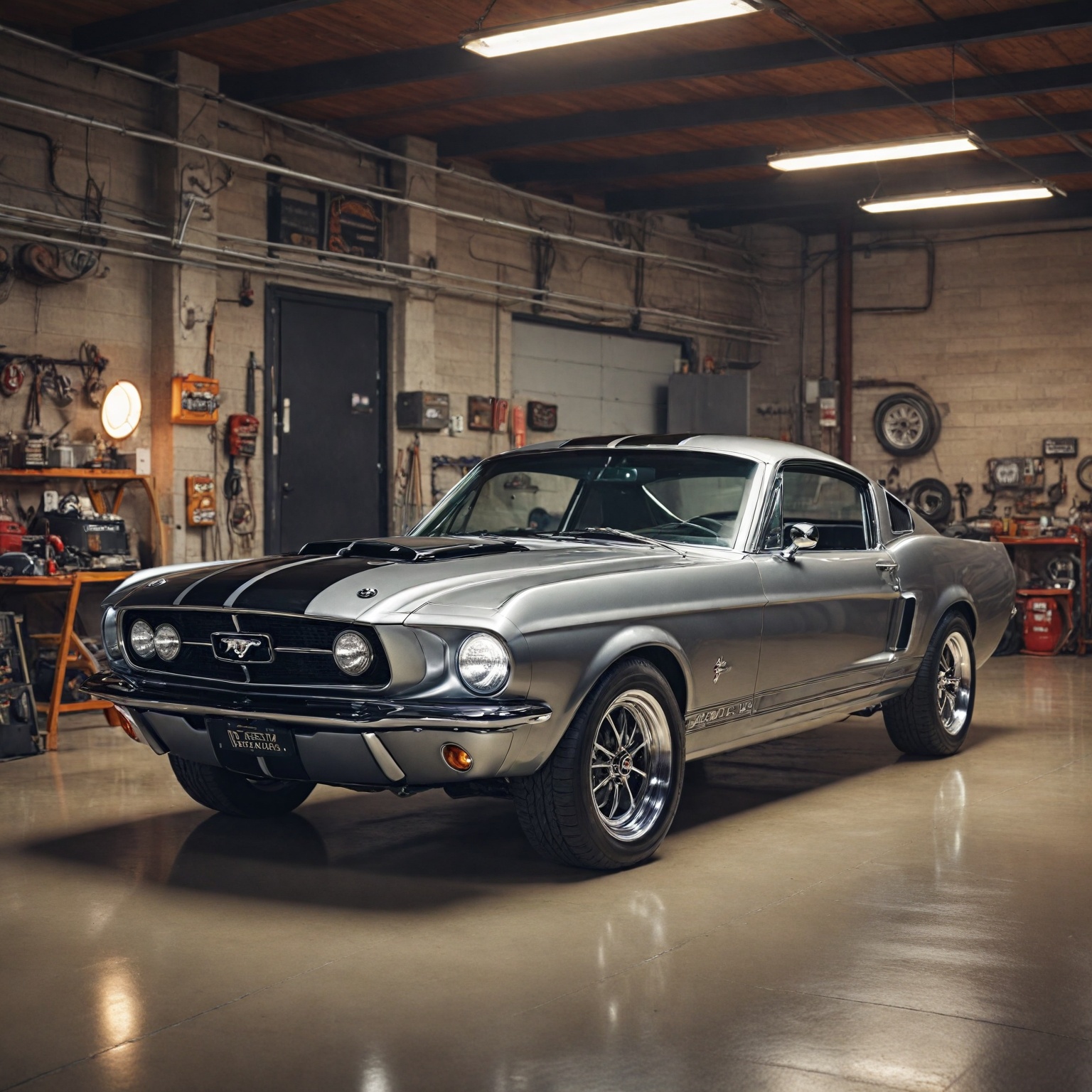
Eleanor’s design and legacy have transcended the screen, influencing the muscle car and restomod movements of the 2000s by inspiring a wave of replicas and custom builds that combine vintage aesthetics with modern performance upgrades. Renowned customizers such as Chip Foose and companies like Classic Recreations and Fusion Motor Company have contributed to the production of licensed Eleanor reproductions, which often command high prices among collectors. The car’s distinct styling—characterized by a sleek fastback silhouette, pepper gray paint, and black racing stripes—has become an automotive icon representing both nostalgia and innovation.
Despite its popularity, Eleanor has been the center of notable legal controversies regarding intellectual property rights. Denice Halicki, widow of the original filmmaker, has asserted copyright claims over Eleanor’s likeness as a “character,” resulting in disputes with replica manufacturers and raising complex questions about the intersection of car culture and copyright law. These legal battles highlight the challenges faced when a vehicle crosses from prop to protected intellectual property.
Eleanor’s enduring appeal lies not only in its cinematic fame but also in its symbolic status within American muscle car culture. It represents a fusion of automotive craftsmanship, Hollywood storytelling, and enthusiast passion, making it one of the most celebrated and collectible Mustangs in history. The original stunt cars and licensed replicas continue to be showcased in museums, auctions, and private collections, preserving Eleanor’s legacy for new generations of fans.
Origin and Cultural Significance
“Eleanor” originated as the code name for a customized 1971 Ford Mustang featured in the 1974 film Gone in 60 Seconds, directed and starred in by H.B. Halicki. The original Eleanor was a restyled 1971 Mustang fastback, modified in 1973 specifically for the film, making it the only Ford Mustang to receive a star credit in a movie. This iconic car became the centerpiece of the film’s legendary car chase sequences, which have since been hailed as some of the most memorable in cinematic history.
The cultural impact of Eleanor expanded dramatically with the release of the 2000 remake of Gone in 60 Seconds, starring Nicolas Cage. The remake introduced a second iteration of Eleanor, a customized 1967 Shelby GT500 Mustang, which quickly became a symbol of American muscle car performance and style. The 2000 Eleanor was not only a tribute to the original but also incorporated modern enhancements that elevated its appeal to a new generation of enthusiasts.
Eleanor’s influence extends beyond the screen. The distinctive styling and performance characteristics of the 2000 Shelby GT500 Eleanor heavily influenced the pro-touring and restomod movements of the 2000s, underscoring how pop culture can significantly shape automotive trends. This cultural phenomenon has helped elevate classic American muscle cars to highly collectible status, with some Eleanor models reaching into the million-dollar range due to their historical and cinematic significance.
Furthermore, actual Eleanor cars used in filming—both from the original and the remake—have become prized collector’s items, occasionally surfacing at auctions or private sales. The legacy of Eleanor reflects not only a remarkable journey through muscle car history but also the enduring power of cinema to immortalize and inspire automotive passion across generations.
Design and Development
The design of the iconic Eleanor Mustang, specifically the 1967 Shelby GT500 version popularized by the 2000 remake of Gone in 60 Seconds, originated from the creative vision of Hot Rod illustrator Steve Stanford. Stanford’s initial concept illustrated a modified 1967 Mustang Shelby GT500, which was later brought to life by renowned custom car designer Chip Foose. Foose expanded on Stanford’s original drawings by creating clay models that served as the foundation for producing the 11 original Eleanor Mustangs built by Cinema Vehicle Services.
The Eleanor Mustang is distinguished by its unique body modifications, which transform the standard Mustang into a sleek, fastback muscle car with a highly recognizable aesthetic. The process often begins with the shell of a 1968 Ford Mustang, modified to achieve a fastback appearance closely matching the film’s vehicle. The signature pepper gray metallic paint with black racing stripes replicates the movie’s color scheme, while custom wheels featuring old-school center lock caps provide the car with its aggressive stance. Almost every notable detail—from the headlights and taillights to the hood pins—is meticulously reproduced to ensure authenticity.
Technological advancements and materials played a crucial role in enhancing both form and function. The aero components and trim designed to emulate Eleanor’s fastback look are fabricated from carbon fiber, balancing lightness with durability to prevent cracking due to body flex. Customization options have expanded to include carbon fiber hoods, Detroit Speed independent front suspension kits, adjustable coilover shocks, and Wilwood brakes, providing modern performance upgrades while maintaining the classic appearance.
Under the hood, the Eleanor Mustang houses a powerful 5.8-liter Ford Racing crate V8 engine, delivering around 400 horsepower. This engine, coupled with a four-speed manual transmission, is the same powertrain featured in the film and contributes significantly to the car’s mythic muscle car status.
While true-to-original replicas remain popular, shops like Brand New Muscle Car offer customers the flexibility to customize their Eleanor in any color or design, allowing for personalized interpretations of the classic look. The integration of a “Go, Baby, Go!” button on the gear selector exemplifies the blend of nostalgic styling and modern touches enthusiasts seek in their builds.
The design and development of Eleanor have transcended mere replication, evolving into a cultural symbol of American muscle cars. The meticulous craftsmanship and thoughtful enhancements have cemented Eleanor’s status as one of the most iconic and sought-after Mustangs in automotive and cinematic history.
Technical Specifications and Modifications
The Eleanor Mustang, particularly the 1967 Shelby GT500 variant popularized by the 2000 remake of Gone in 60 Seconds, showcases a blend of classic design and modern performance enhancements. The vehicles start as stripped-down 1967-1968 Ford Mustang Fastbacks and undergo extensive modification. The conversion includes the addition of a full carbon fiber body kit consisting of bumpers, hood, flares, scoops, and trunk components. These carbon-fiber aero aids maintain the classic fastback silhouette while reducing weight and providing strength to resist cracking from body flex during aggressive driving. Carbon fiber hoods are also available for additional customization.
Under the hood, the Eleanor typically features a 5.8-liter (351 cubic inch) Ford Racing crate V8 engine producing approximately 400 horsepower, paired with a four-speed manual transmission, mirroring the powertrain seen in the movie cars. The drivetrain is supported by a nine-inch Lincoln rear axle and upgraded suspension components including Detroit Speed independent front suspension kits, adjustable coilover shocks, and upgraded wishbones. These enhancements improve handling, ride quality, and high-speed stability.
Steering options vary depending on intended use, with both manual and power rack-and-pinion systems available. For high-speed scenes or performance driving, Eleanor is equipped with a 1 1/8-inch sway bar and stabilizers from Total Control Products, enhancing cornering stability and reducing body roll.
Braking is handled by Wilwood brake systems, ensuring stopping power matches performance capabilities. The tire setup complements suspension upgrades, with fat tires standard and optional massive 315/35-17 rear tires available when combined with Fusion Motor Company’s custom chassis modifications, including rear tubs to accommodate wider rubber. Fusion also offers extensive customization options such as interior finishes, GPS navigation, and right-hand-drive conversions for markets with left-side driving.
Inside, Eleanor retains the timeless look of the 1967 Mustang fastback interior, with minimal alterations to preserve its classic appeal. This careful attention to maintaining the original design, combined with modern mechanical upgrades, provides an authentic yet thrilling driving experience that honors the Eleanor legacy while embracing contemporary automotive technology.
Film Production and Use of Eleanor Mustangs
The Eleanor Mustang is best known as a standout character in cinematic history, primarily associated with the 2000 remake of Gone in 60 Seconds. While the original 1974 film, written, produced, and directed by H.B. Halicki, featured a 1973 Mustang and destroyed a staggering 127 vehicles during production, the “Eleanor” name has become most closely linked with the second iteration introduced in the remake. Unlike the 1973 model, which was attractive but lacked the iconic allure of the Shelby, the 2000 film’s increased budget allowed for more impressive and memorable vehicles, cementing Eleanor’s status as a cultural icon among muscle car enthusiasts.
Eleanor holds the unique distinction of being the only Ford Mustang to receive star billing in a movie, symbolizing its elevated status beyond mere prop to a recognized character within the film. The original Eleanor was based on 1971 fastback Mustangs restyled in 1973 and painted pale yellow, contributing to the cult status the film achieved during the 1970s. The 2000 remake was made possible through licensing agreements, notably involving Denise Maliki, the widow of the original filmmaker, who authorized Disney to recreate the film and bring Eleanor back to the big screen.
In the 2000 remake, the Eleanor Mustang is a 1967 Mustang fastback, arguably the most famous and recognizable model in the muscle car realm, making it a highly coveted vehicle among fans and collectors worldwide. Its popularity has driven the market for licensed replicas, which carry high price tags due to the car’s iconic status and the demand for authenticity. The distinctive look of this Eleanor deviates from the classic Mustang fastback design, having been uniquely modified for the film to achieve a memorable, cinematic presence that resonates with audiences to this day.
During the production of the 2000 film, multiple Eleanor Mustangs were built by Cinema Vehicle Services to meet the demands of various filming requirements. Depending on sources, eleven or twelve vehicles were created, including nine shells and three fully functional cars, with one additional fully functional Eleanor equipped with a Ford 428 engine made specifically for producer Jerry Bruckheimer. Not all vehicles survived filming intact; however, seven are reported to have survived and were returned to Cinema Vehicle Services after production. The stunt sequences were particularly demanding, resulting in at least two serious incidents involving the stunt cars, including one where a Mustang was clipped during a freeway stunt and crashed into a light pole.
All interior shots of Eleanor were filmed using a designated “beauty” car, which was preserved for close-up and non-stunt scenes and shot on alternate filming days to maintain continuity and protect the stunt vehicles from wear and damage. This division of roles among the Eleanor cars ensured that the vehicle maintained its sleek, flawless appearance on screen while allowing for the high-risk stunt driving required by the film’s action sequences.
Eleanor’s legacy is deeply entwined with its portrayal in film, where it transcended the role of a mere car to become a cinematic legend. Its design, production, and use reflect a unique collaboration between automotive craftsmanship and Hollywood filmmaking, which continues to captivate muscle car fans and movie enthusiasts alike.
Performance and Customization
The Eleanor Mustang has become a benchmark for combining classic muscle car aesthetics with modern performance and customization. Every detail of the original Eleanor is meticulously recreated, while incorporating contemporary upgrades to deliver a thrilling driving experience that appeals to both enthusiasts and collectors. This approach ensures that owners can enjoy the iconic look of the Eleanor Mustang alongside the latest advancements in automotive technology.
Customization plays a significant role in the appeal of the Eleanor Mustang. A wide selection of parts and accessories allows owners to tailor their vehicles to reflect their personal style and performance preferences. This bespoke aspect transforms owning an Eleanor Mustang into more than just possessing a car; it becomes an expression of individuality and passion for automotive excellence.
Several companies, including Classic Recreations and Fusion Motor Company, specialize in producing high-quality Eleanor replicas, each offering slightly different interpretations but ultimately delivering a faithful reproduction of this automotive and Hollywood icon. Classic Recreations produced licensed reproductions between 2007 and 2009, featuring two models with distinct performance specifications before terminating their agreement. These reproductions continue to influence the pro-touring and restomod scenes, illustrating the enduring impact of the Eleanor Mustang’s design and performance ethos on 2000s muscle car culture.
Impact on Muscle Car Culture
The character of Eleanor, particularly the Ford Mustang Eleanor from the 2000 film Gone in 60 Seconds, has had a profound influence on muscle car culture, elevating the profile of muscle cars within both enthusiast and collector communities. As a vehicle featured prominently in a high-octane heist movie, Eleanor exemplifies how muscle cars are often romanticized and immortalized through cinema, becoming legendary symbols beyond their mechanical attributes.
Eleanor’s portrayal has sparked a surge in demand for replicas and restorations, with companies such as Classic Recreations and Fusion Motor Company producing licensed reproductions of the Shelby GT500 Eleanor. These replicas, while varying in execution, strive to capture the unique aesthetic and performance upgrades that define the original movie car, allowing enthusiasts to own a piece of automotive and Hollywood iconography. The price for a basic Eleanor replica often starts near $200,000, reflecting the car’s elevated status in the muscle car market.
Beyond the financial implications, Eleanor has come to symbolize a personalized expression of automotive passion. Owners often invest in performance enhancements and cosmetic customizations, transforming their vehicles into unique statements of identity and dedication to muscle car excellence. This personalization underscores the cultural importance of Eleanor as more than just a car, but as a canvas for automotive artistry and individuality.
However, Eleanor’s impact is also marked by legal complexities. The copyright claims made by Denice Halicki, asserting ownership of Eleanor as a “character” with specific body styles and likenesses, have introduced uncertainty within the community regarding the legitimacy of personal replicas and online media featuring the car. These legal battles highlight the intersection between intellectual property rights and car culture, a relatively novel issue prompted by Eleanor’s iconic status.
Symbolism and Narrative Role in Gone in 60 Seconds
Eleanor, the iconic 1967 Shelby GT500 Mustang, holds a central place in the narrative and symbolism of Gone in 60 Seconds. More than just a car, Eleanor represents a symbol of automotive excellence and the ultimate prize within the film’s high-stakes world of car theft. The character of Eleanor transcends the typical role of a vehicle in cinema by becoming a legendary figure that anchors the story and captivates both the characters and the audience.
In the 2000 remake of Gone in 60 Seconds, Eleanor’s significance is amplified by the intense focus on a single car, which is used and “abused” throughout an extended 40-minute chase sequence—an element that elevates the film’s action to a unique level of intensity and memorability. This portrayal cements Eleanor not just as a prized possession but as a symbol of determination, skill, and the passion embedded in American muscle car culture.
The detailed recreation of Eleanor’s physical attributes in the film, including its pepper gray metallic paint, black racing stripes, and distinctive old-school center lock wheels, further emphasizes its identity as an emblem of craftsmanship and authenticity. These carefully replicated design elements contribute to the car’s status as a character in its own right, reinforcing its narrative weight.
Moreover, Eleanor’s enduring appeal has extended beyond the screen into automotive culture, inspiring enthusiasts to create their own custom Eleanor Mustangs that celebrate the car’s legacy and the spirit it embodies. This ongoing fascination underscores Eleanor’s role as a bridge between fiction and real-world automotive passion, symbolizing not only a prized object within the film
Legacy and Continuing Influence
Eleanor, the iconic Shelby GT500 Mustang immortalized in the 2000 film Gone in 60 Seconds, has left an indelible mark on both automotive culture and Hollywood. The car’s distinctive silver styling and aggressive design have transcended its role as a movie prop to become a symbol of American muscle car excellence and cinematic legend. Its popularity sparked a widespread trend in the pro-touring and restomod scenes throughout the 2000s, influencing countless custom builds and inspiring enthusiasts to capture Eleanor’s essence in their own projects.
Denice Halicki, widow of H.B. Halicki, who originally owned the stunt Eleanor, continues to preserve the vehicle’s legacy by lending it to institutions such as the Peterson Automotive Museum in Los Angeles. The stunt car remains unrestored to maintain its authentic battle scars from the film’s famous chase sequences, allowing fans to connect with its historical significance in its original form. Beyond preservation, Halicki has also been deeply involved in managing the rights associated with Eleanor’s likeness. Legal disputes have arisen over the years regarding the copyright and licensing of Eleanor replicas, notably involving companies like Classic Recreations and Fusion Motor Company. These companies produce licensed reproductions that celebrate the car’s design while navigating the complex legal landscape surrounding Eleanor’s status as a “character” with protected intellectual property.
The allure of Eleanor continues to captivate a diverse audience, from car collectors and restorers to pop culture enthusiasts and filmmakers. This broad appeal has helped maintain Eleanor’s status as an automotive and Hollywood icon, ensuring that the muscle car’s legacy endures well beyond its silver screen debut.
The content is provided by Harper Eastwood, Gear Shift Zone