Summary
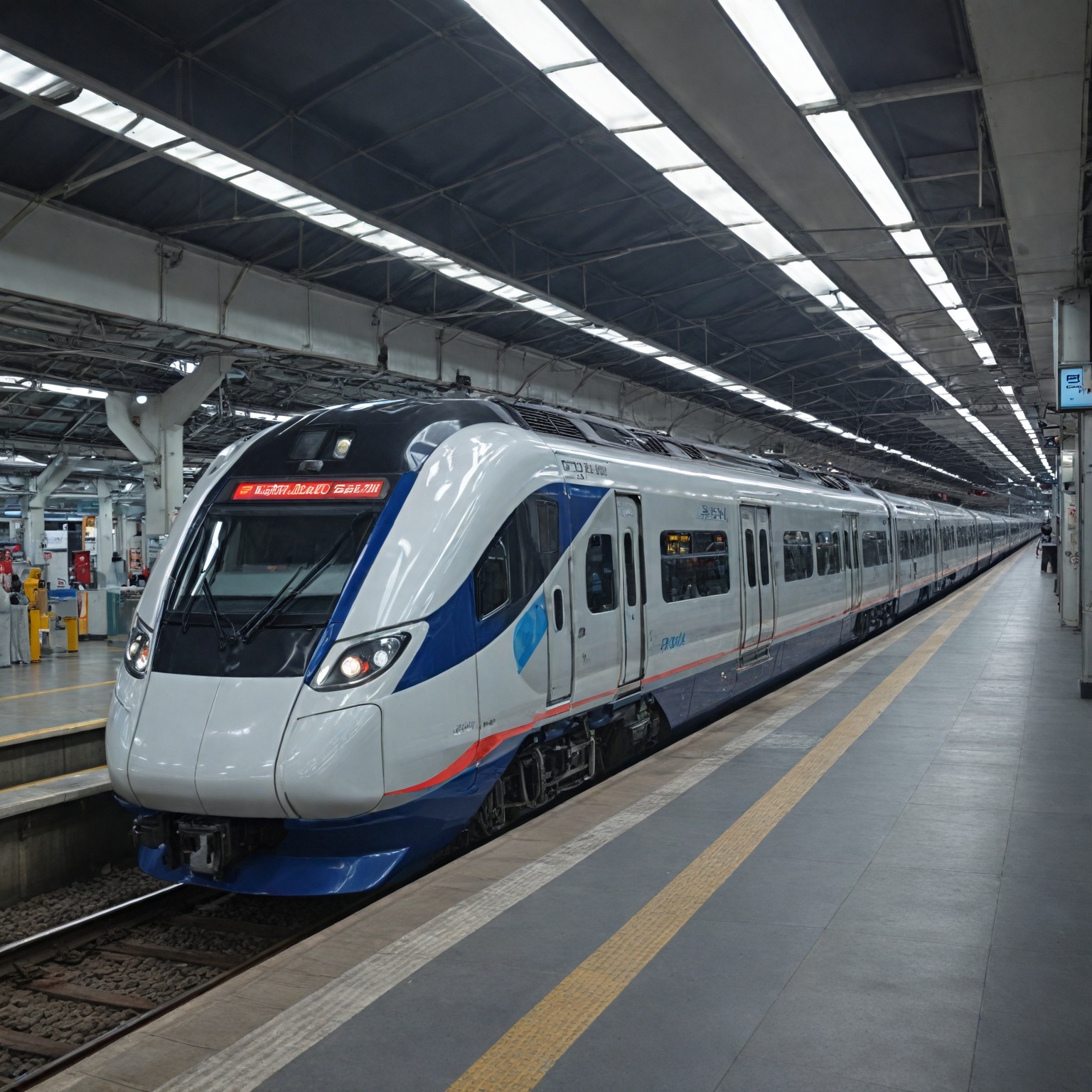
The Electric Train Service (ETS) operated by Keretapi Tanah Melayu Berhad (KTMB) is Malaysia’s premier inter-city rail network, known for its high-speed, comfortable, and environmentally friendly train travel along the electrified West Coast Line. Since its inception in 2010, the ETS has transformed rail transportation by providing modern amenities such as CCTV surveillance, in-coach entertainment, and business-class services, while connecting key urban centers from Padang Besar in the north to Johor Bahru in the south.
In response to growing passenger demand, averaging approximately 10% annual growth, KTMB is set to enhance its ETS operations with the introduction of two new third-generation train sets in 2026, part of a larger procurement of ten new units valued at RM400 million. These Class 94 trains will complement existing fleets by offering improved capacity, faster speeds of up to 160 km/h, and upgraded passenger amenities including onboard dining and exclusive business-class lounges. The deployment will coincide with the full operationalization of the Gemas to Johor Bahru electrification and double-tracking project, facilitating expanded routes and improved connectivity across Peninsular Malaysia.
The new train sets underscore KTMB’s commitment to modernizing Malaysia’s rail infrastructure with an emphasis on sustainability and passenger experience. Utilizing electricity as a clean energy source, the ETS reduces carbon emissions and incorporates regenerative braking technology to improve energy efficiency. This modernization effort not only supports Malaysia’s environmental goals but also enhances socio-economic integration by linking more communities through faster, reliable rail services.
Public and official responses to the ETS expansion have been overwhelmingly positive, highlighting strong ticket sales and endorsement of KTMB’s strategic vision. However, as the network grows, challenges related to infrastructure capacity and operational coordination remain areas for ongoing attention. Overall, the introduction of the new ETS train sets represents a significant milestone in Malaysia’s pursuit of a modern, efficient, and sustainable rail transport system.
Background
The Electric Train Service (ETS) is an inter-city rail service operated by Keretapi Tanah Melayu Berhad (KTMB), Malaysia’s national railway operator. It was introduced to provide a safe and comfortable journey with modern facilities such as CCTV monitoring and in-coach entertainment systems, including LED screens for movies and documentaries. The foundation for the ETS was laid through KTMB’s extensive modernization program following its corporatisation in 1992, which included double-tracking and electrification projects on key rail lines. Notably, electrification of the Rawang to Ipoh stretch of the West Coast Line enabled the launch of ETS services in 2010, initially between Ipoh and Seremban.
KTMB has continued to enhance the ETS network by acquiring new train sets and expanding its services. The introduction of the second batch of KTM Class 93 trains featured a redesigned livery and the first-ever business class coach for ETS, launched in 2019. More recently, in August 2024, KTMB introduced ETS Express services with limited stops on major routes, offering faster travel options for passengers. The steady growth in ETS ridership, averaging about 10% annually, has driven KTMB to invest further in rolling stock and infrastructure, including the acquisition of 10 new train sets valued at RM400 million, which are currently being tested and expected to enhance capacity and quality starting in 2026. This expansion aligns with KTMB’s broader strategy to extend ETS services to new destinations, supported by ongoing rail developments such as the Gemas to Johor Bahru route.
Procurement of New ETS Train Sets
Keretapi Tanah Melayu Berhad (KTMB) has embarked on a significant procurement exercise to acquire 10 new Electric Train Service (ETS) train sets, valued at RM400 million, aimed at enhancing the capacity and quality of its ETS operations. As of the latest updates, two of these train sets have been delivered and are currently undergoing testing and commissioning, with gradual deployment expected to commence next year.
These new train sets, designated as Class 94 according to Railway Gazette International, represent the third generation of ETS rolling stock. They will complement the existing Class 91 (first generation, developed by Hyundai Rotem and Mitsubishi Electric) and Class 93 (second generation, manufactured by CRRC Zhuzhou) train sets currently in service. The procurement is part of a broader plan to expand service coverage, with the new trains slated to operate initially on the Gemas-Johor Bahru route starting next year, followed by the introduction of new routes from Johor Bahru to Butterworth and Padang Besar in Perlis.
This acquisition reflects KTMB’s ongoing commitment to modernize its fleet and improve passenger experience. The initiative also aligns with previous procurement trends, such as the purchase of five Class 91 train sets for USD 67 million, designed by Marubeni Corporation and built by Hyundai Rotem and Mitsubishi Electric, which feature a maximum operational speed of 140 km/h and include amenities like onboard dining and amenity kits for passengers. The new Class 94 trains are expected to continue this tradition of enhanced service offerings as part of KTMB’s strategic development of its intercity rail network.
Technical Specifications and Design Features
The Electric Train Service (ETS) fleet operated by Keretapi Tanah Melayu Berhad (KTMB) comprises modern train sets designed to offer enhanced speed, comfort, and efficiency along Malaysia’s electrified rail corridors. The current ETS fleet includes KTM Class 91 train sets, each consisting of six cars. These train sets were procured for approximately USD 67 million and were designed by the Marubeni Corporation. The manufacturing process was a collaborative effort between Hyundai Rotem of South Korea and Mitsubishi Electric of Japan.
The ETS trains are capable of reaching a maximum operational speed of 140 km/h (87 mph), although their design allows for speeds up to 160 km/h (99 mph), making them the fastest metre-gauge trains in Malaysia. This speed capability is supported by the electrified and double-tracked KTM West Coast Line, running from Padang Besar near the Thai border to Segamat in Johor, with extensions towards Johor Bahru expected to be operational by 2025.
Newer train sets, including the forthcoming Class 93/2 and Class 94 trains, provide additional passenger amenities such as on-board dining services included in the fare and amenity kits. These services are designed to enhance passenger comfort and convenience. Exclusive facilities such as the ETS 2 Platinum Business Class passenger lounge with entertainment options like movies and documentaries on LED screens are also part of the upgraded service offerings.
The ETS fleet employs advanced safety and monitoring systems, including continuous CCTV surveillance throughout the coaches to ensure passenger security and comfort during travel. Environmentally, the ETS is recognized as a “green train” due to its use of electricity as a clean power source, which results in a lower carbon footprint compared to fossil fuel-powered vehicles. Furthermore, the trains incorporate electric power regeneration technology during braking, enabling the recovery and reuse of energy within the rail power grid.
The ongoing modernization efforts by KTMB, including electrification and double tracking projects initiated since 1989, have facilitated the expansion and operational efficiency of the ETS services. These improvements underscore KTMB’s commitment to providing high-quality and sustainable rail transportation across Peninsular Malaysia.
Deployment and Implementation
KTMB plans to deploy 10 new Electric Train Service (ETS) train sets beginning in 2026, primarily operating on the newly completed Gemas to Johor Bahru route. This deployment is part of a broader strategy to enhance the capacity and quality of ETS services in response to growing passenger demand, which has been increasing by approximately 10% annually. The new train sets represent the third generation of ETS trains, with the first units having arrived in Malaysia in April prior to testing and commissioning.
Following the launch of services on the Gemas-Johor Bahru route, KTMB intends to extend ETS operations further southwards and northwards, introducing new routes from Johor Bahru to Butterworth and Padang Besar in Perlis. These expansions will complete the electrification and double-tracking of the KTM West Coast Line, connecting Malaysia’s northern border near Thailand to its southern border close to Singapore. The southern extension to Johor Bahru Sentral is expected to be fully operational in 2025, coinciding with the commencement of ETS services on this route.
The deployment of these new train sets coincides with significant infrastructure upgrades, including the completion of the Gemas-Johor Bahru Electrification and Double-Tracking project, which has enabled faster and more efficient rail services. The ETS currently operates along the historical KTM West Coast Line, which has undergone progressive electrification and double-tracking since the late 20th century, beginning with the Rawang-Seremban segment and expanding to accommodate both commuter and intercity electric trains.
Operational Improvements and Service Enhancements
Keretapi Tanah Melayu Berhad (KTMB) has made significant operational improvements and service enhancements with the introduction of two new Electric Train Service (ETS) train sets, expected to commence operations in 2026. These new train sets, part of a RM400 million acquisition, are currently undergoing testing and commissioning to ensure they meet the required standards for enhancing both the quality and capacity of the ETS network.
The new ETS trains, including the latest Class 93/2 and the forthcoming Class 94 models, offer a range of upgraded features aimed at improving passenger comfort and travel efficiency. On-board dining is now included in the fare, complemented by the provision of amenity kits exclusively available on these newer train sets. These trains are designed with a maximum operational speed of 140 km/h (87 mph), although they are capable of reaching speeds up to 160 km/h (99 mph), allowing for faster and more efficient journeys along the West Coast Line.
Service patterns have been optimized with Platinum Class trains, which operate as the fastest ETS services by stopping only at major stations. These services are scheduled during peak travel times and provide exclusive amenities such as a business class passenger lounge and in-coach entertainment systems featuring LED screens that play movies and documentaries. Additionally, the coaches are monitored continuously through CCTV systems to ensure passenger safety and comfort throughout the journey.
Further infrastructural enhancements have also been integrated into the network. Following the completion of Phase 1 of the Klang Valley Double Track and Electrification (KDVT) Project, the ETS service was extended beyond Gemas station to the newly rebuilt Segamat station in March 2025. This extension is part of the larger Gemas-Johor Bahru Electrification and Double-Tracking project, which includes the construction of 11 new stations and plans for three future stations. The upgraded line is designed to accommodate at least 22 daily services encompassing ETS, KTM Intercity, shuttle train services, and KTM Komuter, thereby significantly improving connectivity and operational capacity on the route.
Impact and Significance
The introduction of the two new Electric Train Service (ETS) train sets in 2026 marks a significant milestone for KTMB and Malaysia’s rail transportation landscape. As the fastest metre-gauge train service in the country, the ETS has already transformed travel along the electrified and double-tracked West Coast Line, linking key northern and southern regions such as Gemas, Padang Besar, and Segamat, with plans to extend service to Johor Bahru Sentral by 2025. The arrival of new train sets is expected to bolster this progress by expanding capacity and enhancing the overall passenger experience.
ETS trains contribute substantially to Malaysia’s environmental goals by utilizing electricity as a clean power source, thereby reducing carbon emissions compared to conventional fossil fuel-powered vehicles. Additionally, the regenerative braking system allows ETS trains to feed energy back into the power grid, promoting energy efficiency and sustainability across the rail network. These advancements not only underscore KTMB’s commitment to modernisation but also align with broader national efforts to reduce the environmental footprint of public transportation.
Passenger demand for ETS services has demonstrated robust growth, with user numbers increasing by approximately 10% annually, reflecting high satisfaction rates. The planned expansion enabled by the new train sets is poised to serve a larger demographic and connect more destinations, facilitating greater mobility and economic integration within Peninsular Malaysia. Beyond transportation, the ETS symbolizes Malaysia’s resilience and ongoing development, continuing a legacy that dates back to the country’s early railway history under British rule and post-World War II modernization.
Moreover, the introduction of upgraded amenities, such as Platinum Business Class exclusive lounges and in-coach entertainment options, enhances the travel experience, positioning the ETS as a competitive and attractive alternative to other modes of transportation. Collectively, these factors highlight the strategic importance of the new ETS train sets in advancing Malaysia’s rail infrastructure, promoting sustainable travel, and supporting the nation’s socio-economic growth.
Public and Official Responses
The introduction of 10 new ETS train sets by KTMB has been met with significant public interest and official endorsement. Officials have highlighted that these trains are expected to operate initially on the Gemas-Johor Bahru route starting next year, with plans to extend services to additional routes such as Johor Bahru to Butterworth and Padang Besar in Perlis. The announcement was made during the opening of the Ruby Lounge at Butterworth Station, an exclusive waiting area for ETS Business Class passengers, emphasizing KTMB’s commitment to enhancing passenger experience.
Public response has been overwhelmingly positive, with over 250,000 ETS and Intercity train tickets sold since the beginning of the sales period on May 29, including additional tickets released for the Aidiladha celebration. For one specific journey, 762 out of 872 tickets had already been purchased, indicating strong demand for the new services.
From an official perspective, KTMB’s modernization efforts, including the expansion of electric traction through successive double tracking projects, have played a crucial role in positioning the ETS services as a key component of Malaysia’s rail transport network. The national railway company not only provides transportation but also represents a symbol of Malaysia’s resilience, growth, and modernization, underscoring the broader significance of these developments in the country’s rail infrastructure.
Future Prospects and Strategic Outlook
KTMB is poised for significant expansion and modernization in the near future, driven primarily by the upcoming completion of the Gemas (Negeri Sembilan) to Johor Bahru (Johor) electrification and double-tracking project. This development will enable the introduction of new Electric Train Service (ETS) routes and an enhanced train fleet, marking a pivotal phase in the company’s strategic growth.
A key component of this expansion is the procurement of 10 new ETS train sets, which are scheduled to commence operations on the Gemas-Johor Bahru route starting next year. This acquisition aims to bolster both the capacity and quality of ETS services to meet the rising passenger demand, which has been growing at an approximate rate of 10 percent annually. The new train sets will not only support the new Gemas-Johor Bahru corridor but will also facilitate additional routes extending from Johor Bahru to Butterworth and Padang Besar in Perlis, thereby expanding KTMB’s network coverage across Peninsular Malaysia.
This expansion is part of a broader modernization strategy that follows earlier phases of network electrification and double-tracking, including the Klang Valley Double Track and Electrification Project and the earlier introduction of 19 KTM Class 93 train sets. These initiatives have collectively enhanced travel speed and efficiency on the West Coast Line, with the new services focusing on major station stops to optimize transit times.
Furthermore, the Gemas-Johor Bahru project includes the construction of 11 new stations at strategic locations such as Segamat, Genuang, Labis, and Kulai, with plans for three additional stations in Tenang, Chamek, and Senai. The upgraded infrastructure is designed to support at least 22 daily services spanning ETS, KTM Intercity, shuttle train, and KTM Komuter operations. This expanded network will play a critical role in supporting regional connectivity and economic development in southern Malaysia.