Highlights
- Selecting the right restaurant furniture enhances ambiance and boosts customer satisfaction.
- Sustainable and multifunctional options are essential for modern, efficient dining experiences.
Summary
This guide covers key considerations for selecting restaurant furniture that balances comfort, durability, style, and functionality. It reviews types of furniture—chairs, tables, booths, bar stools, outdoor sets—their materials, construction, and maintenance. Emphasizing alignment with a restaurant’s theme and space, it discusses popular materials like wood, metal, plastic, laminate, and vinyl, and highlights trends such as sustainability and multifunctional designs. Practical purchasing advice and challenges in maintaining durability while preserving style are also addressed, making this a valuable resource for restaurateurs.
Types and Materials of Restaurant Furniture
Restaurant furniture includes chairs, tables, booths, bar stools, and outdoor pieces, each designed for comfort and functionality. Tables vary in size and often use durable laminate surfaces. Chairs range from traditional wood to modern metal and upholstered styles, focusing on ergonomic comfort. Booths maximize seating and privacy, often upholstered in easy-to-clean vinyl. Bar stools should match bar height and may feature adjustable elements. Outdoor furniture requires weather-resistant materials like aluminum and synthetic wicker.
Common materials include:
- Wood: Durable and warm but requires maintenance.
- Metal: Strong and industrial, with options like stainless steel and aluminum for outdoor use.
- Plastic: Lightweight, cost-effective, and easy to clean.
- Laminate: Durable, customizable, and low maintenance.
- Vinyl: Used in upholstery, resistant to stains but needs UV protection.
Construction and Maintenance
Furniture is constructed using welded, dowel, bolted, or riveted joints, chosen for strength and ease of maintenance. Wood and engineered wood are common for warmth and stability; metal frames provide durability, especially outdoors; plastics and composites offer lightweight, seamless designs. Maintenance depends on material—wood requires gentle cleaning and conditioning; metal needs corrosion-resistant care; vinyl and upholstery require regular cleaning and UV protection to extend lifespan.
Selection Factors
Key factors in furniture selection include optimizing space for comfort and workflow, matching style to the restaurant’s theme, ensuring ergonomic comfort, and choosing durable materials suited to heavy use. Maintenance needs, budget constraints, and sustainability considerations also play important roles. Flexible, modular furniture supports various group sizes and events, while budget management can involve bulk purchasing or refurbished items without compromising quality.
Impact on Layout and Customer Experience
Furniture arrangement affects seating capacity, customer comfort, and staff efficiency. Proper spacing enhances ambiance and flow, while quality pieces contribute to customer loyalty. Versatile furniture supports different dining occasions and space optimization. Lightweight, compact designs and vertical storage improve functionality in smaller areas, reducing congestion and enhancing the dining experience.
Current Trends
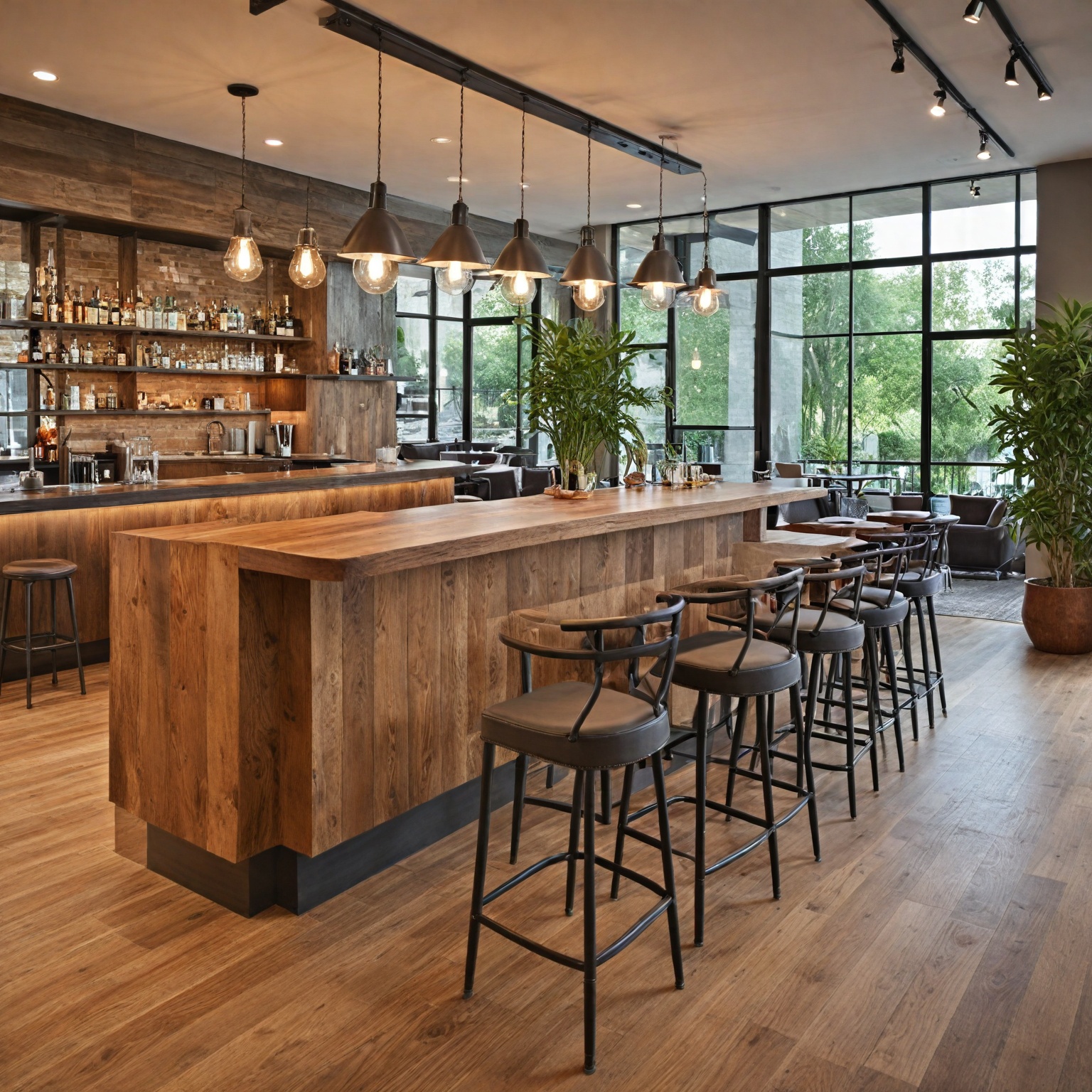
Trends emphasize industrial design with metal and wood, eco-friendly materials like reclaimed wood and recycled plastics, and weather-resistant outdoor furniture. Modular and multifunctional pieces improve flexibility, while craftsmanship using durable joinery methods ensures longevity. These trends reflect a balance of style, durability, and sustainability for modern restaurant environments.
Purchasing and Sourcing Tips
Invest in durable, easy-to-maintain furniture from reliable suppliers offering quality craftsmanship and warranties. Prioritize essential pieces and consider bulk buying or refurbished options to manage costs. Furniture should meet hygiene standards and support operational efficiency, influencing customer experience and brand image by promoting comfort, longevity, and a cohesive atmosphere.
The content is provided by Sierra Knightley, Gear Shift Zone