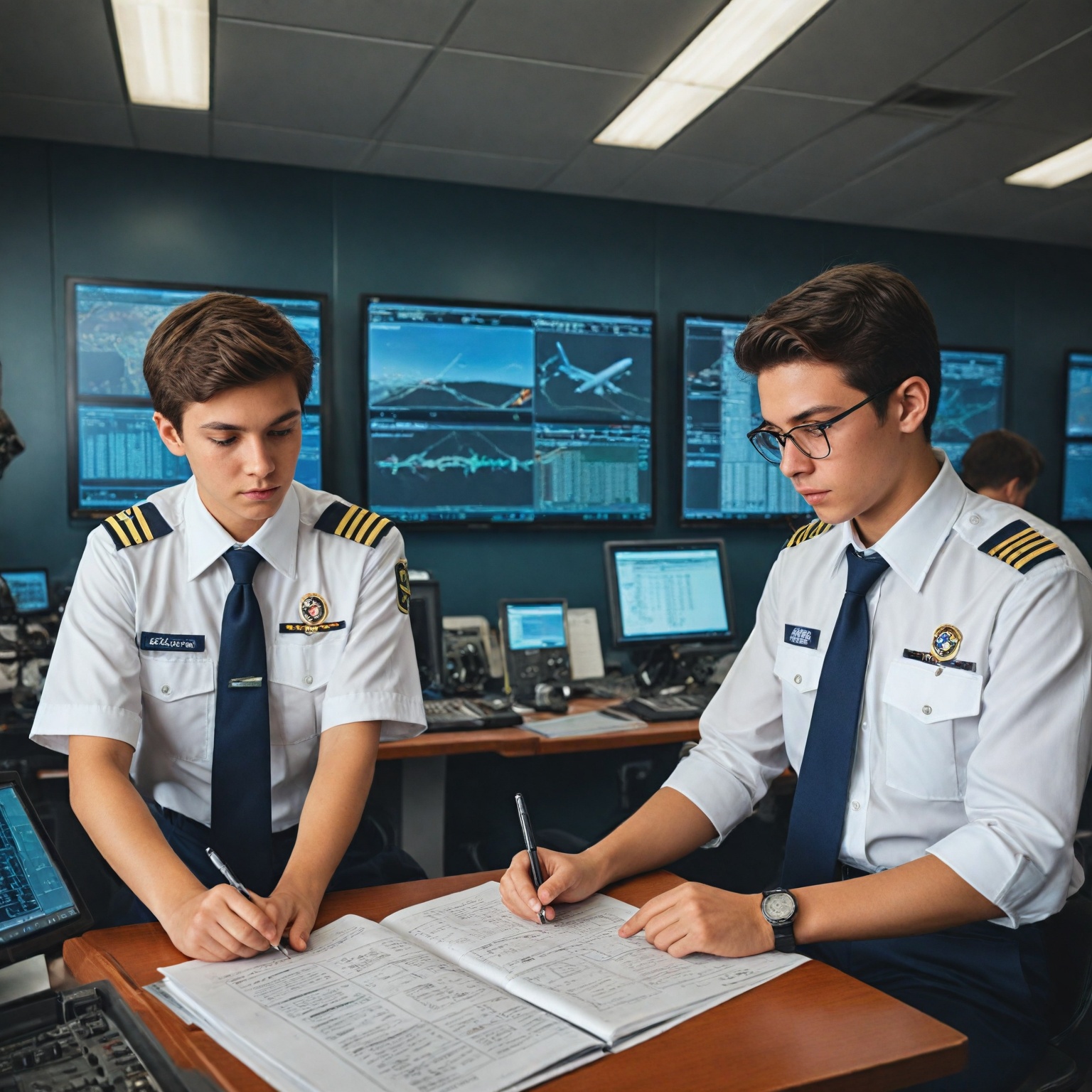
Highlights
- Advanced technologies can reduce pilot training costs by up to 30%.
- Explore funding options like scholarships to alleviate financial burdens of pilot training.
Summary
What You Should Know About the Costs of Paid Pilot Training in 2025 provides a comprehensive overview of the financial aspects and considerations involved in becoming a professional pilot in the current aviation landscape. Pilot training in 2025 is marked by the integration of advanced technologies such as virtual reality (VR) and artificial intelligence (AI), which enhance training efficiency and reduce overall costs by up to 30%. Despite these innovations, flight training remains a significant financial commitment, often ranging from $70,000 to $100,000 for comprehensive certification in the United States, encompassing Private Pilot License (PPL), instrument ratings, and commercial pilot qualifications. Costs are influenced by factors including flight hours, type of flight school (Part 61 vs. Part 141), geographic location, aircraft type, and additional certifications.
The choice between Part 61 and Part 141 flight schools significantly impacts both the structure and cost of training. Part 141 schools follow FAA-approved curricula with more regimented timelines and potentially fewer required flight hours, often resulting in bundled pricing that can offer cost savings. Conversely, Part 61 schools provide flexible, pay-as-you-go options but typically require more flight hours, potentially increasing total expenses. Regional variations also play a critical role: training in countries with favorable weather and lower living costs, such as South Africa or the Philippines, can reduce expenses and accelerate course completion compared to training in higher-cost areas like major U.S. cities or Europe.
Financial challenges remain a prominent concern for student pilots, with training costs compounded by expenses for medical exams, equipment, and living costs. To address these barriers, numerous funding options are available, including scholarships from organizations like AOPA and Women in Aviation, federal grants, pilot training loans, and airline-sponsored cadet programs that offer tuition reimbursement and career pathways. These financial aids are increasingly important in an industry experiencing shifting pilot demand and market uncertainties, as well as evolving regulatory requirements across global aviation authorities.
The 2025 pilot training environment continues to evolve with sustainability efforts, technological advancements, and innovative training methodologies shaping the pathway to professional flying careers. However, the substantial costs and financial complexities associated with pilot training necessitate careful planning and informed decision-making for aspiring pilots aiming to navigate this challenging but rewarding profession.
Overview of Paid Pilot Training in 2025
Pilot training in 2025 reflects a dynamic and evolving landscape shaped by technological innovation, sustainability efforts, and a focus on accessibility and mental health. Training programs increasingly incorporate advanced tools such as virtual reality (VR) and artificial intelligence (AI) to enhance learning experiences and better prepare students for modern aviation careers. As the industry adapts, pilot training remains a significant investment, requiring careful financial planning and consideration of various pathways.
The traditional route to becoming a commercial airline pilot typically begins with obtaining a Private Pilot License (PPL), followed by a Commercial Pilot License (CPL), an Instrument Rating (IR), and accumulating the necessary 1,500 flight hours through commercial flying, instructing, or flying private jets. This process often spans 2 to 4 years, with subsequent experience-building at regional airlines before advancing to major carriers, which may take an additional 2 to 6 years depending on market conditions.
Costs associated with pilot training include aircraft rental fees charged by the hour, instructor time, and upfront ground school materials. These expenses vary depending on the type of flight school chosen—Part 61 schools offer more flexible pacing and potentially lower upfront costs but may extend the training duration, while Part 141 schools follow FAA-approved curricula with more structured timelines. Additionally, online ground schools provide cost-effective alternatives for theoretical training.
Financial considerations extend beyond tuition and training fees. Aspiring pilots can explore various financing options such as specialized pilot training loans, personal loans, or payment plans offered by flight schools. Airline-sponsored cadet programs and tuition reimbursement initiatives have become increasingly prevalent, providing structured career paths and financial support to help mitigate training costs. Programs like those offered by United Airlines Aviate, Delta Air Lines Guaranteed Interview Program, and others exemplify industry efforts to reduce financial barriers and streamline the pathway to professional flying careers.
Choosing the right training destination and regulatory framework is also critical. FAA certification is generally preferred for pilots targeting U.S. and international airline careers, while EASA certification caters to European and Middle Eastern markets. Comprehensive pilot training providers such as ATP Flight School offer streamlined, airline-oriented programs with extensive resources, scholarships, and ongoing alumni support to facilitate a no-compromise career progression.
Factors Influencing the Cost of Pilot Training
Several key factors influence the overall cost of paid pilot training in 2025, making it essential for aspiring pilots to carefully consider each aspect before beginning their journey.
Flight Time and Training Structure
The largest single expense in pilot training is the amount of flight time required. Flight hours are costly, ranging from approximately $120 to $300 per hour depending on the aircraft type and location. Training frequency also impacts cost efficiency; irregular lessons can extend the overall training duration, increasing expenses. Furthermore, the choice between Part 61 and Part 141 flight schools affects both training structure and costs. Part 61 schools offer flexible, pay-as-you-go scheduling but may result in longer training periods and higher total costs, whereas Part 141 schools provide structured curricula with set milestones and potentially fewer required hours, which can reduce costs.
Location and Regional Variations
Geographic location plays a significant role in determining pilot training costs. Training in regions with higher living expenses or elevated fuel prices, such as major cities, generally leads to higher fees for aircraft rental and instructor services. Additionally, countries with year-round favorable weather conditions, like South Africa and the Philippines, enable faster course completion and may reduce total costs by minimizing weather-related delays. Conversely, harsh weather conditions, such as in regions with severe winters, can prolong training timelines and increase expenses. The choice of regulatory authority (e.g., FAA, EASA, DGCA, CASA, SACAA) also influences costs due to differences in licensing requirements and associated training durations.
Aircraft Type and Operating Costs
The type of aircraft used for training significantly affects expenses. Single-engine aircraft typically incur lower rental and fuel costs compared to multi-engine planes, which are often necessary for advanced ratings. Rising fuel prices globally have increased the cost of flight hours, further impacting overall training expenses. Flight schools frequently offer a fleet of well-maintained aircraft such as Cessna 172s and Tecnam P-Mentors with modern avionics, balancing cost and training quality.
Additional Ratings and Certifications
Adding ratings beyond the Private Pilot License (PPL), such as an instrument rating or multi-engine rating, increases training hours and associated costs. For example, obtaining an instrument rating involves at least 15 hours of flight time with a Certified Flight Instructor (CFI) and a minimum of 50 hours of Pilot-in-Command (PIC) cross-country flying, which translates into additional aircraft rental and instructor fees. Comprehensive training from zero experience through commercial certification, including these ratings, can range between $70,000 and $100,000 in the United States, depending on factors like aircraft rental, instructor rates, and simulator hours.
Flight School Type and Services
Different flight schools offer varying cost structures and training quality. FAA-approved schools under Part 61 and Part 141 present distinct approaches that affect pricing. Part 141 schools require FAA-approved curricula, certified instructors, and stage checks, which can lead to more efficient training but may come with higher upfront costs. Some schools incorporate transparent pricing models and offer tailored training plans, financing options, and GI Bill eligibility to help manage expenses. Additionally, facilities may charge landing or airport fees that add to overall costs.
External Factors
Other considerations impacting pilot training costs include fluctuating fuel prices, living expenses during training, and global pilot demand, which collectively contribute to making 2025 a critical year for pilot training decisions. Advancements in technology and innovative training methods also influence cost efficiency by improving knowledge retention and skill acquisition while maintaining safety standards.
Detailed Breakdown of Pilot Training Costs in 2025
The cost of pilot training in 2025 varies widely based on multiple factors, including the type of license sought, training location, flight school structure, and additional expenses such as equipment and exams. The largest expense is flight time, which can range from $120 to $300 per hour depending on the aircraft type, fuel prices, and geographic location. Utilizing flight simulators is a common way to reduce costs, as simulated flight hours are significantly cheaper than actual aircraft rental.
Flight Training Phases and Associated Costs
Training from zero experience to commercial pilot certification typically costs between $70,000 and $100,000. This comprehensive cost usually includes obtaining a Private Pilot License (PPL), instrument rating, commercial pilot license, and often a multi-engine rating. For example, PPL training alone generally ranges from $8,000 to $15,000, though costs can rise up to $20,000 if additional flight hours are required. The Multi-Engine Instructor (MEI) course, a common step for those pursuing a flight instructor career, costs approximately $6,488 and lasts about three weeks.
Flight School Types and Pricing Structures
Flight schools are primarily categorized under FAA Part 141 or Part 61 certifications, and this distinction profoundly affects costs. Part 141 schools operate under FAA-approved curriculums and tend to offer more structured training with fewer required flight hours, but their regulatory compliance often leads to higher fees. Part 61 schools provide more flexible scheduling and pricing, sometimes allowing negotiation on aircraft rental and instructor rates, but generally require more flight hours, potentially increasing total costs by $40,000 or more for the same license.
Flight schools may charge separately for aircraft rental, instructor time, and ground school materials, or bundle these into packages with financing options. Flight hour rates at formal schools usually range between $150 and $200 per hour, which includes both aircraft and instructor fees.
Additional Costs and Hidden Expenses
Beyond flight hours, pilot trainees must budget for practical checkride fees (typically $500–$800), medical examinations (around $100), and essential gear such as headsets, charts, flight bags, and computers, which can cost between $300 and $2,000 depending on quality. Examination fees and certification tests add another $500 to $1,500 per training stage. Living expenses and regional cost differences also significantly affect overall training budgets, especially when training abroad.
Financing and Career Support
Many flight schools, such as Leopard Aviation and ATP Flight School, offer financing options, pay-as-you-go plans, and even GI Bill eligibility for veterans to ease the financial burden. ATP Flight School, in particular, provides a fixed-cost training program covering flight hours and related expenses, along with access to airline-sponsored cadet programs that include tuition reimbursement and sign-on bonuses.
Impact of Technology on Costs
Advancements in flight simulation, including VR-based training programs, have enhanced training efficiency and reduced costs by up to 30%. These technologies improve pilot situational awareness and cockpit management skills, further contributing to cost-effective training.
Financial Aid and Funding Options for Student Pilots
Aspiring pilots face a variety of expenses when pursuing flight training, including classroom instruction fees, aircraft rental fees, and instructor fees. To manage these costs, many students explore a range of financial aid and funding options that can help make pilot training more affordable and accessible.
Scholarships and Grants
One of the most effective ways to reduce the financial burden of flight training is through scholarships and grants. Numerous aviation organizations, such as the Aircraft Owners and Pilots Association (AOPA), Experimental Aircraft Association (EAA), and Women in Aviation, offer scholarships ranging from $1,000 to $10,000. These awards are competitive but provide significant financial relief to recipients. Additionally, some scholarships support a broad spectrum of aviation fields, including technician and crew member roles, expanding opportunities beyond pilot training alone.
Federal grants, such as the Pell Grant, may also be available for students attending accredited flight schools that participate in federal student aid programs. Pell Grants are need-based and can cover a portion of flight training costs if eligibility criteria are met. Students should verify with prospective schools whether Pell Grants and other federal loans can be applied toward their training to optimize funding opportunities.
Loans and Financing Programs
For expenses not covered by scholarships or grants, pilot training loans and financing programs offer another avenue for funding. Some lenders specialize in aviation education loans, which may cover full or partial training costs, including flight hours, training materials, and examinations. Unlike traditional student loans, some flight training loans function as lines of credit that can be used flexibly across different schools or programs.
It is important for students to carefully evaluate loan options, interest rates, and repayment terms. Additionally, certain pilot loans may be eligible for forgiveness programs, providing further financial relief depending on the borrower’s career path and commitments.
Airline-Sponsored Programs and Tuition Reimbursement
Graduates of approved pilot training programs, such as those offered by ATP Flight School, can gain access to airline-sponsored cadet programs that provide tuition reimbursement, sign-on bonuses, and other financial incentives. Major airlines including Frontier, Sun Country, United, Alaska, American, and Delta offer structured pathways designed to support pilot career progression while mitigating training costs.
These programs often include exclusive career fairs, advanced training scholarships, and professional development resources that enhance a student pilot’s ability to transition successfully into the airline industry. By participating in such programs, student pilots can benefit from both financial support and valuable industry connections.
Additional Tips for Funding Flight Training
Prospective pilots are encouraged to start the Free Application for Federal Student Aid (FAFSA) process early, as federal aid is distributed on a first-come, first-served basis and may require financial documentation from parents or guardians. Furthermore, joining local flying clubs or aero clubs can offer subsidized pricing and additional funding opportunities tailored to private pilots.
Careful budgeting, combined with proactive research into available scholarships, grants, loans, and sponsorship programs, can help aspiring pilots spread out costs over time and make flight training more manageable financially.
By leveraging these diverse financial aid and funding options, student pilots can better navigate the expenses associated with their training and move closer to achieving their aviation career goals.
Regional Cost Comparisons of Paid Pilot Training Programs
Pilot training costs in 2025 vary significantly across different regions due to factors such as local fuel prices, instructor wages, airspace congestion, and regulatory frameworks. In the United States, total expenses for obtaining a commercial pilot certification, including Private Pilot License (PPL), instrument rating, and multi-engine rating, typically range from $70,000 to $100,000. Training providers like Leopard Aviation offer flexible plans and financing options, and some schools accept federal student aid programs such as the GI Bill, helping to offset costs for eligible candidates. Bundled training programs under FAA Part 61 or Part 141 generally cost between $12,000 and $15,000 per package component, with bundled pricing often providing savings over pay-as-you-go models.
In Europe, particularly under the European Union Aviation Safety Agency (EASA) framework, pilot training tends to be more expensive, with integrated programs costing between $80,000 and $130,000. Flight schools in countries like Spain provide comprehensive, EASA-compliant training lasting 18 to 22 months, with total costs estimated between $75,000 and $95,000. Southern European regions benefit from favorable weather conditions that support year-round training, helping to reduce delays and optimize scheduling.
The choice of training location impacts not only cost but also license recognition and subsequent employment opportunities. For example, the regulatory environment differs between the FAA in the United States, EASA in Europe, DGCA in India, CASA in Australia, and SACAA in South Africa, influencing total expenses and the global validity of the license. In Asia, Singapore is positioned as a premium training hub with top-tier programs tailored for the growing regional aviation market, while the Philippines is expanding its aviation sector to offer local job prospects for graduates.
Trends and Market Influences on Pilot Training Costs in 2025
The pilot training industry in 2025 is shaped by a combination of
Cost Differences Between Part 141 and Part 61 Flight Schools
Flight training costs vary significantly depending on whether a student chooses a Part 141 or Part 61 flight school, each offering distinct structures and requirements under FAA regulations. Part 141 schools follow an FAA-approved curriculum characterized by a structured training program with defined milestones and stage checks. This structure typically allows students to complete their Private Pilot License (PPL) in a minimum of 35 flight hours and Commercial Pilot License (CPL) in about 190 hours, though actual hours may be higher. In contrast, Part 61 schools provide a more flexible training path without rigid timelines or syllabi, generally requiring a minimum of 40 flight hours for a PPL and around 250 hours for a CPL, often resulting in more total flight hours to certification.
The flexibility of Part 61 schools appeals to students who prefer a pay-as-you-go model and adaptable scheduling, while Part 141 schools offer a more regimented approach suitable for those seeking a predictable timeline and possibly lower total hours needed to complete the program. This difference in structure often translates into variations in total cost. Part 141 programs tend to have bundled pricing packages that may offer savings by including aircraft rental, instructor time, and ground school materials upfront, whereas Part 61 schools frequently charge separately for these components, sometimes making overall expenses less transparent.
Flight training remains the primary cost driver for both types of schools, with most students completing between 60 and 70 flight hours in reality, despite the minimum requirements. Hourly rates at flight schools commonly range from $150 to $200, covering both aircraft rental and instructor fees, though additional expenses such as landing fees, fuel surcharges, and facility charges may apply. Nationally, the total cost of a full pilot training program under either Part 141 or Part 61 typically falls between $12,000 and $15,000 for initial certifications, but can rise significantly depending on training goals and program inclusions.
Ultimately, neither Part 141 nor Part 61 guarantees lower costs on its own; understanding how FAA requirements and individual training progress impact total flight hours and associated expenses is essential. Students should weigh the benefits of Part 141’s structured and potentially faster path against Part 61’s flexibility to determine the best fit for their learning style and budget.
Financial Challenges Faced by Student Pilots in 2025
Student pilots face several significant financial challenges during their training, which can impact both their progress and overall commitment to becoming licensed pilots. One primary concern is the high cost associated with various components of flight training, including classroom instruction, aircraft rental, and instructor fees. These expenses require careful budgeting and planning to manage effectively.
Many student pilots struggle with the total financial burden, which often leads to difficulties in maintaining commitment throughout the lengthy and demanding training process. To address these challenges, it is advisable for aspiring pilots to seek guidance from experienced and veteran pilots who can share strategies to maximize training efficiency while working within a limited budget.
Financing options for pilot training have expanded, providing some relief. Scholarships, grants, and financial aid programs can substantially offset costs, especially those offered by aviation organizations and through federal student aid programs such as FAFSA. These programs may include loans, work-study opportunities, and grants, but typically require timely application and disclosure of financial information. Additionally, some schools offer pay-as-you-go financing plans, which help spread out costs over the duration of training.
Balancing part-time work alongside training is another strategy some students use to manage expenses and gain relevant industry experience. While this can be challenging, it provides both income and valuable exposure to aviation careers.
Hidden expenses and living costs further complicate the financial picture, necessitating that students carefully consider all associated costs before committing to a flight training program. The choice of training path and institution can also influence overall expenses and financing availability, with factors such as license recognition, training duration, weather conditions, and airline partnerships playing important roles in the decision-making process.
Strategies and Tips for Reducing Pilot Training Costs
Aspiring pilots can significantly reduce the financial burden of flight training through careful planning and by utilizing various funding opportunities. One of the most effective ways to lower costs is to seek scholarships and grants offered by numerous organizations. For instance, the Air Line Pilots Association (ALPA) provides scholarships specifically for students pursuing aviation-related degrees or flight training, while the EAA Young Eagles Program targets young aspiring pilots with financial aid. Additionally, educational scholarships in general amount to billions of dollars annually, with an average coverage of $7,500 per student, making it worthwhile for aviation students to explore available financial aid options.
Another key strategy involves understanding and optimizing flight training programs. In the United States, flight training typically requires a minimum of 40 to 45 hours, but most students complete between 60 and 70 hours, with total costs ranging from $12,000 to $15,000 depending on the training package and whether the instruction follows Part 61 or Part 141 regulations. Bundling lessons and choosing comprehensive packages often lead to savings compared to paying for individual components separately.
Technological advancements also offer cost-saving opportunities. The integration of virtual reality (VR) and advanced flight simulators into pilot training programs has enhanced training efficiency and lowered expenses by approximately 30%. VR-based training not only improves pilot situational awareness and cockpit management skills but also reduces the need for costly in-aircraft hours.
Finally, financing options such as loans and pay-as-you-go plans can help aspiring pilots manage expenses more effectively by spreading costs over time. Combining these strategies—securing scholarships, selecting optimal training packages, leveraging technological tools, and employing smart financing—can make pilot training more accessible and financially manageable in 2025.