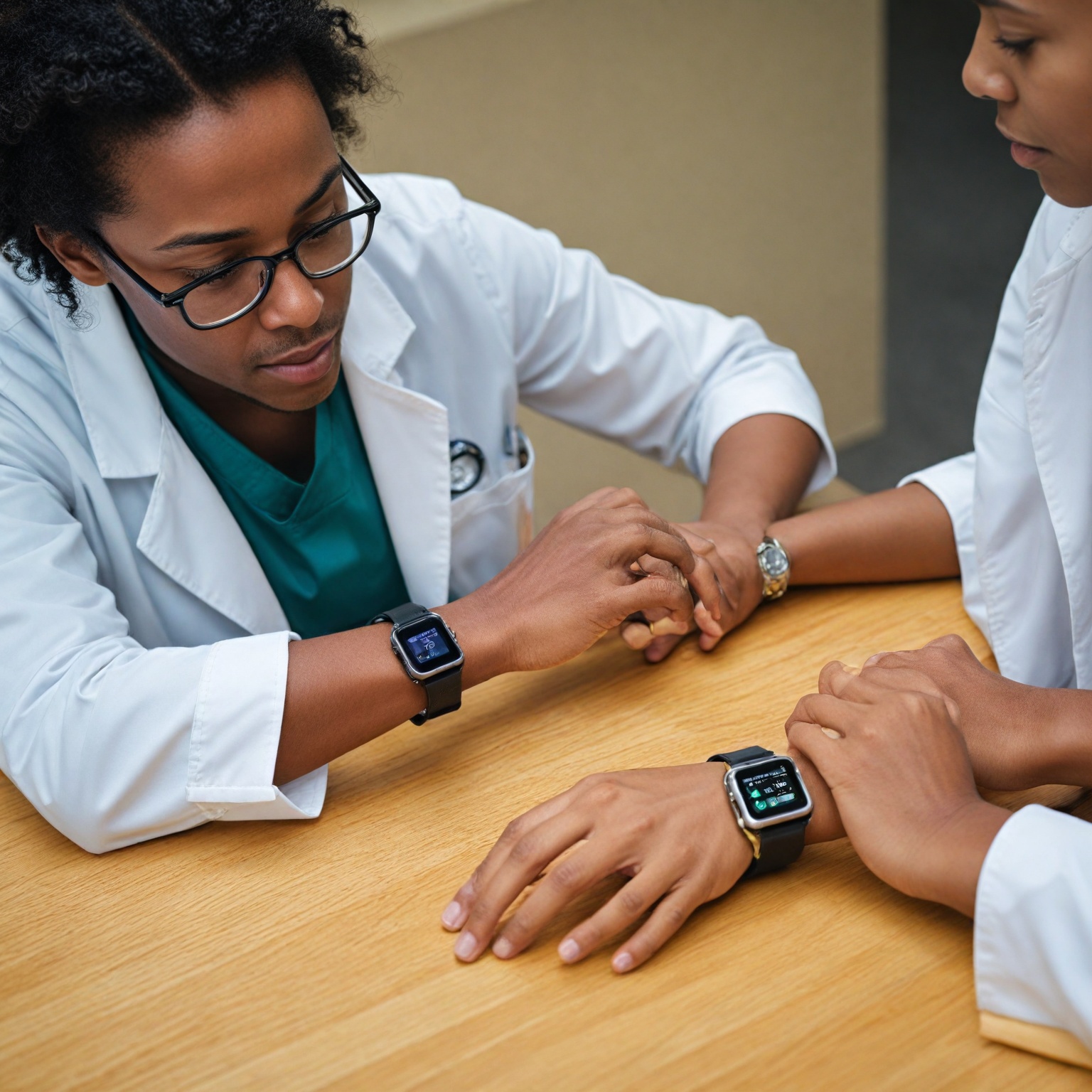
Highlights
- Diabetes monitoring smartwatches offer real-time glucose readings for better management and convenience.
- Integrating CGM data with lifestyle tracking enhances personalized diabetes care for users.
Summary
What You Should Know About Diabetes Monitoring Smartwatches and Their Benefits
Diabetes monitoring smartwatches are wearable devices designed to assist individuals with diabetes in managing their blood glucose levels more conveniently and continuously. By integrating with continuous glucose monitoring (CGM) systems or flash glucose monitors (FGMs), these smartwatches provide real-time glucose readings and alerts directly on the wrist, reducing the reliance on traditional finger-prick methods. This technology represents a significant advancement in diabetes care, offering improved glycemic control, enhanced patient awareness, and potential reduction of diabetes-related complications for both type 1 and type 2 diabetes patients.
The rise of smartwatches in healthcare has opened new avenues for chronic disease management, particularly through the continuous tracking of physiological parameters and lifestyle factors. Many modern smartwatches support the integration of CGM data, enabling users to monitor glucose trends alongside physical activity, diet, and medication adherence. Popular models such as the Apple Watch, Garmin Venu Sq 2, and Samsung Galaxy Watch 4 have demonstrated compatibility with CGM applications, contributing to more personalized and proactive diabetes management.
Despite their promise, diabetes monitoring smartwatches face notable challenges, especially regarding the accuracy and reliability of non-invasive glucose sensing technologies. While methods utilizing near-infrared light, ultrasonic waves, or analysis of sweat and tears offer the appeal of painless monitoring, they have yet to achieve clinical validation comparable to invasive CGM devices. The U.S. Food and Drug Administration (FDA) has issued warnings against unauthorized devices that claim to measure glucose non-invasively due to potential risks of inaccurate readings leading to improper diabetes management.
Looking forward, advances in sensor technology, data analytics, and device interoperability are expected to enhance the effectiveness and accessibility of diabetes monitoring smartwatches. Integration with lifestyle management applications and improved wireless connectivity may support broader adoption and better health outcomes. However, further rigorous clinical research, regulatory oversight, and insurance coverage expansion are essential to address current limitations and ensure safe, reliable use of these wearable technologies in diabetes care.
Overview of Diabetes Monitoring
Diabetes monitoring is a crucial component in the management of both type 1 and type 2 diabetes, as well as prediabetes. It primarily involves the regular measurement of blood glucose levels to help individuals maintain glycemic control and prevent complications. Traditional blood glucose monitoring methods include the use of glucose meters and test strips, which require finger-pricking to obtain blood samples. While effective, these invasive methods can cause discomfort, increase the risk of infection, and often lead to poor compliance among patients.
Continuous glucose monitoring (CGM) systems have revolutionized diabetes management by providing a less invasive and more comprehensive approach. CGMs utilize small sensors inserted just beneath the skin—typically on the arm, stomach, or thigh—that continuously measure glucose levels in the interstitial fluid. These devices send real-time data to a receiver or a connected smart device, allowing users to track glucose trends and detect fluctuations that might not be captured by traditional intermittent testing. This continuous data facilitates better glycemic control and helps patients respond proactively to high or low blood sugar levels.
The adoption of CGMs has expanded beyond people with diabetes to include individuals with prediabetes who wish to monitor their glucose levels more closely. Modern CGM devices have improved in size, comfort, and alert systems, enhancing usability and patient adherence. They provide actionable insights into how dietary choices, physical activity, and other factors impact blood glucose levels, thereby supporting personalized diabetes management.
In recent years, there has also been growing interest in non-invasive glucose monitoring technologies, such as smartwatches and smart rings, which claim to measure glucose levels without requiring blood samples. These devices often rely on techniques involving near-infrared light, ultrasonic waves, or analysis of bodily fluids like sweat or tears. However, the accuracy and precision of these non-invasive methods currently do not match that of invasive or minimally invasive CGM systems, and their clinical reliability remains a significant challenge.
Smartwatches in Healthcare
Smartwatches have emerged as promising tools in healthcare, particularly for the management of chronic diseases such as diabetes mellitus (DM). Over the past decade, the use of smart technology in monitoring various health parameters has grown significantly, offering new opportunities for patient self-management and clinical oversight. For diabetes patients, smartwatches can assist in continuous blood glucose monitoring, medication adherence, physical activity tracking, and dietary management.
A variety of smartwatch models now enable users to monitor blood glucose levels directly from their wrists, often integrating data from continuous glucose monitoring (CGM) systems. This integration allows for real-time alerts and trends, which are essential for maintaining glycemic control and preventing complications associated with poor diabetes management. The process of configuring CGM data on smartwatches varies depending on the phone-smartwatch combination but has been tested and supported on devices such as the Garmin Venu Sq 2, Galaxy Watch 4, and Apple Watch SE, with expectations that more advanced models will offer even broader compatibility.
Beyond glucose monitoring, smartwatch applications—such as Sugar Sense, Grab Manager, and Diabetes Tracker—target lifestyle interventions including weight management, diet, and exercise. While these apps are popular, further research is needed to evaluate their impact on clinical outcomes like glycemic control, medication adherence, and exercise participation across all forms of diabetes. The continuous, objective data collection enabled by smartwatches is valuable not only for patients but also for clinicians, enhancing disease management and potentially reducing long-term complications.
Diabetes Monitoring Smartwatches
Smartwatches designed for diabetes monitoring have emerged as valuable tools that provide continuous and convenient tracking of blood glucose levels, offering users increased peace of mind and better disease management. These devices typically integrate with continuous glucose monitors (CGMs) or flash glucose monitors (FGMs) to deliver real-time data and alerts directly to the wearer’s wrist, reducing the need for frequent finger-prick tests.
Many smartwatches enable users to view their glucose readings and receive alerts for high or low blood sugar levels through smartphone connectivity. Currently, most CGM systems require an initial setup and ongoing data relay via a smartphone, as direct smartwatch compatibility—particularly with Android smartwatches—is still under development without a fixed timeline. For instance, the Abbott Diabetes Care Eversense system functions as a flash glucose monitor where users manually scan a sensor on the arm to obtain readings, which can then be accessed on compatible devices including the Apple Watch. Dexcom CGM users benefit from features like dynamic watch face color changes (red, green, or yellow) to visually reflect glucose status, enhancing immediate awareness of their condition.
The range of compatible smartwatches extends to Garmin devices, which support integration with certain CGM apps, allowing users to conveniently monitor glucose levels during workouts or daily activities. Bridging applications such as xDrip+ and others further facilitate connectivity between CGMs and smartwatches across different platforms, including Wear OS and Garmin watches. However, challenges remain regarding battery consumption due to continuous Bluetooth streaming and limited universal compatibility among devices.
Research underscores the transformative potential of wearable devices in diabetes management. Studies reveal that sensors such as accelerometers, glucose monitors, and heart rate monitors are frequently employed in wearables to collect continuous physiological data. Analytical techniques, including statistical analysis and machine learning, are applied to interpret these data for activity recognition, health outcome associations, and disease diagnosis. Although much of the focus has been on type 1 diabetes, there is growing interest in extending these technologies to type 2 diabetes and prediabetes management.
Beyond glucose monitoring, non-invasive technologies that measure glucose through bodily fluids like sweat or tears are being explored, exemplified by innovations such as smart contact lenses. While these technologies do not measure blood glucose directly, their development represents a promising direction toward more comfortable and accessible diabetes monitoring.
Clinical Benefits of Diabetes Monitoring Smartwatches
Diabetes monitoring smartwatches have shown considerable promise in improving the management of diabetes by providing continuous, real-time glucose tracking and alerting users to significant changes in their blood sugar levels. These devices offer a discreet and convenient method for patients to monitor their glucose trends, enabling timely interventions that can help prevent complications associated with both hypoglycemia and hyperglycemia.
One of the key advantages of these smartwatches is their ability to continuously monitor glucose levels through sensors that measure glucose in the interstitial fluid rather than directly in the blood. This technology helps maintain glucose levels closer to the normal range, which is critical in reducing the risk of long-term microvascular and macrovascular complications for individuals with type 1 and type 2 diabetes. By providing ongoing glucose data and alerts, smartwatches enhance patient awareness and encourage proactive management of their condition, potentially improving overall quality of life and lifespan.
Additionally, clinical studies have demonstrated that combining smartwatch use with structured lifestyle programs can significantly benefit patients. For instance, the MOTIVATE-T2D study showed that recently diagnosed type 2 diabetes patients who utilized smartwatches along with virtual coaching were more likely to engage in regular physical activity, with an 82 percent retention rate over 12 months. This led to improvements in blood sugar control, blood pressure, and cholesterol levels, highlighting the potential of smartwatches to support sustainable behavioral changes and better metabolic health outcomes.
Despite their benefits, the Food and Drug Administration (FDA) has issued warnings regarding the accuracy and reliability of glucose measurements from smartwatches and similar wearable devices. Accurate glucose monitoring is essential for diabetes management, and while these devices offer convenience, they should not be solely relied upon without professional medical guidance. Furthermore, broader adoption and integration of these technologies into diabetes care may depend on factors such as insurance coverage and acceptance among non-insulin-dependent patients, pointing to ongoing challenges in accessibility and implementation.
Challenges and Limitations
The use of mobile and wearable technologies for diabetes monitoring, particularly smartwatches, presents significant challenges and limitations that currently hinder widespread adoption and effectiveness. One major issue is the accuracy and reliability of these devices. Non-invasive glucose monitoring technologies, which often rely on measuring glucose molecules through light frequencies such as near-infrared or ultrasonic waves, have yet to match the precision of traditional electrochemical blood glucose meters used in clinical settings. This technical shortfall poses a critical challenge in ensuring that readings are both accurate and consistent enough to guide diabetes management safely.
Furthermore, clinical validation of many wearable devices remains limited. Many studies have been constrained by small sample sizes, lack of clear patient cohort descriptions, and insufficient details about research methodologies, including cohort selection and outcome comparability. Ethical oversight and data privacy measures have also been inconsistently addressed across studies, raising concerns about the robustness and security of diabetes monitoring applications.
The U.S. Food and Drug Administration (FDA) has issued warnings regarding smartwatches and smart rings that claim to measure blood glucose levels without piercing the skin. These unauthorized devices have not been cleared by the FDA due to concerns about their accuracy and potential risks. Inaccurate glucose readings can lead to dangerous mismanagement of diabetes, including incorrect dosing of insulin or other medications, which can cause severe health complications. Consequently, patients and healthcare providers are advised not to rely on such devices for critical health decisions.
Cost and insurance coverage also present barriers to the adoption of wearable diabetes monitoring technologies. While continuous glucose monitoring (CGM) devices are gaining traction, out-of-pocket expenses for patients can range between $1,000 and $3,000 annually even with reasonable insurance coverage. The willingness of payers to expand coverage beyond insulin-dependent patients, such as those with type 2 diabetes who do not require insulin, will significantly influence future adoption rates. Manufacturers continue to face technical challenges related to reducing measurement variability caused by factors like skin color, temperature, and humidity, which complicates efforts to develop reliable, non-invasive devices suitable for broader patient populations.
User Experience and Common Features
Diabetes monitoring smartwatches typically function by pairing with continuous glucose monitors (CGMs), which use small sensors inserted under the skin to provide real-time glucose readings. These CGM-based smartwatches offer some of the most accurate glucose monitoring available, although their accuracy depends heavily on proper sensor calibration and correct skin contact. Users are advised to ensure that sensors are properly placed and replaced according to manufacturer guidelines, and to keep the smartwatch firmware and associated apps updated to maintain optimal data synchronization.
Many diabetes smartwatches incorporate features beyond glucose monitoring, including alerts for hypo- or hyperglycemia, activity tracking, and integration with diet and medication management tools. These capabilities help patients better understand how dietary choices and physical activity affect their glycemic control, empowering more effective self-management of both type 1 and type 2 diabetes. Some devices also offer improved alert systems that notify users of critical glucose fluctuations, enhancing safety and timely intervention.
While CGM-equipped smartwatches are often FDA-approved medical devices, they can be expensive. More affordable smartwatches usually sync with traditional glucose meters rather than providing direct sensor readings, which may impact convenience and immediacy of data. Despite this, ongoing advances in non-invasive monitoring technologies aim to broaden access and usability, potentially benefiting a wider population of patients, clinicians, and payers by improving engagement and adherence to diabetes management plans.
Reported User Challenges and Limitations
Despite the promising advancements in diabetes monitoring through smartwatches and wearable devices, several challenges and limitations have been reported by users and researchers. A significant concern involves the accuracy and reliability of blood glucose measurements provided by some unauthorized smartwatches and smart rings that claim to monitor glucose levels non-invasively. The U.S. Food and Drug Administration (FDA) has issued warnings regarding these devices, urging users who experience inaccurate readings or adverse events to report these problems via the MedWatch Voluntary Reporting Form. This caution extends to any smartwatch or smart ring marketed for glucose monitoring without skin piercing, regardless of brand or manufacturer, reflecting ongoing regulatory vigilance over device claims and safety.
From a research perspective, the use of wearable devices for monitoring diabetes-related parameters is still evolving. Many studies to date have been limited in scale and often lack detailed information about participant cohorts, case selection, and clinical outcomes. Furthermore, ethical approvals and privacy protections are frequently insufficiently addressed in the literature. Only a minority of studies have utilized commercial wearable devices, with many relying on research prototypes. This gap highlights the early-stage nature of the technology and the need for more rigorous clinical validation and standardized data management.
Another practical challenge lies in the limited integration of continuous glucose monitoring (CGM) technology within widely used wrist-worn devices. Despite the rapid growth in wearable fitness devices from major technology companies such as Fitbit, Garmin, Apple, and others, the absence of built-in glucose sensors has constrained their broader application for diabetes management. This limitation restricts patients’ ability to rely solely on these consumer-grade devices for comprehensive glucose monitoring and has slowed adoption in clinical practice.
Looking ahead, improvements are anticipated through next-generation sensors equipped with features like built-in LTE modems and advanced Bluetooth Low Energy (BLE) protocols, which may enable better smartwatch-phone independence. Additionally, the development of standardized application programming interfaces (APIs) is expected to enhance interoperability among devices from different manufacturers. However, until such advancements become mainstream, users and healthcare providers must remain cautious and informed about the current limitations of diabetes monitoring smartwatches and the need for complementary monitoring methods.
Future Trends and Developments
The future of diabetes monitoring using smartwatches is poised for significant advancements, driven by technological innovation and an increasing demand for non-invasive, continuous glucose monitoring solutions. One of the most promising directions is the development of devices that integrate the best features of both invasive and non-invasive technologies. Non-invasive devices, which utilize methods such as near-infrared (NIR), ultrasonic waves, and visible light to quantify glucose levels, hold enormous potential to expand monitoring beyond current patient segments, including those with non-insulin dependent diabetes. However, these technologies still face challenges related to accuracy and reliability, with factors such as skin color, temperature, humidity, and individual glucose metabolism affecting measurement precision.
In parallel, the adoption of wearable technologies such as smartwatches for diabetes management is expected to grow, as these devices become more capable of combining mobile sensor data with clinical information. Sensors like acceler