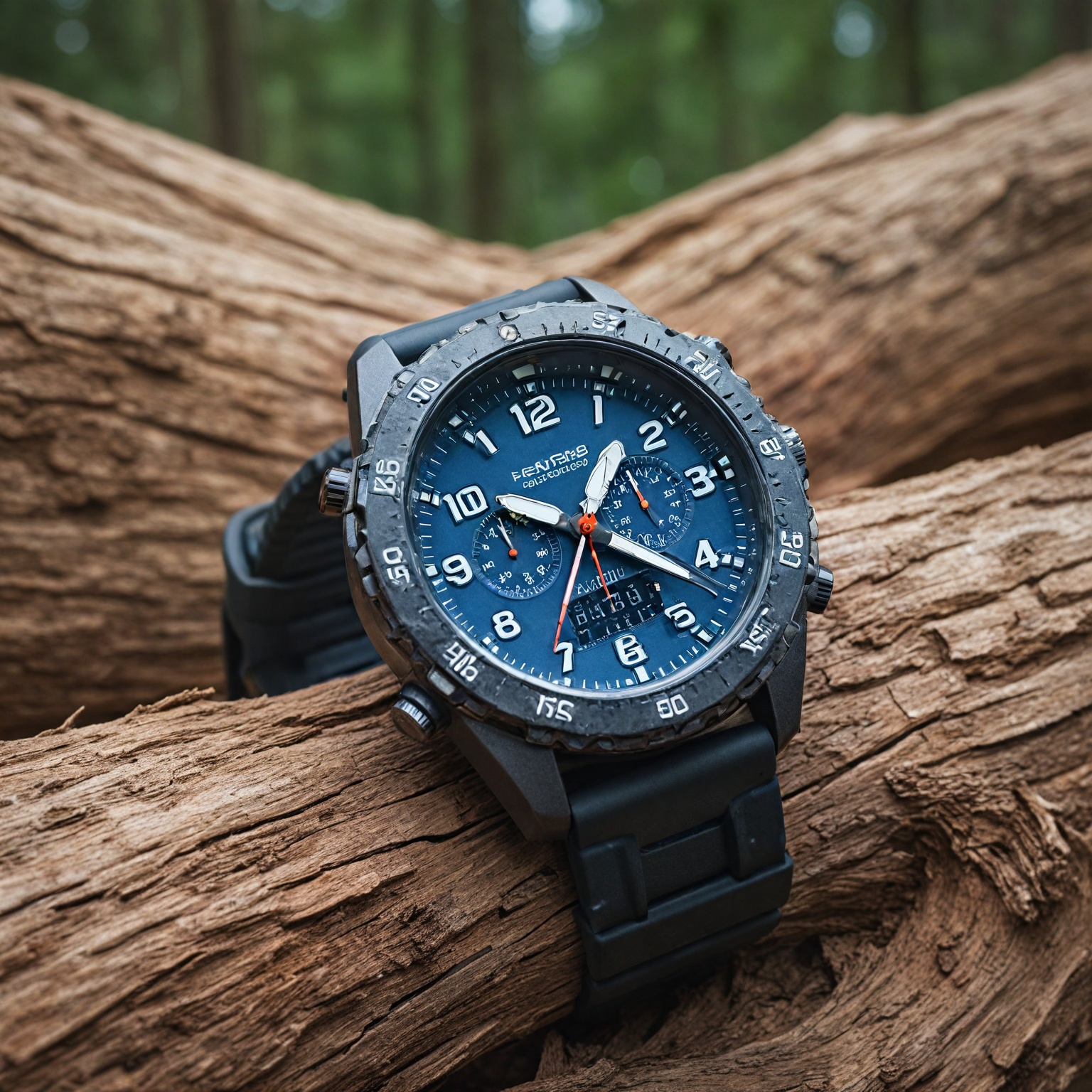
Highlights
- Survival watches in 2025 combine rugged durability with advanced technology for outdoor enthusiasts.
- Embrace eco-friendly innovation in survival watches that balance performance and sustainability.
Summary
Survival watches for men in 2025 represent a sophisticated fusion of rugged durability, advanced technology, and sustainable design tailored to meet the demanding needs of outdoor adventurers and survival enthusiasts. Evolving from basic timekeeping devices into multifunctional tools, these watches now incorporate features such as GPS navigation, altimeters, barometers, health monitoring sensors, and emergency signaling capabilities, enabling users to navigate and survive in extreme environments without reliance on external devices. Their construction employs cutting-edge materials like titanium and recycled alloys, balancing toughness with environmental responsibility.
The market for survival watches has expanded significantly, driven by increasing interest in outdoor exploration and a desire for reliable, multifunctional gear. Leading brands such as Casio, Garmin, Suunto, and Coros offer a wide range of models that blend military-grade resilience with modern smartwatch functionality, including solar charging and advanced health tracking. Innovations in energy harvesting and sustainable materials are shaping the future of these watches, reducing dependence on disposable batteries and promoting eco-friendly manufacturing practices.
Despite their technological advancements, survival watches face challenges such as the complexity of features that may require user acclimatization, and a market increasingly concerned with authenticity amid counterfeit products. Additionally, the growing integration of smart technology has sparked debates about the balance between traditional mechanical craftsmanship and digital innovation in this segment. Nonetheless, survival watches remain notable for their role as essential companions for modern adventurers, combining practicality, resilience, and style in one device.
As the industry moves forward, sustainability and energy autonomy are central themes, with manufacturers pioneering the use of recycled materials and exploring self-powered systems to extend battery life indefinitely. These trends signal a shift toward survival watches that not only enhance outdoor safety and performance but also align with broader environmental and technological advancements expected to define the market in 2025 and beyond.
History of Survival Watches
Survival watches have evolved into indispensable tools for outdoor adventurers and survival enthusiasts, combining robust functionality with durability to withstand extreme environments. Initially designed as rugged timepieces to aid in navigation and timekeeping under harsh conditions, survival watches have steadily integrated advanced features that cater to the diverse needs of survivalists. Over the years, the market for survival watches has grown significantly, with new models emerging annually to incorporate innovations in materials, technology, and design. This continuous evolution reflects the increasing demand for reliable, multi-functional watches that serve not only as practical tools but also as symbols of resilience and adventure.
In recent times, the survival watch segment has witnessed a blend of traditional military-grade toughness, as seen in models like the Marathon Diver’s Quartz Medium, alongside innovative designs exemplified by brands such as Casio with its Rescue Concept line. The rise of independent watchmakers pushing boundaries in aesthetics and complications has further enriched the landscape, contributing to a renaissance in watchmaking that embraces both form and function.
Technological advancements have also played a critical role in the history of survival watches. Developments in energy harvesting, such as solar-powered batteries and self-powered systems, are gradually reducing reliance on conventional batteries, thereby enhancing the autonomy and sustainability of wearable survival gear. This shift not only extends the operational lifespan of survival watches but also aligns with broader trends in wearable technology.
Together, these historical trends underscore how survival watches have transitioned from simple timekeeping devices to sophisticated companions for modern adventurers, embodying both technological progress and enduring ruggedness.
Key Features of Survival Watches in 2025
Survival watches in 2025 embody the pinnacle of engineering, functionality, and durability, designed to support adventurers and survivalists in the most demanding environments. These timepieces are constructed with hardwearing materials such as metal alloys, composites, and proprietary resins to withstand harsh conditions while offering a broad spectrum of advanced features tailored for extended off-grid use.
Materials and Durability
Recent advancements have made materials like titanium more accessible for watch manufacturing, prized for their lightweight nature and superior corrosion resistance compared to traditional stainless steel. This makes titanium increasingly popular among survival watches, which require toughness without sacrificing comfort. Additionally, sustainability has become a significant focus, with brands incorporating recycled steel and alloys forged in eco-friendly processes. Notable examples include Panerai’s eSteel® cases and Chopard’s Lucent Steel, which contain high recycled content while matching or outperforming virgin materials in strength and finish. These eco-conscious efforts mark a growing trend toward environmentally responsible watch production.
Essential Functionalities
Modern survival watches extend far beyond basic timekeeping, often categorized as “ABC watches” due to their integration of altimeters, barometers, and compasses. Many also include thermometers, gyroscopes, GPS units, emergency beacons, and advanced health tracking features such as optical heart rate monitors. For example, the Garmin Instinct Crossover Solar features multi-GNSS support (GPS, GLONASS, Galileo), an onboard barometer, three-axis compass, VO2 max sensor, sleep tracking, and emergency incident detection that can send live location alerts to designated contacts. These comprehensive functions enable users to navigate, monitor environmental conditions, and maintain safety without reliance on external devices.
Power and Energy Efficiency
Battery life is a critical consideration for survival watches. Many models now incorporate solar charging capabilities, allowing near-infinite power reserves in suitable lighting conditions. This technology reduces dependency on frequent charging or battery replacements, an essential feature during prolonged outdoor excursions. Additionally, research into energy-harvesting wearables made from recycled waste suggests future survival watches could become increasingly self-sustaining by converting human movement or environmental energy into usable power.
Customization and Usability
Survival watches in 2025 often come in multiple sizes, colors, and strap options to accommodate different preferences and needs. For instance, the Garmin Fenix 7 Pro offers sizes from 42mm to 51mm and various customizable bands, including tactical and surfing editions, catering to a broad range of users. While these watches may present a learning curve due to their complex menus and features, their rugged construction and versatile capabilities make them suitable for both everyday use and extreme conditions.
Leading Brands and Models in 2025
The survival watch market in 2025 is marked by a diverse array of brands ranging from traditional watchmakers to tech-focused companies, all competing to provide robust, feature-rich timepieces for outdoor enthusiasts and survivalists. The surge in popularity of outdoor exploration and the easing of global travel restrictions have accelerated interest in these durable and multifunctional watches, driving innovation and expansion within the sector.
Casio remains a stalwart in the survival watch category, renowned for its durability and reliability. The Casio Tough Solar and the Rangeman GW9400 models are especially favored for their ruggedness and solar charging capabilities, the latter being recommended for users who prioritize durability over advanced smartwatch functionalities. Casio’s solar-powered watches have demonstrated exceptional longevity, often lasting over a decade without battery replacement, making them dependable tools in survival scenarios.
Garmin has emerged as a leading player by integrating advanced GPS and health-tracking technologies into their survival watches. The Garmin Instinct 2 Solar, praised for its unlimited battery life through solar charging, offers a comprehensive suite of features including pulse oximetry, respiration tracking, and over 30 built-in sports apps. The watch’s SatIQ technology intelligently switches satellite bands to conserve battery life, while downloadable topographical maps and public land boundaries cater specifically to hunters and outdoor adventurers. The Instinct Crossover Solar model blends digital and analog elements, presenting a hybrid design with a fiber-reinforced polymer case for enhanced durability.
Suunto continues to innovate with models like the Suunto Vertical, featuring a large 50mm screen that caters to users seeking clear visibility and rugged construction. The Suunto Core remains a budget-friendly option with essential survival functions housed in a minimalistic and tough design.
Coros, a relatively new brand founded in 2014 in China, has gained attention with the Vertix 2, a survival watch characterized by a substantial 50mm diameter case and a 15mm thickness. It incorporates survival-specific features such as GPS, mapping scales on the strap, and a removable compass, positioning it as a strong contender in the premium survival watch segment.
Luminox and Recon Nav SPC models emphasize illumination technology, utilizing self-powered micro gas light sources that guarantee visibility for up to 25 years, a critical feature for night-time survival.
Traditional luxury brands like Panerai are also making significant strides by incorporating sustainable materials and larger case sizes, signaling a shift toward both environmental responsibility and contemporary design trends in survival watches. Panerai’s commitment to recycled steel alloys and eco-friendly manufacturing underscores a broader industry movement toward sustainability without compromising durability or style.
Technological Innovations and Mechanical Advances
The landscape of survival watches in 2025 is defined by significant technological innovations and mechanical advances that enhance durability, functionality, and sustainability. One notable development is the integration of eco-friendly materials into watch manufacturing. Ulysse Nardin, a Swiss watchmaker, pioneered the use of Carbonium—a material derived from aerospace manufacturing waste with a 40% lower environmental impact than traditional carbon composites—in their watch cases as early as 2019. This reflects a broader industry trend toward adopting recycled and upcycled materials without compromising performance, as recycled alloys have been shown to match or even outperform virgin materials in strength and finish.
In addition to sustainable materials, energy management has become a critical focus. Advances in solar technology have led to watches equipped with solar steel and solar batteries, which significantly extend battery life and reduce reliance on traditional batteries such as the CR2025 and CR2032 types. Solar charging capabilities now enable some survival watches to achieve up to 40 days of battery life, combining longevity with military-grade durability and specialized adventure modes like hiking, diving, and climbing. These features meet the needs of survival enthusiasts who require reliable power sources in remote or demanding environments.
Parallel to material innovations, energy-harvesting wearable devices are emerging from recycled waste materials, further pushing the boundaries of sustainable watchmaking. Researchers and companies are exploring ways to create self-powered systems that could liberate wearables from the need for battery replacement altogether, enhancing both convenience and environmental impact. This approach aligns with evolving energy management strategies and government incentives promoting battery technology advancements.
On the mechanical front, survival watches continue to offer a variety of movement types tailored for rugged use. Both quartz and mechanical watches are engineered to meet high standards of shock resistance, typically surviving drops from 1 meter onto hard surfaces, with quartz models providing precise ticking seconds hands and mechanical ones offering smooth, sweeping motions. High-end quartz models integrate advanced functions such as dual compasses, triple-register chronographs, and water resistance up to 300 meters, all packed into lightweight and durable carbon fiber composite cases.
Moreover, the incorporation of smartwatch technology has elevated survival watches to new levels of utility. Devices like the Apple Watch Ultra 3 combine extensive smartwatch functions with solar charging capabilities, advanced health tracking (heart rate, Pulse Ox, respiration), and survival-oriented apps. These smartwatches offer a comprehensive toolkit for outdoor adventurers, blending traditional watch robustness with digital versatility.
Collectively, these innovations demonstrate the watch industry’s commitment to marrying sustainability, durability, and cutting-edge technology. Whether through the use of innovative recycled materials, energy-harvesting systems, or multifunctional smart features, survival watches in 2025 represent a convergence of horological tradition and forward-looking design aimed at meeting the rigorous demands of modern adventurers.
Practical Applications and Usage
Survival watches in 2025 have evolved into multifunctional tools that combine durability with advanced technology, making them indispensable for outdoor enthusiasts, adventurers, and professionals operating in challenging environments. These watches go far beyond basic timekeeping, offering an array of features designed to support navigation, health monitoring, and emergency preparedness.
One of the primary applications of survival watches is in outdoor navigation. Many models integrate GPS functionality alongside altimeters, barometers, and digital compasses to provide accurate real-time location tracking, altitude measurement, and environmental awareness. This combination allows users to cross-reference satellite data with sensor readings for enhanced accuracy, aiding in route planning and orientation even in trail-less wilderness areas where traditional landmarks may be scarce. The inclusion of features such as sunrise and sunset times helps users manage their travel pace and plan activities to avoid being caught in the dark, which can be critical during emergencies.
In addition to navigation, survival watches are equipped with health tracking sensors, including optical heart rate monitors and pulse oximeters, enabling users to monitor vital signs while on extended excursions. These health features contribute to overall safety and performance analysis, as many watches also sync with smartphones to store and track data over time. Emergency preparedness is further enhanced by integrated tools such as timers, chronographs, and emergency beacons, which can assist in medical timing or signaling for help.
Durability and reliability are crucial for survival watches, and their robust construction ensures they withstand harsh conditions. Military-grade designs feature shock-resistant cases, guarded buttons, and water resistance often rated to 100 meters or more, allowing the watches to perform in wet or aquatic environments without failure. Luminescent dials and hands facilitate readability in low-light or nighttime situations, while anti-reflective sapphire crystals protect against scratches and glare.
Beyond individual use, these watches have potential applications in broader contexts such as infrastructure monitoring and the Internet of Things (IoT). Emerging energy-harvesting technologies developed from recycled materials aim to power wearable devices, including survival watches, through human movement, reducing dependence on batteries and enabling longer off-grid use. This capability could extend to sensors embedded in critical infrastructure like bridges and highways, where watches might assist in detecting structural damage and transmitting data for timely maintenance.
Consumer Preferences and Market Trends
The survival watch market in 2025 is experiencing notable shifts driven by evolving consumer preferences and broader market trends. Traditional watchmakers now face competition from brands outside the conventional watch industry, such as G-Shock, Garmin, and Suunto, which have entered the survival watch segment largely due to a surge in outdoor exploration following the easing of global COVID-19 travel restrictions. This expansion reflects the growing demand for durable, multifunctional timepieces tailored to outdoor and survival scenarios.
Consumers are increasingly discerning, prioritizing quality and authenticity amid a market flooded with counterfeit and low-quality imitations. While personal preference remains paramount—whether favoring analog over digital displays or smaller versus larger case sizes—buyers are encouraged to consider the durability and feature set carefully when selecting a survival watch. Innovation continues to drive the sector, with new models introduced annually that better meet diverse user needs.
Interestingly, 2025 presents a paradox in the watch industry: overall production volumes are decreasing, yet the value of watches, especially in the high-end segment (above $50,000), is rising sharply. This trend underscores the growing collector and investor interest in premium timepieces. Concurrently, there is a noticeable shift towards bolder aesthetics, with vibrant strap colors and larger case sizes making a comeback—a reversal from the previous preference for smaller watches, with brands like Panerai leading the resurgence of bigger cases.
Additionally, the global watch battery market is projected to grow at a compound annual growth rate (CAGR) of approximately 4.6% to 5% between 2025 and 2033. This growth is driven by the integration of smart features into traditional watches and advances in battery technology, reflecting the broader consumer appetite for wearable technology that combines functionality with sustainability.
The adaptability of survival watches to various outdoor activities is increasingly recognized, with integrated features such as compasses, altimeters, and environmental sensors becoming standard. This convergence of functions into single devices enhances outdoor navigation and environmental awareness, further aligning with consumer demand for versatile and reliable tools.
Maintenance, Care, and Longevity
Proper maintenance and care are essential to ensure the durability and longevity of survival watches, which are designed to withstand harsh conditions and provide critical information during emergencies. Survival watches typically feature robust cases made
Future Prospects and Emerging Technologies
The future of survival watches is marked by ongoing innovation and increasing interest, with a growing number of brands exploring new technologies and materials to enhance functionality and sustainability. Despite a perceived decline in hype, the watch industry continues to evolve, driven by the enthusiasm of the next generation of collectors and adventurers who view these timepieces as both practical tools and valuable investments.
One of the most promising technological advances involves the integration of energy-harvesting systems. Researchers are developing methods to capture energy from the wearer’s movements or environmental sources using sustainable materials. This innovation aims to eliminate the need for batteries, thereby increasing the autonomy and reliability of wearable devices in remote or survival situations. Advances in this area could enable watches to operate indefinitely without traditional power sources, a feature highly attractive to both consumers and manufacturers alike.
In terms of navigational technology, survival watches are increasingly incorporating sophisticated GPS capabilities alongside traditional sensors such as altimeters, barometers, and digital compasses. This combination allows for more precise location tracking and environmental awareness, critical for safety in wilderness settings. Additionally, these watches often include a variety of health tracking sensors, providing comprehensive monitoring in one device. The integration of multiple functions into a rugged, durable form factor underscores the evolution of survival watches from basic timekeeping tools to essential lifelines in challenging environments.
Sustainability is another key trend shaping the future of survival watches. Leading manufacturers, such as Ulysse Nardin, Panerai, Chopard, and Pragma, are pioneering the use of recycled and upcycled materials to reduce environmental impact. Innovations include watch cases made from aerospace manufacturing waste, recycled steel alloys forged in eco-friendly furnaces, and high-performance materials like eSteel® and Lucent Steel, which contain significant percentages of recycled content without compromising durability or quality. This movement toward eco-conscious production reflects a broader industry shift where sustainability is becoming integral rather than optional, aligning with consumer demand for responsible luxury goods by 2025.
Together, these advancements in energy autonomy, multifunctional sensors, and sustainable materials are setting the stage for a new era of survival watches—devices that not only enhance outdoor safety and performance but also align with environmental stewardship and long-term usability.