What You Need to Know About Holiday Shopping at Christmas Markets This Year
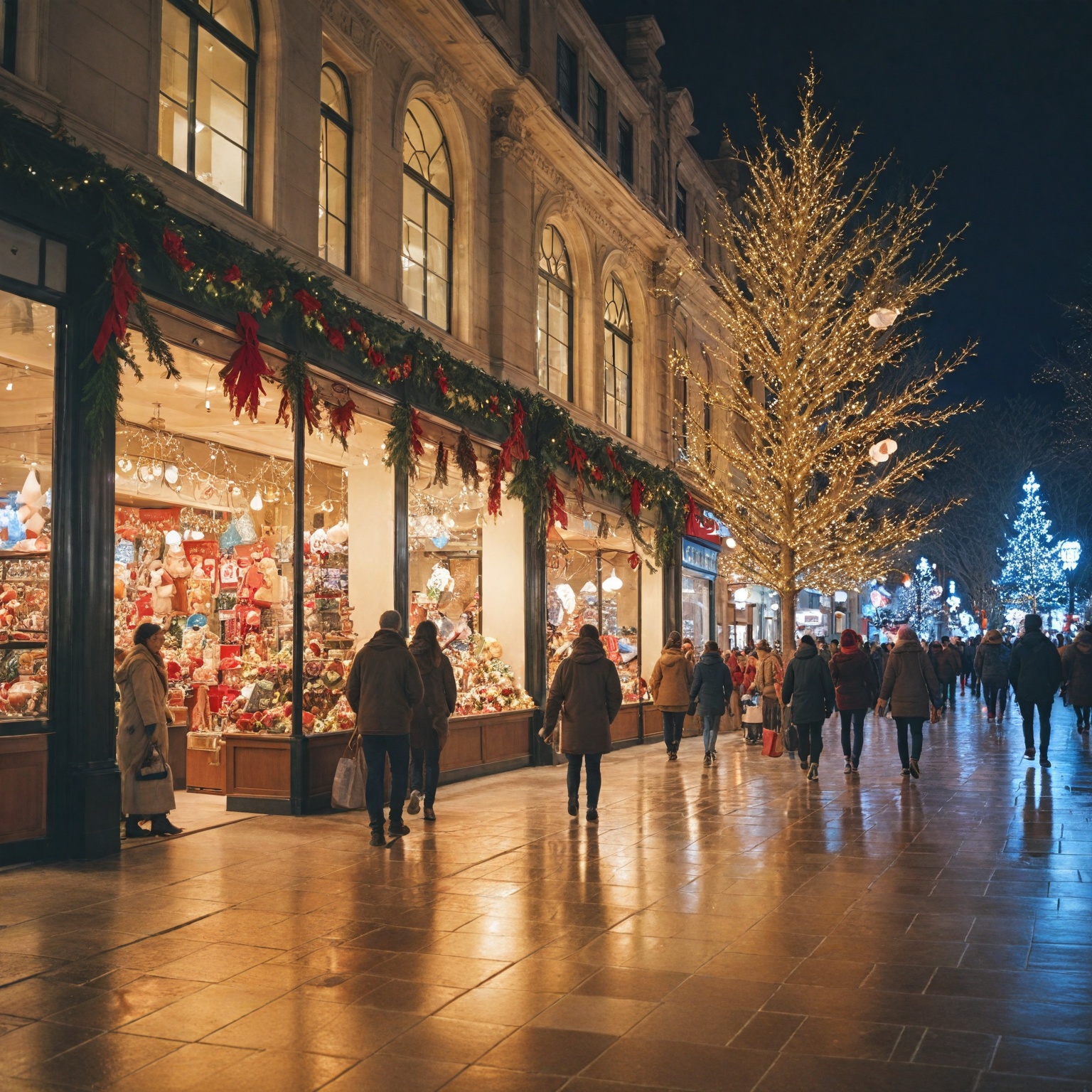
Highlights
- Discover how Christmas markets blend tradition with innovation and ethical shopping in 2024.
- Experience the festive atmosphere while supporting sustainability and local artisans at these vibrant markets.
Summary
What You Need to Know About Holiday Shopping at Christmas Markets This Year offers a comprehensive overview of the evolving landscape of Christmas markets and holiday shopping trends in 2024. Rooted in medieval European traditions, Christmas markets have grown into globally celebrated events that blend festive culture, artisanal craftsmanship, and seasonal commerce. This article examines their historical origins, regional variations, key features, and the current dynamics shaping the holiday shopping experience at these markets, including economic, technological, and ethical considerations.
Christmas markets remain notable for their unique atmosphere of twinkling lights, handcrafted gifts, and traditional seasonal foods such as mulled wine and gingerbread, attracting millions of visitors worldwide. In 2024, these markets continue to thrive despite challenges posed by shortened shopping seasons, economic uncertainty, and heightened safety concerns. Retailers are increasingly integrating innovations like artificial intelligence and social commerce to enhance customer engagement, while consumers demonstrate a “choiceful” approach, balancing spending with budget mindfulness.
This year’s markets also reflect growing emphasis on sustainability and inclusivity, with vendors offering environmentally friendly products, vegan and gender-neutral options, and curated artisanal goods that support local economies and diverse cultural expressions. At the same time, safety and health remain priorities amid ongoing public health protocols and security measures, influencing market operations and visitor experiences across many regions.
Looking ahead, the intersection of traditional festive charm with technological advancement and ethical consumerism is poised to shape the future of holiday shopping. As Christmas markets continue to adapt, they remain vital cultural and economic fixtures that celebrate community, creativity, and the spirit of the season.
History of Christmas Markets
The origins of Christmas markets trace back to medieval Europe, particularly within the German-speaking regions and the former Holy Roman Empire. These early markets began as late medieval sales fairs and one-day markets, providing citizens the opportunity to purchase meat and winter necessities at the onset of the cold season. The tradition evolved over time, with the first true Christmas market often cited as Dresden’s Striezelmarkt, which was first held in 1434, although earlier “December markets” also existed. While street vending around the holidays dates back several centuries, the Christmas market as it is known today is a relatively modern development. Historian Joseph Perry notes that despite the perception of these markets as an ancient tradition, their current form largely stems from 19th-century commercial and cultural influences. The concept of giving gifts specifically on December 25 rather than on saints’ days such as December 6 is generally attributed to Martin Luther, the 16th-century German Protestant reformer. Luther’s teachings encouraged the birth of Christ as the appropriate occasion for gift-giving, which helped popularize Christmas markets during the Reformation era.
In the 20th century, the tradition experienced both decline and revival. By the 1920s, Christmas markets in some cities, such as Berlin, had diminished significantly. However, the Nazi regime in the 1930s reinstated the Berlin Christmas market, relocating it to the city center and utilizing it as a symbol of German nationalism and propaganda. This revival led to record attendance figures, with up to two million visitors in the mid-1930s.
Today, Christmas markets are widespread and global, with thousands held annually across Europe—from large cities like Vienna and Prague to smaller alpine and coastal towns. Markets vary in style, ranging from traditional wooden chalets offering seasonal foods and gifts to elaborate, theme park-like settings such as Copenhagen’s Tivoli Gardens. Beyond Germany and Austria, notable markets also flourish in Swiss cities like Zürich, Basel, and Bern, in the Alsace region of France, northern Italy, and increasingly in other parts of Europe including Zagreb, Edinburgh, and Helsinki. This rich history combines medieval mercantile roots with modern commercial culture and festive nostalgia, making Christmas markets a beloved holiday tradition worldwide.
Regional Variations in Christmas Markets
Christmas markets, while originating primarily in Germany during the Late Middle Ages, have evolved into a widespread tradition with distinct regional characteristics across Europe and beyond. In German-speaking countries such as Germany, Austria, and Switzerland, these markets—often called Christkindlmarkt or Weihnachtsmarkt—feature traditional open-air stalls offering seasonal foods, handcrafted decorations, and warm beverages, accompanied by singing and dancing. For example, the Nuremberg Christkindlesmarkt is renowned worldwide for its authentic German holiday atmosphere, featuring gingerbread cookies and handmade ornaments.
In Austria, cities like Vienna, Salzburg, Innsbruck, Linz, and Graz host famous Christmas markets that combine local crafts and culinary specialties, contributing significantly to the festive cultural calendar. Switzerland boasts several notable markets, with Zürich hosting the largest, while Basel and Bern are known for their intimate and colorful settings.
France’s Alsace region, including Strasbourg and Colmar, features markets that blend Germanic traditions with French flair, often spread across multiple locations with wooden chalet stalls selling mulled wine and holiday decorations. Northern Italy, particularly in regions such as Trento and the Dolomites, also embraces the custom with markets that emphasize local handicrafts like woodcarving and regional food specialties, reflecting a centuries-old tradition of festive fairs.
Elsewhere in Europe, Christmas markets have gained popularity in cities ranging from Zagreb to Copenhagen, Edinburgh to Prague, and Gdańsk to Helsinki, each adding local cultural elements to the traditional format. For example, Copenhagen’s Tivoli Gardens transforms into an elaborate Christmas theme park, blending the festive market with entertainment.
Outside Europe, the concept of Christmas markets has been adapted and expanded, particularly in North America, where markets often adopt the German term Christkindlmarket and serve as major winter events in cities like Chicago and New York. These markets contribute to the local winter economy by attracting tourists, creating seasonal jobs, and boosting sales for local businesses.
Features of Christmas Markets
Christmas markets, held annually in numerous cities worldwide, are vibrant festive events characterized by their open-air stalls selling a wide array of gifts, seasonal treats, and hot beverages. These markets often feature ornate light displays, decorations, and live performances that contribute to a warm and celebratory holiday atmosphere. Visitors can expect to find handcrafted items such as wooden ornaments, nativity scenes, lavish wreaths, and aromatic candles displayed across numerous decorated stalls.
A key feature of these markets is their blend of traditional and cultural offerings. For example, markets in Alsace, France, and Riga, Latvia, are known for their local specialties and affordability, attracting both domestic and international tourists. Typical festive foods include Kinderpunsch (a non-alcoholic punch), Glühwein (mulled wine), Baumstriezel (Hungarian pastry), Kartoffelpuffer (potato pancakes), Lángos (deep-fried dough), Stollen (fruit bread), roasted chestnuts, and gingerbread varieties like Lebkuchen. The quintessential Christmas market drink remains hot mulled wine, spiced with cinnamon, cloves, and citrus fruits, a staple throughout European markets.
Beyond food and decorations, many markets offer unique artisanal goods such as handmade jewelry, including necklaces, earrings, and bracelets, which make for excellent souvenirs due to their uniqueness and portability. The markets often encourage direct interactions with individual vendors, enhancing the shopping experience by supporting small-scale artisans. Furthermore, some Christmas markets include traditional festive activities like ice skating rinks, light and sound shows, and fairground rides, as seen in markets such as Brussels Winter Wonders in Belgium and the Basel Christmas Market in Switzerland.
The markets also tend to showcase diverse cultural and ethnic products, reflecting broader trends in holiday gifting and appealing to a wide range of visitors seeking meaningful and personalized gifts. Overall, Christmas markets combine a nostalgic appeal with cultural richness, making them a magnet for holiday shoppers and tourists alike, while providing significant seasonal economic benefits to host cities.
Holiday Shopping Experience in 2024
The 2024 holiday shopping season presents a dynamic blend of traditional festivities and modern retail trends, shaped by economic factors, technological advancements, and evolving consumer behaviors. Despite a shorter shopping window—only 27 days between Thanksgiving and Christmas—consumers remain eager and engaged, with nearly 60% starting their holiday shopping as early as October or November.
Consumer Spending Trends
Holiday spending in the U.S. continues to grow steadily, with retail sales during the 2023 holiday season reaching a record $964.4 billion, marking a 3.8% increase over 2022. This aligns closely with long-term averages seen before the pandemic. However, economic concerns and inflation remain influential, prompting many shoppers to be more deliberate with their budgets. According to TD Bank’s 2024 Consumer Spending Index, 30% of consumers are cutting back spending due to economic worries, while 42% have reprioritized their finances over the past year. As a result, discounts remain the top motivator for holiday purchases, with half of shoppers rating them as the most influential factor. This careful yet resilient spending behavior is often described as “choiceful,” reflecting thoughtful but persistent consumer engagement.
Retail and Technological Innovations
Retailers are increasingly leveraging artificial intelligence (AI) and personalized marketing to optimize the shopping experience. AI-driven insights help brands maximize return on investment during the season by enhancing personalization and targeting. Social commerce and agentic commerce—where consumers can shop directly through chatbots like ChatGPT—are emerging trends that meet shoppers where they are and may define the future of holiday shopping.
Mobile optimization remains critical, with payment options such as Apple Pay, Google Pay, and Shop Pay gaining importance in providing seamless checkout experiences. Additionally, the trend of self-gifting is growing, particularly among younger generations, with 61% of shoppers likely to buy gifts for themselves alongside presents for others.
Christmas Markets and Festive Experiences
Traditional Christmas markets continue to offer a unique and immersive shopping experience, attracting both local and international visitors. These markets are known for their festive ambiance, including twinkling lights, live music, and specialty foods like mulled wine (Glühwein), candied almonds, and traditional gingerbread treats such as Lebkuchen. Markets like the Original Farmers Market at The Grove in Los Angeles provide a longstanding festive atmosphere combining food, crafts, and holiday cheer.
Vendors often feature handmade goods such as jewelry, pottery, and culturally significant items that celebrate diverse traditions and lifestyles, reflecting a growing emphasis on inclusive and niche markets for 2025. These events not only support local artisans but also stimulate seasonal tourism and boost the economy through their cultural offerings and unique shopping opportunities.
Outlook for 2025 and Beyond
Looking ahead, the integration of AI and social commerce technologies is expected to further transform holiday shopping, potentially ushering in the first AI-driven Black Friday. Sustainability and culturally diverse product offerings will continue to gain traction, aligning with broader consumer values. Meanwhile, retailers will need to balance innovative digital strategies with the traditional charm and community feel of Christmas markets to meet evolving consumer expectations.
Visitor Experience and Special Events
Christmas markets offer visitors a magical and immersive holiday experience characterized by festive lights, aromatic scents of mulled wine, and a wide array of unique gifts and treats. These markets typically feature open-air stalls adorned with ornate decorations and vibrant lighting, creating a warm and nostalgic atmosphere that appeals to both local residents and international tourists alike. Shoppers can find handcrafted items such as Eastern European folk art, hand-painted ornaments, and fair trade ceramics, often sold directly by the artisans themselves, providing a special and authentic purchasing experience.
Special events enhance the visitor experience at many markets. For example, the Highmark Light Up Night includes a traditional tree lighting ceremony, live music performances, and fireworks, alongside charming wooden chalets offering diverse local and international products. Similarly, the Brussels Winter Wonders festival features light and sound shows, ice skating, and fairground rides, while Basel’s Christmas Market boasts around 200 decorated stalls selling seasonal treats and handcrafted decorations. These events not only enrich the festive ambiance but also encourage social gathering and community participation.
In addition to traditional offerings, Christmas markets are increasingly embracing inclusive and niche trends to cater to diverse cultural and lifestyle preferences. Vegan, plant-based, and gender-neutral products are becoming prominent, reflecting a broader shift toward sustainability and conscious consumption in the holiday shopping scene. Retailers often use targeted promotions and social media offers to engage visitors and encourage self-purchases, enhancing the overall shopping experience.
Food also plays a central role in the visitor experience, with numerous stands offering tempting seasonal specialties that complement the festive atmosphere and provide opportunities for visitors to savor holiday flavors while shopping. Overall, Christmas markets combine cultural festivities, artisanal craftsmanship, and seasonal entertainment to create a cherished and economically beneficial holiday tradition.
Economic Impact
Christmas markets continue to play a significant role in local economies, contributing substantial revenue and supporting various sectors. For instance, in the UK, the value generated by such markets is estimated to exceed £200 million annually, with strategic initiatives like the extension of Blackpool’s iconic Illuminations in late 2022 successfully boosting visitor numbers and footfall. This highlights the importance of festive events in driving economic activity during the holiday season.
The broader retail landscape benefits from increased consumer spending linked to holiday shopping, particularly in areas such as grocery and travel sectors. Retail sales during this period are also closely tied to supply chain operations, including shipping and distribution, which see elevated demand and revenue. Additionally, rising interest rates have positively impacted the credit card industry, further influencing holiday spending patterns.
Seasonal employment trends reflect the ongoing optimism among businesses regarding consumer spending and economic growth. Although the number of seasonal job postings has seen only a modest year-over-year increase of 2.7%, job seeker interest in seasonal roles surged by 27% and remains well above pre-pandemic levels. Nonetheless, the availability of seasonal work may be more limited compared to recent years, as only a small fraction of postings explicitly indicate urgent hiring.
Environmental and Ethical Considerations
Sustainability has become a dominant trend in holiday shopping for 2025, with increasing consumer demand for durable, environmentally friendly materials and energy-efficient products. Research and innovation in the Christmas market sector are focusing on developing smart lighting solutions that are both energy-saving and aligned with these sustainability preferences. This shift reflects a broader movement towards ethical consumption, where shoppers seek out products that are vegan, plant-based, or gender-neutral, catering to diverse cultural and lifestyle values.
Collaborations between brands, influencers, and designers are also shaping unique product ranges tailored to niche markets, further promoting ethical and sustainable options within holiday offerings. Such efforts support the growing trend of mindful shopping during festive seasons, where environmental impact and social responsibility are increasingly prioritized by consumers.
Moreover, the experiential aspect of holiday markets is evolving to include sustainability-focused initiatives. This is exemplified by companies like Airbnb, which have embraced eco-conscious tourism through curated “experiential stays” such as treehouses and farm stays, showing a 37% booking increase since 2019. While geopolitical instability affects tourism flows in some regions, the emphasis on sustainability continues to influence consumer behavior during the holiday season.
In sum, environmental and ethical considerations are integral to the modern Christmas market experience, guiding both product innovation and consumer choices toward more sustainable and inclusive practices.
Safety and Health Considerations
Safety and health remain paramount concerns for visitors to Christmas markets this year, influenced by a combination of ongoing public health measures and heightened security protocols. The COVID-19 pandemic accelerated changes in consumer behavior, including a preference for online shopping to minimize physical contact, which led to a significant increase in e-commerce sales of holiday-related products. However, the return to in-person events such as Christmas markets
The content is provided by Blake Sterling, Gear Shift Zone