What You Need to Know About Cleaning Positions in Educational Facilities for 2025
Highlights
- Cleaning roles are vital for maintaining safe and hygienic educational environments for all.
- Investing in professional development ensures effective cleaning practices and compliance with industry standards.
Summary
Cleaning positions in educational facilities are essential roles focused on maintaining safe, hygienic, and functional environments for students, staff, and visitors. These positions include custodians, cleaners, and janitorial service providers who perform tasks such as sweeping, mopping, disinfecting high-touch surfaces, waste management, and restocking supplies to ensure daily readiness of classrooms, restrooms, offices, and communal areas. Their work significantly contributes to reducing illness transmission and fostering a positive atmosphere conducive to learning and teaching.
In 2025, these roles face evolving demands shaped by heightened health and safety standards, including adherence to federal and state regulations such as OSHA guidelines and the use of EPA-registered disinfectants. The ongoing challenges of staffing shortages and budget constraints have heightened operational pressures, impacting the ability of schools to maintain consistent cleaning coverage. Additionally, increased focus on environmental sustainability has accelerated the adoption of green cleaning products and practices, aiming to improve indoor air quality while minimizing ecological impact.
Professional development and standardized protocols play a critical role in enhancing the quality and consistency of cleaning services in schools. Industry frameworks like the ISSA Clean Standard: K-12 and the Cleaning Industry Management Standard (CIMS) provide guidance on effective cleaning methodologies, training, and performance evaluation, ensuring that staff are equipped with current knowledge and skills. Technological advancements and improved communication strategies within facilities teams are also emerging trends that support operational efficiency and responsiveness.
Despite their crucial contribution to educational environments, cleaning positions often remain underrecognized, compounded by workforce shortages and funding limitations. These challenges, alongside evolving regulatory and environmental expectations, underscore the importance of strategic staffing, training, and resource management to uphold hygiene standards and protect the health of school communities in 2025 and beyond.
Overview of Cleaning Positions in Educational Facilities
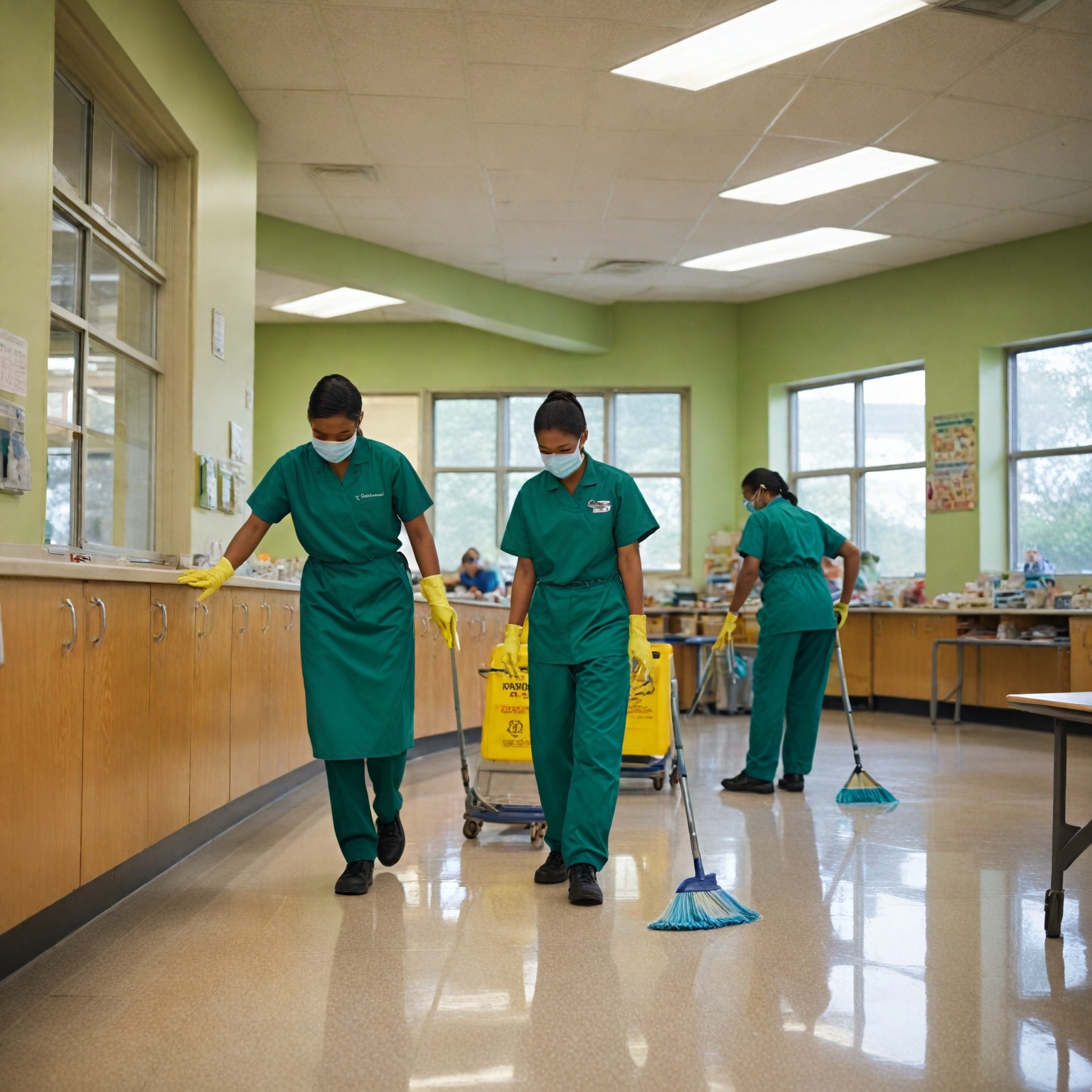
Cleaning positions in educational facilities, such as schools, play a crucial role in maintaining a safe, hygienic, and functional environment for students, staff, and visitors. These roles primarily focus on ensuring cleanliness and sanitation across various school areas including classrooms, corridors, offices, bathrooms, and communal spaces. The daily tasks typically involve sweeping, mopping, vacuuming carpets, dusting surfaces, disinfecting high-touch areas, managing waste disposal, and restocking cleaning supplies to prepare the facility for daily use.
Although formal qualifications are not always mandatory for school cleaning positions, a strong commitment to maintaining a clean and hygienic environment is essential. Cleaners usually begin their shifts by inspecting the premises to identify areas requiring immediate attention, thus ensuring that the learning environment remains clutter-free and sanitary throughout the day.
School cleaners, often referred to simply as cleaners or cleaning staff, are indispensable to educational institutions. Beyond routine cleaning, they contribute significantly to the overall safety and health standards within schools. Their work helps reduce the spread of illnesses and promotes a positive atmosphere conducive to learning and teaching. In some cases, experienced cleaners may also assist in training new staff on proper cleaning procedures and protocols, highlighting their role in maintaining consistent quality standards across the facility.
These unsung heroes of the educational environment are vital to the smooth operation of schools, exemplifying dedication through their often behind-the-scenes work that supports the wellbeing of the entire school community.
Types of Cleaning Positions
Cleaning positions in educational facilities encompass a variety of roles, each focused on maintaining a clean, safe, and healthy environment for students, staff, and visitors. The primary positions include custodians, cleaners, and professional janitorial service providers, all of whom play distinct but complementary roles in school maintenance.
Custodians are essential staff members responsible for ensuring that classrooms, restrooms, shared areas, and high-touch surfaces are regularly cleaned and disinfected according to established protocols. They receive ongoing training to adhere to specific cleaning standards aimed at promoting hygiene and safety within the facility. In addition to routine cleaning tasks, custodians assist in preparing facilities for classroom activities and help address maintenance concerns, often collaborating with teachers and the facilities team to maintain a functional learning environment.
Cleaners, sometimes referred to as school cleaners, perform routine cleaning duties such as sweeping floors, cleaning surfaces, maintaining restrooms, and waste disposal. Their work ensures sanitary conditions throughout the school premises, which is crucial for reducing the spread of germs and illnesses. Cleaners typically require a high school diploma or equivalent and are expected to maintain professional and courteous interactions with school occupants.
Professional janitorial services offer another layer of support, often hired to supplement in-house staff. These services bring specialized expertise and resources, utilizing the latest cleaning products and techniques to create a thoroughly sanitized environment. They help schools save on time and management resources while ensuring high cleaning standards across classrooms, hallways, bathrooms, and locker rooms. Their involvement provides peace of mind that cleaning is conducted properly and efficiently.
To maintain consistency and thoroughness, cleaning staff often follow detailed checklists that outline step-by-step procedures, required materials, and task frequencies. These checklists help reduce the likelihood of critical cleaning tasks being overlooked and improve overall cleaning efficiency. Throughout the past years, custodial and cleaning staff have been recognized for their frontline role in preventing the spread of COVID-19, highlighting the importance of their work within educational settings.
Job Responsibilities and Duties
Cleaners in educational facilities are tasked with maintaining cleanliness and hygiene across various areas to ensure a safe and sanitary environment for students, staff, and visitors. Their primary responsibilities include cleaning guest units and public areas, such as classrooms, hallways, restrooms, and common spaces, by performing routine tasks like sweeping, mopping, dusting, and waste disposal. They are often required to clean and disinfect surfaces daily, including floors, tables, door handles, toilets, sinks, and fixtures, to minimize the spread of germs and bacteria.
In addition to routine cleaning, school cleaners may follow a regular cleaning schedule that includes deep cleaning throughout the premises at least once a month, emphasizing the use of non-toxic and EPA-registered disinfectants to ensure both staff safety and effective sanitation. Cleaners often work early mornings, after school hours, or during other off-peak times to prepare the facility for the next day’s use, sometimes restocking supplies as part of their duties.
Professional janitorial staff in educational settings may also collaborate with teachers, caretakers, and facilities teams to address specific cleaning or maintenance issues promptly, supporting a functional and healthy learning environment. Cross-training and flexibility are key components of these roles, enabling staff to manage various tasks and adapt to changing priorities or emergency situations such as spills or accidents.
Furthermore, adherence to occupational safety and health standards is essential, with OSHA guidelines informing the safe handling of cleaning chemicals, use of personal protective equipment, and sanitation practices designed to protect employees from workplace hazards. Industry organizations like ISSA advocate for ongoing professional development and training to equip cleaning personnel with the latest techniques and technologies that enhance safety, sustainability, and efficiency in educational facility cleaning.
Key skills for individuals in these positions include commercial cleaning expertise, the ability to clean floors, windows, bathrooms, and ventilation systems, as well as proficiency in operating cleaning equipment such as vacuum cleaners. Overall, school cleaners play a crucial role in maintaining the cleanliness and safety standards essential to a productive educational environment.
Required Skills and Qualifications
Educational requirements for cleaning positions in educational facilities typically include a high school diploma or equivalent, such as a GED. While formal education beyond this is generally minimal, having prior experience in custodial or janitorial work is considered beneficial. Entry-level positions may offer training to candidates who lack professional experience, particularly in general services, streets, and utilities.
Key skills for these roles involve a variety of cleaning tasks such as building floor maintenance, bathroom sanitation, window cleaning, and ventilation system upkeep. Additionally, competencies in commercial cleaning practices and customer service are valued, especially in environments where interaction with students and staff occurs regularly.
Certification can enhance a cleaner’s qualifications and may include credentials like the EPA Amusement Operators Safety Certification, Certified Medical Office Manager (CMOM), and Nationally Certified Medical Office Assistant (NCMOA). These certifications reflect a cleaner’s commitment to safety and professionalism within the industry.
To ensure quality and consistency in school cleaning, standards such as the ISSA Clean Standard: K-12 have been developed. This consensus-based framework applies specifically to both public and private K-12 schools and includes methodologies for objectively measuring cleaning effectiveness to promote a safe and healthy environment for students and staff. Industry organizations like the Cleaning Management Institute (CMI), the education division of ISSA, provide training and certification programs to help cleaners and managers improve their skills and maintain high service standards.
Health and Safety Regulations and Guidelines in 2025
In 2025, maintaining health and safety standards in educational facilities is governed by a combination of federal, state, and local regulations designed to protect both staff and students. Cleaning personnel in schools must comply with various guidelines related to sanitation, chemical handling, personal protective equipment (PPE), and disinfection practices to minimize exposure to hazardous substances and ensure hygienic environments.
The Occupational Safety and Health Administration (OSHA) plays a central role in enforcing workplace cleanliness and safety standards. These regulations mandate proper use of PPE, safe handling of cleaning chemicals, and thorough documentation of cleaning activities. Compliance requires trained staff and certified cleaning companies that understand and implement current industry standards effectively. Additionally, specific training on donning and doffing PPE correctly is essential to prevent contamination or injury.
State-level agencies also influence cleaning protocols in schools. For example, the New Jersey Department of Education and Public Employees Occupational Safety and Health (PEOSH) enforce rules on custodial training, sanitation of high-contact surfaces, ventilation hygiene, and outbreak control. Although not all states provide a list of approved cleaning products, schools are still held accountable for selecting EPA-registered, greener cleaning agents that meet safety and efficacy standards, with proper documentation of their use. Many states have adopted policies addressing green cleaning, chemical management, indoor air quality, and integrated pest management, which collectively establish benchmarks for healthy school environments.
Schools are encouraged to follow federal and state guidelines regarding disinfectant use, including the selection of EPA-registered products appropriate for the pathogens likely to be encountered. Since California’s Department of Pesticide Regulation (DPR) maintains separate lists and health risk summaries, school districts in that state should consult both federal and state resources to ensure compliance. Special considerations apply in facilities housing childcare centers or special education classrooms, which may require additional sanitizing or disinfection measures based on contamination levels.
Beyond regulatory compliance, schools should implement robust cleaning checklists that specify procedures, required materials, and cleaning frequencies. These checklists improve efficiency and accountability, particularly when integrated with communication between teachers, custodial staff, and administrators. Training on spill response and incident protocols further supports maintaining safe and clean environments.
Ultimately, adherence to these health and safety regulations not only safeguards the well-being of all facility occupants but also elevates organizational credibility and trust. Standards such as the Cleaning Industry Management Standard (CIMS) offer frameworks for quality cleaning service management that schools can adopt to uphold hygiene excellence.
Training, Evaluation, and Monitoring of Cleaning Staff
Effective training, evaluation, and monitoring are critical components in maintaining high standards of cleanliness in educational facilities. Cleaning staff often receive entry-level training designed to build foundational skills, especially for candidates lacking prior professional experience in general services and facility maintenance. Additionally, specialized training programs aligned with recognized frameworks such as the Cleaning Industry Management Standard (CIMS) help ensure that cleaning protocols are both comprehensive and consistently applied.
To facilitate ongoing professional development, some programs offer distance learning options targeted at cleaning supervisors and managers, enabling them to acquire the necessary skills for overseeing cleaning operations and managing teams efficiently. Industry stakeholders anticipate the development of tailored education and training initiatives specifically designed to implement the Clean Standard: K-12, which will support cleaning staff in school environments nationwide.
Evaluation and quality control mechanisms play a vital role in maintaining cleaning standards. Proper documentation, regular inspections, and certifications are essential for meeting industry-specific requirements, protecting the health of occupants, and fostering trust among clients, staff, and the school community. Custom cleaning plans based on each school’s unique size, layout, and needs are recommended, with accountability measures involving coordination between teachers, administrators, and cleaning personnel to optimize outcomes.
Cross-training custodial staff to handle a variety of tasks and adapt to shifting priorities enhances operational flexibility and contributes to the overall success of cleaning programs. Moreover, employing trained staff or outsourcing cleaning services to professional companies can streamline scheduling and ensure customized cleaning plans that align with specific facility needs and budgets, often resulting in cost savings rather than increases.
Maintaining a professional and courteous demeanor while collaborating with other school personnel such as teachers and caretakers further supports a safe and functional learning environment. In summary, a strategic approach combining comprehensive training, ongoing evaluation, and flexible monitoring ensures that cleaning staff are well-prepared to meet the evolving demands of educational facilities in 2025 and beyond.
Employment Status, Wages, and Benefits
Employment in cleaning positions within educational facilities for 2025 is characterized by a notable shortage of staff, with many vacancies remaining unfilled. This staffing challenge has been highlighted by industry leaders, emphasizing that maintaining adequate staffing levels is critical for effective facility management. The ongoing shortage has led some districts to repurpose allocated funding when qualified candidates cannot be found to fill vacancies.
Wages for custodial roles in educational settings vary moderately across regions, with an estimated national pay range in the United States from approximately $40,884 at the 25th percentile to $73,424 at the 75th percentile annually. Despite regional differences, the variation in average salary among the top-paying cities is relatively small, with only about a 7% difference between cities like Green River, Wyoming and San Jose, California, indicating limited potential for significant wage advancement based solely on location.
Employment in these roles generally requires a high school diploma or equivalent and often values custodial or cleaning experience in educational environments such as universities, colleges, or school systems. In addition to regular cleaning duties, employees are expected to maintain positive working relationships with coworkers and the public while exercising good judgment in their tasks.
Benefits in custodial positions may include access to training on the proper use and handling of cleaning and disinfecting products, personal protective equipment (PPE), and safety protocols essential for maintaining a healthy and safe environment for students and staff. Cross-training and flexibility in managing diverse tasks and adapting to changing schedules are increasingly important components of these positions, supporting both career growth and operational success.
Working Conditions and Physical Demands
Cleaning positions in educational facilities require employees to perform a variety of physically demanding tasks, often involving extended periods of standing and moving throughout the school grounds. These roles include sweeping, mopping, dusting, waste removal, and the operation of cleaning equipment such as vacuum cleaners. Workers typically manage their duties during early mornings or after school hours to ensure the environment is clean and ready for use.
Good physical fitness is essential due to the need for sustained activity and handling of heavy equipment and materials. Employees are expected to maintain high standards of hygiene and cleanliness, which requires perseverance and attention to detail to ensure no areas are overlooked. Time management skills are also critical, as custodial staff must prioritize cleaning tasks in classrooms, hallways, and common areas according to urgency and scheduled needs.
Work hours for these positions generally range between 20 to 25 hours per week, often arranged in daily and weekly schedules to cover all necessary areas effectively. Flexibility and cross-training enable custodial staff to adapt to changing priorities and undertake various responsibilities as needed. Compliance with background checks and safety protocols, including the use of personal protective equipment (PPE), is mandatory to ensure the safety of both staff and facility occupants.
In addition to routine cleaning
Trends and Innovations Influencing Cleaning Positions in 2025
Cleaning positions in educational facilities are evolving due to new trends and innovations that emphasize environmental sustainability, enhanced health standards, and technological integration. One prominent development is the shift towards green cleaning products. These eco-friendly alternatives reduce environmental impact while improving indoor air quality and minimizing health risks for students, staff, and visitors. Schools are encouraged to research and select effective green products, educate staff on their proper use, and communicate these initiatives to foster environmental awareness within the community.
Another important trend is the refinement of cleaning standards and protocols. Custodial staff in schools are now expected to follow clearly defined guidelines that include routine cleaning and disinfecting of classrooms, restrooms, shared areas, and high-touch surfaces. Ongoing training is provided to ensure these standards maintain a safe and healthy environment for all occupants. This approach aligns with the heightened attention to sanitation due to public health concerns, encouraging a shared responsibility model where teachers, administrators, and other staff also contribute to maintaining cleanliness in shared spaces without detracting from their core duties.
Technological advancements are beginning to influence communication and coordination within school maintenance teams. While internal messaging platforms like Slack are not yet widely adopted in educational settings, they are anticipated to become standard tools over the next decade, enabling instant communication among custodial and facilities staff to address cleaning and maintenance needs efficiently.
Furthermore, industry organizations such as ISSA are playing a critical role by providing professional development, educational resources, and highlighting emerging cleaning technologies that prepare the workforce for future demands in facility maintenance. These efforts support the adoption of modern practices and the use of effective disinfectants and sanitizers that meet rigorous standards for eliminating bacteria and viruses commonly found in school environments.
Finally, collaborative efforts between custodial staff and school personnel contribute to a culture of hygiene and responsibility. When students observe their environment being well-maintained, it encourages pride and respect for shared spaces. Partnerships with professional cleaning services can enhance this dynamic by ensuring thorough sanitation, especially in high-usage areas. Collectively, these trends and innovations are shaping the future of cleaning positions in educational facilities, making them more sustainable, health-focused, and integrated with technology by 2025.
Scheduling Practices and Operational Strategies
Scheduling cleaning operations in educational facilities requires a flexible and adaptive approach due to the varying needs of different campus areas. For example, the cleaning demands in college or university housing differ significantly from those in K-12 programs or recreational facilities, making scheduling complex and necessitating the use of flexible schedules, overtime, and substitute custodians to meet these challenges effectively.
Outsourcing cleaning tasks to professional commercial cleaning companies can help streamline scheduling and operational management. Such companies handle everything from scheduling to creating customized cleaning plans tailored to the facility’s specific requirements and budget constraints. This approach not only improves efficiency but can also result in cost savings, countering the misconception that outsourcing increases expenses.
Operational strategies must also consider the ongoing budget constraints faced by educational institutions, especially with recent uncertainties in federal funding. Facility operations teams often struggle to maintain essential services while lacking resources to invest in advanced cleaning technologies, adequate supplies, and competitive staff compensation. Thus, driving efficiency within operational budgets while ensuring high-quality cleaning is crucial for sustaining safe and sanitary environments.
Moreover, clear and detailed cleaning procedures are essential components of effective operations. Procedures should specify what items require wiping, the timing of cleanings, and important safety reminders. Including accountability steps involving both teachers and administrators can further optimize cleaning checklists and ensure adherence to established protocols.
Collaborative efforts among cleaning staff contribute to consistent and efficient cleaning outcomes. Maintaining professionalism and courtesy in interactions with clients, tenants, or occupants also supports positive operational environments. Additionally, ongoing training programs are vital to equip cleaning staff with updated knowledge of new cleaning technologies, safety regulations, and best practices in cleaning management. Such training helps overcome language barriers and promotes consistency in cleaning standards across educational facilities.
Finally, proper documentation, regular inspections, and maintaining certifications are key strategies for operational compliance with industry standards. Employing trained and certified cleaning personnel not only ensures that cleaning tasks are executed correctly but also reinforces institutional commitments to safety, quality, and trust among clients and employees.
Challenges and Considerations
Educational facilities face a variety of challenges and considerations in managing cleaning positions effectively in 2025. One of the primary challenges is staffing shortages, which have been reported as a significant concern. Approximately 15 percent of the custodial workforce remains unfilled in some districts, prompting aggressive recruitment efforts to address the gap. These shortages can lead to increased workload on existing staff and may affect the quality of cleaning services provided.
Budget constraints also present ongoing difficulties for operations teams. Many educational institutions are dealing with federal budget freezes and limited operational budgets, making it challenging to invest in cleaning technologies, supplies, and competitive staff compensation. These financial limitations restrict the ability to improve efficiency and maintain high-quality cleaning standards.
Another critical consideration is compliance with health and safety regulations. Organizations must adhere to guidelines set forth by agencies such as OSHA, which regulate workplace cleanliness, chemical handling, PPE usage, and disinfection practices to protect employees and occupants from hazards. Additionally, state-specific enforcement, like that by the New Jersey Department of Education and PEOSH, requires custodial staff to receive proper training on sanitation, ventilation hygiene, and outbreak control while using EPA-registered cleaning products that meet safety and efficacy standards.
Proper training and cross-training of custodial staff are essential for maintaining facility safety and adaptability. Training includes the availability of hazard information, safe handling of cleaning products, correct dilution and storage methods, and understanding the specific needs of different rooms or populations, such as age considerations in schools. Cross-training enhances flexibility, allowing staff to manage diverse tasks and adjust to changing schedules or priorities.
Maintaining high standards of cleanliness also demands attention to detail, good communication, time management, and physical fitness from custodial workers. These skills ensure thorough cleaning without leaving areas unhygienic, facilitate collaboration among team members, and support the physical demands of the job. Prompt reporting of any observed safety hazards is also a crucial responsibility.
Finally, the complexities surrounding teacher and staff shortages can indirectly impact cleaning operations. In some cases, underprepared or uncertified teachers are hired, and incomplete vacancy data from many states complicates workforce planning, which may extend to custodial staffing challenges. Together, these factors highlight the multifaceted nature of managing cleaning positions in educational settings and the need for strategic approaches to overcome these challenges in 2025.
Future Outlook and Expected Developments
The future of cleaning positions in educational facilities is poised for significant advancements driven by evolving standards, training programs, and environmental considerations. One key development is the increasing adoption of green cleaning products, which not only reduce environmental impact but also enhance indoor air quality and decrease health risks for students, staff, and visitors. Facilities are encouraged to research and implement eco-friendly cleaning solutions while educating their staff and school communities about the benefits and proper usage of these products.
Ongoing education and training remain critical components for maintaining high cleaning standards. Industry organizations such as ISSA are actively promoting education and certification programs tailored to all career levels in the cleaning profession. These programs aim to equip custodial staff with updated knowledge on cleaning technologies, safety regulations, and management best practices, thereby improving overall facility cleanliness and safety. Moreover, the development of specialized training programs aligned with new cleaning standards, such as the Clean Standard: K-12, is anticipated to help schools and industry partners effectively implement consistent and high-quality cleaning protocols nationwide.
Another important trend is the enhanced scheduling and documentation of custodial staffing and vacancy data, which enables school districts to better understand workforce needs and allocate resources efficiently. For example, some districts have begun collecting detailed vacancy information, including reasons for position turnover, to improve hiring strategies and maintain adequate cleaning coverage throughout the school year.
Finally, structured cleaning procedures incorporating clear guidelines and accountability measures between school staff and administrators are becoming increasingly common. These procedures outline critical cleaning tasks, frequency, and safety protocols to ensure a clean and hygienic environment. Such systematic approaches, supported by recognized frameworks like the Cleaning Industry Management Standard (CIMS), help build trust among parents, staff, and students that effective cleaning practices are consistently followed.
Together, these developments suggest a future in which cleaning positions in educational facilities will be more professionalized, environmentally conscious, and supported by comprehensive training and standardized protocols, ultimately contributing to healthier and safer learning environments.
The content is provided by Blake Sterling, Gear Shift Zone