What to Know About Glucose Monitoring Smartwatches and Their Growing Popularity
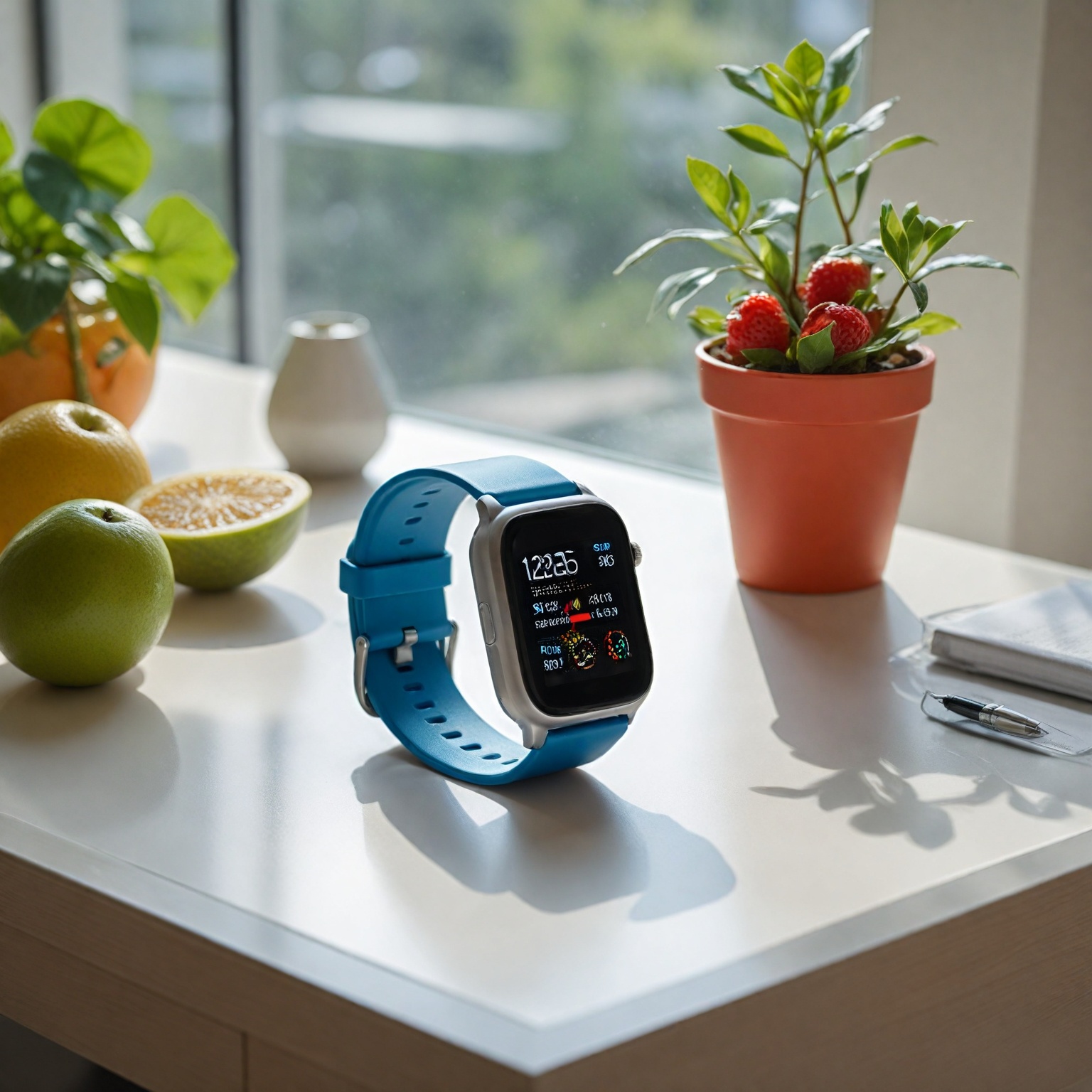
Highlights
- Glucose monitoring smartwatches offer innovative, noninvasive diabetes management tools for improved health outcomes.
- Ongoing advancements and regulatory approvals could lead to a breakthrough in smart glucose tracking.
Summary
Glucose monitoring smartwatches are an emerging class of wearable health devices designed to noninvasively and continuously track blood glucose levels, offering potential benefits for diabetes management and general health monitoring. These devices typically integrate advanced sensor technologies—such as electrochemical, optical, and radiofrequency sensors—to estimate glucose concentrations through the skin or interstitial fluid, aiming to reduce the need for traditional invasive methods like finger-pricking or implanted sensors. By combining glucose monitoring with features like heart rate tracking, sleep analysis, and physical activity measurement, smartwatches provide a convenient, multifunctional platform that supports comprehensive diabetes care.
Despite growing consumer interest and early-stage commercial developments, fully integrated glucose-monitoring smartwatches remain limited, with most current models relying on connectivity to external continuous glucose monitoring (CGM) systems rather than directly measuring glucose levels themselves. Moreover, noninvasive glucose sensing technologies face significant technical challenges, including sensor sensitivity, accuracy, power management, and calibration requirements, which have so far hindered widespread clinical adoption. The U.S. Food and Drug Administration (FDA) has not approved any smartwatch for direct glucose monitoring and has issued warnings against unverified devices that claim noninvasive blood glucose measurement, underscoring concerns about accuracy and patient safety.
Ongoing research and development efforts focus on overcoming these challenges through innovations in sensor design, energy harvesting, wireless communication, and data processing, including the application of artificial intelligence to enhance measurement reliability and personalized diabetes management. Future smartwatches may offer real-time, continuous glucose monitoring integrated seamlessly with other health metrics, enabling improved glycemic control and proactive interventions. However, robust clinical validation and regulatory approval remain necessary before these technologies can become standard tools for diabetes care.
As the market for wearable health technologies expands, glucose monitoring smartwatches represent a promising but still developing frontier in diabetes management, balancing convenience and innovation with the critical need for accuracy and safety. Their growing popularity reflects a broader trend toward digital health solutions that empower patients with more accessible and connected tools for chronic disease management.
Background
The evolution of glucose monitoring technologies has been significant over the past decade, driven by advancements in research and industry aiming to improve diabetes management. These technologies encompass invasive, minimally invasive, and non-invasive methods, each with its own benefits and challenges. Traditionally, glucose monitoring required invasive techniques such as finger-pricking to obtain blood samples. However, the increasing demand for convenient, continuous, and less intrusive monitoring has fueled the development of wearable devices, particularly smartwatches and smart bands, that incorporate various physiological sensors.
Modern smartwatches have transcended their original role as simple timekeeping devices to become sophisticated health monitoring tools. They now integrate advanced sensors capable of tracking activity-related metrics like sleep patterns, heart rate, blood pressure, and blood oxygen levels. This expanded functionality provides a promising platform for incorporating non-invasive glucose monitoring technologies, potentially enabling continual glucose tracking in a form factor familiar and comfortable to users. Indeed, recent innovations include highly integrated watches designed for noninvasive continual glucose monitoring that users report as comfortable and comparable to commercial smartwatches, with no significant skin irritation or discomfort during use.
Currently, most smartwatches compatible with glucose monitoring do not directly measure glucose levels themselves. Instead, they act as conduits, receiving glucose data from continuous glucose monitoring (CGM) sensors via smartphone applications. Popular smartwatch models such as the Apple Watch, Android Wear devices, Fitbit, and Samsung have been adapted to display CGM data, making glucose information more accessible to users without specialized diabetes devices.
Despite these advancements, non-invasive glucose monitoring using wearable devices still faces critical challenges. For instance, many devices lack Food and Drug Administration (FDA) approval and may require frequent recalibration to maintain accuracy. Additionally, the technology underlying glucose biosensors, often based on electrochemical measurements, must balance sensitivity and selectivity while striving for user-friendly, wearable designs. Some currently available devices are bulky and non-wearable, limiting their practicality.
The FDA has issued warnings regarding the use of smartwatches and smart rings that claim to measure blood glucose non-invasively, emphasizing the importance of accurate glucose monitoring for people living with diabetes and cautioning consumers about unproven technologies. Nevertheless, ongoing integration of electronic components, wireless communication, and energy harvesting technologies holds promise for overcoming current limitations. Future developments may also leverage artificial intelligence to refine diabetes management protocols based on continuous glucose data collected from wearable devices.
Glucose Monitoring Smartwatches
Glucose monitoring smartwatches represent an emerging technology designed to noninvasively and continuously track blood glucose levels, offering significant potential benefits for diabetes management and general health monitoring. These devices typically incorporate a range of sensor technologies, including electrochemical sensors, optical sensors, and radiofrequency or microwave sensors, to detect glucose levels through the skin or interstitial fluid (ISF) without the need for invasive blood sampling.
Most glucose monitoring smartwatches utilize electrochemical sensors that generate current by interacting with glucose in interstitial fluid, enabling continuous glucose monitoring (CGM) similar to traditional CGM systems but in a wearable format. These sensors are often integrated with flexible photovoltaic cells and rechargeable batteries embedded in the watch strap to provide self-powered operation, allowing real-time and continuous sweat glucose measurement and direct display of glucose readings on the watch face. Additionally, radiofrequency and microwave techniques measure changes in dielectric properties correlated with glucose concentration, providing a noninvasive means to estimate blood sugar levels through resonance frequency shifts in microwaves.
The development of such devices aims to overcome challenges traditionally associated with glucose monitoring, including the invasiveness of finger-prick tests and the discomfort of implanted sensors. While commercial continuous glucose monitors typically require sensor insertion under the skin and periodic calibration, some smartwatch designs strive for calibration-free or minimally calibrated systems to enhance usability and convenience. However, the accuracy and reliability of noninvasive smartwatch glucose sensors remain under investigation, with ongoing research focused on improving sensor sensitivity, detection limits, linearity, and power consumption.
Beyond glucose sensing, many smartwatches combine glucose monitoring with other health-tracking features such as heart rate monitoring, physical activity tracking, and sleep pattern analysis, supporting comprehensive diabetes management and lifestyle interventions. Several companies have developed proprietary mobile applications linked to these devices, offering functionalities like personalized meal planning, workout guidance, medication adherence alerts, and 24/7 diabetes coaching to assist users in managing their condition more effectively.
Although fully integrated, commercially available glucose-monitoring smartwatches remain limited, several prototypes and early-stage products have garnered attention. For instance, the K’Watch Glucose tracking watch launched in 2018 allows glucose measurement on demand by user interaction, though it does not provide continuous monitoring. Fitbit and other manufacturers have incorporated CGM connectivity into their smartwatch ecosystems, reflecting the growing consumer and clinical interest in integrating glucose monitoring within wearable technology platforms.
Safety, Accuracy, and Regulatory Concerns
The accuracy and safety of glucose monitoring smartwatches have become prominent issues as these devices gain popularity. While some smartwatches claim to offer noninvasive blood glucose monitoring through optical, electrochemical, or radiofrequency sensors, none have yet received approval from the U.S. Food and Drug Administration (FDA) for this purpose. The FDA has explicitly issued safety communications warning consumers against using smartwatches or smart rings that claim to measure blood glucose levels without piercing the skin, emphasizing that such devices have not been authorized or cleared by the agency.
The primary concern with unauthorized devices lies in their potential inaccuracies, which may lead to dangerous errors in diabetes management. For example, inaccurate glucose readings could cause patients to take incorrect doses of insulin or other glucose-lowering medications, potentially resulting in severe hypoglycemia, mental confusion, coma, or even death within hours of the error. Therefore, the FDA strongly advises patients and caregivers to rely solely on FDA-cleared diabetes management devices, such as traditional glucometers and continuous glucose monitors (CGMs), rather than nonapproved wearable devices.
CGMs, which typically involve a subcutaneous sensor that continuously measures interstitial glucose and updates readings every few minutes, have become the standard for convenient and reliable glucose monitoring. These devices have undergone rigorous evaluation and received FDA clearance, with some models approved for over-the-counter purchase without a healthcare provider’s involvement. Although CGMs are minimally invasive rather than completely noninvasive, they provide substantially more accurate and clinically validated glucose data compared to current smartwatch-based technologies.
Research into noninvasive glucose monitoring using smartwatches is ongoing, with some studies demonstrating promising accuracy improvements by filtering low-quality data and applying machine learning algorithms. For instance, a prototype smartwatch system achieved an 84.34% clinical accuracy rate in a small volunteer study, suggesting potential for future commercialization after further refinement and customization to individual factors such as age, gender, and physical activity. However, these developments remain in the experimental phase, and robust randomized controlled trials evaluating the clinical effectiveness of such technologies are still lacking.
The FDA actively monitors the market to identify and take action against manufacturers, distributors, and sellers who illegally market unauthorized glucose monitoring smartwatches and rings. The agency encourages consumers to report any adverse events or inaccurate readings associated with these devices through the MedWatch reporting system to enhance patient safety. Healthcare providers are also urged to educate patients on the risks of using unapproved glucose monitoring wearables and to recommend FDA-cleared devices to ensure safe and effective diabetes management.
Benefits and Impact on Diabetes Management
Smartwatches and related wearable technologies have increasingly become integral tools in the management of diabetes, offering significant benefits in monitoring and improving clinical outcomes. These devices assist in real-time tracking of blood glucose levels, medication adherence, and physical activity, all of which are critical components of effective diabetes management. By seamlessly interfacing with continuous glucose monitoring (CGM) systems, smartwatches enable patients to discreetly and frequently check their glucose levels, facilitating timely interventions and better glycemic control.
The visual display of goals and motivational feedback provided by smartwatches encourages patients to set and achieve specific daily, weekly, or monthly targets, thereby promoting sustained behavioral changes that positively affect health outcomes. Furthermore, wearable devices can synchronize data wirelessly with smartphones and cloud-based platforms, allowing for secure, real-time data sharing with healthcare providers. This connectivity enhances patient engagement and supports personalized care by enabling continuous monitoring and timely clinical decision-making.
Importantly, the use of digital health technologies such as flash glucose monitoring and mobile applications has shown promise in optimizing diabetes self-management, although research on their clinical impact remains limited. The integration of these technologies offers opportunities to improve long-term outcomes such as hemoglobin A1c (HbA1c) levels, reduce complications, and potentially decrease the progression of prediabetes to type 2 diabetes.
Efforts to make CGM devices more accessible, including over-the-counter availability, aim to promote equitable access to diabetes care and facilitate early detection and monitoring even in asymptomatic individuals or those without recognized risk factors. Overall, smartwatches and their connected technologies represent a growing and promising avenue for empowering patients, enhancing self-management, and improving clinical outcomes in diabetes care.
Engineering and Technical Challenges
The development of glucose monitoring smartwatches involves significant engineering and technical challenges that span sensor design, power management, data processing, and integration of wireless communication technologies. One core difficulty lies in creating noninvasive sensors capable of accurately detecting glucose levels through mediums such as sweat without piercing the skin, which requires highly sensitive electrochemical or optical sensing mechanisms with low limits of detection and a broad linearity range to ensure reliable measurement across physiological glucose concentrations.
Power consumption is another critical hurdle. Continuous glucose monitoring (CGM) devices demand long battery life while maintaining compact form factors suitable for wearables. Recent advancements have explored energy harvesting techniques, such as utilizing the glucose sensor itself as a supplementary power source during sleep modes, modular continuous power supply systems, and intelligent battery life management algorithms that adjust data transmission frequency based on remaining battery capacity. These approaches aim to prolong sensor lifetime and operational integrity without increasing device size or weight.
Data acquisition and wireless transmission also pose challenges related to minimizing energy waste and ensuring measurement integrity. Innovative methods reduce the frequency of confirming data receipt, instead checking selectively at longer intervals and requesting only missing data. This reduces processing loads and conserves power, which is essential for continuous monitoring devices operating on limited energy budgets. Additionally, integrating on-wafer characterization and microwave power amplifier design advances help optimize sensor signal processing circuits and improve overall system performance.
Furthermore, integrating the sensor, energy modules, and display units into a compact, user-friendly smartwatch platform involves multidisciplinary engineering efforts. This integration must ensure real-time and continuous monitoring while addressing challenges related to flexible photovoltaic cells, rechargeable battery incorporation, and customized circuit design within the constraints of wearable form factors.
Finally, the complexity of accurately interpreting sensor data through advanced statistical or machine learning techniques introduces further technical demands. Such processing is necessary to improve measurement accuracy, recognize user activities, and provide clinically meaningful glucose readings, especially given the variability in noninvasive sensor signals and the need to minimize false readings in real-world conditions.
Future Developments and Trends
Recent advancements in glucose monitoring technology have focused on integrating electronic components, wireless communication, and energy harvesting into wearable devices, particularly smartwatches, to enhance usability and continuous monitoring capabilities. Since the late 20th century, significant efforts have been directed toward developing non-invasive (NI) and minimally invasive (MI) glucose monitoring devices that eliminate the need for blood collection, addressing many limitations associated with traditional methods. These innovations aim to improve accuracy, usability, and home compatibility, which remain primary challenges in this field.
Smartwatches have emerged as promising platforms for glucose monitoring due to their widespread adoption and multifunctionality. They not only assist in tracking blood glucose levels but also provide alerts for medication adherence and physical activity targets, thereby supporting comprehensive diabetes management. The miniaturization of noninvasive interstitial fluid (ISF)-based glucose sensors into smartwatch form factors is expected to facilitate continual and real-time monitoring by consolidating physiological data such as sleep patterns, heart rate, blood pressure, and blood oxygen levels. This integration may lead to more holistic health monitoring and personalized diabetes care.
Technological innovations include the incorporation of electrochemical sensors that interact with interstitial fluid glucose to generate measurable currents, and radiofrequency or microwave techniques that assess dielectric properties for glucose detection. Future smartwatches are anticipated to combine self-powered energy modules, electrochemical sensing, and real-time signal processing/display into a single platform, enhancing the practicality and efficiency of glucose monitoring systems.
Moreover, the use of artificial intelligence (AI) and machine learning algorithms is becoming increasingly significant. For example, AI-powered smartwatches equipped with large language models can provide real-time coaching and personalized health advice, effectively acting as virtual trainers on the wrist. Data collected from wearable devices—including accelerometry (ACC), glucose levels (GL), and heart rate (HR)—are being leveraged to improve glucose regulation models and facilitate the development of artificial pancreas systems.
Despite these advances, regulatory hurdles and accuracy concerns remain. While many noninvasive devices are in development, no noninvasive glucose monitoring smartwatch has yet received full regulatory approval due to challenges in reliability and precision. Nonetheless, continuous glucose monitoring (CGM) systems like the Eversense E3 have gained approval, and their integration with smartwatches is paving the way for more comprehensive diabetes management ecosystems.
Market Trends and Growing Popularity
In recent years, the integration of smart technology into diabetes management has seen significant growth, particularly with the rising use of smartwatches for glucose monitoring and overall health tracking. These wearable devices offer the potential for continuous or near-continuous monitoring of blood glucose levels, medication adherence, and physical activity, providing a more holistic approach to diabetes care.
Despite this increasing interest, commercial success has been limited due to the substantial technical challenges in accurately measuring small fluctuations in glucose concentrations noninvasively through the skin. Advances in benchtop and wearable glucose monitoring technologies utilizing RF, microwave, and mmWave frequencies are ongoing
The content is provided by Blake Sterling, Gear Shift Zone