Highlights
- Botox has evolved from medical treatment to a popular cosmetic procedure among younger demographics.
- The projected global market for Botox could exceed USD 21 billion by 2030.
Summary
Botox, a purified form of botulinum toxin produced by Clostridium botulinum, is a widely used injectable treatment primarily known for its ability to reduce facial wrinkles and fine lines. Initially developed for medical conditions such as chronic migraines, muscle spasticity, and hyperhidrosis, Botox’s cosmetic applications have grown significantly since the early 2000s, making it one of the most popular non-surgical aesthetic procedures worldwide. By temporarily relaxing targeted facial muscles, Botox smooths dynamic wrinkles caused by repetitive muscle contractions, providing a minimally invasive alternative to surgical rejuvenation techniques.
The treatment’s increasing popularity is driven by cultural shifts emphasizing youthful appearance, the influence of social media, and broader acceptance among younger demographics, including millennials and Generation Z who often use Botox preventively as part of their wellness routines. The COVID-19 pandemic further accelerated demand, as remote work and videoconferencing heightened self-awareness of facial aesthetics, leading to a notable rise in cosmetic procedures despite global challenges. In 2023 alone, approximately 2.5 million Botox treatments were performed in the United States, reflecting its entrenched role in contemporary beauty culture and the expanding global market projected to reach over USD 21 billion by 2030.
While Botox is generally considered safe when administered by qualified professionals, it carries potential side effects such as bruising, swelling, and muscle weakness, and requires careful patient evaluation and informed consent to minimize risks. Its effects are temporary, typically lasting several months, necessitating repeat treatments for sustained results. Moreover, regulatory standards and specialized training for providers ensure consistent safety and efficacy in clinical practice.
Botox’s versatility extends beyond cosmetic use, with approved medical applications including treatment of strabismus, cervical dystonia, and hyperhidrosis, contributing to its widespread therapeutic relevance. However, ongoing debates focus on issues such as accessibility, long-term effects, and the social implications of cosmetic normalization, underscoring the complexity surrounding its growing popularity.
History
Botulinum toxin, commonly known as Botox, was originally identified as a neurotoxin produced by the bacterium Clostridium botulinum and is classified into seven types, with types A and B being used clinically. Its medical applications began with therapeutic uses such as treating chronic migraine, spastic disorders, cervical dystonia, and detrusor hyperactivity. Over time, its cosmetic potential was recognized, particularly in dermatology, where Botox A became widely used to reduce facial wrinkles, elevate eyebrows, and address skin conditions like hyperhidrosis and acne vulgaris.
The adoption of Botox for cosmetic purposes gained momentum as societal emphasis on youthfulness increased, especially in urban and professional environments where maintaining a youthful appearance became culturally significant. This growing cultural valorization of beauty, amplified by social media and Western lifestyle influences, has extended the demand for Botox treatments beyond developed countries into emerging economies, fueled by rising disposable incomes and changing beauty standards.
In recent years, younger generations, particularly Americans in their 20s and 30s, have normalized Botox and similar treatments as preventive self-care measures rather than solely corrective procedures. The COVID-19 pandemic also influenced this trend, with factors such as increased videoconferencing, social distancing, and the appeal of private recovery contributing to a 10% rise in cosmetic procedures despite global challenges. This shift marks a significant evolution in how Botox is perceived and utilized, embedding it within broader wellness and aesthetic maintenance routines across diverse demographics.
Medical and Cosmetic Applications
Botox injections have become one of the most widely used non-surgical cosmetic procedures, primarily for the treatment of facial wrinkles. The neurotoxin botulinum toxin works by inhibiting the release of acetylcholine at the neuromuscular junction, leading to localized muscle relaxation that smooths the overlying skin and reduces the appearance of dynamic wrinkles caused by repetitive muscle contraction. This mechanism is effective in addressing common concerns such as glabellar frown lines, crow’s feet, smoker’s lines, marionette lines, and platysmal bands in the neck.
In addition to cosmetic indications, Botox is also approved and used medically for conditions such as strabismus, blepharospasm, cervical dystonia, hyperhidrosis, and synkinesis following facial surgery. Its versatility and safety profile have made it a foundational treatment in both aesthetic and therapeutic practices.
Cosmetically, Botox is often combined with dermal fillers like Radiesse, Sculptra, and Restylane to enhance facial rejuvenation results. While Botox relaxes overactive muscles to reduce wrinkles, fillers restore volume and fill in static wrinkles or scars. These treatments can be used synergistically, targeting different facial areas or complementary concerns for a more comprehensive aesthetic improvement.
Wrinkle treatments extend beyond injections to include resurfacing procedures such as chemical peels, microdermabrasion, and laser therapies, as well as topical agents like retinoids. Photographic documentation before and after treatment is recommended to objectively assess clinical effects, typically taken prior to treatment and again two weeks post-procedure when results become evident.
The popularity of Botox and fillers has surged, with Botox treatments increasing by over 50% and fillers by 75% since 2019. This rise is largely driven by younger generations, particularly millennials and Gen Z, who view these procedures as preventive and integral parts of their self-care and wellness routines. The COVID-19 pandemic also contributed to this growth, as increased videoconferencing, social distancing, and private recovery options created a favorable environment for cosmetic treatments.
Before undergoing Botox treatment, thorough patient evaluation is essential. This includes collecting basic client information, medical history, and emergency contact details to ensure safety and suitability for the procedure. Informed consent must be obtained after discussing potential benefits, risks, limitations, and alternative treatments with the patient.
Mechanism of Action
Botox works by inhibiting muscle contraction, which plays a central role in its ability to reduce facial wrinkles. When injected into targeted muscles, such as the masseter muscle of the jaw, Botox blocks the signals that cause muscle contraction. This paralysis prevents the muscle from pulling on the skin above it, thereby smoothing out wrinkles and fine lines. The reduction in muscle activity not only diminishes wrinkle formation but also causes the treated muscles to shrink and relax, contributing to its effectiveness in both cosmetic and medical applications.
However, the loss of muscle function can lead to a reduction in strength and power, as observed in muscles responsible for chewing. Continued high doses may result in muscle atrophy, though studies indicate that the muscles can regain their strength after a break from Botox treatment.
Procedure Details
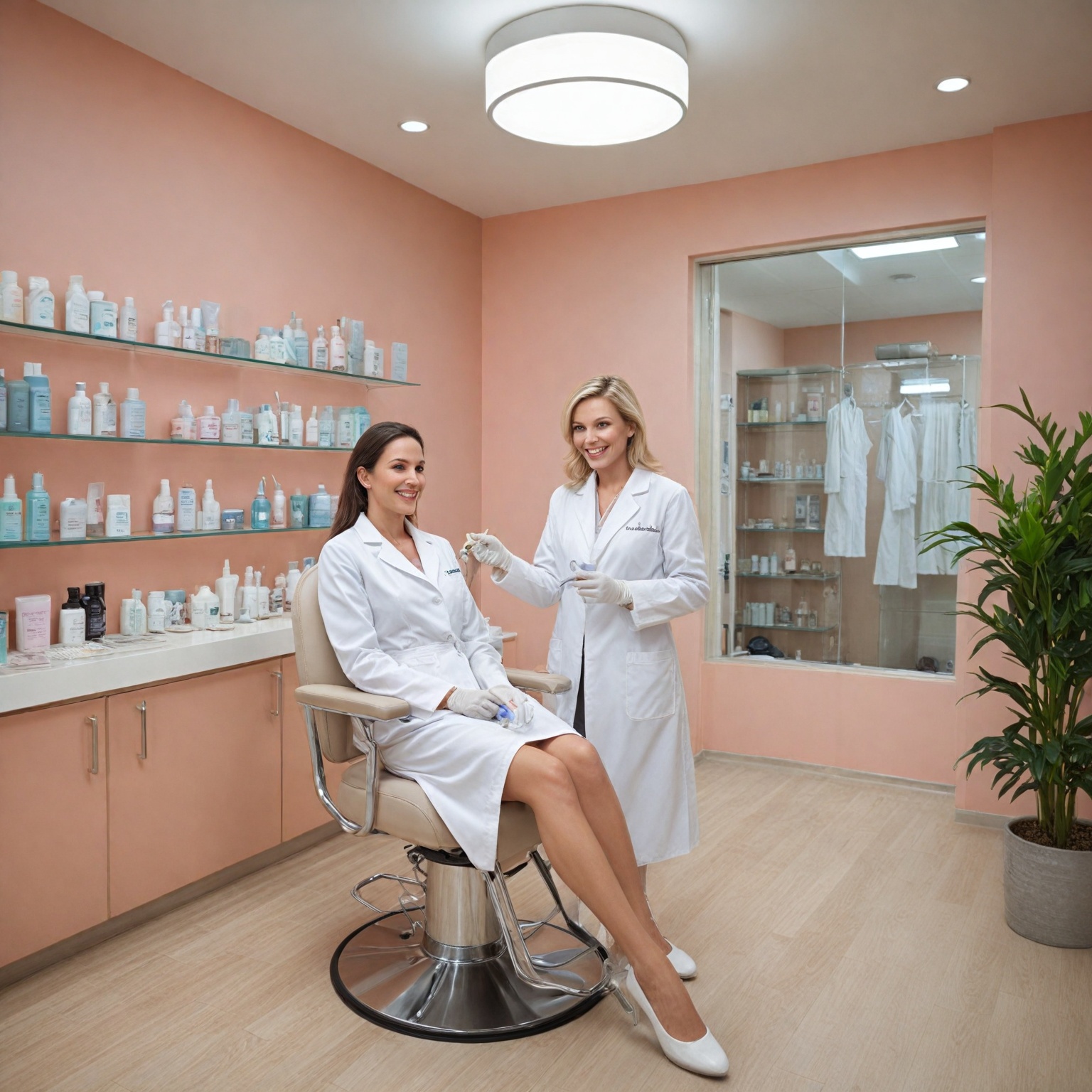
Botox treatment involves injecting small amounts of botulinum toxin into specific facial muscles to reduce the appearance of wrinkles and fine lines. The procedure is typically performed in a doctor’s office and takes only a few minutes to complete. Before the injections, basic client details such as the patient’s name and medical history are recorded to ensure accurate treatment.
During the procedure, the physician administers multiple small injections into targeted muscles, causing them to relax and thereby smoothing out wrinkles. The effects usually begin to appear within the first week after treatment. Since the results are temporary, the duration of correction varies among patients and cannot be guaranteed.
Patients are advised to discuss their current medications and supplements with their healthcare provider before undergoing Botox injections. Certain medications, including blood thinners like Warfarin® and nonsteroidal anti-inflammatory drugs (NSAIDs), can increase the risk of bruising at the injection sites. Alcohol consumption should also be avoided for 24 hours prior to the procedure to reduce redness and bruising.
Common temporary side effects include redness, swelling, and bruising at the injection sites. To allow these effects to subside, patients are recommended to schedule their appointments at least two weeks before any significant events or occasions. The treating physician assesses potential risks and advises on necessary precautions to ensure patient safety throughout the treatment process.
Benefits and Effectiveness
Botox treatment offers a range of benefits that contribute to its growing popularity in both cosmetic and therapeutic fields. One of the primary advantages is its cost-effectiveness. Compared to surgical alternatives, Botox is relatively affordable, making cosmetic enhancements accessible to a broader demographic. Additionally, Botox is highly versatile; it can be used not only to reduce wrinkles but also to address a variety of medical conditions such as chronic migraines, hyperhidrosis (excessive sweating), overactive bladder, and eyelid spasms.
Beyond its cosmetic applications, Botox’s therapeutic benefits continue to expand as scientific understanding of its mechanisms deepens. This has led to its adoption in diverse preventive and treatment strategies for several disorders, enhancing its utility beyond aesthetic purposes.
Moreover, the effectiveness of Botox can be further enhanced through well-designed client loyalty programs, which encourage repeat treatments and foster community engagement. For example, awarding points for each Botox procedure that can be redeemed for discounts on future treatments or skincare products helps maintain long-term client relationships and supports business growth.
Risks, Side Effects, and Safety
Botox treatment is generally considered a low-risk procedure when administered by a qualified professional, but understanding the potential risks and side effects is important before undergoing the injections. Common side effects include bruising, swelling, tenderness at the injection site, and headaches. These symptoms are usually mild and temporary. Increased bleeding and bruising may occur, especially in patients taking blood-thinning medications such as aspirin, ibuprofen, fish oil, or vitamin E supplements, which should be avoided prior to treatment to minimize these risks.
Although Botox has a well-established safety profile, it is essential that the injector thoroughly assesses the patient’s medical history to ensure suitability for the procedure and to identify any potential contraindications. Healthy individuals over 18 years old are typically ideal candidates, and treatments should produce subtle effects without drastically altering facial expressions or appearance. Patients should still be able to frown, smile, or look surprised naturally but with softened wrinkles and expression lines.
Both Botox and dermal fillers are operator-dependent procedures and share similar side effect profiles. However, Botox’s action on neuromuscular junctions leads to muscle relaxation, which reduces facial wrinkles without the need for invasive surgery. In rare cases, more unusual complications such as infections or lumps may occur, although these are more commonly associated with fillers rather than Botox. Should any adverse effects arise, antidotes and treatments exist to manage them effectively.
Ensuring patient safety also involves providing clear information about potential benefits, risks, limitations, and alternative treatments. Patients must receive appropriate disclosure and consent before treatment, and emergency contact information should be readily available in case of urgent issues during the procedure. Overall, Botox remains a popular and safe cosmetic option when proper precautions are taken and administered by experienced clinicians.
Popularity and Trends
The popularity of Botox as a cosmetic treatment has surged notably since the early 2000s, becoming a normalized and widely accepted procedure for wrinkle reduction and facial rejuvenation. Initially embraced primarily by women over the age of 40, Botox usage has expanded across various demographics, including an increasing number of male patients and younger adults. Although most Botox recipients remain over 40, about 20% of patients are under 40, reflecting a growing trend toward early preventive treatment.
Several societal and cultural factors drive this trend. The rising emphasis on youthful appearance in urban and professional environments compels many individuals to seek cosmetic enhancements to remain competitive and confident. The influence of social media and the widespread exposure to idealized youthful images amplify this pressure, contributing to increased demand across both developed and emerging markets. Additionally, phenomena such as “Zoom dysmorphia,” where heightened self-awareness during video calls leads to concerns about facial aesthetics, have prompted more people, particularly younger generations, to pursue Botox treatments.
The normalization of Botox is also linked to greater accessibility through telemedicine and more open public discourse in media and entertainment, which have demystified the procedure and encouraged broader acceptance. Younger patients, including millennials and Gen Z, increasingly view Botox as part of a holistic self-care and wellness routine, embracing ongoing aesthetic maintenance as a lifestyle choice rather than a one-time intervention.
From a market perspective, the global botulinum toxin market is projected to grow at a compound annual growth rate of 9.8% between 2024 and 2030, potentially reaching USD 21.1 billion by 2030. North America remains the dominant market, accounting for nearly half of the global share and generating billions in revenue annually, driven by high acceptance rates and regulatory support. In 2023 alone, approximately 2.5 million Botox procedures were performed in the United States, underscoring the treatment’s widespread popularity.
Seasonal promotions and strategic marketing efforts around holidays and special events have further contributed to sustaining and expanding Botox’s consumer base, encouraging both new and returning clients to engage with these cosmetic treatments. Collectively, these factors establish Botox as a central element of contemporary beauty culture and a rapidly growing segment within the aesthetic medical industry.
Regulatory, Training, and Certification Standards
Administering Botox injections requires adherence to strict regulatory and certification standards to ensure patient safety and treatment efficacy. Only licensed healthcare professionals such as physicians, physician assistants, dentists, dermatologists, and registered nurses are legally permitted to perform Botox treatments. These practitioners typically hold a minimum of a four-year bachelor’s degree in pre-medicine, biology, or a related science, with further education and clinical training depending on their specific career paths.
Before enrolling in a Botox certification course, medical professionals must complete extensive formal education and clinical preparation. Physicians generally obtain a medical degree (MD or DO) followed by residency training, while nurse practitioners, physician assistants, and registered nurses hold bachelor’s or master’s degrees and corresponding licensure. Certification programs for botulinum toxin administration involve both academic coursework and hands-on clinical training, covering essential topics such as neurophysiology, injection techniques, dosing, potential adverse reactions, safety precautions, patient consultation, and sterilization methods.
Many training programs combine instruction in Botox and dermal fillers to provide comprehensive facial esthetic skills. Such certification improves the provider’s credibility and enhances career prospects in medical spas, private practices, and aesthetic clinics. Additionally, some malpractice insurance providers require documented proof of training in cosmetic procedures, making certification advantageous beyond legal compliance.
Completion of accredited Botox training courses, along with the fulfillment of continuing education (CE/CME) credits, results in formal certification that signifies proficiency in the field. Due to prior anatomical knowledge, medical professionals often experience a short learning curve during specialized training programs like those offered by the American Academy of Facial Esthetics (AAFE). Overall, these regulatory and educational requirements are crucial for maintaining high standards in Botox treatment administration and ensuring patient safety.
Economic Impact and Market Analysis
The global botulinum toxin market, which includes products used for cosmetic and therapeutic purposes such as Botox, has exhibited significant growth and economic impact in recent years. In 2023, the market size was valued at approximately USD 11.1 billion and is projected to nearly double to USD 21.1 billion by 2030, reflecting a compound annual growth rate (CAGR) of 9.8% from 2024 to 2030. This growth is driven by increasing demand for aesthetic procedures, expanding regulatory approvals, and favorable government policies, particularly in developed regions.
North America remains the dominant region in the botulinum toxin market, accounting for 46.9% of the global market share in 2023. The U.S. alone is expected to reach a market value of USD 7.25 billion by 2025, supported by high acceptance rates and approximately 2.5 million Botox procedures performed in 2023. North America generated revenues of USD 6.46 billion in 2023 and is projected to increase to USD 6.95 billion in 2024, further underscoring the region’s leading position.
The market is primarily led by major pharmaceutical companies such as AbbVie Inc., which, through its Allergan Aesthetics division, holds the largest share. AbbVie’s success is attributed to its robust product portfolio, including market
Alternatives to Botox
In addition to Botox, several other treatment options are available for addressing wrinkles and facial aging, providing patients with a range of choices depending on their specific needs and preferences. One notable category of alternatives is dermal fillers, such as Radiesse, Sculptra, and Restylane. These fillers are designed to remove wrinkles and, in some cases, treat facial scars by adding volume beneath the skin, which contrasts with Botox’s mechanism of reducing muscle activity to smooth dynamic wrinkles.
Dermal fillers primarily target static wrinkles—those visible even when the face is at rest—while Botox is more effective on dynamic wrinkles caused by repeated muscle expressions over time. Due to their differing modes of action, Botox and dermal fillers are often used in combination to achieve a more comprehensive facial rejuvenation effect. For example, dermal fillers may be used to treat residual acne scarring or volume loss, while Botox addresses wrinkles on the forehead or around the eyes.
Beyond injectables, surgical alternatives exist but are generally more invasive and costly. Botox’s cost-effectiveness compared to surgical options has made it a more accessible choice for many individuals seeking cosmetic enhancement. However, patients looking for longer-lasting or more dramatic results may consider procedures such as facelifts or other surgical interventions.
It is important to note that the choice between Botox and its alternatives depends on individual circumstances, including the specific type of wrinkles, patient goals, and medical considerations. Consulting with a qualified healthcare provider can help determine the most appropriate treatment plan.