Unlocking the Secrets to Finding the Perfect Motorhome: Key Considerations for Buyers
Highlights
- Understanding motorhome classifications is essential for making informed purchase decisions.
- Upgrading security features protects your investment and enhances your ownership experience.
Summary
This guide offers essential insights for prospective motorhome buyers, covering motorhome classes, key features, and practical considerations. Motorhomes combine transportation and living spaces, classified mainly as Classes A, B, and C, each suited to different lifestyles. Important factors include size, floor plans, sleeping arrangements, storage, engine types, and comfort features such as slide-outs. Security vulnerabilities, especially with common CH751 locks, are highlighted with recommendations for upgrades. The guide stresses thorough inspections, test drives, and research to avoid common issues, alongside financial planning and insurance awareness, enabling buyers to make informed decisions aligned with their travel needs.
Motorhome Overview and Classifications
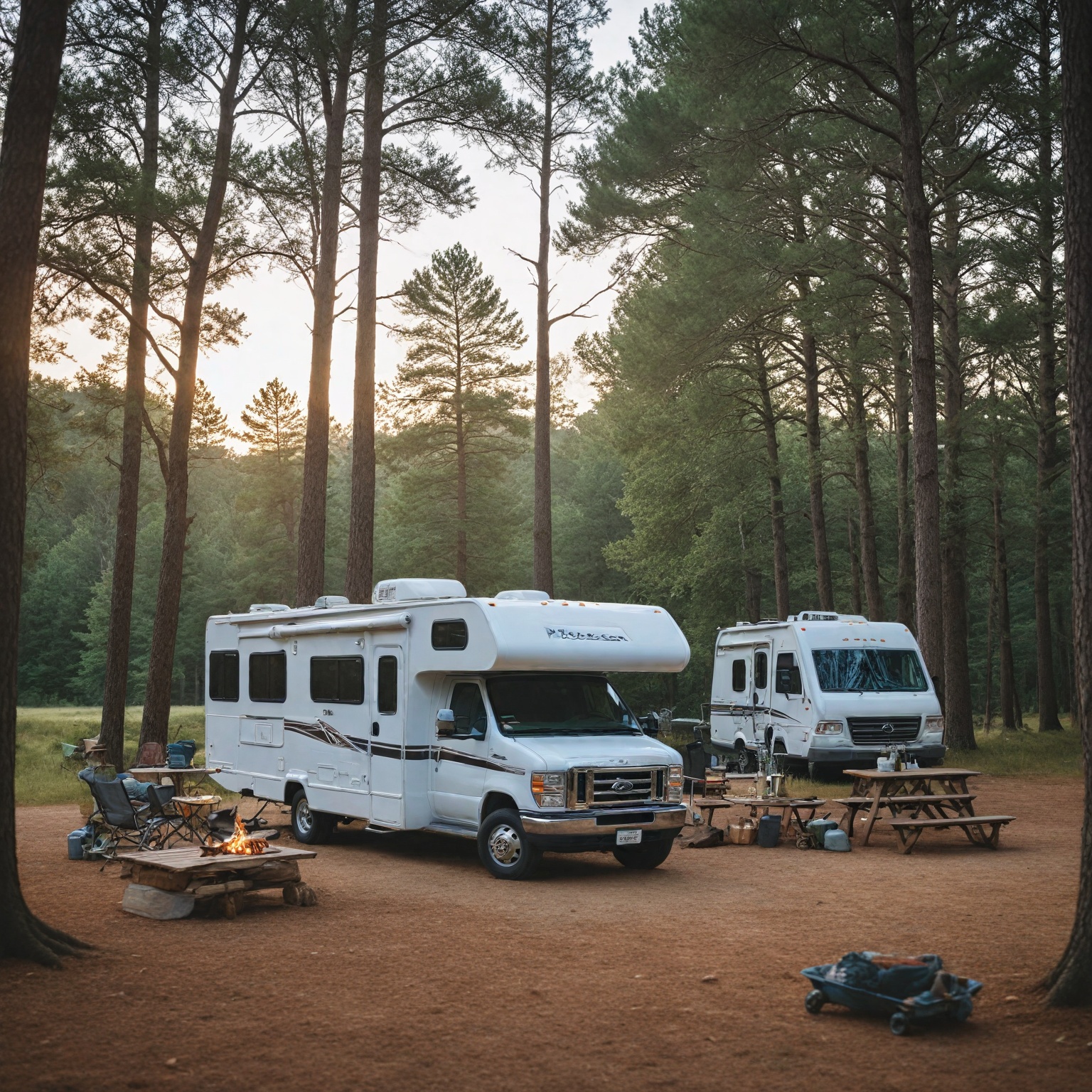
Motorhomes are self-propelled RVs combining transport and living quarters, commonly categorized into Class A, B, and C. Class A units are large, bus-like vehicles offering spacious, luxurious interiors, often with diesel engines for efficiency. Class B motorhomes, or campervans, are compact and easy to maneuver, suited for two to four occupants with basic amenities. Class C models balance size and maneuverability, recognizable by their cab-over bunk design, providing additional sleeping space for families.
Key Buying Considerations
Buyers should evaluate motorhome size, layout, and sleeping arrangements to suit their lifestyle and travel plans. Storage capacity and versatile floor plans enhance usability. Budgeting is crucial, with prices varying by class, features, and new or used status. Engine type affects maintenance and fuel economy choices between gasoline and diesel. Comfort features like slide-outs, power systems, and amenities improve travel experience. Practical factors include key availability, parking regulations, and drivability. Balancing these elements helps buyers find a motorhome that fits their needs.
Motorhome Security
Many motorhomes use CH751 locks, which share common keys easily available, posing security risks. Owners are advised to replace these with custom locks for better protection. Door locks vary from manual to automatic systems, with recommended upgrades such as the Milenco 4718 for enhanced security. Electronic security options include wireless cameras, motion sensors, and GPS trackers, which aid in theft prevention and recovery. Additional measures like wheel clamps and secure storage of spare keys further improve safety.
Purchasing Process
Choosing a motorhome requires research on models, layouts, and costs, with Class A being the largest and most costly. Timing purchases can yield better deals, often in late summer or fall. Used motorhomes demand thorough inspections to detect issues like water damage and mechanical faults, including tests of appliances and engine systems. Test drives help identify performance concerns. Considering security and ongoing maintenance costs is essential to ensure a satisfactory ownership experience.
Financing and Insurance
Motorhome purchases involve significant investment with options including cash, loans, and personal finance plans. Buyers should assess their financial capacity and explore suitable funding methods. Insurance policies may have specific requirements, such as key security conditions, which can affect claim eligibility. Understanding these terms is important to ensure adequate coverage and protection of the motorhome investment.
The content is provided by Blake Sterling, Gear Shift Zone