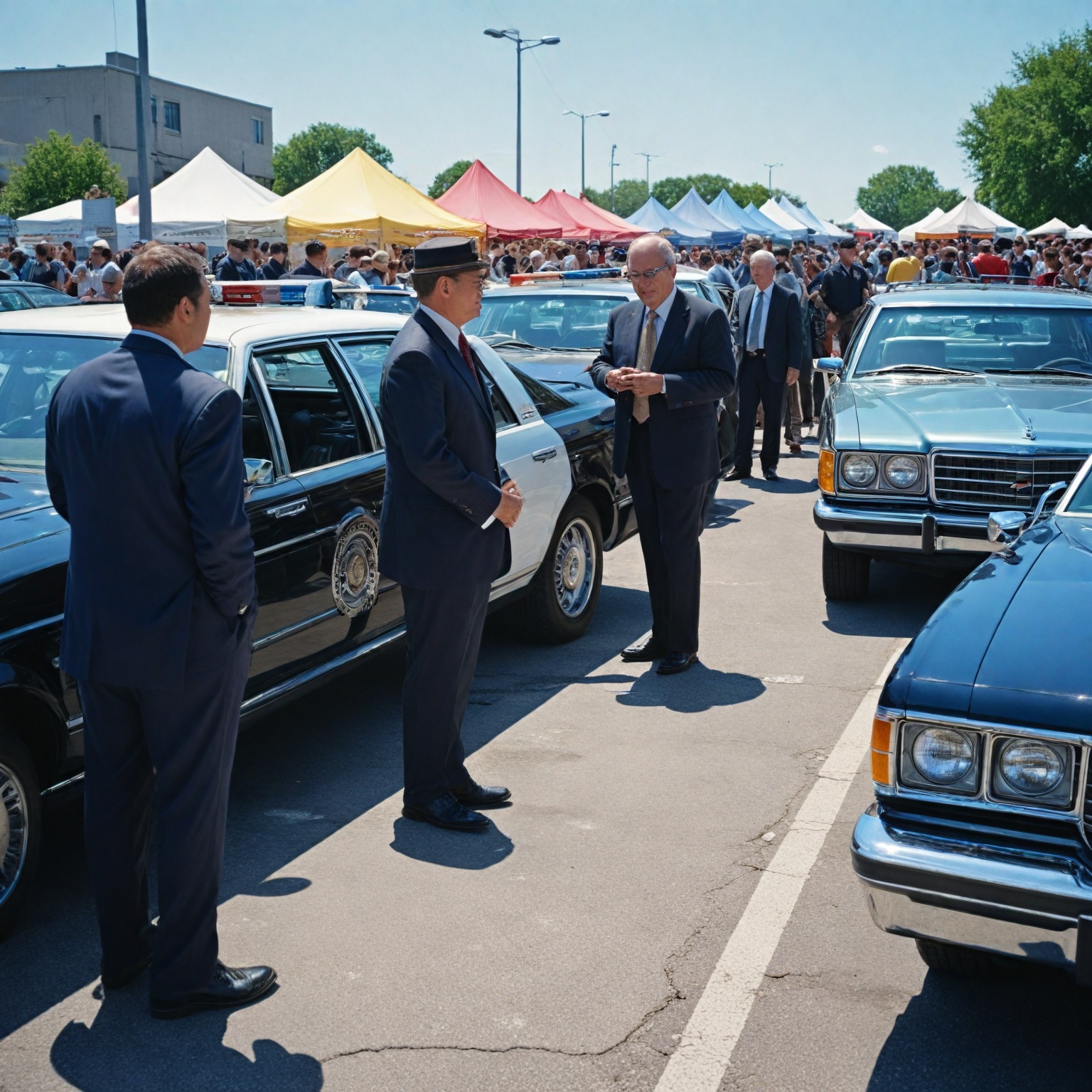
Highlights
- Discover how to navigate the complexities of buying police-seized vehicles at auctions.
- Learn essential tips to minimize risks and make informed purchasing decisions on seized cars.
Summary
Unlocking the Secrets: How to Buy Cars Seized by Police in 2025 is a comprehensive guide to understanding the legal, procedural, and practical aspects of purchasing vehicles seized by law enforcement agencies. Police have the authority to confiscate vehicles suspected of involvement in criminal activities or traffic violations, with the seized cars often eventually sold at public auctions. This topic has gained prominence due to the growing market for seized vehicles and the complex legal framework governing their forfeiture and sale across various jurisdictions in the United States.
The process begins with the seizure of a vehicle based on probable cause, followed by a legal forfeiture procedure that includes hearings where owners can contest the seizure. Once the vehicle is legally forfeited, law enforcement agencies typically sell these assets through auctions conducted online, in person, or by mail-in bids. Buyers must navigate specific auction rules, payment requirements, and limited warranties, as seized vehicles are sold “as-is,” often without detailed histories or guarantees of condition. The 2025 auction landscape features evolving formats and buyer demographics, with opportunities to purchase a diverse range of vehicles at below-market prices.
Despite the financial advantages, purchasing police-seized cars involves inherent risks. These vehicles may have undergone rigorous use, hidden damages, or modifications for police service, and their histories can be difficult to verify. Legal challenges surrounding civil asset forfeiture also add controversy to the process, with critics highlighting potential abuses and constitutional concerns, such as protections against excessive fines under the Eighth Amendment. Buyers are advised to conduct thorough inspections, understand legal responsibilities for titling and registration, and prepare for possible repair costs to make informed purchasing decisions.
This article further explores inspection techniques, auction best practices, market trends, and notable case studies from federal and local auctions. By demystifying the complexities of buying police-seized vehicles in 2025, it serves as an essential resource for prospective buyers seeking affordable transportation options while navigating a nuanced legal and auction environment.
Background
Police have the authority to seize vehicles for various reasons related to criminal activity and traffic offenses. Generally, a vehicle can be seized if law enforcement has probable cause to believe that the vehicle was used in connection with a crime, such as transporting drugs, involvement in a DUI offense, or fleeing from an officer. Probable cause requires a reasonable belief that a crime has been committed, and it is often established through sworn affidavits and relevant court orders.
Seizures may occur in situations where a vehicle is used as evidence in a criminal investigation, for example, as a getaway car in a robbery or as the vehicle involved in a shooting. In these cases, the vehicle is processed for forensic evidence before any disposition. Additionally, traffic-related offenses, especially impaired driving combined with prior violations or lack of proper licensing and insurance, can result in license suspensions and vehicle seizures to protect public safety.
The legal framework governing vehicle seizures varies by jurisdiction but often includes specific statutes such as the Florida Contraband Forfeiture Act, which outlines the procedures and requirements for seizure and notification of the vehicle owner. Owners must be informed through a Notice of Seizure, which includes their rights to contest the seizure in an adversarial preliminary hearing.
It is also important to note that vehicles seized by police are sometimes sold to the public. However, many cars branded as “police seized” may not have been involved in crimes but rather repossessed due to issues like non-payment of finance agreements. Police vehicles themselves also experience significant wear unrelated to mileage because of extensive idling, which can affect their condition when sold.
Certain exceptions to the warrant requirement exist, such as the “hot pursuit” rule, allowing officers to enter a property without a warrant if they are actively chasing a suspect. This underscores the complexity of vehicle seizure laws and the circumstances under which vehicles become subject to confiscation by law enforcement.
Legal Framework
Civil asset forfeiture laws provide law enforcement agencies the authority to seize property, including vehicles, suspected of being involved in criminal activity, often without requiring a conviction or even an accusation against the owner. In the United States, these laws are primarily governed at the state level, with additional federal statutes applying in certain circumstances. For example, in Florida, vehicle seizures fall under the Florida Contraband Forfeiture Act (Florida Statutes Chapter 932), which permits the seizure of vehicles believed to have been used in crimes such as DUI or drug trafficking.
To initiate a forfeiture, law enforcement must demonstrate probable cause that the vehicle was connected to illegal activity. After the seizure, the agency must provide the owner with a Notice of Seizure and inform them of their right to an adversarial preliminary hearing to contest the seizure. At this hearing, the seizing agency is required to prove probable cause, and if successful, the case proceeds to the forfeiture stage where the state must establish by clear and convincing evidence that the vehicle is subject to forfeiture.
The U.S. Supreme Court has imposed constitutional limits on civil asset forfeiture practices, particularly under the Eighth Amendment’s protection against excessive fines. This serves as a check against potential abuse by ensuring the value of the seized property is proportional to the offense involved. Despite these protections, critics highlight the controversial nature of forfeiture, noting that the practice generates millions of dollars in revenue for law enforcement agencies annually, often directly funding police budgets.
The forfeiture process can be lengthy, sometimes extending over several months depending on case complexity and court schedules. Owners are advised to seek experienced legal counsel promptly to navigate the process and protect their property rights effectively. Legal representation plays a crucial role in challenging forfeiture claims and potentially recovering seized vehicles.
Vehicle Seizure to Auction Process
Vehicles seized by police are typically confiscated during criminal investigations involving illegal activities such as drug trafficking, financial crimes, theft, or other offenses. The seizure process begins when law enforcement identifies probable cause to believe that a vehicle was used in connection with a crime. This determination is often supported by a search warrant, which requires a sworn affidavit specifying the property to be seized and judicial authorization. In some cases, vehicles carrying contraband may be searched without a warrant, provided there is probable cause.
Once a vehicle is seized, the seizing agency must initiate legal proceedings to justify the forfeiture. This involves a hearing where probable cause is established, followed by a forfeiture stage during which the state must prove by clear and convincing evidence that the vehicle is subject to forfeiture under applicable laws, such as the Florida Contraband Forfeiture Act in Florida. Throughout this process, the owner is entitled to receive a Notice of Seizure, which informs them of their right to contest the seizure in an adversarial preliminary hearing.
After the legal requirements are met and the case is closed, law enforcement agencies prepare to sell the seized vehicles through public auctions. These auctions may be conducted online, in person, or by mail-in bid, and can be organized directly by the federal or local agencies or through contracted auction companies. Vehicles sold at these auctions can include cars, trucks, motorcycles, and even boats that were confiscated during investigations.
Before the auction, a public inspection date is typically scheduled to allow prospective buyers to examine the vehicles, although test drives are generally prohibited. Buyers are advised to base their bids on visual inspections and available photographs, as the vehicles are sold “as is.” It is important to consider all associated costs such as the hammer price, buyer’s premium, fixed fees, transportation, taxes, and DMV charges when calculating the total purchase price.
Finally, strict deadlines are imposed for payment and removal of the purchased vehicles. Failure to meet these deadlines may result in additional storage fees that can diminish or eliminate the buyer’s profit margin. The auction process also includes efforts to improve data tracking and financial oversight to ensure transparency and efficiency in the disposition of seized and surplus assets by law enforcement agencies.
Auction Formats and Procedures in 2025
Auctions of vehicles seized by police and other federal agencies in 2025 are conducted through various formats, including online, in-person, and mail-in bids. The federal agency owning the vehicles may either conduct the auction themselves or contract an auction company to handle the sales. These auctions often feature a wide range of vehicles such as cars, motorcycles, motorhomes, vans, and more, all examined and listed for sale to the highest bidder in a manner similar to standard auctions.
To participate in these auctions, bidders must be at least 18 years old and possess a valid government-issued photo identification with a current address. Persons aged 16 and 17 may attend if accompanied by an adult legal guardian, but must also meet the identification requirements. Entry to the auction and bidding rights require registration, during which bidders receive a unique bidder number that must be used exclusively for placing bids. All vehicles are sold strictly “AS IS” without any warranty, and purchasers have no legal recourse against the selling entity regarding the condition of the vehicle.
Payment procedures are strictly enforced; bidders must pay in full at the auction site immediately after winning a vehicle. Accepted payment methods typically include cash, Discover Card, Visa, and MasterCard. Failure to complete payment by the designated time, often by the end of the auction or a specified cutoff such as 1:00 p.m., results in the voiding of the sale. Some auctions may waive sales tax if the buyer presents a valid resale certificate.
After purchase, buyers are responsible for obtaining the necessary title and registration paperwork, usually by visiting the appropriate local authority such as the License Commissioner. Vehicles must be removed from the auction site by legal means, which include temporary registration plates, towing, or use of dealer plates if applicable. It is recommended to seek auctions held in less crowded locations to avoid intense bidding competition that can drive prices higher.
In cases of disputed highest bids, the auction process is restarted for the affected vehicle. Moreover, auction officials or the Sheriff’s Office reserve the right to refuse bids or cancel sales at their discretion. Overall, seized vehicle auctions provide a unique opportunity for buyers to acquire vehicles at reduced prices, often due to the vehicles being impounded for various legal reasons such as seizures, unpaid fines, or abandonment.
Inspection and Evaluation of Police-Seized Vehicles
When considering the purchase of police-seized vehicles at auction, a thorough inspection and evaluation process is essential to determine the vehicle’s condition and value. These vehicles undergo a detailed examination by qualified experts before being listed for sale. Factors such as make, model, year of manufacture, and mechanical problems are all assessed to establish an estimated auction guide price.
Inspectors look for any surface or structural damage, including dents, rust, chipped paint, or missing paintwork, which can significantly affect the vehicle’s value. Such defects are noted and deducted from the overall worth during evaluation. Additionally, potential buyers should watch for signs of wear and tear unique to police vehicles, such as alterations in seating materials—police departments often replace cloth seats with hard-wearing vinyl fittings for durability, which are usually reverted before auction. Other subtle wear indicators may include abrasion marks caused by police officers’ utility belts.
Since police-seized vehicles are typically sold “as-is,” with limited warranties and minimal documentation about their history, it is crucial for buyers to conduct thorough inspections whenever possible. While some auctions allow physical examination or even test drives, many only permit visual inspection, requiring buyers to rely heavily on photos and preview windows. In such cases, checking for flood damage (e.g., staining under carpets or corrosion in electrical connectors), panel mismatches, warning lights, and the presence or absence of keys is vital to assess risk and transport logistics. Compression testing, examination for oil leaks, and clutch wear checks can provide further insight where inspection is permitted.
Buyers should also be aware that police vehicles may have undergone rigorous use, potentially resulting in greater mechanical strain than typical used cars. Nonetheless, enhancements made for police work can contribute to longer vehicle lifespan, though this must be balanced against the wear from their previous service. Overall, understanding the specific auction rules, performing detailed inspections when possible, and anticipating potential repair costs are key steps to making an informed bidding decision on police-seized vehicles.
Legal Considerations for Buyers
When purchasing vehicles seized by police, buyers must be aware of several important legal considerations to ensure a smooth and lawful transaction. Firstly, all vehicles sold at police auctions are typically sold “AS IS” with no warranty or guarantee of condition, meaning purchasers have no legal recourse against the selling agency or auctioneer for any issues with the vehicle after the sale. Buyers should therefore conduct thorough inspections and be prepared for potential repairs.
Title and registration procedures vary by jurisdiction but generally require the buyer to take possession of the vehicle along with any abandoned or limited paperwork provided at the auction. For example, in Mobile County, the winning bidder is responsible for applying for the vehicle title and registration at the License Commissioner’s office, and the Bill of Sale will be issued in the bidder’s name. In Maryland, buyers are advised to obtain a Maryland Salvage Title as other states may not accept the auction sales receipt for titling purposes, placing the onus on the buyer to ensure compliance with local motor vehicle laws.
Payment and removal deadlines are strictly enforced, with failure to pay or remove the vehicle within designated timeframes potentially resulting in forfeiture or additional storage fees that can negate any savings from the purchase. Accepted payment methods commonly include cash and major credit cards, and payment must often be completed on-site immediately following the auction.
Buyers should also consider the implications of civil asset forfeiture laws. While these laws allow authorities to seize property connected to criminal activity, they have been subject to legal challenges based on constitutional grounds, such as the Eighth Amendment protection against excessive fines. This may affect the availability or conditions of vehicles at auction.
Lastly, test drives and detailed vehicle history disclosures are rarely permitted at police auctions, limiting the buyer’s ability to verify condition beyond visual inspection and available documentation. Given these constraints, prospective buyers should thoroughly research auction rules, understand the legal responsibilities for titling and registration, and carefully evaluate the risks involved in purchasing seized vehicles.
Benefits and Risks of Purchasing Seized Vehicles
Purchasing vehicles seized by police can offer significant advantages, but it also involves certain risks that buyers should carefully consider.
Benefits
One of the main benefits of buying a seized vehicle at police auctions is the potential for substantial cost savings. These vehicles are often sold at prices significantly lower than those found at traditional dealerships or private sellers, as law enforcement agencies prioritize quick sales over profit. This presents an opportunity for buyers to acquire a variety of makes and models, including cars, bikes, motorhomes, and vans, often at bargain prices.
Additionally, many seized vehicles have been maintained to some extent during their service life. For example, decommissioned police cruisers, despite having been used intensively, are generally well-maintained and can provide reliable transportation compared to typical used cars. The auction process involves a thorough examination of the vehicles by qualified experts, who assess the make, model, age, and any mechanical or cosmetic damage to determine the auction guide price and provide detailed descriptions for bidders.
Risks
Despite these benefits, purchasing seized vehicles carries inherent risks. These cars are sold “as-is,” without warranties or guarantees, meaning buyers assume all responsibility for any repairs or issues that arise after the sale. Limited information is typically available about the vehicle’s history, and crucial details such as prior accidents may not be disclosed, as repairs performed on police vehicles often do not appear on standard vehicle history reports.
Vehicles seized by the police may require additional maintenance or repairs, and buyers should conduct thorough inspections or arrange for professional evaluations before bidding. Furthermore, buyers must be aware of additional costs such as taxes, title, registration fees, insurance, and potentially purchasing a separate warranty. Competition at auctions can also drive prices up or result in lost bids, particularly at popular or well-publicized events, so finding less competitive auctions may be advantageous.
In some cases, vehicles may have been seized due to involvement in criminal activity, which can add legal complexities or
Market Trends and Popular Vehicle Models in 2025
In 2025, the market for vehicles seized by police and sold at auctions continues to expand, driven by a growing interest in affordable transportation options and the variety of vehicles available. Auctions typically feature a wide range of vehicles including cars, trucks, motorcycles, motorhomes, and vans, reflecting diverse buyer preferences and needs. This broad selection allows bidders to find vehicles suited for personal, commercial, or recreational use.
A notable trend is the increasing availability of government-owned vehicles in prime condition, which often attract significant attention from buyers looking for reliable and well-maintained options. Additionally, buyers are advised to research auction listings ahead of time, as detailed vehicle information is usually posted a few days before the auction date, enabling more informed bidding decisions. This practice helps bidders target specific models that are popular or in demand within the current market.
Another key trend in 2025 is the preference for auctions held in less crowded or less popular locations. Such venues tend to have less competition, which can result in more favorable bidding outcomes and potentially lower prices. This has led some buyers to strategically seek out auctions beyond major urban centers to maximize their chances of securing desirable vehicles at reduced costs.
Popular vehicle models at police auctions in 2025 often include mid-range sedans, SUVs, and pickup trucks, which balance affordability with utility and comfort. These vehicles tend to be favored by both individual consumers and small business owners. While purchasing at these auctions can lead to significant savings compared to market prices, buyers must be mindful of variable vehicle conditions and histories, which can introduce risk.
Tips and Best Practices for Prospective Buyers
When considering purchasing a vehicle seized by the police, prospective buyers should be well-prepared to ensure a successful and worthwhile acquisition. First and foremost, it is crucial to conduct thorough inspections of the vehicles before placing any bids. Since these cars are sold in the exact condition they were seized, they may require additional repairs or maintenance. Using a set of tools to perform a quick inspection at the auction site can help identify potential issues and assess repair costs.
Understanding the auction process is also essential. Vehicles are typically sold to the highest bidder, but the auctioneer or the Sheriff’s Office retains the right to refuse bids or cancel sales at any time. In cases where there is a dispute over the highest bid, the bidding process may restart. Additionally, auctions may be conducted online, in person, or by mail-in bid, depending on the federal agency or contracted auction company managing the sale.
Payment procedures require immediate attention, as buyers must be prepared to pay for their winning bids promptly—often by the end of the auction and without leaving the premises. Accepted payment methods commonly include cash and major credit cards such as Discover, Visa, and MasterCard. It is important to note that failure to make payment on time can result in the sale being voided.
Prospective buyers should also be aware that limited information is available about the vehicles’ histories or conditions, which increases the risk factor. Unlike purchasing from dealerships or private sellers, police auction vehicles often come with minimal documentation. Buyers must factor in these uncertainties and be prepared for potential repairs after purchase.
Finally, logistical considerations such as the necessity of towing the purchased vehicle from the auction yard should be anticipated. Buyers should plan accordingly to transport their newly acquired vehicle safely and legally.
By carefully inspecting vehicles, understanding auction rules, preparing payment in advance, and anticipating post-purchase responsibilities, buyers can improve their chances of obtaining valuable vehicles at significantly lower prices than the market value.
Case Studies and Notable Auction Examples
Several notable examples illustrate how police-seized vehicle auctions operate across different jurisdictions in the United States. One prominent case involves the Metropolitan Police Department, which conducts auctions featuring seized, abandoned, and surplus vehicles. These auctions aim to improve data tracking and financial oversight of the city’s surplus asset disposition activities. Potential buyers are given the opportunity to inspect vehicles publicly before bidding, ensuring transparency in the process.
At the federal level, the U.S. Marshals Service manages and sells seized assets, including vehicles, through public auctions. These auctions consist of property confiscated by the Department of Justice and other federal agencies, often stemming from investigations into drug trafficking, financial crimes, or tax evasion. The U.S. Treasury also holds auctions for vehicles and other assets forfeited due to violations of Treasury law. These auctions are typically well-organized and open to the public, providing a wide array of seized vehicles for sale.
The auction format across both local and federal police auctions generally follows traditional car auction procedures. Vehicles are displayed for inspection, and an auctioneer invites competitive bids from attendees. The highest bidder who meets or exceeds the reserve price purchases the vehicle. This format fosters competitive bidding and often results in vehicles being sold below market value, attracting bargain hunters and collectors alike.
Additionally, platforms such as Police Auctions USA Directory, created by Greg Smokes, help prospective buyers connect with local and online police auctions nationwide. This resource highlights the diversity of vehicles available, including used police cars, government surplus vehicles, and drug-seized cars, further illustrating the scope and accessibility of these auctions in 2025.
These case studies demonstrate the structured and transparent nature of police-seized vehicle auctions, highlighting their role in asset disposition while providing opportunities for the public to acquire vehicles through competitive bidding.
Related Topics
One important aspect related to purchasing police-seized vehicles is understanding the legal process behind vehicle seizure and forfeiture. In states like Florida, law enforcement agencies have the authority to seize vehicles suspected of being involved in criminal activities, such as DUIs or drug offenses. The seizing agency must establish probable cause during a hearing, and if the court concurs, the vehicle enters the forfeiture stage where the state must prove by clear and convincing evidence that the vehicle is subject to forfeiture. Legal representation is often essential to navigate this complex process and protect property rights.
Another closely linked topic is the process of police auctions themselves. These auctions operate similarly to traditional car auctions, with vehicles presented for viewing and bidding. The auctioneer invites bids until the highest bidder wins, provided the reserve price is met. Police auction events sell a variety of seized vehicles, including cars, trucks, motorcycles, and even boats, often at prices significantly lower than market value.
Impounded vehicles, while sometimes overlapping with seized cars, represent another category of interest. These cars are typically held by government agencies or private towing companies due to unpaid fines, abandonment, or other legal issues. Owners may reclaim impounded cars by paying outstanding dues, but if unclaimed, these vehicles are also sold at auction. Buyers can find such vehicles through various channels including online auction platforms, local government sales, and repossessed vehicle auctions hosted by financial institutions.
Finally, federal involvement in the sale of seized vehicles is notable. Agencies such as the U.S. Marshals Service manage and auction off forfeited assets nationwide through official portals or contracted auctioneers, making these sales accessible to the public. This federal-level participation adds another layer to the market for police-seized cars, expanding opportunities for prospective buyers across the United States.
The content is provided by Jordan Fields, Gear Shift Zone