Highlights
- Impounded cars provide opportunities for affordable purchases but come with inherent legal risks.
- Proper research and inspections are essential for navigating the complexities of these sales.
Summary
Understanding impounded cars for sale in 2025 involves recognizing the unique nature of vehicles seized and held by government agencies or private tow companies due to legal infractions, abandonment, or regulatory non-compliance. These vehicles, often stored in impound lots, become available for purchase through auctions if unclaimed within specified timeframes, presenting opportunities for buyers to acquire cars below typical market prices. However, the process is complex, involving legal, financial, and mechanical considerations that distinguish impounded cars from standard used vehicles.
The legal framework surrounding impounded vehicles mandates proper notice and due process for owners, while also establishing procedures for seizure, storage, and eventual sale. Title and ownership issues frequently complicate transactions, as many impounded cars are sold “as is” with limited documentation, requiring buyers to navigate DMV regulations, resolve liens, and ensure clear title transfers. These factors, coupled with variable local laws and enforcement practices, contribute to a marketplace that demands informed and cautious participation.
In 2025, the market for impounded cars is shaped by broader automotive industry trends including inflation, supply chain challenges, and shifting consumer preferences toward fuel-efficient and low-emission vehicles. Economic conditions such as elevated interest rates also influence financing availability and buyer behavior, potentially increasing demand for affordable used vehicles like impounded cars. Buyers must weigh these market forces alongside the inherent risks of purchasing impounded vehicles, such as hidden mechanical issues and additional costs for repairs, insurance, and registration.
Despite these challenges, impounded car sales remain notable for offering potential cost savings and access to diverse vehicle types—from everyday models to rare finds. Yet, controversies persist regarding owners’ rights, transparency of auction processes, and the risk of acquiring vehicles with unresolved legal or mechanical problems. Prospective buyers in 2025 are advised to conduct thorough inspections, understand legal requirements, and carefully assess total ownership costs to make informed decisions in this specialized segment of the used car market.
Definition and Overview
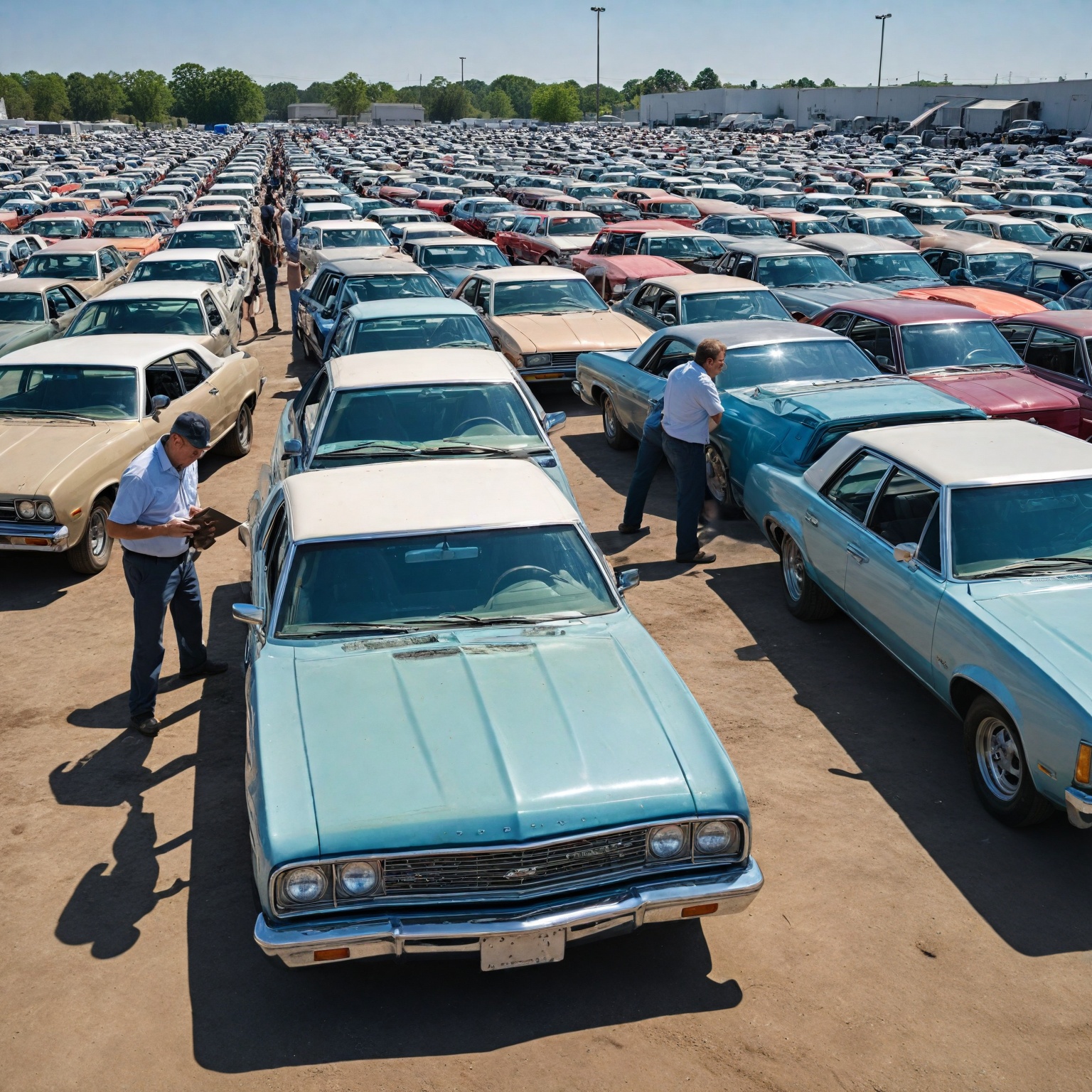
Impounded cars are vehicles that have been legally seized and held by government agencies or private towing companies due to various reasons such as legal infractions, regulatory non-compliance, or abandonment by the owner. These vehicles are typically placed in designated impound lots or tow yards, where they remain until the owner settles any outstanding dues or fines to reclaim them. If the vehicles are not reclaimed within a specified period, they are often sold at public auctions, which can provide opportunities for buyers to acquire cars at prices below market value.
The reasons for impoundment encompass a wide range of circumstances including unpaid parking tickets or fines, prohibited parking such as blocking traffic or violating local ordinances, expired vehicle documentation (e.g., registration or inspection), involvement in criminal activities, or safety hazards posed by the vehicle. Law enforcement agencies may also seize vehicles when drivers are arrested for offenses like driving under the influence or other crimes.
It is important to note that while impoundment is a legal process aimed at enforcing regulations and maintaining public safety, the practices surrounding towing and holding impounded vehicles have been subject to legal scrutiny regarding owners’ rights to notice and hearings. Prospective buyers of impounded cars should conduct thorough inspections and evaluations to understand the vehicle’s condition and any underlying issues before purchase.
Legal Framework
The legal framework governing impounded vehicles involves a complex interplay of statutes, municipal ordinances, and due process requirements designed to protect the rights of vehicle owners while enabling enforcement agencies and private contractors to manage impoundment effectively. Generally, vehicles may be impounded for a variety of reasons, including violations of parking regulations, abandonment, expired documentation, or failure to satisfy legal obligations such as unpaid fines or loans.
A critical legal requirement in impoundment cases is the provision of proper notice to all interested parties. This includes the person driving the vehicle at the time of impoundment, the registered and titled owners, as well as any lienholders. Courts have consistently held that due process mandates post-deprivation notice and a hearing, ensuring that owners have an opportunity to contest the impoundment before losing possession of their vehicle or related property. Such notice must inform the parties of their right to a hearing rather than simply demanding payment, as the latter does not fulfill constitutional standards.
Title and ownership issues frequently complicate the impoundment and retrieval process. For example, when a vehicle is sold but the title transfer has not been completed, the original owner remains legally responsible for the vehicle in the eyes of impound lots, which often act at their discretion in such scenarios. In these cases, presenting a bill of sale alone may not suffice to establish ownership; affected parties are advised to seek a bonded title or title replacement through the local Department of Motor Vehicles (DMV) to legitimize ownership claims.
Impoundment procedures vary by jurisdiction but typically allow government entities or private towing companies to seize vehicles that meet specific criteria, such as unpaid parking tickets or regulatory non-compliance. Some jurisdictions, such as New York City, implement automatic impoundment rights based on default judgments related to parking violations, demonstrating the diverse statutory triggers for vehicle impoundment.
Once impounded, vehicles may be held in lots operated by municipalities or private contractors, who commonly require payment for towing and storage fees before release. If unclaimed within a statutory period, these vehicles are often sold at auction to recover costs. State laws generally prescribe rigorous procedures to identify and notify owners and to resolve title issues before auctioning a vehicle. These auctions increasingly occur online, broadening access but also requiring buyers to be vigilant regarding title transfers, liens, and potential additional expenses such as repairs and registration.
Market Overview and Trends in 2025
The automotive market in 2025 is characterized by a complex interplay of economic, regulatory, and supply chain factors that collectively influence vehicle prices and consumer behavior. Following significant fluctuations in recent years, including production shortfalls and supply chain disruptions, car prices are expected to stabilize or moderately decrease in 2025, though this will vary widely depending on market segment, region, and vehicle type.
One of the primary influences on pricing is the cost of production, which is affected by tighter environmental regulations such as updated Corporate Average Fuel Economy (CAFE) standards. These standards have led manufacturers to invest in sustainable production processes, often increasing manufacturing costs that can translate into higher vehicle prices. Inflation also plays a critical role by affecting consumers’ disposable income and altering their purchasing priorities, which may lead manufacturers and dealerships to adjust pricing and inventory strategies accordingly.
Supply chain issues remain a significant concern, particularly regarding the availability of essential components like semiconductors. Although automakers are diversifying their suppliers to reduce delays, supply constraints may continue to limit new vehicle production and thus keep market inventories tight. This scarcity, combined with increased demand for affordable vehicles, especially in the used car market, could sustain or even drive up prices for pre-owned vehicles. Consumers facing higher costs of living may prioritize value by opting for used cars, intensifying competition in this segment.
Interest rates are another key economic trend shaping the market. Elevated interest rates have slowed new car purchases by increasing financing costs, prompting some buyers to seek better deals or turn toward the used car market instead. The availability of financing and the overall economic climate, including growth or downturn, will continue to influence how much consumers are willing and able to spend on vehicles.
Technological advancements and changing consumer preferences also impact the market. Demand is shifting towards low-emission and fuel-efficient vehicles, including electric models, driven by both environmental concerns and fluctuating fuel prices. These trends affect both new and used car markets, with fuel-efficient cars becoming more desirable and potentially more profitable for sellers. However, rapid technological changes can also reduce the attractiveness and resale value of older models.
Used car buyer demographics remain diverse, spanning various ages, genders, income levels, education backgrounds, and geographic locations. This diversity requires sellers and marketers to tailor their approaches to effectively reach different consumer segments. Additionally, traditional seasonal trends, such as the historical decline in used car prices during autumn and winter, will be observed to see if they persist in 2025.
Buying Impounded Cars: Key Considerations in 2025
When considering the purchase of an impounded car in 2025, buyers should be aware of several critical factors to ensure a successful and informed transaction. Impounded vehicles are typically seized due to legal reasons such as unpaid fines, abandonment, or involvement in criminal activity, and they are usually sold “as is” without warranties.
Costs and Fees
Beyond the initial bid price at auction, buyers must account for additional expenses such as taxes, title transfer fees, registration costs, and towing or storage fees incurred before reclaiming the vehicle. Since these cars are sold without warranties, purchasing insurance and possibly a separate warranty plan after acquisition is also necessary. Moreover, many impounded cars may require repairs or maintenance to become roadworthy, which should be factored into the overall budget.
Title and Ownership Issues
Title transfer for impounded vehicles can be complex. Most impounded cars come only with a bill of sale initially, and the official title is issued after completing DMV procedures, which may involve resolving any outstanding liens or ownership disputes. In some cases, if the car was mistakenly declared abandoned or holds a salvage title due to prolonged storage, additional documentation such as proof of redemption may be required to correct the title records. Buyers should contact their local Department of Motor Vehicles (DMV) to understand state-specific requirements, including applying for bonded titles or title replacements if the original title is missing.
Legal and Administrative Considerations
Due process rights require that all interested parties—such as the registered owner, lienholders, and the driver at the time of impound—be properly notified about the impound and auction proceedings. Buyers should be mindful that failure to comply with notification procedures can lead to legal complications. Additionally, auction sales often transfer ownership legally before vehicle release, meaning buyers must follow precise steps to obtain proper documentation and registration.
Vehicle Inspection and Condition
A thorough pre-purchase inspection is essential when buying impounded cars, as these vehicles may have underlying mechanical issues, accident history, or maintenance needs that are not immediately apparent. Prospective buyers are encouraged to either attend scheduled vehicle viewing days offered by auction sites or arrange for a certified mechanic to conduct a comprehensive assessment. Utilizing detailed inspection checklists and diagnostic tools can significantly reduce the risk of unexpected costly repairs post-purchase.
Market and Economic Context
The automotive market in 2025 is influenced by factors such as inflation, interest rates, and supply chain recovery efforts. High interest rates may increase financing costs, potentially affecting buyers’ ability to invest in used vehicles, including impounded cars. Conversely, potential decreases in financing costs could improve affordability, making impounded vehicles an attractive option for budget-conscious consumers seeking value.
Buying Process and Auction Methods
Impounded cars are typically sold through auctions, which may be conducted online, in person, or via mail-in bids. These auctions can be managed directly by the federal agency that owns the vehicles or outsourced to specialized auction companies to handle the sales process.
Buyers often have the opportunity to inspect vehicles before bidding, with many auction sites designating specific days for viewing the cars. This step is crucial for assessing the condition of the vehicle and making an informed bid. The range of vehicles available at impounded car auctions is diverse, including everyday sedans, SUVs, as well as rare and vintage models, appealing to a wide variety of buyers and collectors.
When participating in these auctions, it is important to be aware of the total cost involved. Many platforms provide full price disclosures, including any single platform fees, before bids are placed, ensuring transparency and preventing unexpected charges that other auction providers might impose.
After a successful bid, buyers must navigate the administrative tasks associated with purchasing an impounded vehicle. This includes transferring the vehicle title, completing registration processes, and addressing any outstanding liens that might exist on the vehicle. Although sellers may provide copies of the sale documents to the impound lot, the responsibility for title transfer ultimately rests with the buyer, and the impound lot typically does not compel buyers to complete this step, leaving it to their discretion.
Given these factors, prospective buyers are advised to set a budget that accounts not only for the bid price but also potential repair costs, insurance, and registration fees to ensure a smooth post-auction ownership experience.
Risks and Benefits of Purchasing Impounded Vehicles
Purchasing impounded vehicles offers a unique opportunity for buyers to acquire cars at significantly reduced prices, often through auctions where bidding can start very low compared to traditional dealerships. These vehicles range from nearly new models to classic cars, providing a diverse selection that can appeal to different buyer preferences and budgets. One of the primary benefits is the potential for substantial savings, which can be attractive for consumers looking to maximize value or enter the used car market at a lower cost.
However, buying impounded cars carries several risks that prospective buyers should carefully consider. A major concern is the often unknown condition of the vehicle, as detailed histories and thorough inspections may not be available for all cars. This uncertainty can lead to unexpected repair costs or hidden defects that impact the vehicle’s usability and safety. While some auction platforms permit buyers to arrange independent mechanic inspections beforehand to mitigate this risk, competition for popular impounded vehicles, such as police cars, can be fierce, potentially driving up final prices.
In addition to mechanical and condition-related risks, there are legal and administrative challenges involved in purchasing impounded vehicles. Buyers must navigate the process of transferring titles, registering the vehicle, and addressing any outstanding liens that may be attached to the car. Failure to properly complete these procedures can result in ownership disputes or additional fees. It is also important to consider ancillary costs such as insurance, necessary repairs, and modifications required to make the vehicle roadworthy.
Buyer Tips and Best Practices for 2025
When considering the purchase of an impounded car in 2025, prospective buyers should approach the process with diligence, thorough research, and careful planning to minimize risks and maximize value. One of the most critical steps is to personally inspect the vehicle or engage a qualified mechanic to perform a detailed pre-purchase inspection. Many auction sites facilitate this by offering specific days for potential buyers to view and assess vehicles before bidding, which helps identify mechanical issues, accident history, and maintenance needs.
Setting a realistic budget is essential and should extend beyond the bid price to include additional expenses such as repairs, insurance, registration fees, and any modifications required to make the vehicle roadworthy. These costs can be substantial, as impounded cars often require significant post-purchase investment. It is also important to account for administrative and legal requirements, including title transfers, registration processes, and the potential presence of outstanding liens on the vehicle. Understanding these legal obligations and the paperwork involved can prevent costly surprises after the purchase.
Given evolving market dynamics, such as dealerships maintaining leaner inventories and the growing influence of online car sales platforms, buyers should also monitor broader automotive trends, including interest rate fluctuations that will impact financing options in 2025. Utilizing digital tools and resources, like comprehensive inspection checklists and online documentation, can improve the thoroughness of evaluations and reduce the likelihood of acquiring problematic vehicles.
Finally, buyers should retain all purchase documents and correspondence, and if issues arise—such as failure to receive title transfer from a prior owner—they should contact the local Department of Motor Vehicles to apply for a bonded or replacement title. This step ensures legal ownership and the ability to reclaim the vehicle and any personal belongings lawfully. By following these best practices, buyers can navigate the impounded car market more confidently and make informed decisions in 2025.
The content is provided by Jordan Fields, Gear Shift Zone