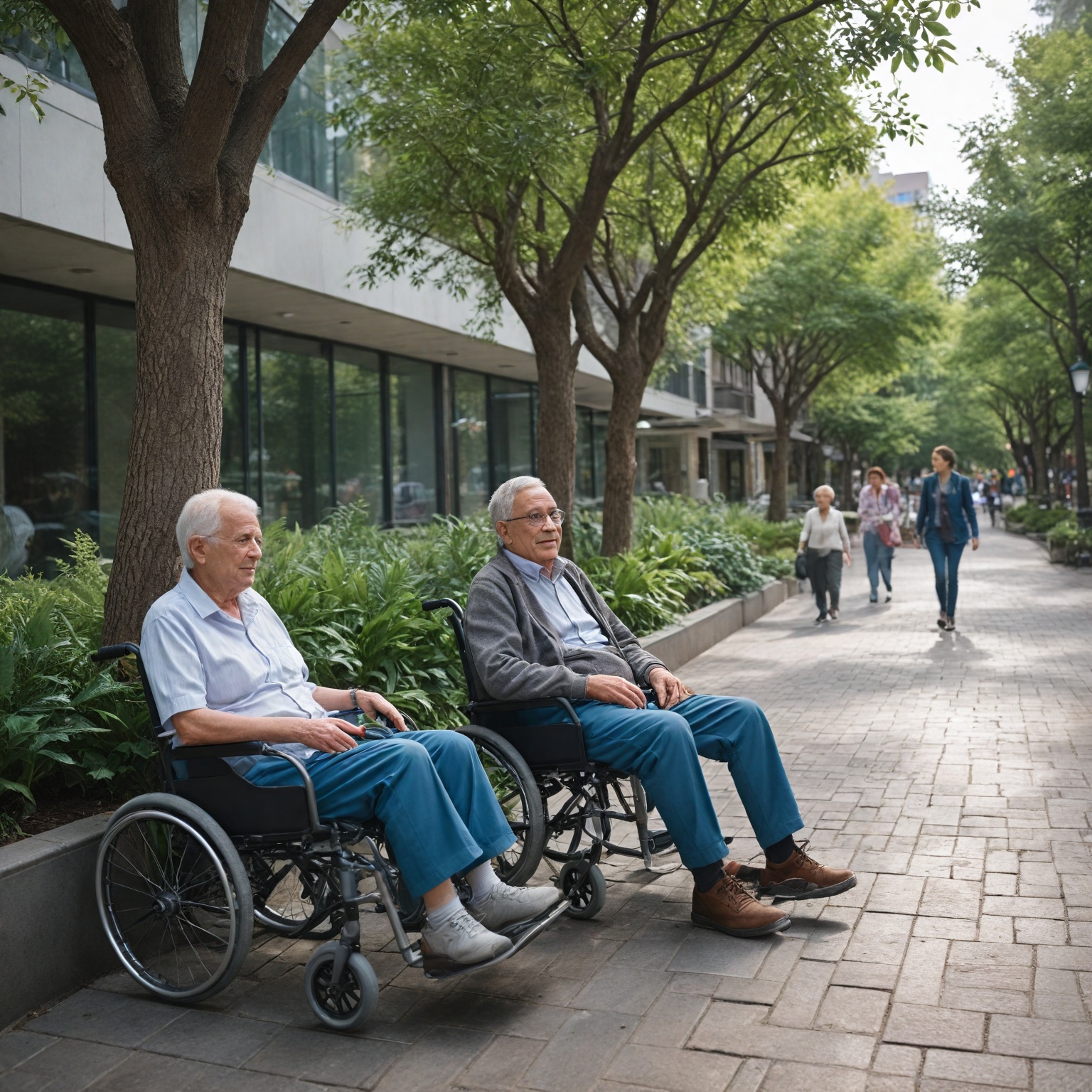
Highlights
- By 2025, 75% of seniors will rely on smart mobility solutions for independence.
- The senior mobility aid market is projected to reach USD 20.3 billion by 2034.
Summary and Background
By 2025, 75% of seniors worldwide are expected to adopt smart mobility solutions, reflecting a shift toward technology-enhanced independence among the aging population. With nearly one billion people aged 65 and older by 2025, maintaining mobility amid physical and cognitive decline is crucial. Smart mobility includes AI-powered devices, robotics, IoT systems, and smart home technologies that improve safety and autonomy. Market growth is driven by ergonomic, tech-advanced aids and supportive urban policies, though barriers like technophobia, economic disparities, and privacy concerns remain. Research using digital tools and geographic data informs development, aiming for inclusive, age-friendly environments.
Adoption Trends and Driving Factors
The global senior population’s demand for assistive technologies—such as smart walkers, electric scooters, and wearable health monitors—is rising alongside advances in AI, robotics, and IoT. North America leads with a 35.7% market share, supported by healthcare infrastructure and chronic disease prevalence. Adoption is influenced by health status, social factors, and usability, with over 20% of seniors using wearable devices for fall detection and vital monitoring. Key drivers include technological improvements, ethical and social considerations, urban accessibility initiatives, and a growing $20.3 billion mobility aid market. However, financial barriers persist, especially in low-income regions.
Impacts on Senior Independence and Safety
Smart mobility technologies enhance seniors’ independence, physical health, and safety by enabling freer movement and reducing caregiver reliance. Integration with medication management and monitoring supports better health outcomes. Safety devices like fall detectors and emergency systems improve risk management at home. Transportation options—including ride-sourcing and micromobility—help combat social isolation and maintain community engagement. Strong social networks correlate with higher technology use, highlighting the need for digital inclusion. Policy and urban planning increasingly focus on creating age-friendly, accessible environments using AI-driven personalized services.
Challenges and Barriers
Seniors face physiological, psychological, social, infrastructural, and economic challenges in adopting smart mobility. Declining vision, motor skills, and cognitive ability complicate device use, while technophobia and limited digital literacy hinder acceptance. Environmental factors like poor terrain and inaccessible public transport add barriers. High costs and lack of awareness further restrict adoption, especially where specialized transportation services are limited. Privacy and ethical concerns around monitoring technologies also affect acceptance. Overcoming these requires integrated solutions involving design, education, policy, and infrastructure improvements.
Research, Development, and Future Outlook
Research highlights ethical, social, personal, and environmental factors affecting technology adoption among seniors, with legislative frameworks supporting inclusion and funding. Longitudinal studies provide data on device usage, while industry reports emphasize AI’s transformative role and the need for interoperability and user support. The senior mobility aid market is rapidly growing, driven by IoT and AI innovations that enable aging in place through customized, multifunctional devices. By 2025, smart mobility is projected to be widely embraced, marking a significant evolution in senior independence, healthcare, and urban mobility.