Highlights
- Aspiring electricians in Spain can pursue vocational training for essential skills and certification.
- High demand for qualified electricians exists, particularly in Spain's expanding renewable energy sector.
Summary
Working as an electrician in Spain requires specific education, certification, and legal compliance to ensure safety and professional standards. The main educational path is through vocational training like Superior Formación Profesional (FP) in Electricity and Electronics, complemented by practical apprenticeships. Higher education options include university degrees in Electrical Engineering. Certification, especially the IBTB basic electrician qualification and the mandatory Boletín Eléctrico, is necessary for legal work. Skills include electrical system diagnosis, maintenance, and safety adherence, with ongoing professional development encouraged. Employment spans residential, commercial, industrial, and renewable energy sectors, with career advancement opportunities. Foreign electricians must validate qualifications and meet legal employment requirements. Spain enforces strict regulations and certification standards, posing challenges such as language barriers and administrative complexities. Resources like scholarships and vocational programs support education and career growth in a competitive market emphasizing equal opportunity and safety.
Education and Certification
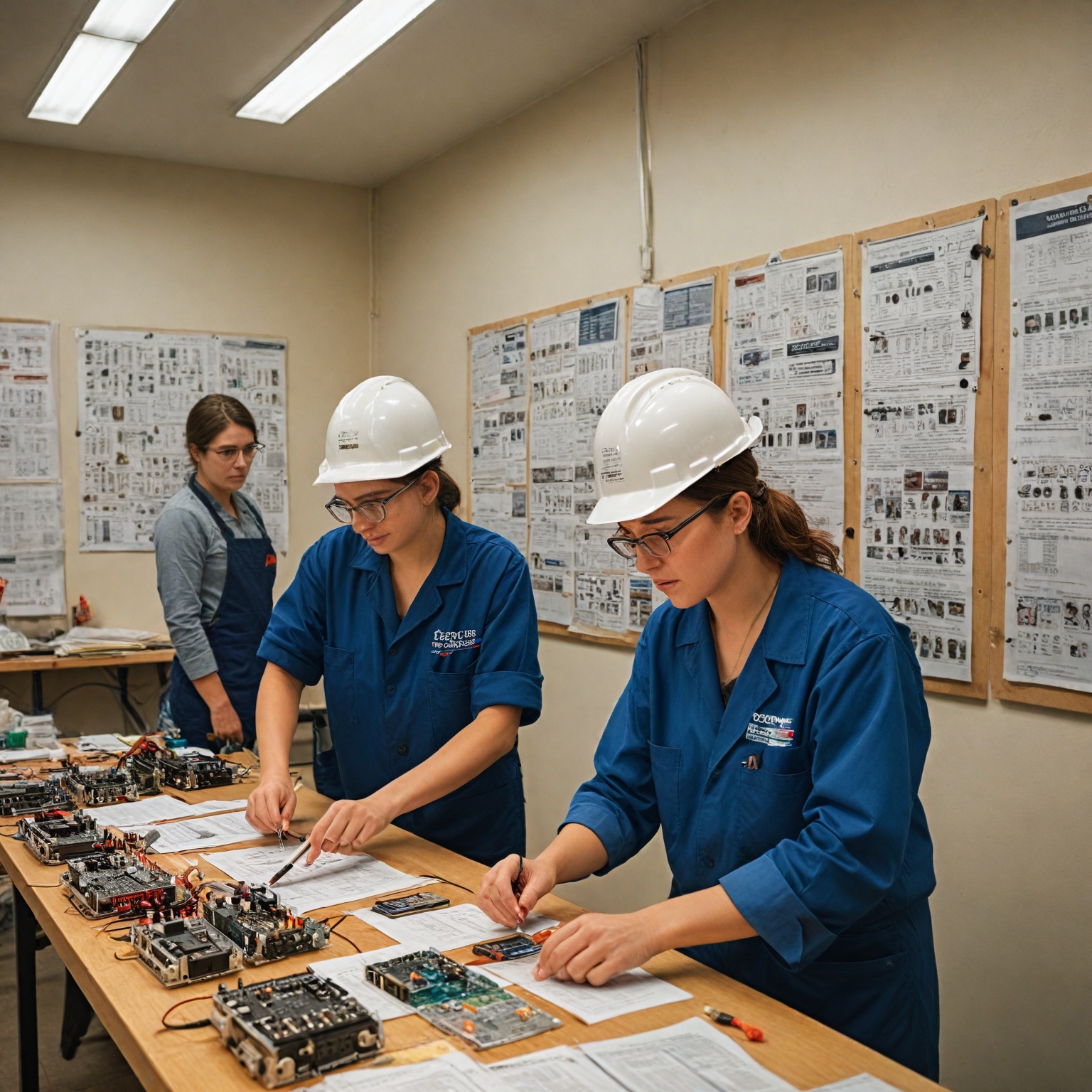
Electricians in Spain typically complete the Superior FP program in Electricity and Electronics, which combines theory and apprenticeships. Applicants must hold a high school diploma or equivalent, with foreign qualifications requiring official recognition. Higher education options include a Bachelor’s degree in Electrical Engineering, opening advanced career paths. Practical experience is essential, and certification like the Certificate of Professionalism enhances employability. Legal work requires passing exams and obtaining certifications.
The IBTB basic electrician certification is standard, obtained through education or accrediting prior experience. Electricians may work as employees or contractors but must have installations inspected and certified by a registered electrician. The Boletín Eléctrico certifies compliance with safety laws and is required for administrative procedures. Final approval of electrical work must be by an authorized electrician, with regional variations in certification processes.
Skills and Employment
Electricians need technical knowledge, practical skills, and safety awareness, often developed through vocational training and advanced degrees. Skills include diagnosing systems, maintenance, and adherence to regulations. Safety training aligned with standards like OSHA is critical. Practical experience gained via apprenticeships ensures readiness for real-world tasks.
Employment is available in residential, commercial, industrial, and renewable energy sectors, with roles such as PLC programmer or panel builder. Career progression involves gaining experience, supervisory roles, and advanced certifications, with salaries rising accordingly. Opportunities exist in specialized fields like aeronautical maintenance. Aspiring electricians must obtain proper training and certifications to access these roles.
Legal Framework and Foreign Workers
Spain’s legal framework mandates qualifications, licensing, and compliance with standards like the Reglamento Electrotécnico para Baja Tensión (REBT). Licensing typically requires formal education and apprenticeships. Electrical installations must be inspected and certified by licensed electricians before use. Foreign electricians must have their qualifications recognized and may need additional exams or certifications. Work permits and social security registration are mandatory for legal employment. Employers often assist foreign workers with legal processes, and equal opportunity policies apply.
Professional Development and Challenges
Continuous education and training are vital for skill enhancement and career advancement. Although apprenticeship programs are limited, ongoing safety training and supervisory experience are important. Maintaining up-to-date knowledge ensures compliance and workplace safety.
Challenges include complying with local standards, overcoming language barriers, and navigating limited specialized training options. New electricians often start with entry-level roles and must gain experience to advance. Foreign electricians face additional visa and qualification validation requirements.
Resources and Support
Aspiring electricians have access to scholarships, vocational programs, and practical training to support their education and certification. Employers offer specialized roles in sectors like aircraft maintenance, reflecting demand for skilled professionals. Equal employment opportunity policies promote diversity and nondiscriminatory hiring practices within the industry.
The content is provided by Sierra Knightley, Gear Shift Zone