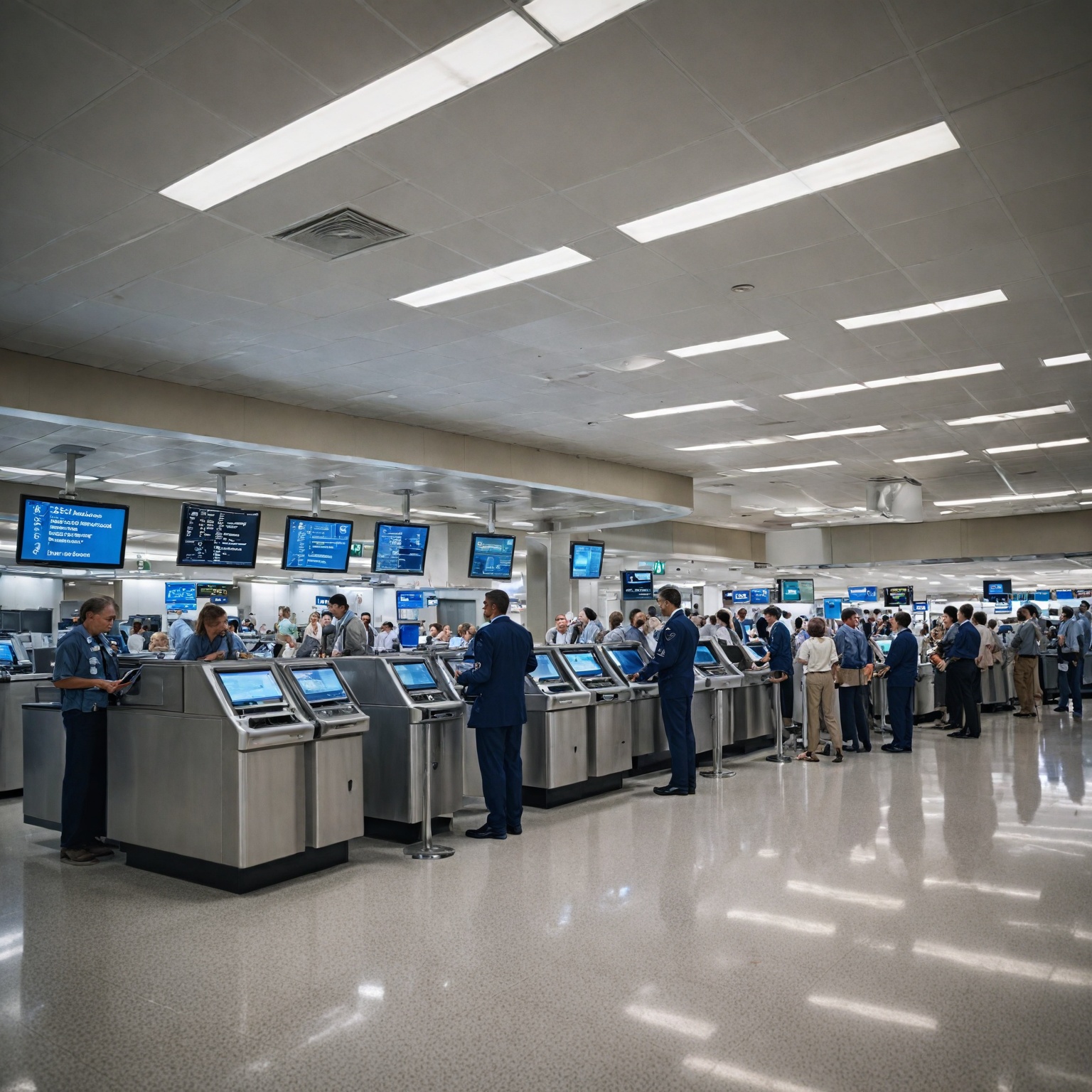
Highlights
- Airport security careers offer diverse roles that blend safety, customer service, and technical skills.
- Continuous professional development is crucial for advancing in the rewarding yet challenging airport security field.
Summary and Overview of Airport Security Careers
Airport security careers involve roles like security officers, supervisors, managers, and air marshals, all tasked with protecting passengers, aircraft, and facilities. These positions operate within strict regulatory frameworks, requiring a balance of security enforcement, customer service, and coordination among stakeholders. Candidates typically need at least a high school diploma, with some employers preferring higher education or law enforcement experience. The hiring process includes background checks, fitness assessments, and security clearances. Training aligns with TSA and international standards, preparing personnel to handle evolving threats. Career growth involves increased responsibilities, technical skills, and team management, supported by advanced surveillance technology. Despite challenges such as high stress and regulatory demands, airport security offers vital roles in aviation safety and professional advancement.
Educational, Recruitment, and Training Requirements
Applicants generally need a high school diploma, with some roles favoring candidates with related degrees or law enforcement backgrounds. Eligibility often requires citizenship or permanent residency, physical fitness, and passing thorough background checks. The recruitment process includes submitting applications via official portals, background investigations, medical exams, and interviews assessing skills and motivation.
Training programs cover aviation security regulations, screening procedures, emergency response, and conflict management, tailored to specific roles. In the U.S., screeners undergo 40 hours of initial training plus on-the-job instruction. Advanced positions require extensive specialized training. Certification enhances employability, and ongoing professional development is encouraged to maintain effectiveness and career progression.
Roles, Responsibilities, and Skills
Airport security personnel patrol premises, monitor passenger and baggage screening, manage crowd and traffic flow, and use surveillance technology. Higher-level roles involve overseeing operations and compliance with federal regulations. Essential skills include communication, observation, physical fitness, conflict resolution, and customer service. Personnel must remain calm under pressure and pass rigorous background checks to access secure areas.
Regulatory Framework and Career Progression
In the U.S., the FAA regulates civil aviation safety, while the TSA oversees airport security measures, including personnel training and screening standards. Private screening contractors must meet federal standards. Career advancement requires continuous learning, additional certifications, and meeting clearance requirements. Candidates should review job announcements carefully to comply with hiring protocols and maintain readiness for evolving roles.
Challenges, Rewards, and Application Tips
Airport security roles demand vigilance, quick decision-making, and adherence to strict protocols under pressure. The selection process is rigorous due to the sensitive nature of the work. Applicants should prepare thoroughly for structured interviews, highlighting technical skills, communication abilities, and customer service experience. Demonstrating qualifications clearly on resumes and responding promptly to application requirements improve hiring prospects. Assistance is available through resources like human resources contacts and online tutorials.
Additional Resources for Career Advancement
Online training and certification programs support skill development and professional growth in airport security. Platforms like USAJOBS facilitate job applications, while airport-specific recruitment sites provide local opportunities. Entry-level roles offer pathways to management positions involving security compliance and liaison with government agencies. Understanding regulatory standards and legal frameworks is essential for career success and compliance within the aviation security sector.
The content is provided by Jordan Fields, Gear Shift Zone