Highlights
- Police impounded cars can provide exceptional savings, but buyers must perform due diligence.
- Understanding auction procedures and legal complexities is crucial for successful purchases in 2025.
Summary
The market for police impounded cars in 2025 offers a distinctive opportunity for buyers to acquire vehicles at significantly reduced prices through public auctions held by law enforcement agencies and government entities. These vehicles have been seized for a variety of reasons, including legal violations such as driving without a license, involvement in criminal activities, abandonment, or non-payment of finance agreements. While impounded cars can range from well-maintained former fleet vehicles to those requiring substantial repairs, they are typically sold “as-is,” with limited warranties or guarantees, which necessitates careful evaluation by prospective buyers.
Vehicles enter the impound market after owners fail to reclaim them within designated timeframes by paying fees and providing required documentation. Once forfeited, cars are auctioned publicly both at physical locations and increasingly through online platforms, broadening access for buyers nationwide. Auctions tend to be competitive due to the potential for below-market prices, but buyers must navigate legal complexities, including title verification, lien clearance, and adherence to auction policies, to avoid post-purchase disputes.
The market in 2025 is also shaped by evolving legislation that expands police authority to impound vehicles associated with activities like street racing or sideshows, reflecting broader efforts to deter unlawful conduct on public roads. Moreover, economic factors such as inflation and shifts in consumer behavior influence vehicle pricing and demand within this niche, requiring buyers to stay informed about market trends and financing options.
Despite the appeal of low-cost acquisitions, purchasing police impounded cars carries inherent risks, including limited vehicle history disclosure, restricted inspection opportunities, and the possibility of hidden mechanical or legal issues. Successful navigation of this market depends on thorough research, understanding of auction procedures, careful vehicle evaluation, and awareness of applicable laws, making informed decision-making essential for buyers in 2025.
Understanding Police Impounded Cars
Police impounded cars are vehicles that have been seized by law enforcement agencies due to various legal violations or criminal activities. These violations can range from driving without a license or while intoxicated to involvement in more serious crimes, such as transporting contraband or participating in illegal street racing events. Once impounded, these vehicles are held by authorities and may be subject to administrative fees, towing, and storage costs that the registered owner must pay to reclaim the vehicle.
The seizure of a vehicle often occurs when law enforcement suspects it has been used to facilitate criminal conduct, such as the transportation or concealment of contraband as outlined under statutes like Section 932.702 of the Florida Statutes. In some jurisdictions, new legislation has expanded police authority to impound vehicles linked to activities like street takeovers or sideshows, even without an arrest, to deter these gatherings and associated reckless behavior.
Impounded cars typically enter the market through government auctions open to the public. These auctions offer buyers the opportunity to purchase vehicles at a fraction of their market value, often making them attractive to budget-conscious consumers or those seeking a project car. However, these vehicles are generally sold “as-is,” and their condition may vary widely—from well-maintained cars to those requiring significant repairs. It is crucial for prospective buyers to conduct thorough inspections and understand the risks involved before bidding.
Owners have a limited window, often around 30 days, to reclaim their impounded vehicles by providing necessary documentation such as valid registration, insurance, and proof of legal compliance, in addition to paying any outstanding fees. Failure to meet these requirements typically results in the vehicle being forfeited and subsequently sold at auction.
Additionally, buyers should be aware of rules governing conduct at impound yards and auctions. For example, theft or failure to comply with staff directives at these facilities can lead to arrest or removal from the premises. Furthermore, the growth of online auction platforms has increased accessibility to impounded car sales, allowing broader participation in these markets.
Understanding these aspects—including the reasons for impoundment, legal frameworks, associated costs, and auction procedures—is essential for navigating the police impounded car market effectively in 2025.
The Market for Police Impounded Cars
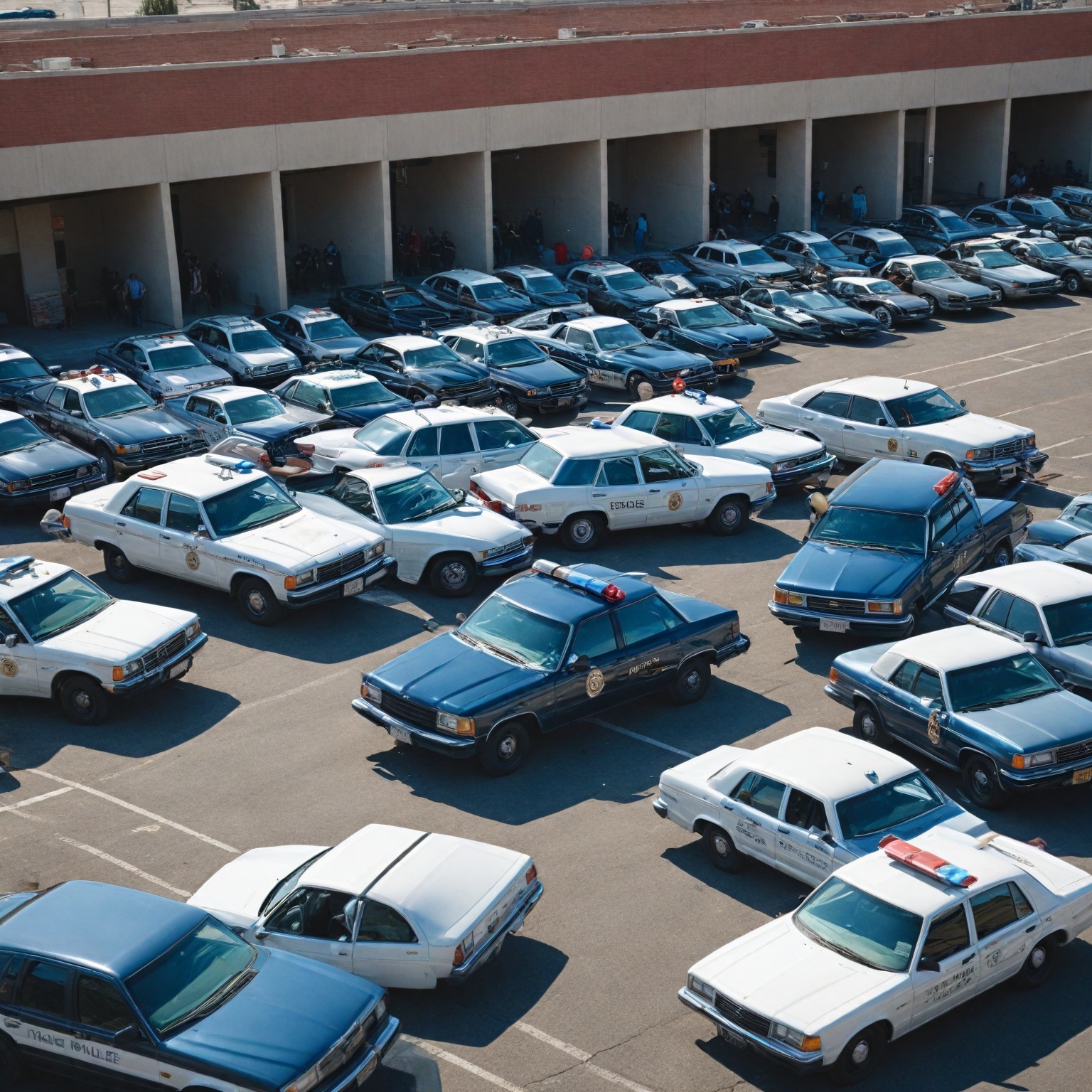
The market for police impounded cars in 2025 presents a unique opportunity for buyers seeking vehicles at a fraction of their typical market value. These vehicles are often sold through government and police auctions that are open to the public, both in physical locations and increasingly via online platforms such as RideSafely. The appeal lies primarily in the potential to acquire cars that may be in good condition or, alternatively, may require repairs, as most vehicles are sold “as-is” without warranties or guarantees.
Police impounded cars originate from a variety of circumstances, including vehicles seized due to legal issues such as driving with expired or suspended licenses, mechanical failures rendering the vehicle inoperable or unsafe, abandonment, or involvement in criminal investigations. Despite a common perception that police-seized vehicles are linked to criminal activity, the majority are repossessed due to non-payment of finance agreements or impounded by traffic authorities. Once held by law enforcement or towing companies, unclaimed vehicles are typically auctioned off to recover costs and clear storage space.
The auction environment is highly competitive due to strong buyer interest and the popularity of police impounded cars. Auctions generally require prior registration and may involve fees, with potential buyers having access to vehicle lists and sometimes the option to inspect vehicles before bidding. Some platforms even allow for independent mechanic inspections to assess the condition and value of the vehicles, which can provide buyers with greater confidence when making a purchase. Listings for available vehicles often appear online only a few days before auctions, so regular monitoring is essential for interested buyers.
Economic factors in 2025, including inflation and shifts in consumer behavior, continue to impact vehicle pricing and the strategies of dealerships and manufacturers. These changes indirectly affect the market for impounded cars by influencing overall demand, pricing dynamics, and financing availability. As the automotive industry evolves with new technologies and changing buyer preferences, navigating the police impounded car market requires staying informed of these broader trends to make well-informed purchasing decisions.
Locating Police Impounded Cars for Purchase
Police impounded cars are typically sold through public auctions organized by local governments, police departments, or federal agencies. These auctions can take place either in person at physical locations or online through various auction platforms. To find available impounded vehicles, prospective buyers should regularly check official websites of local law enforcement agencies, government auction sites, and online marketplaces that specialize in vehicle auctions, such as RideSafely, IAA, and Copart.
Public auctions are often advertised in local newspapers, on municipal or police department websites, and through online listings posted a few days before the auction date. Many auctions provide potential buyers with a list of vehicles available for bidding prior to the event, which allows for preliminary inspection or research on specific cars. Registration is typically required before participating in these auctions, and buyers may need to provide identification and pay a registration fee or deposit depending on the auction platform’s policies.
While some auction yards restrict vehicle inspections to licensed dealers only, others offer inspection services to the general public, which can be crucial for assessing the condition of the impounded vehicles before bidding. It is also important for buyers to review disclosures related to liens, warranties, recalls, or salvage titles that sellers are required to provide, ensuring transparency and minimizing risk. Through these channels and strategies, buyers can locate and access police impounded cars available for purchase in 2025.
Legal Considerations When Purchasing Police Impounded Cars
When purchasing police impounded cars, several legal factors must be carefully considered to ensure a smooth and lawful transaction. Buyers should be aware that vehicles sold at auction are generally sold “as is,” without warranties, and may come with various title statuses such as clean, salvage, or rebuilt titles depending on their condition and history. Sellers are legally required to disclose any liens, warranties, recalls, or salvage titles affecting the vehicle. Failure to disclose these encumbrances can lead to complications during ownership transfer.
A critical legal step involves verifying the title and registration documents. Impounded vehicles often come with a bill of sale rather than an immediate title transfer, and the actual title may not be issued until the buyer completes registration at the Department of Motor Vehicles (DMV). In some jurisdictions, liens on the vehicle must be settled or approved by lien holders before the title can be legally transferred to the new owner. Buyers should obtain evidence that the auction house has followed legal procedures, such as sending a Notice of Claim letter to the original owner and providing documentation that supports the auctioneer’s authority to sell the vehicle.
Disputes over ownership claims after purchase, although uncommon, can arise. Buyers facing such challenges are advised to consult an attorney, as reputable auction companies take extensive steps to minimize these risks. Legal recourse against auction organizers—including police departments or city authorities—is generally limited, and the sale price cannot be altered post-auction based on the vehicle’s condition.
Another important consideration is the payment and title transfer process. Auctions typically require full payment in cash immediately upon winning the bid or within a short timeframe, often no longer than three business days. Some auctions waive sales tax if the buyer presents a resale certificate, but buyers must be prepared to pay all applicable taxes, registration fees, and any costs related to towing or transporting the vehicle from the auction site.
Finally, buyers should be aware that some vehicles may still have outstanding liens or be subject to repossession by lien holders even after purchase. However, purchasers are generally not responsible for parking tickets or fines incurred by previous owners. If an impound facility or DMV refuses to recognize evidence of sale or delays title transfer, involving legal counsel may be necessary to resolve such issues.
Evaluating Police Impounded Cars Before Purchase
When considering the purchase of a police impounded car, thorough evaluation is essential due to the unique risks and limited inspection opportunities associated with these vehicles. Unlike traditional used car purchases, buyers at police auctions often face restrictions that make it difficult to fully assess the car’s condition prior to bidding.
Inspection Limitations and Practical Tips
Most police auctions offer only brief visual inspections, and test-driving the vehicle is generally not permitted. Potential buyers cannot typically have a mechanic inspect the car beforehand, increasing the risk of acquiring vehicles with hidden mechanical problems or other defects. To mitigate this, bringing basic tools such as an air pressure gauge, car oil, and a set of mechanical tools can help identify some obvious issues during the limited inspection period. Additionally, some auction sites provide specific viewing days or allow independent mechanics to inspect vehicles, which can offer valuable insight into the car’s condition.
Understanding Vehicle History and Legal Risks
One of the biggest challenges in evaluating police impounded cars is the often unclear history of the vehicle. These cars may have been seized for various reasons, including criminal investigations, and buyers typically have limited information regarding prior ownership, maintenance records, or involvement in legal disputes. Conducting a comprehensive vehicle history check through VIN reports is crucial to uncover any liens, accidents, or major repairs that might affect the car’s value or legality. Buyers should also be aware that some vehicles may still have unresolved legal issues, such as contested ownership or outstanding liens, which can complicate or delay the purchase.
Sold “As-Is” and Additional Considerations
Police impounded vehicles are almost always sold “as-is,” meaning there are no warranties or guarantees offered by the auctioneer. Therefore, it is vital for buyers to carefully weigh the risks before bidding. Evaluating the physical condition, checking for manufacturing defects, and understanding the vehicle’s mechanical status—ideally through a professional appraisal—are important steps to determine if the vehicle is worth the investment. Additionally, buyers should familiarize themselves with any administrative and legal paperwork required post-purchase to avoid unexpected complications.
Competitive Market Dynamics
Due to their potential to be purchased at a fraction of market value, police impounded car auctions attract many buyers, creating a competitive environment. This competition, combined with limited access to the vehicles prior to bidding, necessitates a strategic and well-informed approach to evaluating and purchasing these cars.
Bidding and Purchasing Process
Most auctions for police impounded cars require potential buyers to register beforehand, which may include paying a registration fee. Registration typically involves providing identification and, depending on the platform, may require placing a deposit. Some online platforms, such as RideSafely, offer free registration and provide access to multiple auction listings, including those from IAA and Copart.
Prior to the auction, buyers are often provided with a list of available vehicles, enabling them to inspect the cars either physically at auction yards or through online resources. While many auction locations require buyers to be registered dealers to conduct vehicle inspections, some yards offer inspection services to the general public.
During the auction, an open bidding format is commonly used. Interested buyers place bids on their desired vehicles, and the highest bidder at the conclusion of each round wins the vehicle. Winning bidders are generally required to pay for their purchase immediately or within a specified timeframe, typically no later than three business days after the auction. Failure to pay the balance within this period can result in the sale being voided and the vehicle being re-auctioned, with the defaulting bidder potentially liable for damages.
Auctions are conducted either directly by the federal agency that owns the vehicles or through contracted auction companies. Throughout the process, sellers must disclose important information about each vehicle, including title status, odometer readings, damage history, recalls, liens, warranties, and salvage titles. Buyers have the right to inspect vehicles, request vehicle history reports from reliable sources like Carfax or AutoCheck, and receive a written contract outlining the terms and conditions of the sale.
It is the responsibility of both buyers and sellers to maintain accurate records of all transactions and related documents, such as invoices, receipts, titles, bills of sale, and odometer statements. Additionally, buyers should familiarize themselves with the auction’s arbitration policy, which governs the resolution of disputes concerning vehicle condition or history. Any applicable taxes or transfer and delivery fees must also be paid by the successful bidder.
Post-Purchase Considerations
After purchasing a police impounded car, buyers should be aware of several important post-purchase responsibilities and considerations to ensure a smooth ownership transition. First and foremost, the winning bidder receives documentation to facilitate ownership transfer, including a copy of the tenant’s lease showing foreclosure terms, the signed VTR-265-SSF form, and proof of the seller’s legal right to sell the vehicle. It is essential to retain all transaction-related paperwork such as invoices, receipts, titles, bills of sale, and odometer statements, along with the auction’s terms and conditions, policies, and disclosures for future reference.
Buyers must be cautious about potential liens on the vehicle, as any outstanding liens may result in repossession by the lienholder. Importantly, the sheriff or auction entity is not responsible for notifying bidders about such liens. However, buyers are not liable for any unpaid parking tickets issued to the previous registered owner. It is therefore critical to verify lien status and perform a thorough vehicle history check through services like Carfax or AutoCheck before or immediately after purchase.
Additionally, purchasers should be prepared to pay any outstanding administrative fees, as well as towing and storage fees associated with the impounded vehicle. These fees are generally collected by the municipality or the towing entity and remain the responsibility of the registered owner. Buyers should also familiarize themselves with local regulations affecting impounded vehicles, such as Assembly Bill 1978, which grants police expanded authority to impound vehicles suspected of involvement in sideshows or street races, and which carries potential penalties including license suspension for convicted individuals.
Finally, given the potential for hidden mechanical issues or prior damage, it is advisable to have the vehicle thoroughly inspected
Risks and Potential Pitfalls in Buying Police Impounded Cars
Purchasing police impounded cars can offer buyers the allure of acquiring a vehicle at a fraction of its market value, but this opportunity comes with significant risks and potential pitfalls that must be carefully considered.
Limited Inspection and Unknown Vehicle History
One of the primary challenges in buying police impounded cars is the limited opportunity to thoroughly inspect the vehicle prior to purchase. Most police auctions allow only a brief visual examination, without the possibility of test-driving or mechanic inspection. This lack of comprehensive inspection increases the risk of acquiring vehicles with hidden mechanical issues or damage that could require costly repairs. Furthermore, the history of these vehicles is often unclear. Since many cars are seized due to legal violations, criminal activity, or abandonment, buyers usually have limited information regarding prior ownership, maintenance records, or whether the vehicle was involved in illicit activities. This unknown history adds an element of uncertainty to the purchase decision.
Vehicles Sold “As-Is” and Legal Complications
Vehicles at police auctions are typically sold “as-is,” meaning there are no warranties or guarantees provided to the buyer. This condition leaves the purchaser fully responsible for any defects or problems discovered after the sale. Additionally, there is a potential for unresolved legal issues associated with the vehicles, such as outstanding liens or contested ownership claims. While most impounded cars are legally seized and cleared for sale, a small risk remains that a vehicle may still be subject to legal disputes or claims from previous owners. In some cases, legal intervention may be necessary to resolve title transfer complications or disputes regarding ownership documentation.
Competitive Bidding and Associated Costs
Police car auctions tend to attract a large number of potential buyers, resulting in highly competitive bidding. Although starting bids may be low, the final prices can escalate quickly due to bidding wars, potentially reducing the anticipated cost savings. Buyers should also be prepared to cover additional expenses such as taxes, title fees, registration costs, and insurance, which can add substantially to the total purchase price. Furthermore, failure to honor winning bids can lead to legal consequences and restrictions on participation in future auctions.
Additional Considerations
Police impounded cars sometimes originate from fleet vehicles, like former police cars, which may have been maintained regularly and uniformly. However, other impounded cars may have been involved in criminal investigations, drug confiscations, or abandoned under circumstances that negatively affect their condition and legal standing. Buyers are advised to conduct thorough due diligence, maintain detailed records of all transactions and documentation, and seek legal advice if necessary to navigate the complexities associated with these vehicles.
Advantages and Disadvantages of Purchasing Police Impounded Cars
Purchasing police impounded cars offers several advantages that attract buyers looking for a bargain. One of the main appeals is the opportunity to acquire vehicles at a fraction of their typical market value, which can make these cars an economical choice for budget-conscious consumers. Some impounded vehicles are in good condition, potentially providing reliable transportation without the high price tag associated with used cars purchased through traditional means. Additionally, many police impounded cars were formerly part of fleet vehicles, meaning they often benefited from uniform and regular maintenance checks, which can be advantageous for buyers seeking well-maintained vehicles.
However, there are also notable disadvantages to consider. Many police impounded cars are sold as-is, which means buyers may inherit vehicles needing repairs or with undisclosed issues. The lack of warranties or guarantees can increase the risk for buyers unfamiliar with vehicle inspection or repair processes. Moreover, the auction-based purchasing system may limit the ability to thoroughly assess a car’s condition prior to bidding, adding to the uncertainty surrounding these purchases. Therefore, understanding both the benefits and risks is essential for anyone considering buying a police impounded car.
Tips and Best Practices for Buyers in 2025
When navigating the market for police impounded cars in 2025, buyers should adopt a strategic approach to maximize value while minimizing risks. Given the evolving economic landscape and the specifics of the auction process, the following tips and best practices can help ensure a successful purchase.
Research and Preparation
Before participating in any auction, it is crucial for buyers to thoroughly research the vehicles available, including understanding the typical conditions of police impounded cars. Many budget-conscious buyers are attracted to these vehicles due to their affordability and potential longevity if maintained properly. Buyers should also familiarize themselves with auction rules and policies by reviewing the auction’s terms and conditions, disclosures, and arbitration policies. Keeping copies of all relevant documents such as invoices, titles, and bills of sale is essential for proper record-keeping and future reference.
Vehicle Inspection and History
Buyers have the right to inspect vehicles prior to bidding. Conducting a physical inspection can help identify visible damage or mechanical issues. Additionally, requesting a vehicle history report from reliable sources like Carfax or AutoCheck is highly recommended to uncover any prior accidents, salvage titles, liens, or recalls that might affect the vehicle’s value or safety.
Understanding Auction Types and Processes
Police impounded vehicles are often sold through public auctions that may take place either in person or via online platforms. These auctions can be conducted directly by federal agencies or contracted auction companies. Buyers should understand the specific procedures of each auction to avoid confusion and ensure compliance with bidding requirements.
Financial Considerations
Economic factors in 2025, such as inflation and rising material costs, have influenced car prices and financing options, impacting auction values and buyer budgets. Prospective buyers should set a clear budget and account for potential additional expenses such as repairs or registration fees. Being frugal and realistic about resource allocation can help buyers make sound purchasing decisions that align with their financial goals.
Transparency and Documentation
Sellers at police impounded vehicle auctions are obligated to disclose any liens, warranties, recalls, or salvage titles. Buyers should confirm that these disclosures are made and maintain transparent communication throughout the transaction. Proper documentation and adherence to auction policies foster trust and protect buyers from unforeseen issues.
Leveraging Partnerships and Data
The effectiveness of collaborative efforts between law enforcement, automakers, insurers, and data analytics companies has improved the integrity and transparency of police impounded car sales in 2025. Buyers can benefit from these advancements by accessing updated market data, theft prevention information, and vehicle histories that enhance confidence and reduce risks.
By combining careful research, thorough inspection, clear budgeting, and adherence to auction rules, buyers can navigate the market for police impounded cars effectively in 2025, securing reliable vehicles at competitive prices.
Resources and Support
Navigating the market for police impounded cars can be challenging, but several resources and support options are available to assist individuals through the process. Legal assistance can be crucial, especially for those seeking to recover their vehicles. For example, law firms such as Jetton and Meredith specialize in negotiating the release of impounded vehicles, understanding the significant impact that lack of transportation can have on daily life, including difficulties with grocery shopping, obtaining medications, and commuting to work. Their attorneys can be contacted for personalized help in retrieving cars and alleviating financial burdens related to alternative transportation.
In addition to legal support, potential buyers can access public auctions, which serve as a primary marketplace for impounded vehicles. These auctions are typically open to the public and are organized by government agencies, police departments, or private auction houses. Auctions may take place at physical locations or online, making them accessible to a wide audience. Information about these auctions is often advertised through local newspapers or official government websites, providing timely updates for interested parties.
Subscribing to industry news sources like Auto Remarketing can also help buyers stay informed about the latest trends and developments in the pre-owned vehicle market, including impounded cars. Such subscriptions may involve receiving communications from the publisher and their partners, offering valuable insights and opportunities within this niche market.
The content is provided by Sierra Knightley, Gear Shift Zone