Highlights
- Discover effective strategies to find the best impounded car deals in your area.
- Understand the risks involved to maximize savings and ensure a smooth purchasing process.
Summary
How to Find the Best Impounded Car Deals in Your Community provides a comprehensive guide for prospective buyers interested in purchasing vehicles that have been legally seized and placed in impound lots. Impounded cars often become available through auctions when owners fail to reclaim them by paying outstanding fines and fees, creating opportunities to acquire vehicles at reduced prices. This article outlines effective methods to locate impounded car deals locally, including navigating public and online auctions, leveraging community resources, and understanding the legal and administrative procedures involved.
Impounded vehicles are typically seized for reasons such as unpaid violations, abandonment, or involvement in criminal investigations, and are held until owners settle their obligations. When unclaimed, these cars may be auctioned by government agencies, law enforcement, or contracted auction companies. Buyers seeking the best deals must be aware of the complexities surrounding title transfers, outstanding liens, and potential hidden damages, as impounded cars are sold “as is” without warranties. Proper due diligence, including vehicle inspections and verification of legal status, is critical to avoid financial and legal risks.
This guide emphasizes various strategies for finding impounded cars, such as monitoring local government and police department auctions, exploring online auction platforms, and engaging with community groups and automotive professionals who often share insider information on upcoming sales. It also highlights the importance of understanding auction procedures, required documentation, and post-purchase considerations like insurance and registration to ensure a smooth transaction.
While purchasing impounded vehicles can yield substantial savings, the process carries notable risks, including unresolved liens, repair costs, and administrative hurdles. Buyers are advised to exercise caution, conduct thorough research, and seek professional advice when necessary to navigate the complexities and maximize the benefits of buying impounded cars within their communities.
Understanding Impounded Cars
Impounded cars are vehicles that have been legally seized and held by government agencies or private towing companies due to various reasons such as legal issues, regulatory non-compliance, unpaid fines, or abandonment by the owner. These vehicles are placed in impound lots or tow yards where they remain until the owner settles any outstanding fees or dues to reclaim them. If the owner fails to retrieve the vehicle within the designated redemption period, the car is typically sold at auction, providing an opportunity for buyers to acquire vehicles at significantly reduced prices.
Common causes for impoundment include unpaid parking or moving violation tickets, involvement in accidents especially when investigations are ongoing, and association with criminal activities. In cases involving alleged criminal conduct, police may restrict access to the vehicle pending investigation, and a search typically requires a warrant unless exigent circumstances exist. The duration of impoundment in such cases depends on local laws and the specifics of the investigation.
Retrieving an impounded vehicle usually involves paying towing and storage fees, outstanding fines, and any other associated administrative costs. Owners or their authorized representatives must provide proof of ownership and obtain a release form from the impound lot or Department of Motor Vehicles (DMV) to reclaim the vehicle. Title transfers can be complicated during impoundment periods, often requiring clearance of all liens and fees before the DMV will process ownership changes. Buyers interested in purchasing impounded vehicles should be aware of these legal and administrative considerations as well as the condition of the vehicle, which may require inspection or mechanic evaluation prior to sale.
Impounded cars are often listed on various online auction platforms, local government or police auctions, and through financial institutions handling repossessed vehicles. Prospective buyers can find impounded vehicles by searching for terms like “impound cars for sale near me” or “local impound auctions,” but it is important to verify the auction details and comply with relevant local regulations.
Finding Impounded Car Deals
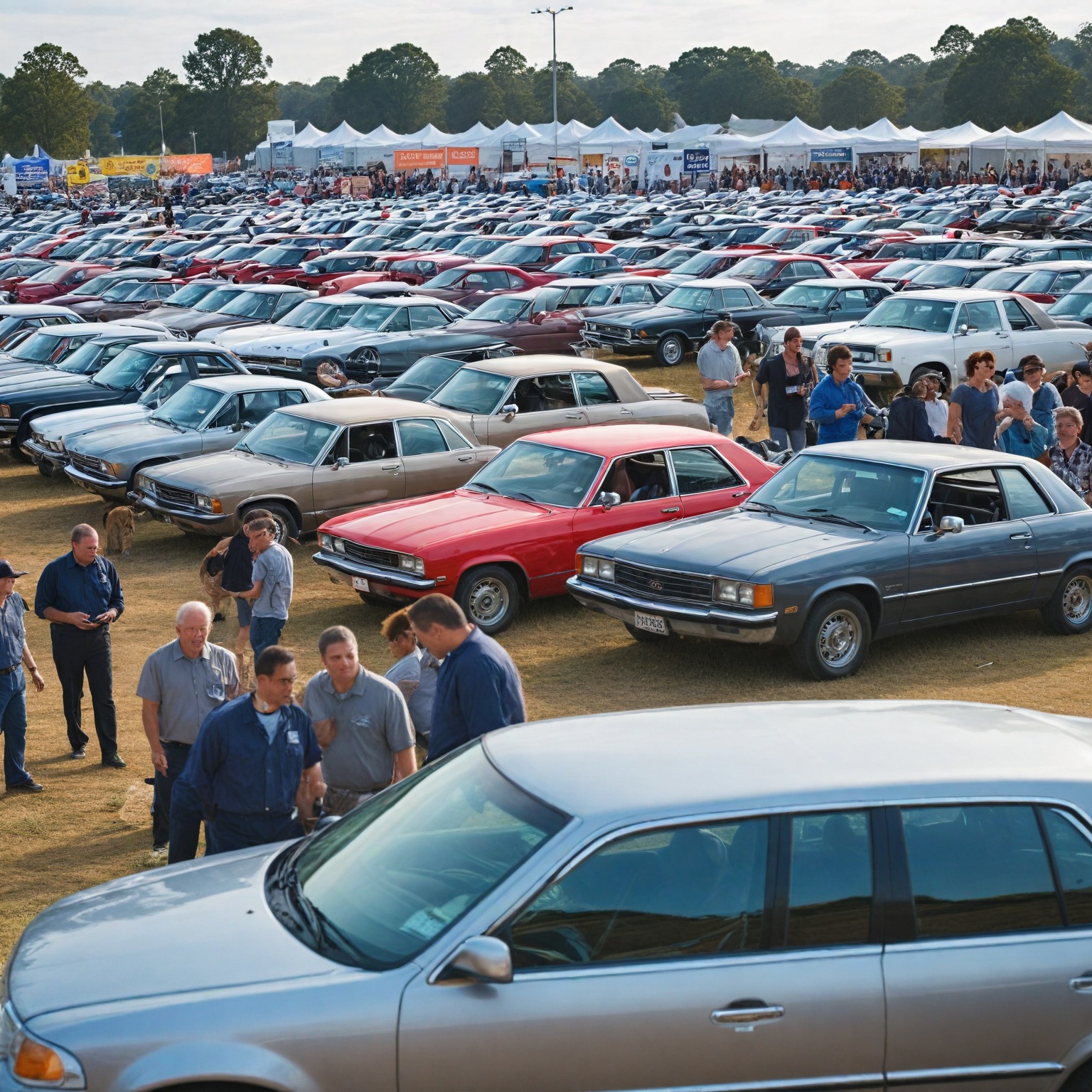
Finding impounded car deals involves exploring various sources and strategies to locate vehicles that have been seized and are available for sale, often at significantly reduced prices. One of the most common ways to find these vehicles is through public auctions organized by local governments, police departments, or other law enforcement agencies. These auctions are frequently advertised in local newspapers, official websites, and community bulletin boards, providing buyers with opportunities to inspect and bid on impounded cars directly.
Online auction platforms such as Copart, IAAI, and RideSafely also specialize in listing impounded and repossessed vehicles. These websites allow users to filter search results by location and vehicle type, making it easier to find suitable deals within the community. Additionally, financial institutions and banks may hold auctions for vehicles repossessed due to non-payment, which can include impounded cars.
Community engagement is another effective approach. Joining local car enthusiast groups on social media platforms like Facebook or Reddit can provide insider information about upcoming auctions, impound sales, or particularly good deals. Similarly, local mechanics, dealerships, and auto body shops might have knowledge of impounded cars for sale or be able to point buyers toward lesser-known auctions or listings.
Traditional media remains a valuable resource as well. Classified sections in local newspapers and automotive magazines often list impounded cars for sale. Checking community bulletin boards at libraries, community centers, and grocery stores can reveal flyers or announcements not posted online.
Prospective buyers should also consider searching online with specific phrases such as “impound lots near me” or “impounded cars for sale in [your city]” to locate municipal websites that list impound facilities and contact information. Local law enforcement agencies can often provide direct guidance on how to access impound lots and participate in auctions.
The Buying Process
Purchasing an impounded vehicle involves several important steps that buyers should carefully follow to ensure a successful transaction. First, prospective buyers need to locate auctions or impound lots where vehicles are available for sale. These auctions can be held regularly and may occur online, in person, or via mail-in bids, often conducted by federal agencies or contracted auction companies. Registration is typically required prior to bidding, and some platforms, like RideSafely, offer free registration and access to multiple auction listings including IAA and Copart.
Before participating in an auction, it is essential to inspect the vehicles whenever possible. Many auction sites provide designated days for viewing vehicles, although some impound yards restrict inspections to registered dealers while others allow public access or offer inspection services. Buyers should assess the condition of the vehicle carefully, as impounded cars are sold “as is” without warranties, and may require additional investment for repairs or maintenance.
When ready to bid, buyers must have the financial means to cover the full purchase price, including a minimum deposit, as well as taxes, title fees, and registration costs. After winning a bid, the buyer must complete all required administrative steps, which typically include transferring the vehicle title and registering the car with the relevant Department of Motor Vehicles (DMV). It is important to confirm that all impound fees, outstanding fines, and penalties have been settled before taking possession; failure to do so may result in rejection of title transfer or continued impoundment.
To retrieve or take possession of the vehicle, buyers need to present proper documentation such as the title, a release form from the impound lot, proof of payment of all outstanding fees, and valid identification. If the registered owner cannot pick up the vehicle themselves, they may authorize a representative with a signed statement to collect it on their behalf. Insurance is mandatory before driving the vehicle away from the lot and is also required for vehicle registration and legal use on public roads.
Throughout the process, buyers should be aware that impounded vehicles carry risks, as their maintenance history may be uncertain and they are sold without warranties. Therefore, thorough preparation, careful inspection, and understanding of the administrative requirements are crucial to successfully acquiring an impounded vehicle at auction.
Legal Procedures and Auction Eligibility
Vehicles are typically impounded due to various reasons including legal violations, regulatory non-compliance, involvement in crimes, abandonment, or posing public safety threats. Once impounded, the vehicle is held for a designated period during which the registered owner can reclaim it by settling outstanding dues and fulfilling legal requirements. If unclaimed, these vehicles often become eligible for auction.
To reclaim an impounded vehicle, the owner or their authorized representative must provide proper documentation such as the title, registration certificate, or bill of sale, and obtain a “Letter of Impound Release” from the Department of Motor Vehicles (DMV). When represented by a third party, a signed authorization statement from the owner is necessary to release the vehicle to the representative. However, there can be complexities regarding title transfer and eligibility during impound periods, sometimes causing uncertainty about required documentation and the ability to transfer ownership until all legal obligations are met.
Auctions for impounded vehicles are generally conducted either directly by the federal or local agencies that hold the cars or through contracted auction companies. These sales may take place online, in person, or via mail-in bids, with many auctions occurring approximately twice a month. Potential buyers are often allowed to inspect vehicles prior to bidding, but they must be diligent about understanding legal paperwork, including title transfers, registration, and the potential for outstanding liens or ownership disputes. Failure to complete proper title transfer after purchase can result in legal complications, as the title remains in the previous owner’s name until formally transferred.
Given the potential legal complexities and administrative requirements, it is advisable to conduct thorough research and, if necessary, consult legal experts when dealing with impounded vehicle auctions to ensure compliance and reduce risks associated with the purchase.
Due Diligence and Legal Precautions for Buyers
When considering the purchase of an impounded vehicle, buyers must undertake thorough due diligence to avoid potential legal and financial pitfalls. One of the foremost concerns is the vehicle’s legal status, which may include unresolved liens, ownership disputes, or outstanding debts. It is essential to verify the vehicle’s history through Vehicle Identification Number (VIN) checks and comprehensive vehicle history reports to uncover any past accidents, major repairs, or claims that could affect ownership or safety.
Buyers should familiarize themselves with the specific policies of the state where the vehicle is being auctioned, as regulations concerning title transfers, registration, and lien clearance can vary significantly. It is also important to note that the purchase price is rarely the only expense; additional costs may include necessary repairs, insurance, and modifications to make the vehicle roadworthy. Administrative procedures such as transferring titles and resolving any outstanding liens must be carefully navigated to ensure proper legal ownership.
Physical inspection of the vehicle is a critical part of the due diligence process. Buyers are advised to inspect vehicles during daylight and dry weather conditions to accurately assess the car’s condition, as rain or artificial lighting can obscure defects. It is recommended to wear appropriate clothing and bring tools such as gloves, a flashlight, and rags to check under the vehicle and examine fluids and components closely. Where possible, a professional mechanic should perform a detailed inspection, including engine diagnostics using scanner tools to identify hidden mechanical issues that may not be apparent to untrained eyes.
Given the variety of auction formats—including online, in-person, and mail-in bids—buyers should verify the credibility of the auction house or agency conducting the sale, especially when dealing with police or federal impounded vehicles. Establishing connections within the automotive community or with experienced dealers can provide valuable insights and improve access to reliable auction sources. Dealers participating in these auctions must present proof of ownership and authorization to sell, which buyers should confirm before proceeding.
Finally, purchasers should be aware that all vehicles are sold “as is,” and must be collected from the location specified by the auction. In cases of disputed bids, auctions may require re-bidding to determine the rightful purchaser. Buyers should also be mindful of the civil nature of many impoundment penalties, which can influence the resolution of ownership disputes and vehicle release proceedings. Exercising caution, conducting comprehensive research, and understanding legal obligations are vital steps to successfully acquiring an impounded vehicle while minimizing risks.
Inspection Techniques and Tools
When considering the purchase of an impounded vehicle, conducting a thorough inspection is crucial to ensure the car’s condition meets your expectations and to avoid costly surprises. Before finalizing any deal, it is highly recommended to have the vehicle scrutinized by a trusted mechanic or repair shop. Dealers typically allow prospective buyers to take the car for inspection if identification is left as collateral. If a dealer insists that their own inspection is sufficient, it is important to insist on an independent evaluation by your mechanic.
Preparation for inspection involves checking the seller’s state policies related to impounded vehicles and planning the inspection on a dry, daylight day for better visibility. Dressing appropriately and bringing tools such as thin gloves, a flashlight, and rags will aid in examining components that might be dirty or hard to reach. Inspecting the vehicle thoroughly includes getting down on the ground to check undercarriage components and fluid levels.
During the physical inspection, several mechanical and aesthetic checks should be conducted. Listening for unusual noises such as grinding or clunking can indicate underlying mechanical issues, while assessing steering response can reveal alignment or suspension problems. For suspension assessment, pressing down on the car and observing the rebound can indicate shock absorber condition—excessive bouncing suggests worn shocks that need replacement. Tires should be examined carefully for uniformity in brand, sidewall cracks, bulges, or scuffing, as inconsistencies may raise concerns about previous damage or maintenance quality.
Modern vehicle diagnostics also involve the use of specialized electronic tools to assess various systems accurately. Digital multimeters provide precise electrical measurements, while oscilloscopes allow mechanics to view electrical signals dynamically, aiding in pinpointing faults within the vehicle’s electrical system. Diagnostic scanners that connect to the vehicle’s onboard computer can retrieve real-time data from sensors, giving insights into engine temperature, fuel efficiency, and potential malfunctions in the engine, transmission, or exhaust systems. Choosing reputable diagnostic tools, such as those from established brands like ANCEL, ensures accuracy and reliability during vehicle evaluation.
Battery and alternator testers are essential for assessing the health of the vehicle’s electrical power components. Battery health checks, routinely performed during vehicle maintenance, can save time and uncover issues early, potentially avoiding unexpected failures.
For impounded vehicles, it is also advisable to document any damage thoroughly with time-stamped photographs or videos, especially if mechanical or aesthetic damages are suspected post-purchase. Such evidence supports claims or disputes regarding the vehicle’s condition after acquisition.
By combining careful physical inspection techniques with advanced diagnostic tools, buyers can make informed decisions and reduce the risks involved in purchasing impounded cars.
Post-Purchase Considerations
After purchasing an impounded vehicle, several important considerations should be addressed to ensure a smooth transition of ownership and avoid potential complications. One critical step is verifying the vehicle’s title status. Many impounded cars are sold with only a bill of sale, and titles are not issued until the buyer completes the necessary paperwork at the Department of Motor Vehicles (DMV). Additionally, some vehicles may still have outstanding liens, which remain attached to the vehicle even after purchase, potentially subjecting the buyer to repossession if the lienholder enforces their rights.
It is also essential to ensure proper documentation when transferring ownership. If a representative is acting on behalf of the registered owner, they must present a signed authorization statement from the owner to legally claim the vehicle. Buyers should be prepared to cover all associated fees beyond the purchase price, including taxes, title registration, and any required deposits if financing through a bank loan.
Insurance is another necessary post-purchase step. Proof of insurance must be presented if the buyer intends to drive the vehicle away from the impound lot. Insurance is legally required for vehicle registration and operation on public roads. Since cars purchased at auction are sold “as is” without warranties, buyers may need to obtain additional coverage or warranties to protect against future repair costs[12
Managing and Participating in Auctions
Auctions are one of the most common and effective ways to purchase impounded vehicles. They can be organized either by the federal agency that owns the vehicles or by contracted auction companies. These auctions may take place online, in person, or through mail-in bids, providing flexibility for potential buyers to participate in different formats.
Many auction sites offer specific days when interested buyers can view the vehicles before placing bids, allowing for inspection and better decision-making. It is important for buyers to be aware of the legal paperwork and administrative tasks involved in purchasing an impounded vehicle. This includes transferring titles, completing registration processes, and addressing any outstanding liens that may be on the vehicle.
Local governments and police departments frequently hold public auctions for impounded vehicles, which are often advertised in local newspapers or on official websites. These public auctions are open to anyone interested and are organized to sell vehicles that have been impounded for various reasons.
For managing impounded vehicles efficiently, some agencies use centralized digital systems that streamline storage lookup, automate fee processing, and simplify lien and notification workflows. These systems also facilitate digital auctions, reaching a broader network of motivated buyers, streamlining vehicle listings, and driving stronger financial returns.
Owners looking to redeem their impounded vehicles must settle all tickets in judgment along with any applicable penalties and interest. If the vehicle is not redeemed within 10 business days of being towed, it may be sold at auction.
Additionally, community bulletin boards, local mechanics, dealerships, and online platforms such as Facebook Marketplace can provide valuable information about upcoming auctions or impounded vehicles for sale. Engaging with community forums and keeping an eye on traditional media classifieds may also uncover leads not widely advertised.
Tips for Finding the Best Deals
Finding the best deals on impounded cars requires a combination of research, networking, and careful budgeting. One of the most effective starting points is utilizing local resources and online tools to identify available vehicles. Using search engines with targeted phrases such as “impound cars for sale near me” or “local impound auctions” can help narrow down listings specific to your area. Engaging with local car enthusiast groups on platforms like Facebook or Reddit is also valuable, as members often share insider information about upcoming auctions or good deals on impounded vehicles. Additionally, community forums and local news pages can provide leads on sales that might not be widely advertised.
Attending auctions, whether public or private, remains one of the most common methods to purchase impounded cars. These auctions may be conducted by the federal agency owning the vehicles or contracted auction companies and can occur online, in person, or through mail-in bids. Potential buyers should look for opportunities to inspect vehicles before bidding, as many auctions designate specific days for this purpose. It is advisable to consider auctions in smaller towns or outside major cities, as these tend to be less crowded and may offer better chances for finding bargains.
When evaluating impounded cars, it is important to set a realistic budget that goes beyond the bid price. Costs such as title transfer, registration, taxes, potential outstanding liens, insurance, and necessary repairs should all be accounted for. Since cars sold at auction are typically “as is” and come without warranties, prospective buyers should be prepared for post-purchase investments to get the vehicle roadworthy. Furthermore, unless the buyer has strong expertise in assessing vehicle damage and repairs, purchasing impounded cars can carry risks related to hidden damage or legal complications such as previous owners’ liens or involvement in criminal activity.
Networking with local mechanics, auto body shops, and used car dealerships can also provide valuable insight and early notice of impounded cars coming up for sale. Personal experiences have shown that substantial bargains can be found with patience and due diligence; for example, one buyer acquired a 2010 Chrysler 300 and a 2010 Dodge minivan for under $1,000 each and invested moderately to make them reliable vehicles.
Risks and Considerations
When purchasing impounded vehicles, buyers should be aware of several risks and important considerations. One major issue is the legal status of the vehicle. Impounded cars may have unresolved liens, ownership disputes, or outstanding fines that must be settled before ownership can be fully transferred. In some cases, a vehicle may be impounded under someone else’s name, which can complicate the purchase and subsequent use of the vehicle.
Another consideration is the financial burden associated with redeeming or retrieving an impounded vehicle. Owners or buyers may be required to pay various fees, including towing charges, storage fees, unpaid tickets, penalties, and interest. These costs can accumulate quickly and may significantly increase the total expense beyond the auction price. For example, it is not uncommon to pay several hundred dollars just to retrieve the vehicle from the tow yard, and there may be additional costs if the vehicle requires keys or other access.
The burden of proof in impoundment cases tends to be lower since the penalties involved are civil, generally consisting of monetary damages rather than criminal sanctions. This means that evidence used in criminal cases, which may sometimes lead to dismissal, can still be considered in impoundment proceedings. As a result, the city or relevant authority may have a stronger position in retaining the vehicle until all liabilities are resolved. If a buyer or owner fails to succeed at a preliminary hearing, the vehicle remains impounded pending a full hearing, prolonging the period before possession can be regained.
Furthermore, because impounded vehicles are often sold “as-is,” buyers should be prepared for potential mechanical issues or hidden damage that may not be immediately apparent. Due diligence through vehicle history reports, inspections when possible, and understanding the auction terms is essential to avoid costly surprises. Given the legal complexities and financial risks, involving a lawyer or seeking professional advice before bidding or redeeming an impounded vehicle is often recommended.
Community Resources and Support
When searching for the best impounded car deals in your community, leveraging local resources and support networks can significantly improve your chances of finding valuable opportunities. One of the primary points of contact is local law enforcement agencies, such as police departments or sheriff’s offices, which often manage or coordinate with impound lots. These agencies can provide essential information about where impounded vehicles are stored and how to access them for potential purchase.
Community bulletin boards located in places like local community centers or libraries also serve as useful information hubs. These boards may display announcements about upcoming car auctions or sales of impounded vehicles, offering a direct way to stay informed about opportunities that might not be widely advertised.
Engaging with local car enthusiast groups and buy-sell-trade communities on social media platforms like Facebook or Reddit can provide additional insights. Members frequently share tips, upcoming auctions, and good deals they have encountered, creating a valuable network for those interested in purchasing impounded cars. Similarly, participating in online forums and community pages focused on local news and events can help uncover leads and auction details shared by residents.
Moreover, connecting with local mechanics, auto body shops, and used car dealerships can be advantageous. These professionals often have knowledge about impounded vehicles available for sale and may assist in navigating the process or even offer recommendations. By utilizing these community resources and support systems, buyers can more effectively locate and acquire impounded vehicles at competitive prices.
The content is provided by Harper Eastwood, Gear Shift Zone