Highlights
- Cordless blinds enhance home safety, style, and energy efficiency in contemporary living spaces.
- Explore the variety of cordless blinds to find the perfect match for your eco-friendly home.
Summary
Cordless blinds have emerged as the leading choice for window treatments in 2025, favored for their combination of safety, style, and technological innovation. Designed without dangling cords, these blinds significantly reduce the risk of accidents involving children and pets, a safety concern that has prompted regulatory bans on corded blinds in several regions, including the United States. This shift toward cordless designs marks a critical development in home safety standards, making cordless blinds not only a popular aesthetic preference but also a legal and practical necessity for many households.
Beyond safety, cordless blinds offer a sleek, minimalist appearance that complements contemporary and traditional interiors alike. Advances in materials and design have expanded their variety, ranging from cellular shades and faux wood blinds to vertical and roller blinds, all featuring smooth, cord-free operation that enhances user convenience and room aesthetics. Additionally, sustainable materials such as bamboo, organic cotton, and recycled fabrics have gained prominence, reflecting growing consumer interest in eco-friendly home products.
Technological innovations play a key role in the evolution of cordless blinds in 2025. Motorized and smart blinds integrate seamlessly with home automation systems, offering remote control, voice activation, and automated scheduling through platforms like Amazon Alexa, Google Assistant, and Apple HomeKit. These features not only improve usability but also contribute to energy efficiency by optimizing natural light and indoor temperature management. Emerging solar-powered options promise further sustainability by enabling maintenance-free operation with rechargeable batteries powered by photovoltaic cells.
Choosing the right cordless blinds involves balancing safety, material quality, functionality, and design preferences. Consumers are advised to prioritize well-engineered systems that ensure durability and compliance with safety regulations while considering factors such as room requirements, accurate measurements, and color accessibility. The rapid growth and innovation in the cordless blinds market reflect a broader trend toward safer, smarter, and more sustainable home environments in 2025.
Benefits of Cordless Blinds
Cordless blinds have become increasingly popular and are now considered the standard window treatment option in 2025, largely due to their combination of style, functionality, and enhanced safety features. One of the primary advantages of cordless blinds is the elimination of dangling cords, which significantly reduces the risk of accidents, particularly for children and pets. This safety aspect has driven regulatory changes, including the ban on corded blinds sales in the United States to prevent injuries caused by entanglement.
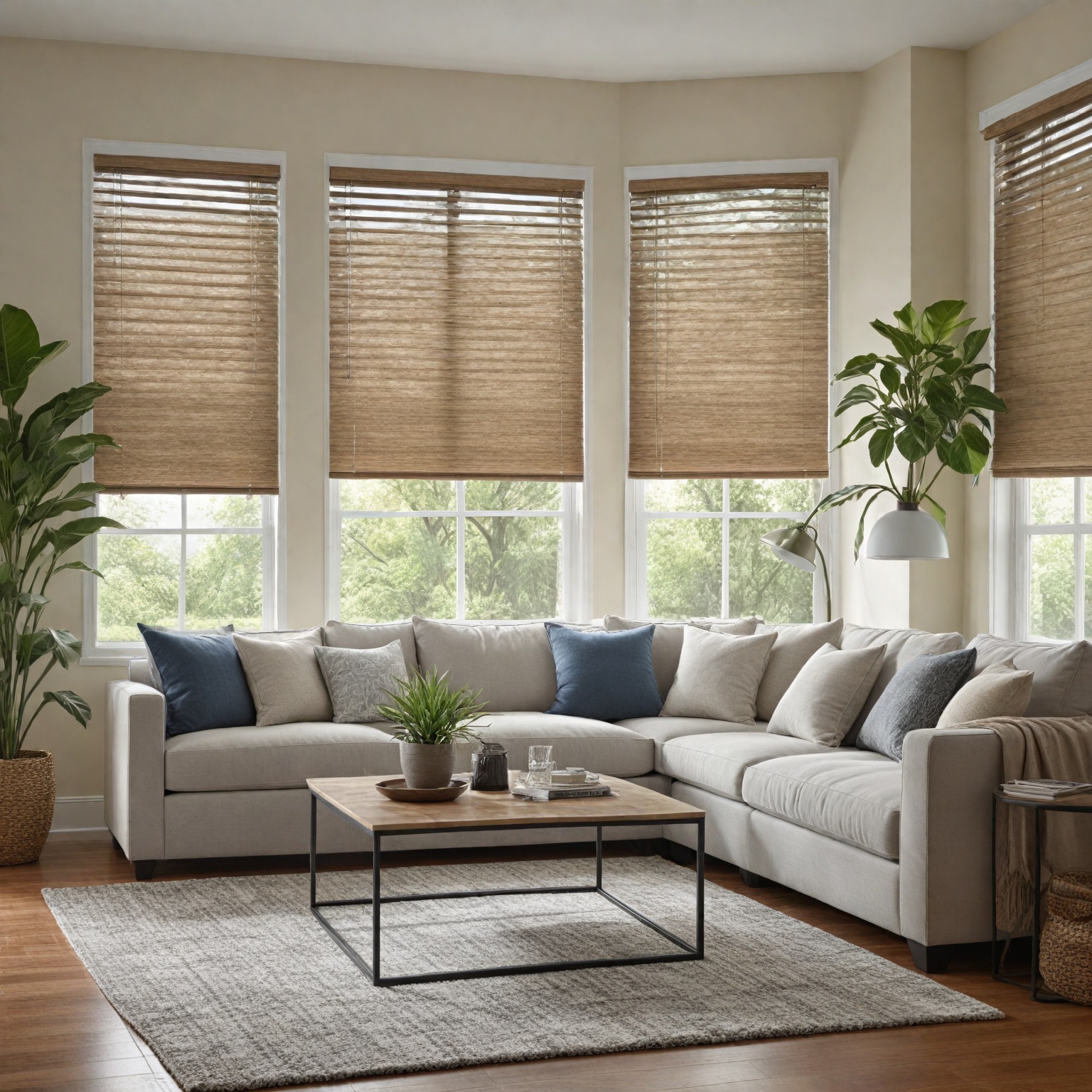
Beyond safety, cordless blinds offer a clean and minimalist aesthetic that aligns well with modern interior design trends. Their sleek, cord-free appearance creates a seamless look that complements both contemporary and traditional spaces without the visual clutter associated with corded options. The cordless mechanism also allows for effortless lifting and lowering, holding the blinds securely at any desired height with smooth operation.
Advancements in technology have further enhanced the appeal of cordless blinds. Motorized cordless blinds enable users to adjust window coverings with the touch of a button, remote control, or even through smart home integration using voice commands or automated schedules. This convenience makes it easier to manage natural light and privacy while supporting modern smart home lifestyles.
Energy efficiency is another notable benefit. Many cordless blinds, particularly cellular or honeycomb designs, offer improved insulation by trapping air and helping to regulate indoor temperatures. This contributes to reduced energy consumption and increased sustainability, a priority for many homeowners today.
Finally, high-quality cordless blinds are engineered for durability, often matching or surpassing the longevity of corded blinds when using robust internal mechanisms. While less expensive spring-loaded models may be prone to failure, investing in well-designed cordless systems ensures compliance with safety standards and provides a positive long-term user experience.
Types and Styles of Cordless Blinds in 2025
Cordless blinds have become a preferred window treatment in 2025 due to their combination of style, safety, and functionality. The market offers a diverse range of types and styles to suit various interior design preferences and practical needs.
Cellular Shades
Cellular shades, particularly blackout cordless cellular shades, are widely appreciated for their light-blocking capabilities and modern aesthetic. These shades provide a safe cordless solution ideal for homes with children and pets, ensuring peace of mind without compromising on style or functionality. Many options, such as the EcoHome Cellular shade collection, are crafted from recycled materials, emphasizing sustainability alongside quality. Installation is generally straightforward, and the shades operate smoothly with cordless mechanisms.
Faux Wood Blinds
Faux wood blinds offer a blend of classic design and practical benefits, including moisture resistance, durability, and ease of maintenance. They support a standard cordless control system, which allows users to lift or lower the blinds by adjusting the bottom rail. These blinds adapt well to a variety of aesthetic styles, from traditional to modern, making them versatile for different interior décors. Additionally, cordless faux wood blinds provide a safe option for families with young children and pets.
Vertical Blinds
Available in fabric, vinyl, and faux wood materials, vertical blinds are particularly suited to rooms with abundant sunlight. Their adjustable vertical slats offer effective light control and privacy, while cordless designs enhance safety and ease of operation. This versatility makes them practical for both residential and commercial spaces.
Roller and Designer Shades
Cordless roller shades are favored for their smooth and quiet operation, available in numerous color and fabric combinations to complement any interior style. Features like Duolite®, which combines an opaque liner with a sheer shade on a single headrail, add functional versatility. Custom roller blinds offer further personalization in material and style, making them a popular choice for enhancing room aesthetics. Their cordless operation ensures a clean, minimalist appearance that aligns with modern design trends.
Smart Cordless Blinds
Motorized cordless blinds with smart-home compatibility have gained traction for combining convenience, safety, and advanced technology. High-end options, such as Serena shades, support major smart-home platforms and offer features like automated louver adjustments based on sunlight position. While some models require hubs compatible with standards like Matter, these smart blinds provide ultra-quiet motors and seamless integration into home automation systems.
Materials and Color Palettes
When selecting cordless blinds for your home in 2025, materials and color palettes play a significant role in both aesthetics and sustainability. Sustainable materials such as bamboo, organic cotton, recycled fabrics, and responsibly sourced wood are increasingly popular choices. These options not only reduce the environmental impact by lowering carbon footprints and avoiding harmful chemicals but also add warmth and natural character to interiors. Their timeless appeal and natural textures complement a variety of décor styles, making them a favored trend among homeowners aiming for eco-friendly window treatments.
Wood and fabric remain the primary materials to focus on for eco-conscious consumers. Wood blinds offer a classic look while being sustainably sourced, ensuring minimal harm to the environment. Fabric blinds are valued for their versatility, durability, and aesthetic appeal, fitting seamlessly into modern interior designs. Cordless blinds made from bamboo and organic cotton are especially trendy, combining sustainability with the natural aesthetic that is gaining momentum in 2025.
Regarding color palettes, natural tones such as muted blues, greens, and browns are increasingly popular, reflecting a desire to bring the outdoors inside. These colors pair well with the natural materials used in window treatments and contribute to a minimalistic, modern aesthetic. Blue, in particular, is a safe choice in colorblind-friendly palettes, as it is less affected by common types of color blindness. Combining blue with complementary hues like orange, red, or brown, and their various shades, can create harmonious and accessible color schemes. Planning your color palette carefully before starting your project, possibly using tools like color palette testers, ensures your cordless blinds complement the overall design without clashing.
Technological Innovations and Features in 2025
The year 2025 marks significant advancements in cordless blinds technology, driven by the growing demand for smarter, safer, and more aesthetically pleasing window treatments. One of the foremost trends is the integration of motorized and smart features, enabling seamless operation via remote controls, smartphone apps, and voice commands through popular platforms such as Amazon Alexa, Google Assistant, and Apple HomeKit. This connectivity extends to compatibility with emerging standards like Matter, ensuring broad interoperability across smart home ecosystems.
A key innovation in cordless blinds is the shift from traditional spring-loaded mechanisms to professionally engineered cordless systems that prioritize durability and ease of use. While basic spring mechanisms often fail to support heavier blind materials, high-quality cordless blinds now feature robust internal mechanisms that provide smooth, reliable lifting and lowering without sagging or jamming. These designs contribute to a clean, modern aesthetic by eliminating unsightly cords and enhancing user convenience.
Smart cordless blinds in 2025 also offer extensive customization options, including motor types that vary in integration capability—from simple battery-operated motors supporting remote controls to Zigbee, Z-Wave, and Matter-compatible motors that enable full smart home integration. Power solutions have likewise advanced, with rechargeable batteries lasting between four to six months on a single charge and multiple recharging options such as USB cables, power banks, and compact solar panels. Solar-powered smart blinds, incorporating photovoltaic cells that generate 2-5 watts per window, are becoming commercially viable, promising sustainable, maintenance-free operation with indefinite battery charge in the near future.
Installation and maintenance of these modern blinds have also been simplified. Many models are designed for quick setup, and troubleshooting guides now provide step-by-step procedures to restore unresponsive cordless mechanisms without dismantling the entire unit, helping to extend the product lifespan and maintain smooth operation. Additionally, smart blinds increasingly feature child-safe designs, eliminating hazards associated with dangling cords while offering motorized convenience through simple touch or remote control.
Finally, the integration of innovative light-filtering technologies allows homeowners to optimize natural light management. Some smart blinds adjust louvers subtly throughout the day to enhance lighting based on the sun’s position, combining functionality with energy efficiency and contributing to a home’s value as a future-proof investment. Overall, 2025’s cordless blinds represent a harmonious blend of technology, safety, design, and sustainability tailored to modern living environments.
Factors to Consider When Choosing Cordless Blinds
Selecting the right cordless blinds for your home involves a combination of practical and aesthetic considerations to ensure safety, functionality, and style. Safety is paramount, especially in homes with young children or pets. Cordless blinds eliminate the hazards associated with dangling cords, making them the safest option for windows that are within reach of toddlers or animals. This safety advantage is a key reason cordless blinds have grown in popularity as a preferred window covering choice.
Another critical factor is the material of the blinds. Sustainable and eco-friendly options such as bamboo and organic cotton are trending for 2025, aligning with the broader movement toward natural aesthetics and environmental responsibility. These materials not only contribute to a stylish, modern look but also support sustainability goals. Wood and fabric blinds, sourced from renewable and recyclable materials, also remain popular for their durability and aesthetic versatility.
Functionality and ease of use should also influence your decision. Cordless blinds can be manual or motorized, with the latter offering enhanced convenience through remote or touch controls. Motorized cordless blinds are especially beneficial for hard-to-reach windows, combining safety with modern smart home integration. Additionally, innovative light-filtering technologies found in many cordless designs enable better control over natural light and privacy, tailoring window treatments to specific room needs.
When measuring for cordless blinds, precise dimensions are necessary to ensure a proper fit and optimal light control. An outside mount is recommended for windows with narrow frame depths, with measurements taken from above the top sill to below the bottom sill and extending beyond the frame width to maximize privacy.
Finally, consider your lifestyle and the specific requirements of each room. Factors such as desired light levels, privacy needs, energy efficiency, and personal style preferences play important roles in choosing the best cordless blinds. Opting for color palettes that are inclusive, such as blue-based combinations, can also enhance accessibility for those with color vision deficiencies.
By weighing these factors—safety, material, functionality, accurate sizing, and personal needs—you can make an informed decision that balances style, durability, and convenience for your home’s window treatments in 2025.
Installation Guidelines and Maintenance Tips
Ensuring proper installation and ongoing maintenance is essential to maximize the safety, durability, and performance of cordless blinds. A high-quality, well-engineered cordless blind system not only enhances user experience but also helps maintain compliance with current safety standards.
Installation Guidelines
When installing cordless blinds, especially in homes with children, it is recommended to mount the bottom rails at least 48 inches above the floor in children’s areas. This height exceeds the commonly suggested 36 inches, providing an added safety margin to prevent accidents. Additionally, incorporating window opening restrictors can further enhance safety by preventing falls.
Professional installation is crucial for correct mounting and the proper placement of safety devices such as cord cleats and warning labels. Installation guides should include clear diagrams that show the exact positioning of these safety components to reduce the risk of user error. Since long-term safety also depends on user education, installers and manufacturers should emphasize maintenance routines and safe operation practices during setup.
Maintenance Tips
Regular maintenance is key to keeping cordless blinds functioning smoothly and safely. For instance, spring mechanisms in cordless blinds typically require adjustment every 2 to 3 years to maintain proper tension and ease of use. Users should periodically inspect all components—whether cords, chains, or internal mechanisms—for wear and damage. Any damaged parts should be replaced promptly to prevent malfunction.
Cleaning blinds according to their material type helps preserve their appearance and function. Fabric blinds such as Roman or cellular shades can be gently dusted or spot-cleaned with a damp cloth, while metal, wood, or faux wood blinds benefit from wiping with a mild detergent solution.
For motorized or battery-operated cordless blinds, battery compartments, especially those accessible to children, should be secured with tools or locks to comply with safety regulations. Regular battery inspection and replacement are necessary to ensure uninterrupted operation.
In cases where cordless blinds become unresponsive or difficult to operate, specific troubleshooting procedures can re-engage the internal mechanisms without the need for complete disassembly. Following manufacturer guidelines for such maintenance extends the blinds’ lifespan and avoids costly replacements.
Replacing older corded blinds with child-safe cordless alternatives is the best method to minimize strangulation risks for children and pets. If immediate replacement is not possible, extra precautions, including secure installation and proper maintenance, become even more critical.
Environmental Impact and Sustainability
Sustainability has become a central consideration for homeowners selecting cordless blinds in 2025, with an emphasis on materials that minimize environmental impact while enhancing indoor aesthetics. Popular choices include blinds made from bamboo, organic cotton, recycled fabrics, and responsibly sourced wood. These materials are favored not only for their renewable origins but also for their ability to reduce carbon footprints, as they are often recyclable and free from harmful chemicals or synthetic treatments. The natural textures and earthy tones of these sustainable materials provide a timeless appeal that complements a wide range of interior décor styles.
Wood and fabric remain the two primary materials in eco-friendly window treatments, with wood blinds offering both sustainability and an elegant look, while fabric provides versatility and durability. Bamboo and organic cotton, in particular, have gained traction for cordless blinds due to their stylish appearance and alignment with the growing natural aesthetic trend of 2025. Choosing these materials supports healthier indoor air quality and contributes to a reduced environmental impact, appealing to environmentally conscious consumers.
In addition to material selection, advancements in smart blind technology further enhance sustainability. Emerging solar-powered cordless blinds integrate photovoltaic (PV) cells capable of generating 2 to 5 watts per window, enabling maintenance-free operation with indefinite battery charge potential. These solar panels are compact and easy to mount, providing a sleek, cordless experience by recharging built-in batteries that typically last 4 to 6 months on a single charge. This integration of renewable energy
Popular Brands and Manufacturers in 2025
In 2025, the blinds market continues to evolve with a mix of traditional craftsmanship and advanced technology. Leading brands have adapted by integrating smart, motorized options alongside classic designs, catering to the increasing consumer demand for convenience and style. Popular manufacturers are emphasizing natural tones, minimalistic aesthetics, and bold patterns to align with current trends.
Data from Google Trends and e-commerce platforms like Amazon indicate a strong and steady interest in window blinds, particularly highlighting growth in motorized and blackout roller shades. This reflects how top brands are focusing on smart technology and customization to meet diverse customer needs while maintaining quality and sustainability standards. Consumers looking for cordless blinds in 2025 will find a wide selection from manufacturers that prioritize both functionality and modern design, making it easier to find products that complement any home interior.
Frequently Asked Questions
What are cordless blinds and why are they important in 2025?
Cordless blinds are window coverings that operate without the use of traditional pull cords. In 2025, they have become more than a convenience or aesthetic choice; they are now a legal requirement in many regions due to safety concerns, especially in homes with children and pets. This shift has significantly changed the conversation around window treatments, emphasizing not just cordless functionality but also the quality and reliability of these products.
How popular are cordless blinds compared to other types?
Search interest data indicates that while the general term “window blinds” peaked globally in popularity in June 2025, cordless blinds have gained substantial attention within this category. Roller blinds have shown steady growth but cordless options are becoming increasingly dominant due to safety regulations and consumer demand for improved designs.
What variety of cordless blinds are available on the market?
The market offers a wide range of cordless blinds, including fabric blinds, pleated shades, day & night blinds, and faux wood blinds such as the 2″ SelectWave Cordless Faux Wood Blinds. These products come in multiple filters including color, size, price, room suitability, features, and brand, allowing consumers to find cordless blinds that suit both their functional and aesthetic needs.
Are cordless blinds more expensive than traditional blinds?
While cordless blinds can sometimes carry a premium price tag due to enhanced safety features and newer technology, the market now reflects a growing demand for high-quality cordless options rather than just any cordless solution. Consumers and professionals alike are prioritizing durability and performance alongside safety, which can affect pricing.
How do I ensure I am choosing good quality cordless blinds?
Given the recent surge in demand driven by legal requirements, the market has revealed a significant quality gap. It is important to select cordless blinds from reputable brands and check for certifications or reviews that affirm their safety and functionality. Clients are increasingly seeking “good cordless” blinds that combine compliance with high standards in design and operation.
The content is provided by Blake Sterling, Gear Shift Zone