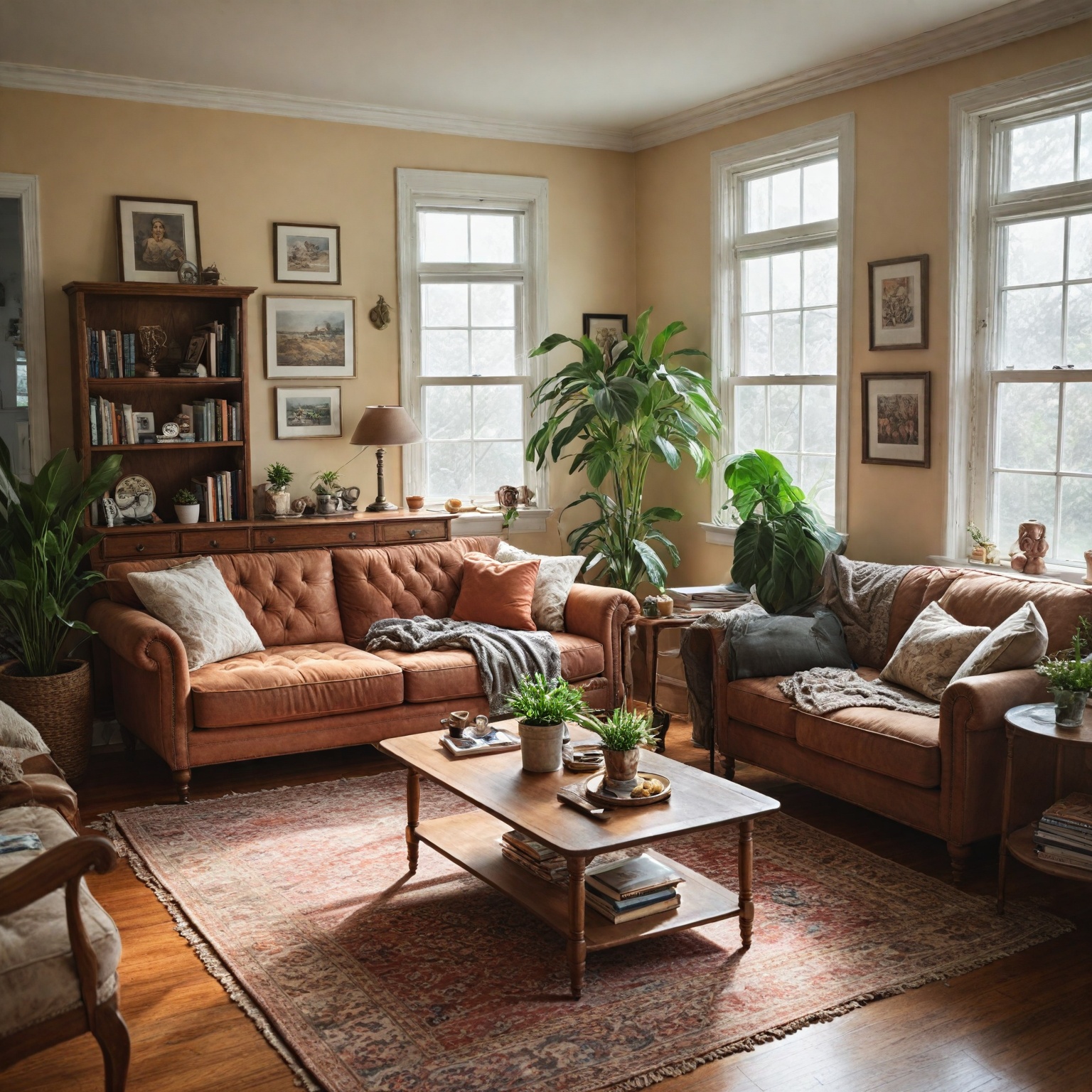
Highlights
- Thrift store sofas offer unique style and sustainability, appealing to smart shoppers.
- Knowledgeable thrift shopping ensures durability and long-lasting comfort without excessive costs.
Summary and Benefits of Buying Sofas from Thrift Stores
Buying sofas from thrift stores offers an affordable, sustainable alternative to new furniture, often featuring durable vintage or hardwood pieces at lower prices. This reduces waste and environmental impact by limiting new furniture production. Thrift shopping requires preparation, such as timing visits strategically and thoroughly inspecting sofas for frame quality, upholstery condition, and potential issues like water damage or pests. While unique finds are rewarding, secondhand sofas may need cleaning or refurbishing, and negotiation or transportation can pose challenges. Overall, thrift store sofas combine cost savings, environmental benefits, and distinctive style with informed shopping.
Preparation and Inspection
Before shopping, create a focused list and time visits after restocks or during less crowded weekdays for the best selection. Inspect sofas carefully: prefer solid hardwood frames with reinforced joints, avoid softwood or composite materials, and check upholstery for durability and damage. Test the sofa’s weight, support, and cushion quality. Watch for odors, stains, pests, and water damage, which can undermine comfort and longevity. Bringing a tape measure and planning transport are essential to ensure fit and safe handling.
Materials, Construction, and Maintenance
High-quality sofas have solid hardwood frames like oak or maple, reinforced joints, and durable upholstery such as tightly woven linen or cotton. Cushions with high-resilience foam wrapped in softer padding offer balanced comfort. Avoid particleboard frames and poorly constructed joints. Regular maintenance—including proper cleaning based on fabric codes, deodorizing with baking soda, and professional cushion re-stuffing—extends sofa life. Inspecting for structural damage and moisture issues helps prevent costly repairs and health risks.
Negotiation, Timing, and Store Selection
Polite negotiation, especially at small independent stores, can lower prices; offering about 80% of the marked price is reasonable. Visit thrift stores early in the week or midweek for fresh inventory and less competition. Seasonal donation surges, sale days, and following stores on social media improve access to deals. Exploring multiple stores and online options helps compare quality and price. Engaging with staff may reveal upcoming sales or negotiation opportunities.
Transporting, Cleaning, and Refurbishing
Plan transportation carefully, using suitable vehicles and securing furniture with blankets and cords. Measure spaces and the sofa beforehand to avoid fit issues. Thorough cleaning and sanitizing before bringing sofas indoors is crucial due to potential pests and odors. Use baking soda for deodorizing and test cleaners on hidden fabric areas. Minor cosmetic repairs may be needed, while major structural problems should be avoided.
Tips for Smart Shoppers
Successful thrift sofa shopping involves comparing multiple sources, timing visits after restocks or sales, and following stores online for updates. Focus on solid hardwood frames and quality upholstery, even if reupholstering is needed. Inspect for stability issues and pest presence, and be prepared to negotiate using market knowledge. Awareness of assembly needs and possible wear enhances decision-making. Combining preparation, inspection, and negotiation helps buyers find stylish, durable, and valuable thrift store sofas.
The content is provided by Harper Eastwood, Gear Shift Zone