Highlights
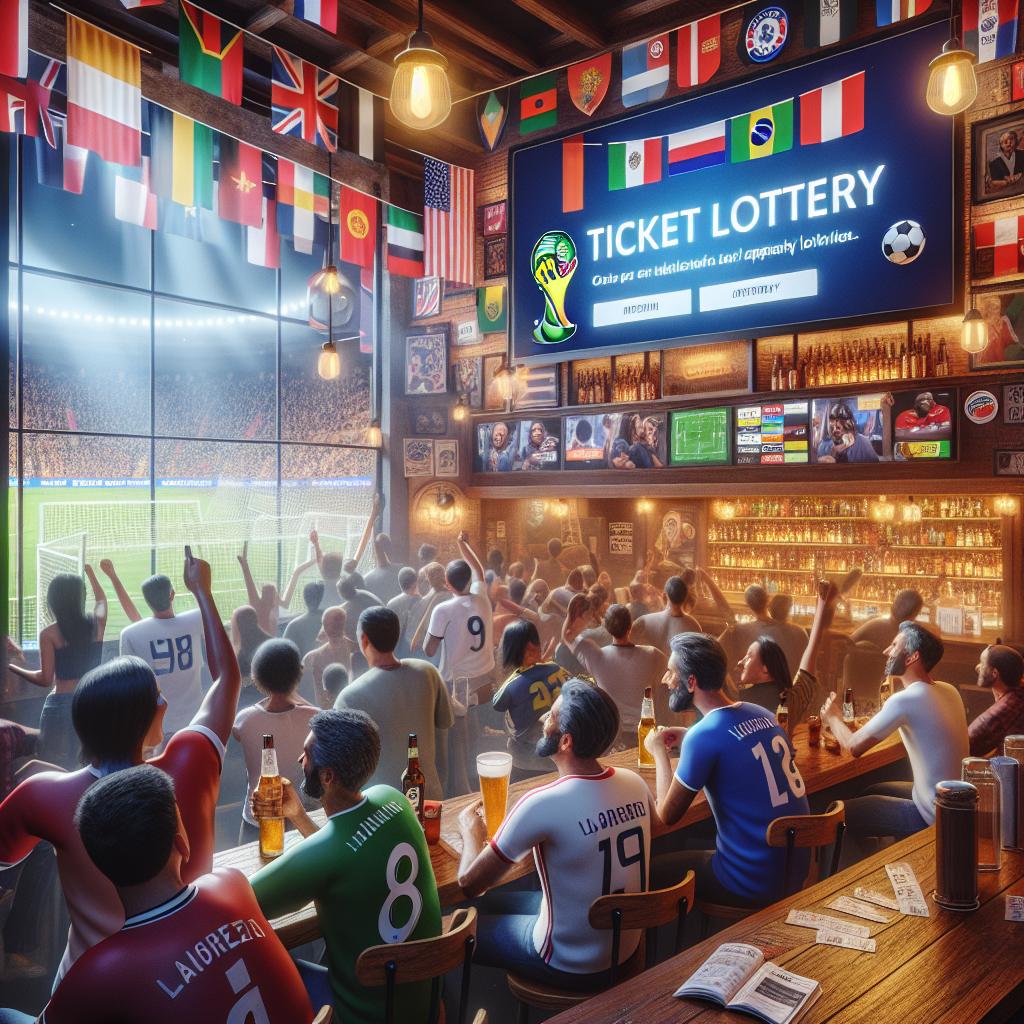
- The 2026 World Cup ticket lottery ensures fair access amid high global demand.
- FIFA's resale platform could enhance ticket access, but raises concerns about inflated prices.
Summary
The 2026 FIFA World Cup ticket lottery system is a comprehensive and multi-phase ticket distribution process designed to manage the exceptionally high global demand for tickets to the tournament, which will be jointly hosted by the United States, Canada, and Mexico. Departing from traditional first-come, first-served or presale code methods, the system employs a random lottery draw to allocate tickets fairly among applicants worldwide, aiming to provide equal opportunity regardless of when applications are submitted. This approach is notable as one of the most transparent and equitable ticketing models in World Cup history, intended to curb scalping and improve accessibility for fans across all 211 FIFA member associations.
Tickets are categorized into four pricing tiers based primarily on seating proximity to the pitch, with Category 4 tickets offering the most affordable, albeit less premium, options. Each household is limited to purchasing a maximum of four tickets per match and 40 tickets for the entire tournament, ensuring wider distribution and preventing bulk buying. The lottery phases begin after the World Cup group stage draw, with results announced in early 2026, followed by first-come, first-served sales and an official FIFA resale platform that allows secure ticket transfers and secondary market transactions.
A significant innovation in the 2026 ticketing system is FIFA’s authorized resale platform, legally enabled by North American regulations, which permits unrestricted resale prices and generates revenue for FIFA from a 30% commission on secondary sales. While this expands access by encouraging a larger initial release of tickets, it has sparked controversy among fan groups and consumer advocates who criticize FIFA’s role as a large-scale reseller and express concerns over inflated resale prices and the ethical implications of legalized scalping.
The system has also faced operational challenges, such as website bandwidth issues during presale registrations and limited transparency regarding the exact allocation of tickets between phases. Despite these hurdles, FIFA maintains that the lottery-based process combined with fixed ticket pricing in the initial sales phases supports affordability and fairness, reflecting a balancing act between commercial success and equitable fan access to one of the world’s most-watched sporting events.
Background
The 2026 FIFA World Cup ticket lottery system was introduced to manage the high demand and limited availability of tickets for the tournament. Tickets are categorized primarily based on proximity to the pitch, with seats closer to the field generally falling into higher-priced categories. Unlike traditional presale systems that rely on early access codes, the lottery system utilizes a random selection process followed by a first-come, first-served approach to allocate tickets fairly among applicants. Given the immense global interest in the event, the initial presale experienced significant website bandwidth issues, likely caused by a surge of fans attempting to register at the opening of the presale window. FIFA has not disclosed the exact proportion of total ticket inventory available during this initial lottery phase, leaving some uncertainty about the overall allocation strategy.
Each national football federation is responsible for setting its own eligibility criteria and ticket distribution process within its region. However, FIFA has established a uniform purchase limit across all sales phases: a maximum of four tickets per match and up to 40 tickets per household for the entire tournament. To improve chances in the lottery, individuals applying as part of a group are encouraged to submit individual applications first and then use group codes to try and secure adjacent seating if multiple tickets are allocated. Additionally, FIFA now allows ticket transfers between individuals, providing more flexibility for fans who receive tickets through the lottery but wish to exchange them. The first lottery phase follows the announcement of the Group Stage match schedule, and results are typically released within a few weeks, offering fans their first opportunity to purchase official tickets after detailed match information becomes available.
Overview of the 2026 World Cup Ticket Lottery System
The 2026 FIFA World Cup ticket distribution employs a comprehensive lottery system designed to provide a fair and transparent allocation of tickets to fans worldwide. National football associations receive a designated allocation of tickets—typically about 8% of each stadium’s capacity—which they distribute through their own ballot systems. For example, Football Australia restricts ballot entries to Football Account Plus members, with each member entitled to one entry per match.
The ticket sales process involves multiple phases. Initially, a Random Lottery phase accepts applications within a specific timeframe, giving all applicants an equal chance regardless of when they apply. This is followed by a First-Come, First-Served phase, where tickets become available for direct purchase until sold out. Additionally, FIFA operates an official resale platform to facilitate legitimate ticket transfers and combat scalping.
Applicants must possess a FIFA ID to participate in the lottery, and each household is limited to purchasing a maximum of four tickets per match and up to 40 tickets across the entire tournament. New applicants can also select a limited-edition World Cup 2026 card design as part of their FIFA ID profile. Prior lottery entries do not affect eligibility for future draws, and fans selected in the lottery are notified by email, with payment automatically charged to their accounts in February 2026.
Tickets are divided into four categories based on seating location and price. Category 4 tickets represent the most affordable option and are located in the upper tiers of stadiums, typically outside of Categories 1 to 3. Each stadium also includes designated accessible seating areas to accommodate individuals with disabilities and limited mobility. Despite the categories, fans do not know the exact seat location when purchasing tickets and must accept their seat assignment as part of the lottery process.
FIFA initially proposed dynamic or variable pricing—where ticket prices would fluctuate based on demand—but later committed to setting fixed prices for each ticket sales phase to ensure affordability and fairness. This approach aligns with FIFA’s broader goal of supporting football development globally by providing access to fans from all 211 member associations, including those from less affluent countries.
In addition to the lottery and sales phases, travel considerations are important. For example, visa and entry requirements vary among the host countries (United States, Canada, and Mexico), with some offering visa-free entry or electronic authorizations for certain nationalities. Priority visa appointments are available for World Cup ticket holders, encouraging fans to apply early despite no advantage in the timing of ticket applications.
Application Process
The application process for the 2026 FIFA World Cup ticket lottery is designed to be accessible and straightforward, with the primary ticket sales conducted through a random selection draw. The application window opens at 4 pm UK time on 11 December and remains open until 13 January 2026. During this period, fans can submit applications for tickets to specific matches via the official FIFA ticket portal.
To apply, users must have an existing FIFA ID, which can be created in advance through FIFA’s website. Applicants log in using their credentials and enter the random selection draw. There is no advantage to applying early since all fixtures remain available throughout the entire application window. Each household is limited to purchasing a maximum of four tickets per match and a total of 40 tickets for the entire tournament.
Applicants can withdraw their application before the closing date if they choose to do so and may re-enter using the same access code before the deadline. Once the deadline passes, no further entries will be accepted. Following the closure of the application window, FIFA conducts a lottery to determine which applications are successful. Applicants are then notified by email in February, and if selected, they are automatically charged for the tickets.
It is recommended that fans who plan to attend with a group create multiple FIFA accounts to increase their chances, as successful applicants cannot pick and choose specific tickets but will be allocated them based on the lottery outcome. Additionally, tickets are sold at face value only through the official FIFA platform, and supporters are cautioned against purchasing from unofficial resale sites due to risks of cancellation without notice.
The application process ensures fairness by using a lottery system rather than a first-come, first-served approach. Dynamic pricing, referred to by FIFA as “variable pricing,” will be implemented in some phases of ticket sales, although this is separate from the initial random draw phase. Overall, the system aims to provide an equitable opportunity for fans worldwide to secure tickets for the 2026 World Cup matches.
Lottery Draw and Ticket Allocation
The ticketing process for the 2026 FIFA World Cup involves multiple phases, including random lotteries and first-come, first-served sales. Unlike previous tournaments, there is no presale code or early access that favors scalpers; instead, a random lottery system ensures equal chances for all applicants regardless of when they apply during the specified timeframes.
The third phase, known as the Random Selection Draw, opens after the World Cup draw on December 5, when teams are placed into groups and host cities are confirmed. During this phase, fans can apply for tickets to specific matches between December 11 and January 13, 2026. Each household may purchase a maximum of four tickets per match and up to 40 tickets for the entire tournament. Once applications are submitted, a draw determines whether applicants are successful, partially successful, or unsuccessful in obtaining tickets.
Ticket prices in this phase are set at fixed rates, as FIFA has moved away from initially proposed dynamic or variable pricing models due to affordability concerns. Tickets are categorized into different pricing tiers, with Category 4 representing the most affordable option, typically located in the upper tier of the stadium. While Category 4 seats may have less optimal views, they still provide an opportunity for fans to experience the World Cup atmosphere at a lower cost.
After the lottery, winners are assigned tickets within their selected categories but cannot choose exact seat locations. Distribution of tickets is expected to occur in the second quarter of 2026. In addition to the lottery, later phases will include first-come, first-served sales and last-minute ticket releases to accommodate fans who were unsuccessful in earlier rounds.
FIFA also operates an official resale platform to facilitate legitimate ticket transfers, ensuring a secure way for fans to buy or sell tickets outside the initial sales phases. Supporters’ tickets require eligibility confirmation by the respective member associations, such as the United States Soccer Federation for U.S. fans. For groups applying together, it is recommended that individuals submit separate applications to increase chances of success, using group codes to attempt to secure adjacent seating if tickets are allocated.
Accessible seating areas are designated in all stadiums to accommodate individuals with disabilities or limited mobility, ensuring inclusivity throughout the tournament. Overall, the lottery and allocation system aims to balance fairness, affordability, and accessibility for the global fanbase attending the 2026 World Cup.
Ticket Distribution and Collection
The ticket distribution for the 2026 World Cup involves multiple phases, beginning with a lottery system designed to allocate tickets fairly. Initially, fans enter a random lottery to apply for tickets across different categories, with no presale codes or early access granted to any particular group, including scalpers. The lottery winners are then charged for their selected tickets directly through their accounts, marking a departure from previous FIFA ticketing processes where payment was not immediately required upon selection.
Following the lottery phase, any remaining tickets are released on a first-come, first-served basis closer to the tournament date. This secondary release operates similarly to a standard online ticket sale, allowing fans another opportunity to purchase tickets outside the lottery system. It is not clearly specified how much of the total ticket inventory is allocated between the lottery and the subsequent sale phases.
Tickets must be purchased exclusively through FIFA’s official website to ensure validity and face-value pricing, as tickets are sold at official prices from the outset rather than depending on secondary markets. While cheaper Category 4 tickets are available, these are in limited supply and often located in less desirable seating areas that may require some effort to locate within the stadium layout.
Regarding ticket resale, only isolated cases of issues such as incorrect pricing and fees have been reported, suggesting that most transactions proceed without significant problems. Overall, the system aims to provide a transparent and equitable method for fans to secure World Cup tickets.
Strategies and Best Practices for Applicants
When applying for tickets through the 2026 World Cup ticket lottery system, there are several strategies and best practices that can improve an applicant’s chances of securing tickets and optimize the overall experience.
Individual Applications and Group Coordination
If applying as part of a group, it is generally advisable that each member submits their application individually rather than relying on a single group application. This approach increases the probability of each person obtaining tickets. Applicants can then use the group code to try to be allocated seats near one another, provided all members are successful in securing tickets.
Understanding the Application Process
Applicants must have an existing FIFA ID and use it to log into the ticket portal where they can enter the Random Selection Draw. Importantly, previous lottery entries do not impact eligibility for subsequent entries, allowing multiple attempts across different phases. Each applicant can request up to four tickets per match and up to 40 tickets total across the entire tournament per household.
Timing and Ticket Selection
The lottery system operates on a random selection basis, meaning that applications received at any time during the submission window have equal chances of success. During the third phase of ticket release, applicants have the option to select tickets for specific matches, increasing control over which games they attend. After the lottery phases, tickets may become available through first-come, first-served sales and last-minute sales phases, offering additional opportunities for ticket purchase.
Pricing and Payment
Once selected for tickets, applicants will be automatically charged the ticket price through their FIFA account, eliminating uncertainty over payment at later stages. Tickets are sold at face value through the official FIFA platform, ensuring transparent pricing and avoiding inflated secondary market costs.
Official Resale and Transfer Considerations
FIFA operates an official resale platform to facilitate legitimate ticket transfers. Applicants and ticket holders are advised to use this platform to avoid issues related to fraudulent resale or incorrect pricing. Awareness of the resale process and potential fees is essential to avoid unexpected complications.
Delivery and Access Codes
Delivery methods for tickets will be communicated by FIFA, with details expected to be provided closer to the event. Eligible insiders may receive FIFA PMA access codes early in the year, which can provide additional purchasing options or pricing information.
By following these strategies—applying individually, submitting applications early within the window, selecting desired matches carefully, and using official FIFA channels—applicants can maximize their chances of obtaining tickets while navigating the complexities of the 2026 World Cup ticket lottery system.
Common Mistakes and Pitfalls to Avoid
One common mistake applicants make is applying for ticket categories without fully understanding their preferences or the implications, such as selecting lower-tier tickets like Category 3 for all matches without considering if this suits their viewing experience, which may lead to regret after allocation. It is important to carefully review ticket categories before submission to avoid dissatisfaction.
Another pitfall is the misconception that applying early gives an advantage. In reality, the application window remains open until January 13, 2026, and all fixtures are available throughout this period. FIFA conducts a random lottery after the deadline, meaning the timing of the application does not influence the chance of success. Applicants should avoid rushing to submit early, which can result in incomplete or rushed applications.
Applicants sometimes overlook the option to withdraw and re-enter their application before the closing date. This can be useful if changes need to be made or if additional information is required. However, once the deadline passes, no further entries or changes are possible, so careful consideration is necessary before final submission.
Groups applying together often misunderstand the best strategy for increasing their chances. It is recommended that each individual in a group submits a separate application to maximize the odds of success. Afterwards, the group access code can be used to try to secure seating together if all members are allocated tickets.
There are also restrictions on ticket purchases that applicants may not fully consider. A household is limited to purchasing a maximum of four tickets per match and a total of 40 tickets for the entire tournament. Violating these limits or attempting to buy more through unofficial channels can lead to ticket cancellation without notice.
Finally, applicants should be cautious about geopolitical issues that might affect ticket holders from certain countries. For instance, some delegations have
Rules, Policies, and Security Measures
The ticketing system for the 2026 FIFA World Cup incorporates a series of rules and policies designed to regulate ticket sales, resales, and usage, alongside security measures intended to protect fans and ensure fairness. Tickets for the tournament matches will be sold primarily through a lottery system, where applicants submit entries and are then randomly selected as either successful, partially successful, or unsuccessful in obtaining tickets. The official FIFA website remains the sole authorized platform for purchasing tickets, with face-value prices fixed from the initial sales phase to maintain affordability and transparency.
A significant change in the 2026 World Cup ticketing is FIFA’s operation of its own authorized resale platform. Unlike previous tournaments, FIFA will allow ticket holders to resell their tickets without any cap on resale prices, effectively legalizing what is commonly considered “scalping” within the context of the event. This resale system, enabled by regulatory allowances in the United States and Canada—two of the three host countries—permits FIFA to capture 30% of every secondary market transaction. Critics, including groups such as Football Supporters Europe and Euroconsumers, have condemned FIFA’s role as a reseller, arguing that legal does not equate to ethical, and accusing FIFA of exploiting loopholes to profit from inflated resale prices.
The presence of authorized reselling incentivizes FIFA to release a higher volume of tickets initially, as it benefits financially from subsequent resale activity. This increased supply may help fans by expanding access, though in cases of extreme scarcity, such as for the World Cup Final, consumers may ultimately pay more due to FIFA capturing additional value through resale fees. While most ticket resales proceed without issue, isolated reports have emerged of individuals encountering unexpected fees or complications during resale transactions on FIFA’s platform.
To enhance security and mitigate fraud, FIFA strictly warns against purchasing tickets from unofficial resale sites, which risk cancellation without notice and may expose buyers to counterfeit or invalid tickets. The ticket lottery and resale system also include transfer mechanisms, allowing winners of the lottery to transfer tickets securely through the FIFA Ticketing Portal. Additionally, FIFA has introduced the FIFA Prioritised Appointment Scheduling System (FIFA PASS) to assist visa applicants attending the World Cup, aiming to streamline the visa application and interview process through a dedicated portal.
Despite these measures, challenges remain, as scalpers and bots have infiltrated lotteries and resale markets, with tickets appearing on third-party sites such as StubHub and SeatGeek, as well as through unofficial channels on social media and forums. Fans face a difficult choice between risking inflated prices or missing out entirely, underscoring the ongoing tension between accessibility, fairness, and commercial realities in World Cup ticketing.
Legal and Regulatory Framework
The 2026 FIFA World Cup™ ticket lottery and resale system operate under a unique legal and regulatory environment, particularly influenced by the differing laws in the host countries: the United States, Canada, and Mexico. Notably, FIFA is leveraging specific regulations, or the absence thereof, in the U.S. and Canada to run an official resale platform that legally allows secondary ticket sales, from which FIFA collects a 30% commission on every transaction.
Unlike previous tournaments where FIFA controlled ticket resale prices, the 2026 World Cup resale system permits all citizens, except those from Mexico, to engage in ticket reselling activities—commonly referred to as “touting” or “scalping”. This change reflects a significant shift in FIFA’s approach, as the organization directly benefits from secondary market transactions under current North American laws.
The terms and conditions governing ticket sales and usage for the tournament are accessible on FIFA’s official website, providing transparency and legal clarity to buyers and sellers alike. Despite the legality of ticket scalping in these jurisdictions, consumer advocacy groups such as Football Supporters Europe (FSE) and Euroconsumers have criticized FIFA for effectively becoming a large-scale scalper itself, urging the organization to reconsider its practices.
The regulatory landscape also influences FIFA’s ticket distribution strategy. By operating an authorized resale marketplace, FIFA has an incentive to release a greater number of tickets initially, as it can generate additional revenue from resale activity. This approach potentially benefits fans by increasing overall ticket availability, although it may disadvantage consumers during high-demand events such as the World Cup Final, where scarcity drives prices higher and FIFA captures a larger share of the secondary market value.
Given the high demand for tickets and the complexities of resale laws, fans are advised to be vigilant against speculative pricing, bot-driven markups, and counterfeit tickets. Understanding the legal framework and official resale processes is essential to ensure safe purchasing and reselling experiences during the tournament.
Comparisons with Previous World Cup Ticketing Systems
The 2026 FIFA World Cup ticket lottery system introduces several notable changes compared to previous tournaments. One of the most significant differences is the use of a random lottery for ticket allocation rather than presale codes or early access that could favor scalpers or those with insider advantages. Applications are accepted over a defined window with equal chances regardless of submission timing, eliminating the advantage of early applications seen in past events. This lottery approach is considered the most comprehensive and fair ticket distribution system in the history of the tournament.
Unlike previous editions, once selected for a ticket through the main FIFA ballot, fans will be charged automatically at the face value indicated from the start of the sales phase, rather than facing fluctuating or secondary market prices. Although FIFA initially proposed dynamic or variable pricing based on demand, a method never before used at a World Cup, the organization later reverted to fixed pricing for each sales phase to address affordability concerns.
Another distinction lies in the multi-phase sales process. After initial lottery phases, a third lottery will allow fans to select specific matchups post-tournament draw, followed by first-come, first-served and last-minute sales phases. This contrasts with prior World Cups, where ticket availability and pricing were less structured over multiple phases.
National football associations continue to receive allocated tickets (typically around 8% of stadium capacity) distributed through their own ballot systems, which vary by federation and often limit entry to certain membership groups. This decentralization remains consistent with past practices but now exists alongside FIFA’s centralized and more transparent lottery system.
Impact and Reception
The 2026 World Cup ticket lottery system has generated mixed reactions among fans and stakeholders, reflecting the complexities of balancing demand, fairness, and commercial interests. A significant aspect of the system is the authorized reselling mechanism, which incentivizes FIFA to release a larger initial supply of tickets. By profiting from resale activity, FIFA reduces fears of oversupply, potentially increasing ticket availability overall. However, during periods of extreme scarcity, such as the World Cup Final, consumers may be disadvantaged compared to simple spot selling, as FIFA captures a greater share of the ticket value.
The introduction of designated roles within the ticketing process, such as the distinction between “Main Applicants” and their invited “Guests,” has evolved in subtle ways for 2026. Unlike previous editions where resale was strictly managed through FIFA’s own platform and limited to face value for guests, the current system reflects a more nuanced approach to ticket transfers and resale.
Fan preferences regarding seating categories have also influenced perceptions of the lottery system. While premium seats offer superior views, more affordable options like Category 4 seats provide fans with an accessible way to experience the World Cup atmosphere despite less optimal vantage points. During initial sales phases, applications are restricted to specific categories, shaping fan strategies in selecting tickets.
The Fan ID registration and lottery entry process presents another critical factor impacting fan experience. Limits of four tickets per match and a maximum of 40 tickets per household across the tournament aim to prevent bulk buying and scalping. However, technical issues such as website bandwidth constraints during presale events have posed challenges, potentially affecting some fans’ ability to participate fully in the lottery.
Despite these structural elements, fan communities and supporter groups have voiced dissatisfaction regarding ticket allocation and pricing. After backlash over ticket availability and affordability, FIFA responded by reserving a limited number of tickets per game at a lower price point for dedicated supporters closely connected to their national teams. Nevertheless, critics argue that these measures fall short of addressing the broader issue of scarce ticket access and the influence of unregulated secondary markets, especially in the United States, which contributes to inflated resale prices.
The high demand for tickets underscores FIFA’s position that a commercially successful World Cup benefits the global football ecosystem, including all 211 member associations regardless of economic status. Still, the challenge remains to reconcile commercial success with equitable fan access, a tension reflected in ongoing debates about the ticket lottery system’s fairness and effectiveness.
Timeline of the 2026 Ticket Lottery Process
The 2026 FIFA World Cup ticket lottery consists of multiple phases spread over several months, designed to give fans equal opportunity to obtain match tickets. The process begins with registration and ends with last-minute sales, incorporating random draws and first-come, first-served sales periods.
The initial lottery registration for the 2026 tournament opens from October 27 to 31, during which fans can sign up for the chance to purchase tickets once the group stage match schedule is announced. At this stage, applicants are required to create a FIFA ID account if they do not already have one, available via FIFA.com/tickets.
Following the World Cup draw, scheduled for early December, a more detailed ticket lottery phase opens on December 11 at 4 p.m. UK time and remains active until January 13, 2026, at 11 a.m.. This phase, known as the Random Selection Draw, allows fans to apply for tickets to specific matches, with a maximum of four tickets per match and up to 40 tickets in total per household for the entire tournament. Applicants can withdraw and re-enter their application before the January 13 deadline using the same access code. There is no advantage in applying early since all fixtures and tickets remain available throughout the application period.
After the groups and host cities are finalized on December 5, 2025, a third lottery phase enables fans to select tickets for specific matchups, including potential knockout stage games based on group stage results. Following this, FIFA will conduct a lottery to determine successful applicants who will be charged directly for their tickets through their accounts, a shift from previous World Cup ticketing processes.
Once these lottery phases conclude, FIFA opens a “first-come, first-served” or last-minute sales phase in the spring prior to the tournament. This phase allows fans to purchase any remaining tickets directly without entering a lottery.
Additionally, FIFA now permits ticket transfers via an official resale platform, enabling legitimate ticket holders to resell their tickets securely. This system helps mitigate issues with unauthorized resales and scalping.
The content is provided by Sierra Knightley, Gear Shift Zone