Highlights
- Laser cleaning technology offers precise, eco-friendly solutions for diverse industrial cleaning challenges.
- Investing in advanced laser machines can optimize workflows and enhance surface treatment efficiency.
Summary
Laser cleaning machines are advanced industrial devices that use laser technology to remove contaminants, coatings, rust, and other impurities from various surfaces through processes such as laser ablation, thermal stress, and plasma shock waves. This non-contact cleaning method provides high precision and control, effectively preserving the integrity of the underlying material while eliminating the need for chemical solvents or abrasive media, making it an environmentally friendly alternative to traditional cleaning techniques. Due to these advantages, laser cleaning has become increasingly notable across diverse industries, including automotive manufacturing, aerospace, shipbuilding, semiconductor production, and heavy machinery maintenance.
The technology encompasses a wide range of machines, from handheld devices and manual workstations to fully automated robotic systems integrated into production lines. These systems vary in power, configuration, and operational complexity, enabling tailored solutions for different industrial cleaning requirements—from delicate surface preparation to heavy-duty rust removal. Key operational principles involve the precise delivery of laser energy to dislodge or vaporize contaminants without damaging substrates, relying on optimized laser parameters such as pulse duration, wavelength, and beam profile.
Despite its benefits, laser cleaning technology faces challenges including high initial equipment costs, operational safety risks associated with high-power lasers, and limitations in fully replacing chemical cleaning methods in all scenarios. Safety concerns necessitate strict adherence to international standards and regulations, such as those established by the International Electrotechnical Commission (IEC) and the International Organization for Standardization (ISO), as well as comprehensive operator training and protective measures. Continued developments aim to enhance automation, increase power scalability, and improve safety features to broaden industrial adoption and application scope.
Overall, laser cleaning machines represent a transformative surface treatment technology that combines efficiency, precision, and environmental sustainability. Their growing use across multiple sectors underscores their potential to replace traditional cleaning processes, reduce hazardous waste, and optimize manufacturing workflows, although careful consideration of cost and safety remains essential.
Overview
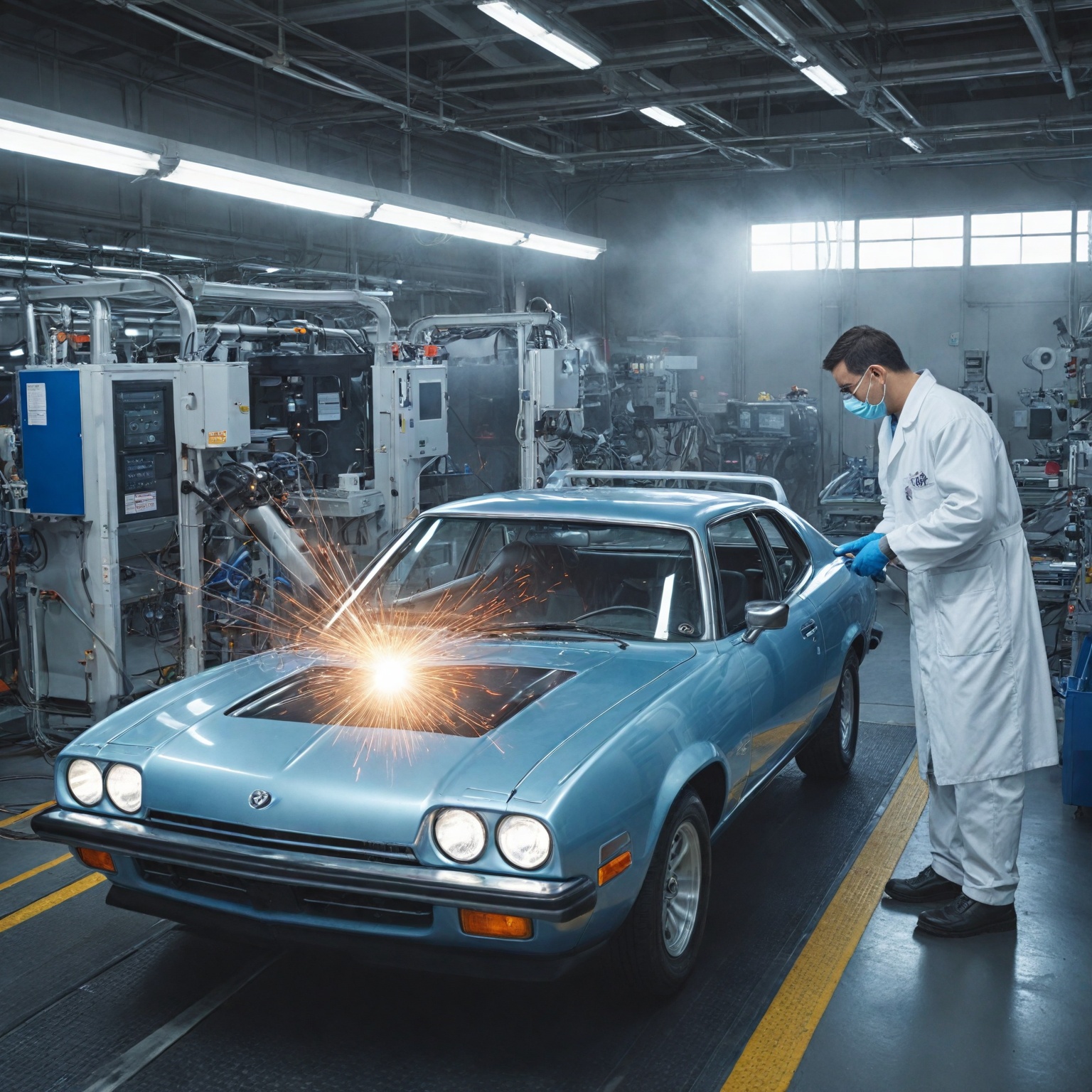
Laser cleaning is an advanced surface treatment technology that utilizes laser thermal ablation, thermal stress, and plasma shock waves to remove contaminants from various materials without physical contact. This method offers precise targeting and control, allowing for effective removal of paint residues, rust, adhesives, and other stubborn substances while preserving the integrity of the underlying surface. One of the key advantages of laser cleaning is its eco-friendliness, as it eliminates the need for chemical solvents and reduces waste generation. The technique has found widespread applications across multiple industries, including automotive manufacturing, where it is used to clean car bodies, engine parts, and other components to enhance surface quality and overall performance. Real-world case studies demonstrate that laser cleaning not only delivers high precision but also contributes to significant cost savings and environmental benefits compared to traditional cleaning methods.
Definition and Purpose
Laser cleaning machines utilize laser technology to remove contaminants, coatings, or impurities from surfaces through processes such as laser thermal ablation, thermal stress, and plasma shock waves. This method ensures high precision and effectiveness in cleaning, which is essential for maintaining surface quality—a critical factor in evaluating the overall performance of components. The primary purpose of laser cleaning machines is to provide a safe, efficient, and environmentally friendly solution for surface preparation and maintenance. By using controlled laser energy, these machines can clean without damaging the underlying material, thereby preserving the integrity of equipment and components. Additionally, laser cleaning supports enterprises in meeting international and national quality standards, ensuring product consistency and reliability through rigorous quality control measures. This contributes to enhanced customer satisfaction and strengthens the brand’s market competitiveness. Moreover, adherence to safety and environmental standards during the operation of laser cleaning machines is fundamental for long-term enterprise development. Organizations such as the International Electrotechnical Commission (IEC) and the International Organization for Standardization (ISO) have established guidelines to govern the safe use and management of laser equipment. Compliance with these regulations not only safeguards operators and protects environmental quality but also underpins the sustainable and successful operation of enterprises employing laser cleaning technologies.
Types of Laser Cleaning Machines
Laser cleaning machines come in various types designed to meet diverse industrial cleaning needs, ranging from manual operation to fully automated systems. One common type is the manually operated laser cleaning workstation, which allows operators to load parts and trigger the laser cleaning process without the need for personal protective equipment (PPE) due to its safety features. These manual workstations can be equipped with rotary tables to accommodate high throughput requirements and can be installed either offline or directly on production lines. Another important category includes handheld laser cleaning devices, often incorporating a galvanometric scanner housed in a handheld gun that the operator directs at the surface to be cleaned. However, the use of class-4 handheld lasers is generally not recommended in workplace environments due to safety concerns. To address this, fully enclosed handheld laser cleaning machines such as the CleanTech Blaster Cabinet have been developed, providing enhanced operator safety while maintaining cleaning efficiency. Semi-automatic and robotic laser cleaning systems represent more advanced solutions designed for industrial-scale applications. These systems often integrate multi-axis flexible robots and positioners controlled by sophisticated primary control systems to enable complex three-dimensional surface cleaning beyond conventional two-dimensional scanning. Examples include the CleanTech MegaCenter, which is tailored for industrial production lines, and the CleanTech Robotic Cell that utilizes collaborative robots within a secured workcell environment to optimize cleaning precision and throughput. Conveyor laser cleaning machines are another specialized type designed to be installed directly on conveyor systems, adjusted to fit conveyor dimensions, enabling seamless integration into continuous production workflows. These diverse types of laser cleaning machines allow manufacturers to select solutions best suited to their specific cleaning challenges, whether they require portability, high throughput, automation, or complex surface processing.
Principles of Operation
Laser cleaning machines operate primarily through the process of laser ablation, where a laser beam removes unwanted material layers such as rust, coatings, or contaminants from a substrate surface. When the laser beam irradiates the target, molecular bonds in the surface deposits break and the material is ejected, leaving the underlying substrate clean without significant thermal damage. This mechanism allows for precise and selective cleaning, particularly beneficial for delicate or valuable surfaces where maintaining surface integrity is critical. Two main types of lasers are commonly employed in cleaning systems: pulsed lasers and continuous wave (CW) lasers. Pulsed lasers emit energy in short, high-intensity bursts, creating a plasma plume that generates a mechanical shock wave to dislodge contaminants. The Gaussian beam profile of pulsed lasers concentrates energy at the center of the spot, enhancing cleaning efficiency while minimizing thermal impact on the substrate. In contrast, CW lasers emit a continuous, lower-intensity beam that removes material primarily through incineration, which can risk thermal damage to the substrate if not properly controlled. However, CW lasers remain widely used due to their high cleaning speed and suitability for industrial applications. Fiber lasers, operating at a fixed wavelength around 1064 nm, are favored in laser cleaning due to their excellent absorption by metals and their reliability in industrial environments. The laser power, expressed in watts, significantly influences cleaning efficiency and cost, with higher power systems enabling faster cleaning speeds but at increased expense. An important operational parameter is the laser fluence and the beam’s focal offset, which is often deliberately set to keep the substrate temperature near its melting point. This “flattening” effect helps smooth any residual debris or recast contaminants without damaging the underlying material. Additionally, factors such as scanning speed (lap rate) and beam profile shape (e.g., flat top vs. Gaussian) play crucial roles in balancing cleaning effectiveness with substrate preservation. The plasma shock wave mechanism, characteristic of pulsed laser cleaning, can create “blind spots” where particles are not effectively removed. To mitigate this, adjustments to the laser beam’s irradiation angle or the use of dual beams are sometimes employed to maximize cleaning coverage and efficiency. Moreover, laser cleaning can remove nanoparticles smaller than 100 nm without damaging the substrate when the laser-target distance is appropriately maintained.
Key Factors Influencing Performance
The performance of laser cleaning machines is influenced by a variety of critical factors that determine the effectiveness, efficiency, and safety of the cleaning process. Understanding and optimizing these factors is essential to achieve the best results for different materials and industrial applications.
Laser Parameters
Several laser parameters play a pivotal role in the cleaning process. These include wavelength, pulse duration, pulse energy, repetition rate, spot size, and scan speed. Each of these parameters uniquely affects the interaction between the laser and the target material, thereby influencing cleaning quality and efficiency. Pulse lasers, characterized by their high peak intensity delivered in short bursts, are typically preferred over Continuous Wave (CW) lasers. CW lasers release energy continuously but at lower intensity, which often results in incineration rather than precise ablation. This can damage substrates due to thermal effects, making pulsed lasers more suitable for delicate cleaning tasks. Additionally, lasers with flat top beam profiles distribute energy evenly over a larger area, enabling safer and non-destructive cleaning.
Beam Quality and Spot Size
The quality of the laser beam significantly affects accuracy and surface finish during cleaning. High beam quality, marked by a small divergence angle and uniform energy distribution, ensures consistent processing results while minimizing local overheating and surface roughness. Conversely, poor beam quality can lead to increased defects and uneven surface texture. Spot size is another crucial factor, as it impacts the energy density and precision of cleaning. An optimal spot size can maximize cleaning efficiency without causing damage. Increasing the laser intensity or reducing the beam spot size enhances cleaning speed, but excessive energy density risks morphological damage such as oxidation or secondary pollution of the surface. Therefore, a balance must be struck to maintain cleaning effectiveness while protecting the substrate.
Distance Control and Power Adjustment
Maintaining an accurate focal distance between the laser source and the target surface is vital for consistent material removal. Deviations from the ideal focal distance reduce cleaning efficiency by lowering the volume of material ablated. To counter this, many laser cleaning systems integrate optical sensor systems that measure the distance in real-time and adjust laser power output accordingly. This feedback loop helps sustain a constant material removal rate, optimizing cleaning performance under varying conditions.
Material Properties and Processing Parameters
The intrinsic properties of the material being cleaned also affect the surface roughness and overall cleaning outcome. Different substrates respond differently to laser parameters, necessitating customized settings based on material characteristics. Parameters such as pulse width, power, and scan speed should be carefully tuned through experimental trials to meet specific cleaning requirements and minimize damage.
Environmental and Safety Considerations
Adherence to safety standards such as IEC 60825-1 is mandatory for laser equipment to ensure operator and environmental safety. Proper labeling, protective measures, and strict quality control contribute to consistent performance and regulatory compliance. Additionally, laser cleaning offers environmental benefits by producing no toxic waste or emissions, aligning with increasing industrial demands for sustainable and green technologies.
Applications
Laser cleaning machines have found extensive use across a wide range of industries due to their precision, efficiency, and environmentally friendly nature. One of the primary industrial fields benefiting from laser cleaning technology includes automobile assembly, shipbuilding, aerospace, and heavy machinery manufacturing. These sectors utilize laser cleaning to remove surface contaminants such as oil films, coatings, paints, oxide layers, and rust, which prevents metallic corrosion and repairs surface defects, thereby improving component service life. In automotive manufacturing, laser cleaning machines can be integrated directly into production lines or used offline, often installed on conveyors to automate contaminant removal and surface texturing prior to processes like welding or coating. This integration streamlines surface preparation, improves efficiency, and ensures consistent quality, especially in battery production lines where parts move through multiple processing steps. The aerospace industry benefits significantly from laser cleaning, employing the technology for coating removal, tool and mold cleaning, and bonding preparation. Unlike traditional abrasive or chemical methods, laser cleaning provides a non-damaging alternative that extends equipment and aircraft lifecycle by efficiently removing contaminants without harming underlying materials. Both handheld and automated laser cleaning systems are utilized, providing flexibility and rapid cleaning rates as required. Semiconductor manufacturing also heavily relies on laser cleaning due to the need for ultra-precise and contamination-free surfaces. The removal of micro- and nano-impurity particles is critical in this sector, and laser cleaning methods, such as liquid-film-assisted laser cleaning introduced in the 1990s, offer contactless, highly accurate, and pollution-free alternatives to conventional chemical and physical cleaning techniques. In heavy industries like shipbuilding, rail transportation, and large equipment maintenance, high-powered laser cleaning machines (typically 1000W and above) are used for rapid removal of thick rust, coatings, and oxides over large surface areas. This capability allows for efficient maintenance and repair of heavy machinery and infrastructure. Additional applications include metal surface preparation before welding and brazing, especially for aluminum and steel materials, where laser cleaning ensures clean, oxide-free surfaces crucial for strong bonds. This pretreatment is important in sectors such as precision tool manufacturing and automotive industries. Beyond these, laser cleaning technology is employed in electronics for precision cleaning and mold release removal using low-power lasers that avoid damage to sensitive components. In the medical field, enclosed low-power laser systems are used for sterilization and container cleaning to maintain hygiene and prevent contamination. The flexibility of laser cleaning solutions—ranging from portable handheld devices to fully automated production-line systems—makes them suitable for applications in energy, construction, defense, maritime, transportation, and conservation projects. Portable units enable in-field cleaning for small- and mid-size businesses, while automated systems improve efficiency in large-scale industrial operations.
Advantages over Traditional Cleaning Methods
Laser cleaning machines offer several significant advantages compared to traditional cleaning methods such as chemical cleaning, abrasive blasting, and manual scrubbing. One of the primary benefits is their environmental friendliness. Unlike chemical cleaning, which involves hazardous substances and produces toxic waste, laser cleaning generates no secondary waste or harmful emissions, making it a greener alternative that supports sustainability goals. In terms of efficiency and cost-effectiveness, laser cleaning systems require minimal material handling, reduced floor space, and lower energy consumption. They also entail less maintenance and longer service life, which contribute to lower long-term operational costs despite the relatively high initial investment. Additionally, laser cleaning can deliver more consistent and precise results, enhancing product quality and surface integrity. Another advantage is the ease of automation and integration into production lines. Laser cleaning can be fully automated for large-scale industrial use or performed with handheld devices for smaller applications, providing versatility across various industries that demand clean surfaces. Furthermore, increasing laser intensity or optimizing laser beam parameters can significantly improve cleaning efficiency, offering adjustable performance based on specific cleaning needs. Safety and regulatory compliance also improve with laser cleaning. Adhering to standards set by organizations such as the International Electrotechnical Commission (IEC) and the International Organization for Standardization (ISO), laser systems help protect operators and maintain environmental quality while ensuring product consistency and reliability. This facilitates enterprises in achieving compliance and supports their long-term development and competitiveness in the market.
Limitations and Challenges
Despite the advantages of laser cleaning machines, several limitations and challenges must be acknowledged. One significant issue is the relatively high upfront cost of purchasing laser cleaning equipment, which can range from approximately $9,000 to $18,000 depending on the machine’s functionality, model, and components. While this initial investment can be offset over time through savings in reduced chemical use and maintenance, the high entry cost may still be a barrier for some users or smaller enterprises. Another limitation arises from the fact that laser cleaning cannot entirely replace chemical cleaning methods. Chemical cleaning often involves hazardous solvents that require stringent safety precautions, including personal protective equipment (PPE) and careful disposal procedures to comply with regulatory controls. The handling, recycling, and disposal of these chemicals can be costly and pose environmental challenges, underscoring the importance of balancing chemical and laser cleaning techniques. Operational challenges also exist with laser cleaning systems. For effective cleaning, laser systems often need to operate in a defocused state to soften surface layers without reaching a power density sufficient for direct material removal. This requires precise control to avoid damaging the substrate or leaving
Safety Considerations
Laser cleaning machines pose several hazards that necessitate strict safety precautions to protect operators, equipment, and the environment. Understanding these risks and implementing comprehensive safety measures is essential for preventing accidents, ensuring operational efficiency, and extending the lifespan of both personnel and machinery.
Personal Protective Equipment (PPE)
Using appropriate PPE is critical to mitigate exposure to laser radiation and other associated hazards. Laser safety goggles, specifically rated for the laser’s wavelength, must be worn at all times within the laser operation area, even when the laser is inactive, due to scattered light risks. For enhanced protection, operators are advised to use a welding helmet with shade 3–5 to shield the entire face, along with flame-resistant leather gloves and jackets to protect hands and exposed skin from thermal and chemical hazards. When cleaning materials containing hazardous substances, additional PPE such as face shields, lab coats, and chemical-resistant gloves may be required.
Hazard Recognition and Operator Training
Operators must receive thorough training on the safe use of laser equipment, including the identification of potential hazards such as optical radiation exposure, airborne contaminants, electrical risks, and thermal ignition. Training should emphasize the importance of understanding the equipment’s user manual, recognizing unsafe conditions—such as defective safety interlocks or reflective surfaces—and following proper operational protocols. Additionally, personnel working with class 4 lasers must undergo regular ophthalmological examinations every three years to monitor eye health.
Workspace Setup and Environmental Controls
The work environment must be carefully arranged to minimize fire hazards and other risks. Flammable materials should be removed from the vicinity of the laser cleaning area, and fire extinguishers should be readily accessible. Automatic fire suppression systems are recommended to provide rapid response in emergencies. Establishing clearly marked hazard zones with optical barriers and safety signage helps restrict unauthorized access and alerts personnel to potential dangers. Proper ventilation is essential to prevent the accumulation of airborne contaminants generated during cleaning processes.
Equipment Safety Features and Maintenance
Laser cleaning machines should comply with international safety standards such as IEC 60825-1 and IEC 60825-4, which specify requirements for laser classification, labeling, and protective measures including laser guards that enclose the processing zone. Class-1 rated laser enclosures may eliminate the need for PPE by fully containing the laser radiation. Emergency stop buttons must be clearly labeled and easily accessible to allow rapid shutdown in case of an incident. Regular inspection and maintenance of electrical systems, including grounding and insulation, are necessary to prevent electrical hazards such as shocks or fires.
Emergency Procedures and Risk Assessment
Operators should be familiar with emergency evacuation plans and fire safety protocols. Emergency shutdown systems must be tested regularly to ensure functionality. Each new job or workspace requires a fresh risk assessment to identify and mitigate specific hazards unique to the task or environment. Lockout and tagout procedures are essential when performing maintenance or alignment, with low power settings used during alignment to reduce risk.
By adhering to these comprehensive safety considerations, organizations can safeguard their workers, maintain equipment integrity, comply with regulatory requirements, and promote sustainable operation of laser cleaning machines.
International Standards and Regulations
Ensuring the safe use and management of laser cleaning machines is critical for operator safety, equipment integrity, environmental protection, and adherence to product quality standards. Several international organizations have developed standards to guide manufacturers and users in achieving these goals.
The International Electrotechnical Commission (IEC) and the International Organization for Standardization (ISO) provide foundational frameworks for laser safety. IEC 60825-1 defines basic safety requirements for laser equipment, including classification, labeling, and protective measures against laser radiation. This standard assists in assessing and managing risks associated with laser devices to protect operators and bystanders. IEC 62471 focuses on photobiological safety, evaluating potential hazards of laser radiation to human eyes and skin, thereby helping to identify and control health risks. Additionally, ISO 9001 outlines quality management system requirements aimed at improving customer satisfaction and ensuring consistent product quality.
Specific to laser processing machinery, ISO 11553-1 and ISO 11553-2 set safety requirements addressing general safety aspects and hazards particular to hand-held laser processing devices, respectively. These standards highlight hazards generated by laser radiation as well as those arising from materials and substances involved in laser processing. They also mandate the information manufacturers must provide to ensure safe operation. Furthermore, IEC TR 60825-17 recommends safety measures for passive optical components and optical cables used in high-power optical fiber communication systems, focusing on thermal, opto-mechanical, and related effects.
In addition to international standards, national regulations play a significant role. In the United States, the American National Standards Institute (ANSI) publishes standards such as ANSI Z136.1, which addresses the safe use of lasers broadly, and ANSI Z136.9, which specifically covers the manufacturing environment. The U.S. Food and Drug Administration (FDA) regulates laser products under Title 21 of the Code of Federal Regulations (21 CFR 1040), ensuring compliance with safety and performance requirements. The concept of the nominal hazard zone, defining areas where direct or reflected laser light poses danger, is also enforced under these regulations. North America generally aligns with IEC 60825-1 through ANSI Z136 standards, ensuring consistent classification and safety measures.
Together, these international standards and national regulations establish a comprehensive framework that promotes the safe design, manufacturing, and operation of laser cleaning machines worldwide, contributing to long-term industry development and protection of users.
Maintenance and Calibration
Proper maintenance and calibration of laser cleaning machines are critical to ensure optimal performance, safety, and longevity of the equipment. Operators must strictly follow the procedures outlined in the equipment’s operating manual and adhere to the safety guidelines provided by the manufacturer.
Regular inspections should focus on the electrical system, verifying that cables and connections remain intact and that grounding and insulation are properly maintained to mitigate electrical hazards. Given the complexity and sensitivity of laser cleaning machines, routine checks help prevent accidental damage caused by misoperation or component wear.
Calibration of the laser system is essential to maintain consistent cleaning efficacy. A key factor affecting cleaning performance is the accurate focal distance between the laser source and the target surface. Any deviation from this optimal distance reduces the volume of material removed, diminishing process effectiveness. To address this, many machines integrate optical sensor systems that measure the distance to the target surface and automatically adjust the laser power output, thereby maintaining a constant material removal rate.
Because laser cleaning machines often employ Class 3b or Class 4 lasers, their maintenance and recalibration must be conducted with strict adherence to relevant regulatory standards and safety protocols. This includes following ANSI Z136.1 laser safety standards and filing reports to the Center for Devices and Radiological Health (CDRH) when necessary, with the responsibility falling on the end user.
Market and Industry Trends
Laser cleaning machines are increasingly recognized as a transformative technology across various industrial sectors due to their non-destructive micromachining capabilities and ability to enhance surface properties of materials. The technology is particularly advancing in fields such as aerospace, automotive, shipbuilding, and heavy equipment maintenance, where efficient and precise contaminant removal is critical.
In terms of market offerings, laser cleaning machines are available in a wide range of power levels tailored to different industrial needs. Machines with power ratings between 100W and 500W are commonly employed for general industrial tasks like mold cleaning and rust removal from mechanical parts, providing an optimal balance of efficiency and precision. On the other hand, higher-powered machines, typically ranging from 1000W to 3000W, are designed for heavy-duty applications such as removing thick rust or coatings over large areas in industries like shipbuilding and rail transportation.
The integration of laser cleaning systems into automated production lines is a growing trend aimed at increasing process efficiency. Automated delivery systems, often combined with robotic technologies, enable continuous, repeatable cleaning processes that can be installed directly on conveyors. This allows for seamless contaminant removal and surface texturing before subsequent manufacturing steps such as welding or coating, thereby streamlining surface preparation in a single step. Such automation is especially prevalent in automotive manufacturing, including battery production lines, where parts undergo multiple processing stages.
Compliance with international safety and quality standards is becoming increasingly important as laser cleaning technology sees wider adoption. Standards developed by organizations such as the International Electrotechnical Commission (IEC) and the International Organization for Standardization (ISO) provide critical guidelines for the safe use, management, and maintenance of laser equipment. Adhering to these standards helps enterprises ensure operator safety, equipment integrity, environmental protection, and consistent product quality. This compliance not only fulfills legal requirements but also supports long-term business sustainability and global market competitiveness.
Case Studies and Examples
Laser cleaning machines have been successfully applied across various industries, demonstrating precision, cost savings, and environmentally friendly solutions. Real-world case studies highlight their effectiveness in removing contaminants such as oil films, coatings, paints, and oxide layers, which helps prevent metallic corrosion and repair surface defects, ultimately extending the service life of components.
Automotive Industry
In the automotive manufacturing sector, laser cleaning machines play a critical role by providing efficient and precise cleaning. They are used to prepare surfaces before assembly and maintenance, improving product quality and reducing downtime. The technology’s ability to remove contaminants without damaging the underlying material makes it especially valuable in this industry.
Aerospace Industry
The aerospace industry benefits significantly from laser cleaning technology, particularly for coatings removal, tool and mold cleaning, and bonding preparation. Compared to traditional abrasive methods, chemical stripping, or plastic media blasting, laser cleaning minimizes damage to aircraft components. This non-contact, eco-friendly approach enables the removal of paint and oxide layers while preserving the integrity of delicate aerospace parts. Additionally, laser cleaning can be deployed in both handheld and automated forms, offering flexibility and high-speed cleaning options. The result is increased equipment and aircraft lifecycle, with reduced fatigue and maintenance costs.
Other Industrial Applications
Beyond automotive and aerospace, laser cleaning is applied to a range of materials, including nonmetallic substrates and semiconductor elements. The adaptability of laser cleaning mechanisms to different substrates has made it a versatile tool in industrial maintenance and manufacturing processes. Although laser cleaning has numerous advantages, it does not completely replace chemical cleaning in all scenarios due to specific limitations and regulatory considerations.
Future Developments
Laser cleaning technology is poised for significant advancements as it continues to evolve and expand across various industrial sectors. Since the introduction of the first production laser in 1965, lasers have revolutionized high-value manufacturing by enabling precise material processing applications ranging from nanofabrication to surface cleaning. The ongoing development of laser fine surface manufacturing technology aims to achieve non-destructive micromachining and enhance surface properties, marking it as a key direction for future manufacturing innovations.
One major trend in future developments is the increased integration of laser cleaning systems directly into automated production lines. Current technology allows laser cleaners to be installed on conveyors, automating contaminant removal and surface preparation tasks before welding or coating processes, which streamlines operations and improves efficiency. Further advancements will likely focus on enhancing automation capabilities by incorporating robotic systems, enabling more complex and repeated cleaning tasks to be performed with minimal human intervention.
Another area of expected growth is the diversification of laser cleaning machine power options to suit different industrial needs. Machines with power outputs ranging from 100W to 3000W currently cater to a wide spectrum of applications—from precision mold cleaning to heavy-duty rust removal in shipbuilding and rail industries. Future machines are anticipated to offer greater power scalability and refined control, allowing even more precise and efficient cleaning performance across diverse materials and surfaces.
Safety and environmental considerations will also drive future innovation in laser cleaning technology. While laser cleaning has gained acceptance under environmental regulations, addressing operational safety remains critical due to risks such as exposure to high-intensity beams and combustible materials. Advancements are expected to include improved safety features, comprehensive training programs, and stricter adherence to safety protocols to mitigate hazards and ensure safe deployment in various work environments.
As laser cleaning machines continue to advance, their applications are expected to expand beyond traditional industries. Manufacturers like P-laser and Laserax, along with other international suppliers, are developing customized, turnkey solutions tailored to specific business needs, promising broader adoption and innovative use cases in the near future. Overall, the future of laser cleaning technology lies in enhanced automation, power flexibility, safety, and integration, positioning it as a transformative tool for industrial surface treatment and maintenance.
The content is provided by Blake Sterling, Gear Shift Zone