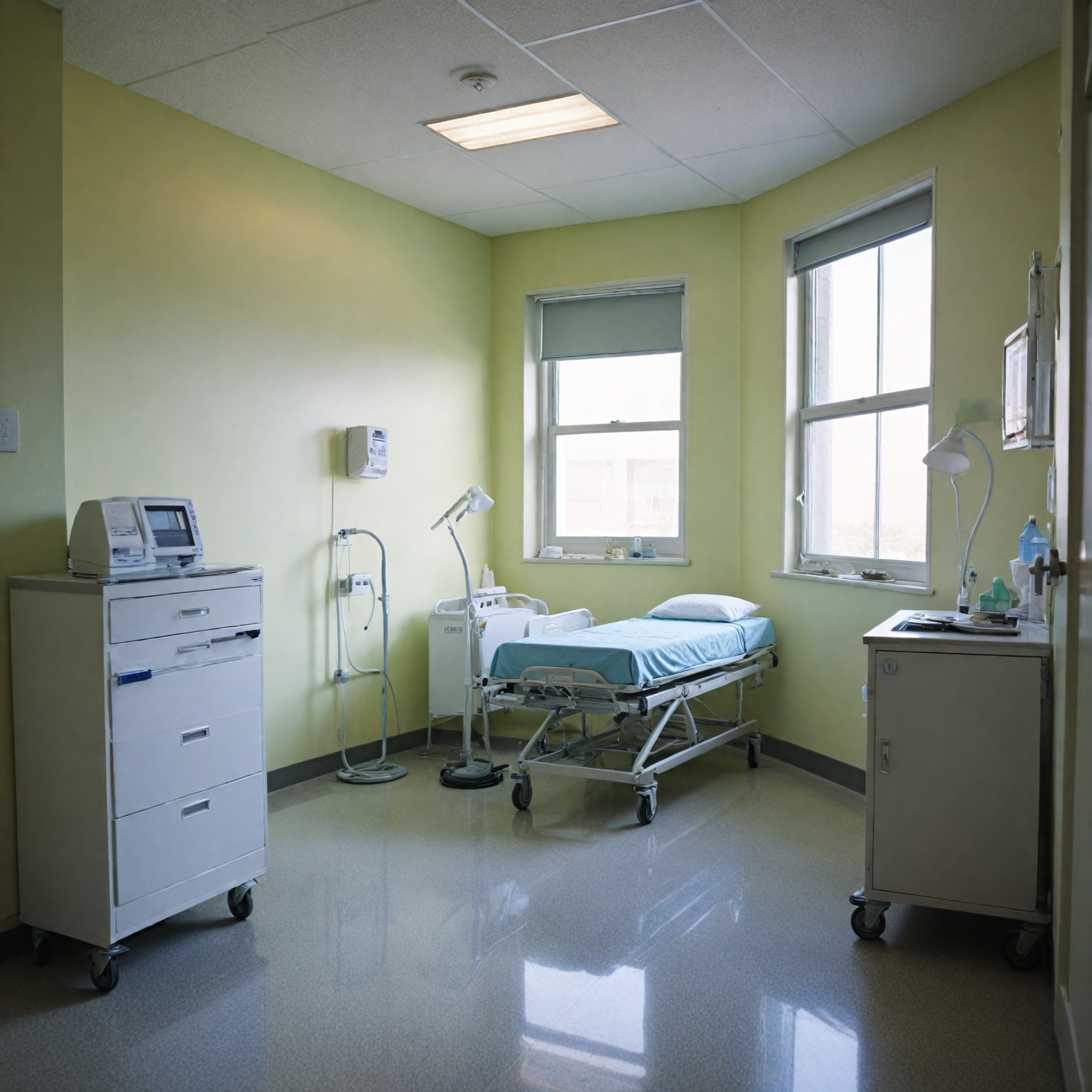
Highlights
- Hospital cleaning careers significantly enhance patient safety and support infection control efforts.
- Opportunities for advancement and specialization make this profession both impactful and rewarding.
Summary and Overview
Hospital cleaning careers are essential for maintaining safe, sanitary healthcare environments, directly impacting patient safety and infection control. Professionals clean and disinfect patient rooms, surgical areas, and common spaces following strict protocols to reduce healthcare-associated infections (HAIs). The field offers accessible entry points through on-the-job training, with opportunities for specialization and advancement, such as supervisory roles and certifications in infection control and environmental health.
Hospital cleaners play a vital role in preventing infection transmission, building patient confidence, and enhancing hospital hygiene reputations. Challenges include physically demanding work, exposure to chemical hazards and sharps injuries, low wages, and limited recognition, leading to recruitment and retention issues. Efforts to increase recognition and integrate cleaning staff into healthcare teams are underway, supported by benefits, team cultures, and professional development. Technological advances and improved training promise to enhance cleaning effectiveness and workforce sustainability.
Role, Skills, and Qualifications
Hospital cleaners maintain cleanliness in healthcare facilities, often working physically demanding shifts involving bending, lifting, and interacting with staff and patients. Some specialize in infection control, requiring certifications like Certified Infection Control (CIC), Registered Environmental Health Specialist (REHS/RS), or Infection Control Risk Assessment (ICRA). Advancement can lead to supervisory roles overseeing staff and compliance.
Entry-level positions typically require no prior experience but demand attention to detail, adherence to safety protocols, and good communication. Certifications such as CloroxPro HealthyClean and CIC enhance career prospects. Continuous education is important to keep up with evolving standards and technology. Applicants must also present clear resumes and demonstrate teamwork and maintenance skills.
Importance and Impact
Effective hospital cleaning is critical for infection prevention, reducing HAIs by thoroughly disinfecting high-touch surfaces in patient rooms and surgical areas. It supports patient safety and hospital operations, involving collaboration among infection preventionists, housekeeping staff, clinical personnel, and leadership. Clean environments also contribute to overall safety and security within hospitals.
Economically, professional cleaning reduces infection-related costs and improves operational efficiency by allowing healthcare staff to focus on patient care. Socially, cleaning staff create safe environments and support interdisciplinary teams, though they often face occupational health risks and social undervaluation, underscoring the need for improved working conditions and recognition.
Benefits and Challenges
Hospital cleaning careers provide meaningful contributions to healthcare, accessible entry through on-the-job training, and clear advancement pathways. Workers gain valuable skills and benefit from team cultures and employee perks like health insurance and retirement plans. Certification programs boost qualifications and job security, offering ongoing professional growth.
Challenges include physical demands, exposure to chemicals and sharps hazards, potential infection risks, low wages, and demanding schedules. These factors contribute to high turnover and recruitment difficulties. Addressing these issues requires improved workplace safety, recognition, training, and systemic support.
Career Pathways
Starting in entry-level roles, hospital cleaners perform sanitation tasks and may advance to supervisory positions managing staff and compliance. Certifications in infection control and environmental health enhance opportunities. Compliance with health regulations, including vaccinations, is often required, emphasizing ongoing training and professional development.
Personal Experiences and Recognition
Hospital cleaners often identify with caregiving but face invisibility and undervaluation within healthcare teams. Despite pride in their role, they frequently lack recognition from management and colleagues. This marginalization highlights the need to broaden the definition of caregiving and improve institutional support.
Studies reveal cleaners view themselves as vital to patient well-being, encouraging more inclusive policies. They value tangible benefits, supportive teams, and interdisciplinary collaboration, which contribute to job satisfaction despite occupational hazards.