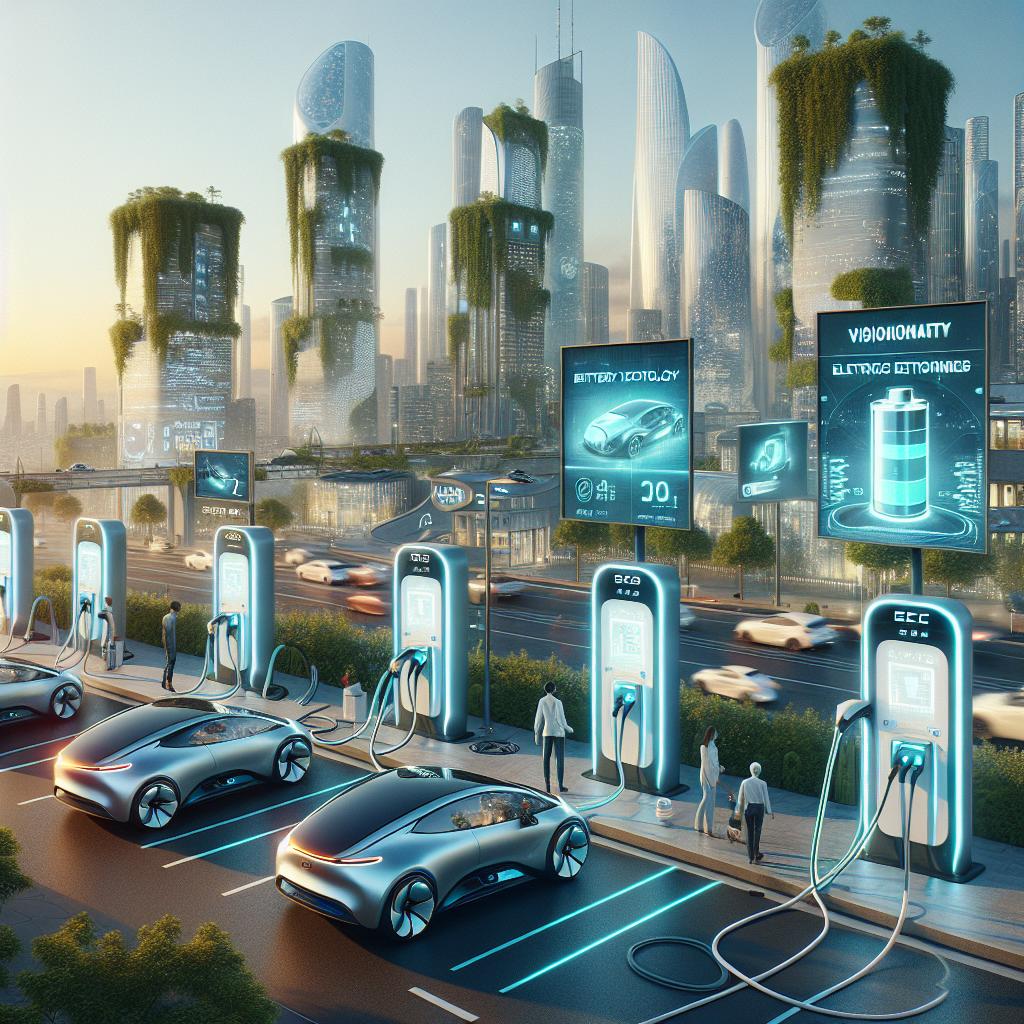
Highlights
- Electric mobility solutions are essential for reducing emissions and fostering sustainable transport.
- Technological innovations and sustainable practices are crucial for overcoming e-mobility challenges.
Summary
Exploring Electric Mobility Solutions in 2025: A Comprehensive Guide provides an in-depth overview of the rapidly evolving landscape of electric mobility (e-mobility) as of 2025, encompassing electric vehicles (EVs), charging infrastructure, battery technologies, and integrated urban transport systems. Electric mobility has become a pivotal element in global efforts to reduce greenhouse gas emissions, combat air pollution, and decrease dependency on fossil fuels, thereby fostering more sustainable transportation networks worldwide. With over one million fully electric vehicles on UK roads alone as of April 2024 and a global market valuation surpassing USD 527 billion in 2025, the sector reflects unprecedented growth driven by technological innovation and increasing consumer adoption.
This guide highlights key technological advancements shaping the industry, including breakthroughs in battery chemistry such as solid-state and sodium-ion batteries, innovations in fast and smart charging infrastructure, and the development of more efficient electric motors. Furthermore, the integration of electric mobility with autonomous technologies, connected ecosystems, and shared mobility models underscores a transformative shift toward multimodal, sustainable urban transport. Environmental sustainability remains central to these developments, with ongoing research focused on lifecycle carbon footprint assessments, eco-friendly battery material extraction methods like Direct Lithium Extraction (DLE), and advanced recycling techniques that recover up to 92% of critical metals from spent batteries.
Despite the sector’s growth, challenges persist in infrastructure deployment, consumer accessibility, and environmental impacts related to battery production and end-of-life management. Urban charging infrastructure faces spatial and technical constraints, while issues such as proprietary charging networks and equity gaps in access highlight the need for standardized solutions and policy support. Moreover, the environmental footprint of raw material extraction, especially lithium mining, poses significant ecological and social concerns that are driving innovation in sustainable sourcing and circular economy practices. Addressing these complexities is critical to maximizing the environmental benefits of electric mobility and ensuring its equitable adoption globally.
Looking ahead, the electric mobility landscape between 2025 and 2030 is poised for further expansion, marked by the deployment of ultra-fast charging systems, widespread adoption of next-generation batteries, and the integration of artificial intelligence and IoT in smart charging networks. The continued growth of shared and multimodal transport solutions promises to reduce urban congestion and emissions while enhancing accessibility and efficiency. This comprehensive guide captures these dynamic trends and challenges, offering a detailed snapshot of electric mobility’s pivotal role in shaping sustainable transportation’s future.
Overview of Electric Mobility
Electric mobility, commonly referred to as electric vehicles (EVs), encompasses transportation solutions primarily powered by electricity stored in rechargeable batteries. These vehicles play a crucial role in reducing greenhouse gas emissions, lowering air pollution, and decreasing reliance on fossil fuels, thereby contributing to the development of more sustainable transport systems. The rapid adoption of EVs is evident in various regions, with the United Kingdom reporting over 1,000,000 fully electric vehicles on its roads as of April 2024.
The global electric mobility market has seen significant growth, reaching a valuation of USD 527.04 billion in 2025, reflecting widespread adoption across both developed and emerging economies. This expansion is driven by a convergence of technological advancements, including innovations in EV charging infrastructure, novel battery systems, micromobility solutions, and manufacturing techniques such as 3D printing, as highlighted by industry research involving over 3,000 startups and scaleups worldwide.
Electric mobility also integrates into broader transformative trends in transportation. In 2025, the landscape is shaped by electrification combined with autonomous technologies, connected ecosystems, and sustainability-focused innovations. This includes developments not only in passenger cars but also in electric buses, hydrogen trucks, and shared mobility services that improve efficiency and reduce vehicle ownership rates. For example, shared cars have the potential to replace up to 15 privately owned vehicles, contributing to decreased congestion and emissions.
In addition to market growth and vehicle diversification, ongoing research is addressing the environmental impact of electric vehicles throughout their lifecycle. Studies employ life cycle assessment approaches to quantify carbon footprints during usage phases under varying driving conditions and battery ranges, factoring in energy losses and efficiency metrics related to battery systems. Furthermore, advances in environmentally friendly mining and battery material extraction technologies, such as Direct Lithium Extraction (DLE), aim to reduce resource consumption and ecological disruption associated with battery production.
Key Technologies in Electric Mobility
The electric mobility sector in 2025 is characterized by a convergence of advanced technologies that collectively drive the widespread adoption and efficiency of electric vehicles (EVs). These key technologies span battery innovation, charging infrastructure, electric motors, and intelligent systems that optimize performance and sustainability.
Battery Technologies
Battery technology remains central to the electric mobility revolution, influencing driving range, charging speed, cost, and environmental impact. Recent advancements focus on improving energy density, safety, and sustainability. Solid-state batteries represent a major breakthrough, replacing the liquid electrolyte with a solid material to enhance safety and energy storage capacity. Automakers like Toyota, BMW, and Hyundai are targeting limited commercial production of solid-state batteries between 2026 and 2028. Parallel to this, lithium-ion batteries continue rapid improvement, exemplified by BMW’s Gen6 batteries, which promise up to 620 miles of range and 30% faster charging times.
Alternative chemistries such as sodium-ion batteries are gaining attention for their lower cost and abundance, offering promising solutions especially for entry-level and fleet EVs where durability and affordability are critical. Alongside battery chemistry improvements, innovations include vehicle-to-grid (V2G) integration, enabling EVs to feed electricity back into the grid during peak demand, and ultra-fast charging technologies that aim to reduce refueling times to under 10 minutes.
Charging Infrastructure and Smart Grid Integration
The rapid expansion of EV fleets demands significant growth in charging infrastructure. Startups and established companies are actively developing scalable EV charging facilities, including rapid DC chargers and electrified roads that enable dynamic charging to alleviate range anxiety. Smart grid management solutions utilize real-time monitoring and control to balance power flows, preventing load imbalances and ensuring stable energy sourcing.
Smart charging technologies leverage the Internet of Things (IoT) and artificial intelligence (AI) to optimize energy use and enable on-demand manufacturing and adaptable designs for mobility services. These technologies facilitate seamless integration of renewable energy sources and improve operational efficiency across the charging network.
Electric Motor Innovations
Electric motor technology is evolving beyond incremental improvements, with developments such as axial flux motors and the reduction or elimination of rare-earth materials. These motors offer higher power and torque density while using fewer scarce resources. Industry leaders like Daimler and Renault are incorporating advanced motor designs into their upcoming electric and hybrid platforms, signaling a shift toward more efficient and sustainable propulsion systems.
AI-driven digitalization is playing a pivotal role in electric motor design and system optimization. By simulating and selecting components tailored to customer specifications, manufacturers can create highly efficient eDrive systems that integrate the motor, inverter, software, transmissions, and actuators. This systems-based approach reduces manufacturing complexity, material use, and space requirements, all while enhancing vehicle performance and range.
Battery Recycling and Sustainability
Sustainable practices in battery manufacturing and disposal are increasingly vital. Advanced recycling methods now achieve up to 92% recovery of critical metals such as lithium, cobalt, nickel, and manganese through closed-loop processes that are energy efficient and compatible with various battery chemistries. Emerging extraction techniques, including selective leaching and multi-stage separation, focus on minimizing environmental impact while maximizing material recovery from spent batteries.
Life cycle analyses emphasize the importance of addressing carbon emissions and hazardous byproducts throughout the battery’s lifespan—from raw material extraction to manufacturing, usage, and recycling—to ensure the environmental benefits of electric mobility are fully realized.
Collectively, these technologies are driving electric mobility toward greater efficiency, affordability, and environmental responsibility, supporting the global transition to sustainable transportation by 2025 and beyond.
Market Trends and Adoption in 2025
The electric mobility market in 2025 is characterized by rapid expansion and significant technological advancements. Globally, the market size is projected to grow from $402.05 billion in 2024 to $501.64 billion in 2025, reflecting a robust compound annual growth rate (CAGR) of 24.8%. This growth is driven by innovations in magnetic materials, increased consumer electronics demand, the shift toward automotive electrification, and advancements in energy-efficient appliances and medical imaging devices.
Premium electric vehicle (EV) models continue to emphasize innovation, featuring advanced semi-autonomous driving systems, luxurious interiors, and integrated mobile applications. These vehicles serve as technology showcases, offering unparalleled performance and comfort for consumers willing to invest at higher price points. Meanwhile, more affordable models like the Hyundai Ioniq 5 provide accessible options for consumers who desire a balance of range, efficiency, and user-friendly features without a steep learning curve.
The push for EV adoption is strongly influenced by the need to reduce carbon emissions, improve energy efficiency, and foster cleaner urban environments. Government policies and industry strategies are shaping the market outlook through initiatives that enhance EV affordability, manufacturing, and infrastructure development. For instance, Asia Pacific is expected to dominate the EV charging infrastructure market in 2025, accounting for approximately 60% of the market share due to its growing automotive industry and high technology adoption, especially in China. In Europe, public charging points have increased by more than 35% in 2024 compared to the previous year, reaching over one million chargers, although adoption rates vary significantly across countries. India also continues to expand its charging network with substantial government investments focused on urban centers and major transport corridors.
Despite urban areas leading initial EV deployment due to shorter driving distances and better infrastructure, rural adoption is beginning to gain momentum. Improvements in battery technology and range, alongside increased funding for rural charging stations, provide rural drivers with growing opportunities to adopt EVs. However, challenges such as limited infrastructure signage and low visibility of EVs persist, highlighting the importance of targeted outreach and education to support equitable access and adoption.
The overall trajectory of electric mobility in 2025 is supported by collaborative efforts among automakers, policymakers, and technology providers. Innovations in electric motor efficiency, modular drivetrain components, and software integration contribute to reducing vehicle size, weight, and production costs, accelerating progress toward price parity with internal combustion engine vehicles and supporting sustainable transportation goals. Furthermore, consumer demand is increasingly driven by the lifecycle environmental benefits of EVs, as demonstrated by recent studies highlighting their potential to reduce climate pollution when compared to conventional vehicles.
Environmental Impact and Sustainability
The environmental impact of electric mobility solutions in 2025 is a multifaceted issue encompassing the entire lifecycle of vehicles and their components, particularly batteries. As electric vehicles (EVs) and electric bicycles (e-bikes) gain widespread adoption, understanding and mitigating their ecological footprints have become critical to promoting sustainable transportation.
Lifecycle Carbon Footprint of Electric Vehicles and E-Bikes
Battery electric vehicles (BEVs) exhibit a complex carbon footprint during their use phase that varies significantly with vehicle range and driving conditions. A life cycle assessment (LCA) approach reveals that factors such as battery weight, charge/discharge efficiency, and kinetic energy recovery systems (KERS) influence the total emissions during operation. Optimizing these parameters can reduce the carbon footprint and help identify an optimal vehicle range from a low-carbon perspective.
In comparison to conventional gasoline vehicles, electric bicycles offer substantially lower lifecycle carbon emissions. The total lifecycle CO2 emissions of e-bikes amount to approximately 580 lbs, contrasting sharply with the 25,000+ lbs associated with traditional cars. Furthermore, e-bikes demonstrate recycling rates as high as 95%, underscoring their relative sustainability and potential to serve as greener alternatives for urban mobility.
Battery Production and Raw Material Extraction Challenges
The environmental footprint of electric mobility is heavily influenced by the production of lithium-ion batteries, which are integral to both EVs and e-bikes. Battery manufacturing entails significant carbon emissions due to raw material extraction, energy-intensive processing, and hazardous byproduct generation. Lithium extraction, in particular, presents substantial environmental and social challenges, including water depletion and ecosystem disruption, especially in regions like the South American Lithium Triangle (Chile, Argentina, Bolivia).
Hard rock mining for lithium, primarily spodumene pegmatite, is energy and labor intensive. Emerging technologies such as Direct Lithium Extraction (DLE) offer promise by reducing water consumption and environmental disturbance; however, scaling these innovations to commercial levels remains challenging. Addressing these issues through sustainable sourcing and integrating renewable energy into manufacturing processes is essential for reducing the carbon footprint of battery production.
Battery Recycling and End-of-Life Management
Battery recycling is critical to recovering valuable metals such as lithium, cobalt, and nickel, reducing dependence on virgin raw materials and mitigating environmental harm. Advanced recycling techniques have achieved recovery rates exceeding 90% for critical metals. For instance, innovative processes developed in South Korea enable the recovery of over 95% purity for nickel and cobalt, potentially revolutionizing the lithium-ion battery industry.
Despite progress, global recovery rates currently average below 50% for many battery components due to complex material matrices and varying battery chemistries. Emerging recycling methods—including selective leaching, multi-stage separation, and hydrometallurgical techniques—aim to improve efficiency and environmental performance. The future outlook includes decentralized recycling facilities to reduce transportation emissions and blockchain integration to enhance supply chain traceability and compliance.
Policy and Market Developments Supporting Sustainability
Governments worldwide are increasingly enacting stricter regulations and circular economy initiatives to ensure sustainable end-of-life battery management. These policies promote technological innovation and corporate investment in recycling infrastructure. Additionally, the decarbonization of electricity grids and improved battery efficiencies further enhance the environmental benefits of electric mobility.
Moreover, cities with well-developed cycling infrastructure demonstrate positive health and environmental outcomes, including reduced healthcare costs and improved accessibility for vulnerable populations. The rapid growth of the electric mobility market, valued at over USD 527 billion in 2025, reflects the global commitment to transitioning toward low-carbon transportation.
Challenges in Electric Mobility
The rapid expansion of electric mobility presents several significant challenges that must be addressed to ensure widespread adoption and effective integration into existing transportation systems. One of the foremost issues lies in the development and deployment of adequate charging infrastructure, especially in urban environments. Urban areas face space constraints due to high population densities and complex layouts of roads, buildings, and utilities, which complicate the seamless integration of charging stations. Limited available network capacity in city centers further restricts the installation of fast chargers, which are necessary to serve a growing number of electric vehicles (EVs) efficiently.
Public charging infrastructure is also hindered by factors such as inconsistent payment systems and brand-specific compatibility issues, notably with proprietary networks like Tesla’s Superchargers. These factors reduce the overall accessibility and user-friendliness of charging options for many EV owners. Standardization of charging protocols, as well as improved access to reliable data on station availability and pricing, are essential steps to enhance the public charging experience. Additionally, early EV adopters tend to have better access to home charging, highlighting an equity gap in charging availability for the broader population.
Reliability, ease of use, and cost remain critical concerns from the consumer perspective. While the expansion of DC fast charging is necessary, increasing charging speed alone does not fully resolve user dissatisfaction. Veteran EV owners, in particular, have elevated expectations for technological advancements that current vehicle and charger offerings have yet to meet. Improving these qualitative aspects is vital to raising overall satisfaction and encouraging further EV adoption.
Policy and funding challenges also impact infrastructure development. For instance, the National EV Infrastructure Program in the United States, which allocated USD 5 billion for fast charger installation, has experienced slow disbursement of funds and programmatic reviews, causing uncertainty in future investments. Meanwhile, emerging markets like India continue to invest significantly in expanding public chargers, with focused schemes to enhance infrastructure in urban centers and key transport corridors.
In rural areas, the high upfront costs of installing fast chargers, particularly DC fast chargers, pose another hurdle. These installations often require costly electrical service upgrades, making investments more expensive and complex. Assessing the total cost of ownership, including fuel savings and maintenance reductions, is crucial for making sound long-term infrastructure decisions in less densely populated regions.
From a technological standpoint, the push for electrification demands innovations in electric motor design, battery systems, and power electronics to improve efficiency, reduce size and weight, and lower production costs. However, these advancements require ongoing research and development, with materials and manufacturing processes presenting additional challenges to meet cost and performance targets by 2025. Furthermore, sustainability concerns surrounding battery raw materials
Integration with Urban and Multimodal Mobility Systems
The integration of electric mobility solutions within urban and multimodal transport systems is central to achieving sustainable, efficient, and accessible mobility in 2025. Cities investing in comprehensive infrastructure that combines electric vehicles (EVs), public transit, cycling, and walking modes consistently realize enhanced environmental and economic benefits. By tailoring transport options to specific trip requirements, such integration supports a seamless transition between different modes, optimizing overall mobility performance.
Cycling infrastructure plays a pivotal role in this integrated approach. Cities like Copenhagen, where 62% of residents commute by bicycle, demonstrate significant public health improvements and reduced healthcare costs due to robust cycling networks. Similarly, modern electric bus systems enhance public transit by combining the environmental advantages of electric propulsion with operational efficiencies. Innovations such as bus rapid transit (BRT), pioneered in Curitiba, deliver high-capacity transit services that rival rail systems in performance while demanding lower infrastructure investments.
Shared mobility services complement these efforts by reducing the number of private vehicles on the road. Research indicates that a single shared car can replace up to 15 privately owned vehicles, thereby lowering congestion and emissions. Governments worldwide are fostering this shift through supportive policies and regulatory frameworks that address cybersecurity, safety, emissions, and autonomous vehicle operations within smart, connected mobility ecosystems. Mobility-as-a-Service (MaaS) platforms exemplify this trend by integrating multiple transport modes into unified digital services, enabling users to plan and pay for complex journeys involving EVs, public transit, cycling, and shared vehicles seamlessly.
Furthermore, equitable access remains a key consideration in these integrated systems. Sustainable transport infrastructures often enhance accessibility for low-income populations and individuals with mobility limitations, promoting inclusivity alongside environmental goals. Collaboration between public authorities and private sectors accelerates the adoption of innovative technologies such as AI-driven route optimization, electric micro-mobility, and smart charging systems, further enriching urban mobility.
Despite challenges, coordinated investments and continuous innovation are driving the electrification and digitization of public transportation as defining achievements of the current decade. The future of urban mobility lies in the harmonized integration of electric and multimodal transport solutions, creating cleaner, smarter, and more connected cities worldwide.
Future Prospects and Emerging Trends
The future of electric mobility is poised for transformative growth between 2025 and 2030, driven by climate imperatives, supportive government policies, and rapid technological innovation. This period will witness unprecedented advancements in vehicle electrification across multiple segments, including buses, vans, heavy-duty trucks, and two-/three-wheelers, fundamentally reshaping global transportation systems.
A critical enabler of this transformation is the expansion of charging infrastructure. Investment in public and depot charging is expected to reach significant levels, with Europe alone planning over €15 billion for heavy-duty vehicle charging facilities. Innovations such as Megawatt Charging Systems (MCS) will facilitate ultra-fast charging for trucks, enabling efficient long-haul operations and reducing downtime. Notably, the first MCS corridor connecting Antwerp and Stockholm is scheduled to become operational by the end of 2025. Globally, projections estimate the addition of around 150 million charging points from 2025 to 2030, predominantly home chargers, but with a strategic increase in public charging stations to support growing electric light-duty vehicle fleets.
Battery technology stands at the core of future electric mobility developments. The next generation of batteries promises enhanced efficiency, safety, and sustainability, with breakthroughs in solid-state designs, smarter supply chains, and the integration of greener materials. These innovations are expected to improve driving range, reduce charging times to under 10 minutes, and support vehicle-to-grid (V2G) integration, allowing electric vehicles to feed electricity back into the grid during peak demand periods. Such advances will not only enhance vehicle performance but also contribute to grid stability and broader renewable energy utilization.
Market dynamics indicate robust growth for EV charging infrastructure, with the sector projected to expand from $31.1 billion in 2025 to $113.4 billion by 2032, reflecting a compound annual growth rate of 20.3%. This growth is closely tied to increasing electric vehicle adoption, driven by efforts to lower carbon emissions, improve energy efficiency, and promote cleaner urban environments.
Emerging trends also include the integration of smart technologies such as artificial intelligence (AI), the Internet of Things (IoT), and adaptable manufacturing processes, which collectively enable smarter charging solutions, including electrified roads and rapid DC chargers. These innovations aim to reduce range anxiety and support scalable, on-demand mobility services that align with sustainability goals. Furthermore, the rise of shared mobility and multi-modal transport systems—combining electric vehicles, public transit, cycling, and walking—demonstrates significant potential for reducing the total number of vehicles needed in urban areas, thereby enhancing environmental and economic outcomes.
Urban mobility planning is increasingly prioritizing the adoption of these emerging technologies. Cities worldwide are investing in electrified public transit, such as electric bus rapid transit systems, and exploring novel solutions like air taxis to achieve affordable, efficient, and sustainable transportation networks. Collaborative efforts between public authorities and the private sector are crucial to accelerate the deployment of green technologies and to meet ambitious mobility and climate goals.
The content is provided by Blake Sterling, Gear Shift Zone