Highlights
- Snacks rich in protein and fiber help stabilize blood sugar levels effectively.
- Personalized nutrition strategies are essential for optimizing dietary approaches to blood sugar management.
Summary
Expert Insights: The Science Behind Snacks That Keep Blood Sugar in Check provides a comprehensive overview of how specific dietary snacks influence blood glucose regulation, an essential factor in metabolic health and diabetes management. Blood sugar regulation maintains glucose homeostasis through hormonal actions—primarily insulin, glucagon, and adrenaline—that balance glucose uptake, storage, and release to meet the body’s energy needs without causing harmful fluctuations. Disruptions in this process can lead to prediabetes or type 2 diabetes, conditions associated with severe health complications worldwide.
This article synthesizes current scientific evidence on how the composition, timing, and quality of snacks affect postprandial blood glucose levels. Snacks rich in protein, dietary fiber, and healthy fats—such as nuts, legumes, whole grains, and fermented foods—have been shown to slow glucose absorption, enhance satiety, and improve insulin sensitivity. The interplay between macronutrients and bioactive compounds in these snacks can mitigate blood sugar spikes and contribute to more stable glycemic control, which is crucial for both diabetic and non-diabetic individuals. Additionally, the order of food consumption and snack timing relative to meals influence glucose and insulin responses, highlighting the complexity of dietary strategies in blood sugar management.
Despite promising findings, notable controversies remain regarding snack frequency and its impact on diabetes risk and glycemic control. While some studies link frequent snacking with increased type 2 diabetes risk, others suggest that nutrient quality and total energy intake are more critical factors than snack frequency alone. Moreover, individual variability in metabolic responses and challenges in dietary adherence complicate generalized recommendations, underscoring the need for personalized nutrition approaches and further clinical research.
Emerging innovations focus on developing high-protein, plant-based snacks and incorporating viscous fibers and bioactive compounds to optimize glycemic benefits. Future research aims to clarify the long-term clinical effects of these snacks, refine timing and portion guidelines, and integrate personalized metabolic profiling to improve snack-based interventions for blood sugar regulation. This evolving field holds significant potential for enhancing dietary management of blood sugar and reducing the burden of diabetes worldwide.
Blood Sugar Regulation and Its Importance
Blood sugar regulation is a critical physiological process that maintains glucose homeostasis, ensuring a steady supply of energy to the body’s cells while preventing the harmful effects of abnormal blood glucose levels. Central to this regulation are hormones such as insulin, glucagon, and adrenaline, which have opposing actions to maintain balance. Insulin, secreted by pancreatic beta cells in response to elevated blood glucose, promotes the uptake of glucose into skeletal muscle and adipose tissue and reduces glucose production in the liver, thereby lowering blood glucose levels. Conversely, glucagon and adrenaline increase blood glucose by stimulating glycogen breakdown (glycogenolysis) in the liver, especially during periods of low nutrient availability or increased energy demand.
At the cellular level, glucose-stimulated insulin secretion involves glucose entering beta cells via GLUT transporters, increasing the ATP/ADP ratio, which closes ATP-sensitive potassium channels. This leads to membrane depolarization and the opening of voltage-gated calcium channels, resulting in calcium influx that triggers insulin exocytosis. This finely tuned biochemical pathway is influenced by various factors, including fed versus fasting states, stress, and other hormonal signals, underscoring the complexity of glucose homeostasis.
Maintaining proper blood glucose levels is especially important for individuals with prediabetes or type 2 diabetes, as dysregulation can lead to severe complications. Dietary factors play a pivotal role in managing blood sugar, with the type and form of carbohydrates, dietary fiber content, and the presence of other food components influencing the glycemic response. For example, combining carbohydrates with macronutrients such as protein and fat can improve glycemic control, as observed with meals containing protein-rich foods like eggs alongside carbohydrate sources.
Impact of Diet and Snacks on Blood Sugar Levels
Snacking habits and diet composition play a critical role in the regulation of blood sugar levels, especially for individuals with type 2 diabetes. Research has shown that consuming snacks beyond the traditional three main meals may increase the risk for developing type 2 diabetes, although the overall impact on glycemic control depends on factors such as timing, composition, and total energy intake. While some studies found no direct correlation between snack frequency and glycated hemoglobin (GHb) levels in insulin-treated diabetic patients, elevated postprandial glucose excursions contribute to overall glycemic control, indicating the importance of managing blood sugar after each eating occasion.
The quality and macronutrient profile of snacks are significant determinants of their glycemic effects. For instance, people without diabetes tend to consume more nuts, seeds, and soy during snacking, whereas those with type 2 diabetes consume higher amounts of cured and luncheon meats. Protein sources, especially lean proteins such as lean beef and turkey, when consumed alongside glucose, have been shown to reduce postprandial blood glucose spikes compared to glucose alone in individuals with type 2 diabetes. This may be partly due to protein’s ability to stimulate insulin secretion and modulate glucose absorption.
Dietary fiber, particularly from high-fiber snacks like popcorn, oatmeal, nuts, and fruits, has been demonstrated to help manage blood sugar by slowing glucose absorption and increasing satiety. The viscosity of dietary fiber is an important factor, as viscous fibers thicken when mixed with liquids, delaying gastric emptying and reducing postprandial glucose excursions. The order in which foods are consumed during a meal can also influence blood sugar control; for example, eating vegetables and protein before carbohydrates can attenuate glucose and insulin responses in overweight or obese adults with type 2 diabetes.
Scientific Evidence on Snacks That Stabilize Blood Sugar
Research shows that certain snacks can effectively stabilize blood sugar levels by combining nutrients that slow glucose absorption and promote satiety. The interplay of fat, fiber, and protein in snacks helps maintain steady energy and hunger levels, reducing the likelihood of overeating or craving sugary foods later in the day. Fiber-rich snacks such as popcorn, oatmeal, nuts, fruits, and legumes have been demonstrated to blunt postprandial glucose spikes by slowing digestion and glucose release into the bloodstream.
A balanced diet emphasizing whole grains, vegetables, lean proteins, nuts, and seeds supports better blood sugar and insulin management. Whole grains like millet and quinoa, for instance, contain higher fiber and nutrient content compared to refined grains, contributing to improved glycemic control. Additionally, nuts—including pistachios, walnuts, and macadamias—provide essential micronutrients and dietary fiber that aid in glucose regulation and may reduce inflammation associated with impaired glucose metabolism.
Plant-based high-protein snacks have garnered attention for their potential benefits in blood sugar control, particularly in individuals with type 2 diabetes. Studies developing snacks using plant proteins combined with ingredients such as milk, sugar, and baking powder found favorable impacts on postprandial blood glucose responses. Similarly, crunchy bean snacks offer a convenient, high-protein, low-carbohydrate option, delivering fiber and gut-health benefits while satisfying cravings without causing sharp blood sugar elevations.
The order and timing of snack consumption also influence glycemic responses. Research suggests that consuming vegetables and protein before carbohydrates can lead to lower post-meal blood glucose excursions compared to consuming carbohydrates first or all components simultaneously. This concept is related to the “second-meal effect,” where the composition and timing of one meal or snack can affect glucose responses after the next meal.
Certain functional foods, such as broccoli sprouts rich in sulforaphane, have shown promise in enhancing insulin sensitivity and reducing oxidative stress, thereby supporting blood sugar regulation. Although achieving therapeutic doses through diet alone is challenging, broccoli sprout extracts may serve as a supplemental strategy in diabetes management.
Key Nutrients and Bioactive Compounds in Blood Sugar-Friendly Snacks
Blood sugar-friendly snacks often contain a combination of key nutrients and bioactive compounds that contribute to improved glucose regulation and insulin sensitivity. High-protein content, especially from plant-based sources, plays a crucial role in managing postprandial blood glucose levels. Protein helps prevent sharp rises in blood glucose by slowing digestion and promoting satiety.
Dietary fiber is another essential component found in snacks such as nuts, seeds, oatmeal, fruits, and legumes. Fiber slows glucose absorption, thereby stabilizing blood sugar levels and curbing hunger. Legumes like beans and lentils not only provide fiber but also improve blood sugar regulation and may protect against diabetes development. Fermented foods, such as kimchi and sauerkraut, contain probiotics and antioxidants that further enhance insulin sensitivity and glucose metabolism by reducing inflammation.
Nuts, particularly almonds, contribute beneficial micronutrients including magnesium, which is important for glucose metabolism and insulin function. Magnesium levels correlate positively with better blood sugar control in people with type 2 diabetes. Additionally, nuts supply dietary fiber and essential nutrients that aid in maintaining stable glucose levels and reducing cardiovascular risk factors often associated with diabetes.
Probiotics found in yogurt and fermented products improve the body’s ability to metabolize sugars, while combining yogurt with fiber-rich fruits enhances this effect. Furthermore, bioactive compounds like cinnamon, and lifestyle factors such as calorie restriction and moderate alcohol consumption, have been shown to positively influence postprandial glucose metabolism and inflammation, thereby supporting blood sugar control.
Insulin plays a central role in regulating blood glucose by promoting glucose uptake into muscle and fat cells via GLUT4 translocation, and facilitating glucose storage as glycogen in the liver. The presence of nutrients and bioactives that support insulin action and reduce inflammation can therefore be vital components in snacks designed to aid blood sugar management. Overall, a combination of high-protein, high-fiber, magnesium-rich, and probiotic-containing foods forms the nutritional basis of snacks that help keep blood sugar levels in check.
Recommendations for Blood Sugar-Stabilizing Snack Consumption
Effective management of blood sugar levels through snacking involves careful consideration of snack timing, composition, and portion size. While snacking beyond the three main meals has been linked in some studies to an increased risk of Type 2 diabetes, other research indicates that glycemic control is more strongly influenced by factors such as overall energy intake and timing rather than snacking frequency alone. Therefore, individualized recommendations that focus on nutrient-dense snacks are essential for optimal blood glucose regulation.
Snack Composition and Nutrient Quality
Snacks rich in fiber, protein, and healthy fats have been shown to aid in blood sugar management and appetite control. High-fiber options such as popcorn, oatmeal, nuts, and fruits slow glucose absorption, helping to curb hunger and stabilize blood sugar levels. Combining fat, fiber, and protein in snacks increases satiety, reducing the tendency to overeat or consume sugary foods later, thereby preventing blood sugar spikes and crashes. Lean protein sources, including chicken, oily fish, and legumes, also contribute positively to glycemic regulation. Furthermore, fermented foods like kimchi and sauerkraut provide probiotics and antioxidants that may enhance insulin sensitivity and blood sugar control.
Portion Sizes and Carbohydrate Content
Portion control remains a critical component in managing postprandial glucose. Snacks containing approximately 15 to 45 grams of carbohydrates, such as half a cup of canned fruit without added syrup or juice, are often recommended to avoid hypoglycemia while maintaining stable glucose levels. Choosing complex carbohydrates that are low in added sugars and high in fiber—such as whole grain breads, crackers, nuts, seeds, fruits, and vegetables—further supports glycemic stability.
Timing of Snack Consumption
The timing of snacks relative to meals can influence postprandial blood glucose excursions. Consuming snacks at appropriate intervals, such as between lunch and dinner, may help moderate glucose levels and reduce glycemic variability throughout the day. Limited data suggest that the order in which carbohydrates and other meal components are ingested can affect postprandial glucose and hormone responses, although more research is needed to establish definitive guidelines. Healthcare providers can offer personalized advice on snack timing to prevent hypoglycemia and maintain consistent energy levels.
Clinical Implications
Given that snacks can contribute roughly 25% of total daily energy intake without always aligning with dietary guidelines for diabetes management, clinicians are encouraged to assess both the quantity and quality of snack intake in their patients. Emphasizing nutrient-dense snacking—prioritizing higher protein, fiber, and vegetable content while minimizing simple sugars and refined carbohydrates—can enhance glycemic control while maintaining caloric balance. Incorporating a variety of nuts and fiber-rich foods also offers anti-inflammatory benefits that may support overall glucose metabolism.
Practical Snack Examples and Preparation
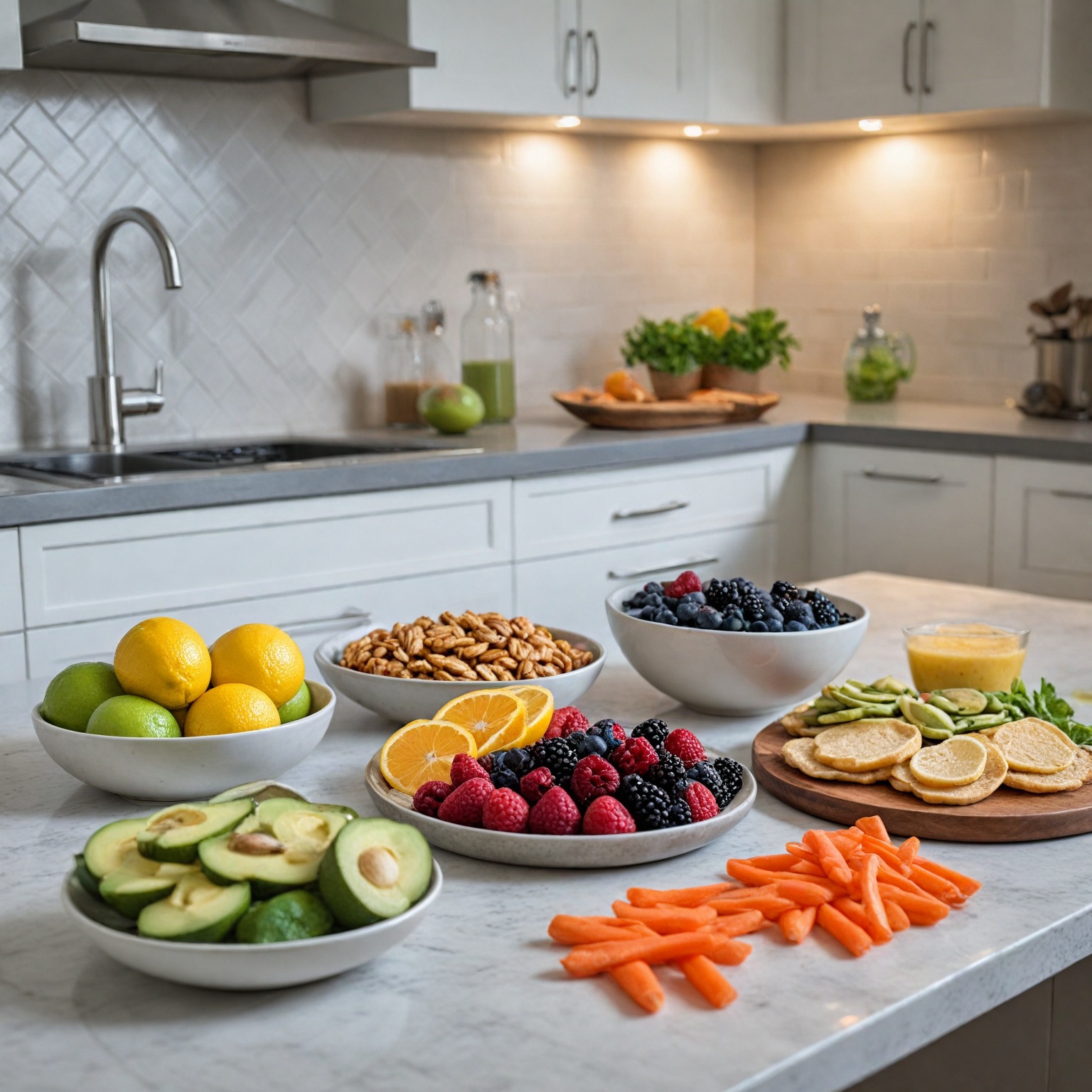
A variety of practical snack options can help maintain stable blood sugar levels by focusing on a balance of protein, fiber, and healthy fats. For instance, pairing almonds with snacks helps balance natural sugars while adding beneficial fats, contributing to blood sugar control and heart health due to their magnesium content. Oatmeal energy bites made from rolled oats, flaxseed, and nut butter are portable, filling, and naturally low glycemic index (GI) snacks that provide sustained energy without sharp blood sugar spikes.
High-protein and fiber-rich snacks such as crunchy bean-based products offer a satisfying alternative to traditional snacks. For example, a one-third-cup serving of crunchy bean snacks contains 7 grams of protein and 5 grams of fiber, supporting gut health and prolonged fullness. Similarly, nuts like peanuts provide plant-based protein and fiber, helping to reduce hunger and maintain blood sugar stability.
Simple, convenient snacks such as hard-boiled eggs supply high-quality protein that promotes fullness and assists in blood sugar management. Combining yogurt with berries provides fiber and probiotics, which not only stabilize blood glucose but may also enhance sugar metabolism. Low-fat cheeses like cottage cheese, ricotta, or mozzarella serve as protein-rich options that support glycemic control while satisfying hunger.
Legumes, such as lentils, offer a nutrient combination of protein, fiber, and carbohydrates that promote fullness and help regulate blood sugar levels. Savory snacks like air-fried tofu cubes paired with soy-seasoned peanut sauce provide a flavorful, high-protein option suitable for low-carb diets. Innovative snack ideas, such as low-carb pizza cups made with turkey pepperoni, mozzarella, and tomatoes, combine familiar flavors with high protein and minimal carbohydrates.
Other simple preparations include guacamole made from mashed avocado mixed with salsa, cilantro, and lime juice; limiting portions to a quarter-cup keeps carbohydrates below 20 grams while delivering healthy fats. Hummus, rich in chickpeas, combines fiber and protein to create a filling dip for vegetables or whole-grain crackers. Quick protein fixes like scrambled egg whites or pre-prepared hard-boiled eggs provide convenient options for blood sugar-friendly snacking.
In all cases, portion control and nutrient density are critical. Snacks combining protein, fiber, and healthy fats not only help keep blood sugar levels steady but also reduce the urge for sugary foods by increasing satiety and sustaining energy levels. Tracking snack intake alongside blood sugar responses can further optimize individual dietary strategies for diabetes management.
Considerations and Limitations
While managing blood glucose levels through diet and snacking shows promising benefits, several considerations and limitations must be acknowledged. Diabetic patients, despite recognizing the importance of dietary management, often face practical challenges in adhering to recommended food restrictions. They are frequently required to avoid preferred foods and instead consume healthier but blander alternatives, such as products made with alternative sweeteners or low sugar content, which may affect compliance and satisfaction. Furthermore, the ongoing development of meal and snack products aims to address these consumer needs, but widespread adoption remains limited.
Another important aspect is the variability in individual responses to different nutritional interventions. The effects of various meal compositions and nutrient timing on postprandial glycemia and insulin responses can differ based on the type of food consumed and the order in which they are eaten. For example, consuming vegetables and protein prior to carbohydrates can attenuate post-meal blood glucose spikes, potentially through mechanisms like delayed gastric emptying and modulation of incretin hormones, although these responses may not be uniform across all individuals. The role of specific nutrients, such as
Future Research Directions and Innovations in Snack Development
Emerging research underscores the critical role of snack composition in managing blood glucose levels, particularly among individuals with type 2 diabetes. While current evidence supports the benefits of nutrient-dense snacks rich in protein, fiber, and healthy fats, further studies are needed to optimize snack formulations and understand their impact on glycemic control in diverse populations.
One promising area of innovation involves the development of high-protein snacks utilizing plant-based proteins. Recent experimental formulations, including grain- and chocolate-flavored snacks incorporating high-protein powders, milk, and other ingredients, have demonstrated potential in modulating postprandial blood glucose responses in patients with type 2 diabetes. Continued investigation into such tailored snacks could advance dietary interventions aimed at improved blood sugar regulation.
Additionally, research into the specific types of fiber and their physical properties—such as viscosity—has shown that these factors influence glucose absorption and postprandial glycemia. Future work may focus on identifying and incorporating viscous dietary fibers in snack products to enhance their glycemic benefits.
Beyond macronutrient composition, there is growing interest in natural food sources with favorable effects on blood sugar control. Nuts, edamame, and non-starchy vegetables have demonstrated promise due to their protein, fiber, and low glycemic index profiles. However, while some studies report reductions in fasting and postmeal blood glucose levels following nut consumption, results have not consistently reached clinical significance, highlighting the need for larger, more rigorous trials to clarify these effects.
Optimal snacking schedules and portion control also warrant further exploration. Evidence suggests that the timing of snack intake relative to main meals influences postprandial glucose excursions. Understanding the interplay between snack timing, composition, and overall meal patterns may facilitate more effective individualized nutrition strategies.
Future research should also prioritize the personalization of snacking recommendations based on individual metabolic profiles and preferences, ensuring both efficacy and adherence. Innovations in food technology and formulation, including plant-based high-protein snacks and fiber-enriched products, combined with clinical trials assessing their long-term impacts, will be crucial to advancing snack-based approaches for blood sugar management.
The content is provided by Blake Sterling, Gear Shift Zone