Highlights
- Smart mobility technologies can transform seniors’ independence and quality of life by 2025.
- Addressing age-related mobility barriers is crucial for fostering social inclusion and equity.
Summary
Smart mobility refers to the integration of advanced technologies and physical infrastructure aimed at optimizing transportation, enhancing accessibility, and promoting sustainable urban living. In the context of seniors, smart mobility encompasses assistive devices, digital platforms, and age-friendly urban design tailored to support independence, safety, and social inclusion for older adults. As populations worldwide age, particularly with over one billion individuals aged 65 and older projected by 2025, addressing the unique mobility challenges faced by seniors has become a critical societal priority.
Mobility is essential for seniors’ physical health, psychological well-being, and social engagement, enabling access to services and reducing risks of isolation and depression. However, age-related physical, cognitive, and environmental barriers often limit movement and autonomy, creating a need for innovative solutions. Smart mobility technologies—such as AI-powered mobility aids, wearable health devices, robotic exoskeletons, and IoT-enabled smart home systems—offer personalized and adaptive support to enhance seniors’ mobility and independence, transforming how they navigate urban and home environments by 2025.
Despite these advances, significant adoption barriers remain, including technology complexity, digital literacy gaps, financial constraints, and uneven infrastructure access. Additionally, concerns over privacy, usability, and equitable access highlight the ongoing need for inclusive design, supportive policies, and community-based approaches. Comprehensive policy frameworks and urban initiatives worldwide are increasingly prioritizing age-friendly transportation systems that integrate digital innovation with physical accessibility to address these challenges.
The continued development and implementation of smart mobility solutions for seniors represent a transformative opportunity to enhance quality of life, promote social equity, and support active aging in place. However, realizing these benefits by 2025 requires multidisciplinary collaboration, user-centered design, and sustained efforts to overcome technological, financial, and infrastructural obstacles facing the aging population.
Definition and Scope of Smart Mobility
Smart mobility refers to the strategic integration of physical infrastructure and digital technologies aimed at optimizing urban movement, enhancing accessibility, and promoting sustainability. It encompasses various dimensions including efficiency, inclusiveness, accessibility, and the use of advanced technology to improve the overall quality of life within cities. Unlike traditional transportation approaches that primarily focus on infrastructure, smart mobility embraces a holistic vision that combines public transport systems, cycle and pedestrian lanes, intermodal hubs, and digital platforms. These platforms leverage tools such as sensors, big data, and mobile applications to optimize traffic flows, prioritize sustainable transportation modes, manage demand, and provide viable alternatives to private vehicle use.
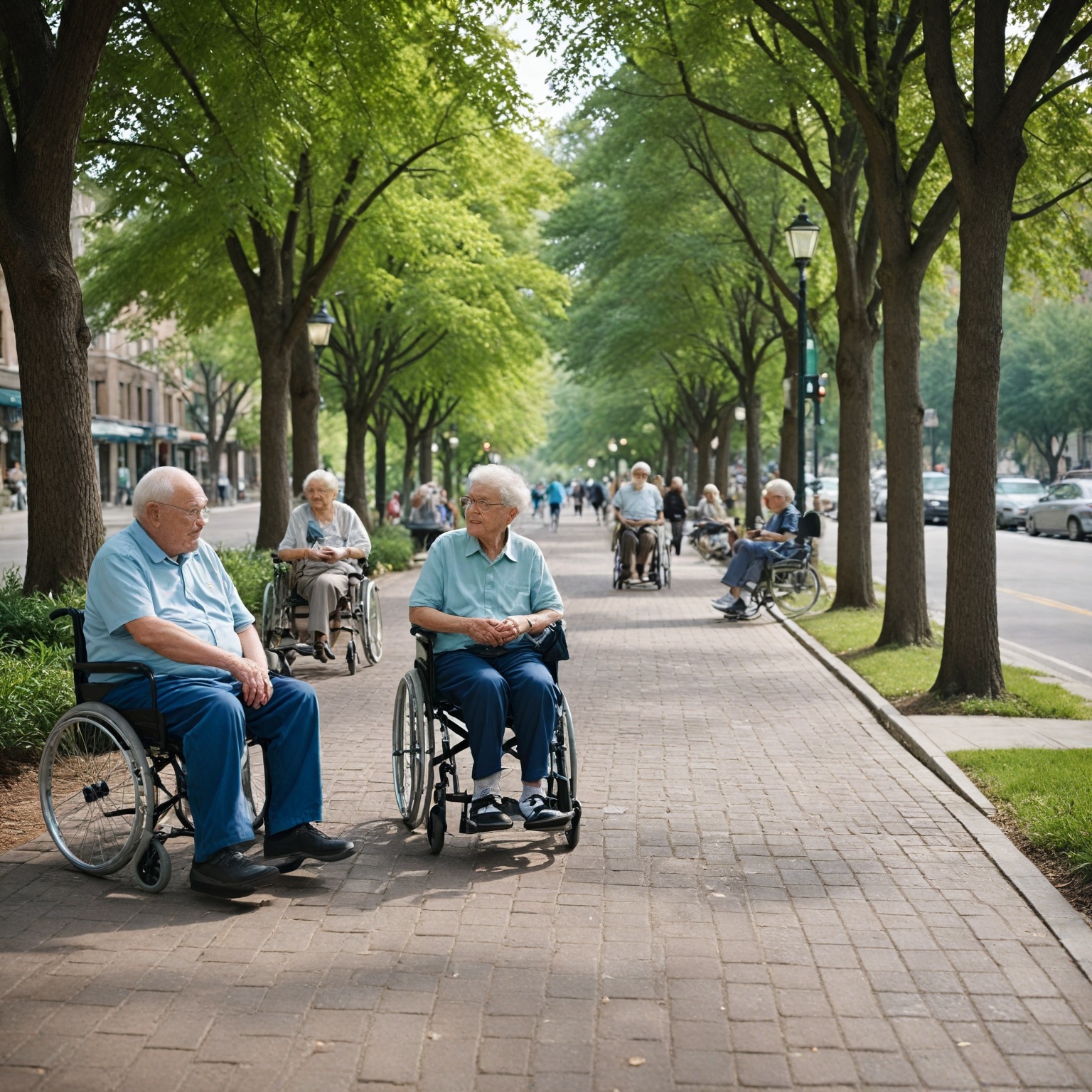
Within the context of senior populations, smart mobility expands to include assistive technologies designed to support independence and safety. These range from basic mobility aids like walkers and wheelchairs to sophisticated smart home systems and wearable devices that monitor health metrics and environmental conditions. The integration of artificial intelligence (AI), robotics, and the Internet of Things (IoT) into these technologies is expected to transform the mobility landscape for seniors by 2025, fostering greater autonomy and reducing dependency on caregivers.
The scope of smart mobility for seniors also involves addressing environmental and social determinants that affect their movement, such as age-friendly urban design, accessible public spaces, and supportive policies. Efforts are being made to ensure that assistive technologies are affordable, user-friendly, secure, and interoperable with existing systems to maximize adoption and effectiveness. Moreover, smart mobility initiatives contribute to mitigating social isolation among older adults by facilitating connectivity and participation in community life, which is essential for their holistic well-being. Overall, smart mobility represents a multidimensional framework that integrates technology, infrastructure, and social factors to enhance mobility and quality of life for seniors in increasingly digital urban environments.
Importance of Smart Mobility for Seniors
Mobility plays a crucial role in maintaining independence and quality of life for seniors. The ability to move freely enables access to essential services, social interactions, and participation in daily activities, all of which are fundamental for physical and psychological well-being. For many older adults, losing the ability to drive or move easily often results in feelings of isolation, depression, and dependence on caregivers or transportation services. Therefore, addressing mobility challenges is critical to fostering autonomy and preventing social disconnection among the elderly population.
Smart mobility technologies have emerged as essential tools in overcoming these challenges by providing personalized, responsive, and adaptive solutions tailored to seniors’ diverse needs. From advanced mobility aids such as smart walkers, wheelchairs, and exoskeletons to wearable health-monitoring devices and integrated smart home systems, these innovations enhance safety, accessibility, and convenience for seniors in both urban and suburban environments. The integration of artificial intelligence, robotics, and the Internet of Things (IoT) into assistive devices by 2025 is expected to revolutionize how seniors navigate their surroundings, reducing their reliance on others and promoting greater independence.
Moreover, smart mobility addresses not only physical barriers but also environmental and infrastructural factors that affect seniors. Accessibility issues, such as uneven terrain, limited public transportation options, and inadequate urban design, are significant impediments to senior mobility. Smart solutions that combine digital platforms with physical infrastructure improvements enable optimized transport flows, personalized route planning, and safer navigation, thereby facilitating efficient and inclusive mobility for older adults.
In addition to improving physical mobility, technology-assisted interventions contribute to broader aspects of seniors’ autonomy and health. Telehealth, wearable devices, and assistive robots have shown effectiveness in managing chronic conditions, supporting mental health, and enabling daily living activities, all of which interplay with mobility outcomes. By fostering a holistic approach that integrates technological innovation with social support, smart mobility initiatives help mitigate the psychological effects of mobility limitations, such as loneliness and cognitive decline.
Finally, the development of smart mobility solutions is vital for social equity as the global population ages. Tailoring technologies to the specific mobility requirements of seniors and ensuring accessibility across different demographic groups prevent disparities in transportation and healthcare access. These personalized and proactive approaches represent a transformative shift in how society supports aging populations, ensuring seniors remain connected, active, and empowered in 2025 and beyond.
Mobility Challenges and Limitations Faced by Seniors in 2025
As the global population ages, with projections indicating over one billion individuals aged 65 and older by 2025, mobility challenges among seniors have become a critical concern worldwide. These challenges are multifaceted, encompassing physical, cognitive, psychosocial, environmental, and technological factors that collectively influence the ability of older adults to move freely and maintain independence.
Physical and Cognitive Limitations
Aging naturally leads to changes that impact physical mobility, including muscle weakness, joint problems, pain, and neurological conditions affecting balance and coordination. Such impairments often manifest as unsteadiness while walking, difficulty rising from chairs, and an increased risk of falls. Falls are a major concern, as they cause moderate to severe injuries in 20–30% of cases among seniors, contributing to hospitalizations, disability, and decreased quality of life.
Cognitive decline also plays a significant role in mobility limitations. Older adults experiencing reductions in processing speed, memory, or spatial awareness may face difficulties in navigating their environments safely. Additionally, fear of falling after an initial fall can lead to inactivity, further exacerbating physical decline and reducing confidence in mobility.
Psychosocial and Environmental Factors
Reduced mobility often results in diminished social interactions, increasing the risk of loneliness and depression among seniors. The psychological impact of mobility constraints underscores the importance of addressing not only the physical but also the emotional and cognitive dimensions of mobility. Moreover, environmental barriers—such as poor terrain conditions, inadequate public services, and limited accessibility to transportation—can severely restrict seniors’ ability to move independently, particularly for those living in suburban or rural areas or without access to private vehicles.
Accessibility discrepancies exist between urban and suburban seniors, and between those who own vehicles and those who do not, indicating that the surrounding environment profoundly affects mobility outcomes. Factors such as street connectedness, proximity to essential services, and terrain quality influence seniors’ likelihood to engage in walking or other forms of transportation.
Technological and Support System Challenges
While emerging assistive technologies and smart mobility solutions offer promising avenues to support senior independence, their adoption is often hindered by barriers such as lack of access to smartphones, internet connectivity, and technological literacy among older adults. These challenges are compounded for seniors with multiple disabilities, financial constraints, or specific needs requiring specialized transportation accommodations.
Mobility aids ranging from canes to walkers and rollators are essential for many seniors to maintain mobility and reduce fall risk. However, comprehensive solutions must integrate physical, cognitive, psychosocial, and environmental determinants to effectively address mobility limitations.
Smart Mobility Solutions Tailored for Seniors
Smart mobility solutions designed for seniors in 2025 focus on enhancing independence, safety, and ease of movement through the integration of advanced technologies such as artificial intelligence (AI), the Internet of Things (IoT), robotics, and mobile applications. These innovations address the unique mobility challenges faced by older adults, including physical limitations, cognitive impairments, and difficulties navigating complex environments.
Current ride-hailing and autonomous vehicle services primarily offer curb-to-curb transportation, which is often insufficient for many seniors who require door-to-door or hand-to-hand assistance. Challenges such as identifying arriving vehicles, managing mobility aids, and safely accessing building entrances necessitate tailored mobility support. Smart mobility devices bridge this gap by combining portability, safety features, and intelligent assistance to improve accessibility both indoors and outdoors.
Wearable devices and mobility aids are evolving rapidly. Lightweight and portable wheelchairs weighing as little as 9.3 kg improve ease of use and transport, while smart wheelchairs incorporate AI-driven navigation, collision avoidance sensors, GPS mapping, and real-time health monitoring. Voice-controlled functionalities allow users to operate devices hands-free through simple commands, enhancing safety and user-friendliness. Additionally, robotic exoskeletons and assistive transfer robots alleviate physical burdens on caregivers and support seniors with limited mobility.
Walking aids remain essential for many seniors, with advanced trekking poles and walking sticks designed for comfort and stability. Products like the York Nordic Motivator and TrailBuddy Adjustable Trekking Poles offer ergonomic grips and secure locking mechanisms, addressing issues such as arthritis and limited hand dexterity. These devices contribute significantly to maintaining balance and reducing fall risks.
Smart home integration plays a crucial role in senior mobility by providing real-time health monitoring and environmental assistance through radar-based sensors and connected devices. IoT-enabled systems track vital signs and daily activities, enabling timely interventions and enhancing safety at home. Mobile applications complement these technologies by offering medication management, health tracking, emergency response, and social connectivity, empowering seniors to manage their health and mobility more independently.
Despite the advancements, barriers such as lack of technology access, limited digital literacy, and financial constraints remain challenges for many seniors. Addressing these issues through user-friendly design, education, and affordable solutions is vital to ensure widespread adoption and maximize the benefits of smart mobility technologies for the aging population.
Health and Well-being Impacts of Smart Mobility
Smart mobility technologies are playing an increasingly vital role in enhancing the health and well-being of seniors by supporting physical function, mental health, and overall quality of life. These technologies range from traditional mobility aids like walkers and wheelchairs to advanced smart home systems and wearable devices that monitor health metrics, all designed to foster independence and safety in older adults.
Physical Health Benefits
Maintaining mobility is critical for seniors’ physical health, as it enables them to live independently and engage in daily activities. Regular physical activity is well-documented to improve physical performance and reduce the risk of major mobility disability, such as the inability to walk a quarter of a mile. The Lifestyle Interventions and Independence for Elders (LIFE) study highlighted that structured physical activity programs effectively lower the risk of mobility loss in sedentary older adults. Mobility training interventions have shown high-certainty evidence in improving physical function, with measurable gains on mobility scales compared to controls receiving minimal or no active intervention.
Smart mobility devices equipped with artificial intelligence and sensors are anticipated to enhance support for seniors with severe mobility impairments by providing assistive functions such as robot-assisted walking and fall risk assessment. During periods of restricted activity, such as the COVID-19 pandemic, initiatives encouraging seniors to stay active at home have been crucial, as inactivity can weaken muscles and increase fall risks. Experts recommend that adults over 65 engage in at least 150 minutes of moderate physical activity weekly, supplemented with muscle-strengthening exercises at least twice a week, with adaptations for those with chronic conditions.
Psychological and Cognitive Well-being
Mobility limitations can profoundly affect seniors’ mental health, contributing to feelings of frustration, helplessness, social isolation, and loneliness, which are significant risk factors for depression and cognitive decline. Smart mobility technologies are addressing these psychological challenges by promoting social engagement and providing cognitive support through connected platforms. For instance, smart sensors can detect early signs of depression or cognitive decline, enabling timely interventions by caregivers or healthcare providers.
The integration of mobile health applications further supports seniors in managing their health and maintaining social connections. Apps designed for medication reminders, virtual consultations, nutrition tracking, and health monitoring empower older adults to take active roles in their care, which has been linked to improvements in mental well-being and quality of life. However, barriers such as declining vision, reduced motor skills, technophobia, and limited digital literacy continue to challenge the widespread adoption of these technologies among seniors.
Holistic Approaches and Future Directions
Given the interplay between physical mobility and psychological health, holistic approaches that combine smart mobility technologies with community support and healthcare services are essential. The ongoing evolution of assistive technologies, including AI-driven smart homes and robotics, promises to mitigate isolation and enhance emotional well-being by facilitating safer mobility and fostering social interaction. Collaborative efforts among healthcare providers, technology developers, and communities will be pivotal in maximizing these benefits, enabling seniors to age in place with dignity and improved quality of life.
Adoption Barriers and Accessibility Challenges
Older adults face numerous barriers in adopting smart mobility solutions, which limit their ability to benefit fully from emerging transportation technologies. One significant challenge is the complexity of interacting with these technologies, particularly wearable devices and smart mobility aids. Seniors often perceive these devices as difficult to use, a perception intensified by age-related declines in cognitive functions such as working memory, as well as limited familiarity and low self-efficacy with digital tools. This complexity perception serves as a critical deterrent to adoption, contributing to lower usage rates among older adults despite the potential benefits these devices offer for enhancing mobility and independence.
In addition to cognitive and psychological barriers, physical limitations and health-related challenges significantly affect seniors’ mobility and access to transportation options. Many older adults experience gradual declines in physical abilities, which impact their spatial mobility and ability to navigate complex environments safely. Mobility challenges are compounded by environmental factors such as neighborhood design and accessibility, which influence seniors’ ability to move independently both indoors and outdoors. Moreover, existing new mobility services, including ride-hailing and autonomous vehicle (AV) options, primarily offer curb-to-curb service that does not address the specific needs of many seniors who require door-to-door or hand-to-hand assistance due to difficulties in identifying vehicles, handling mobility aids, or navigating busy and complex locations like hospitals or shopping centers.
Financial constraints, limited technology access, and rural residency further exacerbate the exclusion of a significant portion of the senior population from the benefits of the new mobility revolution. These factors create accessibility discrepancies not only between seniors and non-seniors but also among seniors based on location, vehicle ownership, and disability status. The European Accessibility Act and universal design principles aim to address some of these barriers by mandating accessibility in products and services, including transportation, to accommodate people of all ages and abilities. However, substantial gaps remain, particularly for harder-to-serve older adults who face multiple overlapping challenges.
Beyond physical and technological hurdles, mobility limitations also have psychological and social implications for seniors
Policy Frameworks and Urban Infrastructure Initiatives
The advancement of smart mobility for seniors in 2025 is strongly supported by comprehensive policy frameworks and urban infrastructure initiatives designed to enhance accessibility, inclusiveness, and efficiency in transportation. A key legislative foundation in the United States is the Bipartisan Infrastructure Law, enacted as the Infrastructure Investment and Jobs Act, which continues to fund the Formula Grants for the Enhanced Mobility of Seniors and Individuals with Disabilities Program. This program specifically addresses the transportation needs of seniors and individuals with disabilities across urban and rural areas by removing barriers and expanding mobility options tailored to these populations.
To ensure effective implementation, the Federal Transit Administration (FTA) has updated its program guidance and award management requirements to align with recent legislative acts such as the Fixing America’s Surface Transportation (FAST) Act and the Infrastructure Investment and Jobs Act. The Enhanced Mobility for Seniors and Individuals with Disabilities Program Guidance (C 9070.1H) provides detailed instructions on program administration and grant applications, streamlining processes while maintaining high-quality service delivery for older adults.
At the urban planning level, the IMD Smart City Index 2025 emphasizes that mobility is not merely an infrastructure expense but a strategic commitment integral to the quality of life and social perception of smart cities. This approach involves a holistic integration of physical infrastructures—such as public transport systems, cycle-pedestrian lanes, and intermodal nodes—with digital platforms that optimize traffic flow, prioritize sustainable transportation modes, and offer real alternatives to private car usage. Cities are increasingly adopting smart public transportation systems and age-friendly urban designs that prioritize walkability and accessibility to meet the unique mobility needs of seniors, thus fostering inclusive environments.
Global initiatives complement these efforts by providing frameworks and guidelines to design age-friendly cities. The World Health Organization’s Global Age-Friendly Cities Guide and the European Innovation Partnership on Active and Healthy Aging’s Covenant on Demographic Change encourage local and regional governments to develop strategies that create accessible living spaces and transportation systems for seniors. These strategies increasingly incorporate technological innovations such as smart home devices, assistive mobility technologies, and digital platforms that enhance safety and independence for older adults.
Leading smart cities exemplify these principles through concrete infrastructure projects. For instance, London’s digital transformation includes extensive 4G and upcoming 5G coverage across its transit network, enabling real-time information sharing and smart mobility solutions like intelligent parking and electric vehicle charging trials. Similarly, Oslo demonstrates leadership in green and inclusive urban development, with a strong emphasis on electric mobility and low-carbon architecture concentrated near transit hubs. Such initiatives not only improve mobility for seniors but also promote sustainability and reduce urban congestion.
Together, these policy frameworks and urban infrastructure initiatives form a multifaceted ecosystem that empowers seniors with enhanced mobility options, facilitating greater independence and participation in urban life in 2025 and beyond.
Emerging Trends and Innovations in Smart Mobility for Seniors
Advancements in assistive technologies are rapidly transforming senior mobility by 2025, fostering greater autonomy and safety for older adults. Central to this transformation is the integration of artificial intelligence (AI), machine learning, robotics, and the Internet of Things (IoT) into mobility aids and smart home systems. These technologies enable devices to learn from user behavior and environmental conditions, thereby offering personalized support tailored to individual needs.
One significant innovation includes the development of smart mobility devices such as walkers, wheelchairs, and wearable aids that incorporate sensors and AI algorithms to enhance navigation and safety. Features like obstacle detection, blind-spot monitoring, collision avoidance, and automatic braking—once limited to luxury vehicles—are now being embedded into mobility devices to reduce accidents and improve user confidence. Moreover, wearable devices equipped with health tracking and emergency alert functions, such as smartwatches with SOS capabilities, empower seniors to maintain active lifestyles while ensuring rapid assistance in emergencies.
Robotic exoskeletons and assistive robots are also emerging as vital tools to aid seniors with physical limitations, helping them move more easily and manage daily tasks. These AI-powered robots can adapt their responses based on user interaction and cognitive status, thereby providing personalized mobility assistance and connectivity to healthcare providers. The combination of robotics and intelligent personal assistants is shaping a comprehensive ecosystem that supports independence and well-being among the elderly population.
Additionally, the incorporation of smart home technologies enhances accessibility and safety within the living environment. Automated systems linked through IoT devices facilitate mobility by managing lighting, doors, and environmental controls, reducing physical barriers and promoting safer navigation indoors. The expansion of mobile health applications on smartphones and tablets further supports seniors by offering real-time information and tailored mobility solutions, thus bridging gaps in traditional care and empowering users in different urban settings.
However, adoption challenges persist, particularly concerning technology complexity and usability. Older adults may face difficulties due to declining cognitive capacities and perceived complexity of devices, which necessitates designing user-friendly interfaces and offering adequate training to ensure effective utilization.
Case Studies and Practical Implementations
The Mobility Aid Design for the Elderly (MADE) framework exemplifies a practical approach to enhancing senior mobility through innovative design. A notable implementation of MADE is the development of a smart walker, which integrates advanced technology to assist elderly users in maintaining independence and safety. This case study demonstrates the application of the MADE methodology, emphasizing how behavior theories and technology acceptance models can be utilized to inform design decisions tailored to seniors’ specific needs.
In the case of the smart walker, the design incorporates non-intrusive, wireless, and contactless systems that monitor mobility and daily activities without relying on cameras. Such systems are capable of detecting behavioral changes that may indicate health issues like loneliness, social isolation, or malnutrition. The focus on wearable, non-wearable, or hybrid activity recognition systems that are portable and smart aligns with the criteria set for effective eldercare technology.
Beyond individual devices, practical implementations extend to integrating these mobility aids within broader smart home environments and community-based services. For example, combining smart mobility devices with home-based technologies can reduce errors in medication management, enhance fall prevention, and empower seniors to maintain their health proactively. These integrations highlight how assistive technologies not only address mobility but also contribute to comprehensive aging-in-place strategies.
Looking forward to 2025, the fusion of artificial intelligence, robotics, and the Internet of Things (IoT) into mobility aids promises to transform seniors’ autonomy further. The advancements in smart walkers, wheelchairs, and other assistive devices are expected to foster safer movement and reduce dependency on caregivers, thus significantly improving quality of life.
Effective implementations also consider the holistic nature of mobility by addressing environmental and infrastructural determinants alongside technology. Urban design strategies that merge physical infrastructure with digital platforms optimize mobility flows and accessibility for seniors. Moreover, policies, regulations, and innovative financing models are vital to support the widespread adoption and integration of assistive technologies, ensuring that solutions are sustainable and inclusive.
Collectively, these case studies and practical implementations underscore the importance of a multifaceted approach—one that combines user-centered design, technological innovation, and supportive environments—to effectively enhance senior mobility in the coming years.
Criticisms, Concerns, and Future Challenges
The adoption and integration of smart mobility technologies for seniors face several criticisms and concerns that must be addressed to ensure equitable and effective solutions. One prominent issue is the digital divide that disproportionately affects older adults. As high-end technologies become increasingly prevalent, the gap between seniors who can effectively use these tools and those who cannot widens, creating a major societal and governmental concern in terms of accessibility and social equity. This divide is compounded by the complexity of many smart mobility systems, which can deter adoption among seniors due to cognitive and memory limitations associated with aging.
Moreover, the design and usability of smart mobility devices present significant barriers. Seniors often struggle with complex interfaces, small fonts, and low-contrast visuals, which reduce accessibility and hinder effective use. Interventions such as simplified navigation, larger fonts, high-contrast visuals, haptic feedback, and voice-controlled features have been proposed to mitigate these challenges and improve user engagement. Nevertheless, such design improvements require systematic application and user-centered approaches tailored to the diverse physical and cognitive conditions of older adults.
Financial determinants also represent a critical challenge. Many smart mobility solutions are expensive and not widely available, limiting their reach among seniors who may benefit the most. Research on financial barriers remains scarce, but it is clear that innovative financing models, including public-private partnerships, are essential to improve affordability and accessibility. Alongside this, regulatory frameworks such as the European Accessibility Act emphasize the need for universal design principles to ensure products and services are accessible to people with disabilities, including seniors, underscoring the importance of policy support in advancing inclusive smart mobility.
Ethical concerns related to privacy, autonomy, and consent arise in the development and deployment of smart-home and mobility technologies. Researchers have highlighted the necessity of addressing these issues through multi-stakeholder perspectives, balancing technological benefits with respect for seniors’ rights and preferences. Furthermore, the high abandonment rates of assistive technologies like smart walkers point to the need for systematic design methodologies, such as the Mobility Aid Design for the Elderly (MADE), that incorporate usability, personalization, and ongoing user engagement throughout the design process.
Future challenges also include the need for a holistic and flexible approach to senior mobility. Smart transportation solutions must go beyond mere technological integration to encompass physical infrastructure, digital platforms, and personalized services that collectively support seniors’ independence, dignity, and active community participation. Addressing the heterogeneity of seniors’ mobility needs requires ongoing research across multiple disciplines and the application of behavior and technology acceptance theories to better understand and predict usage patterns.